
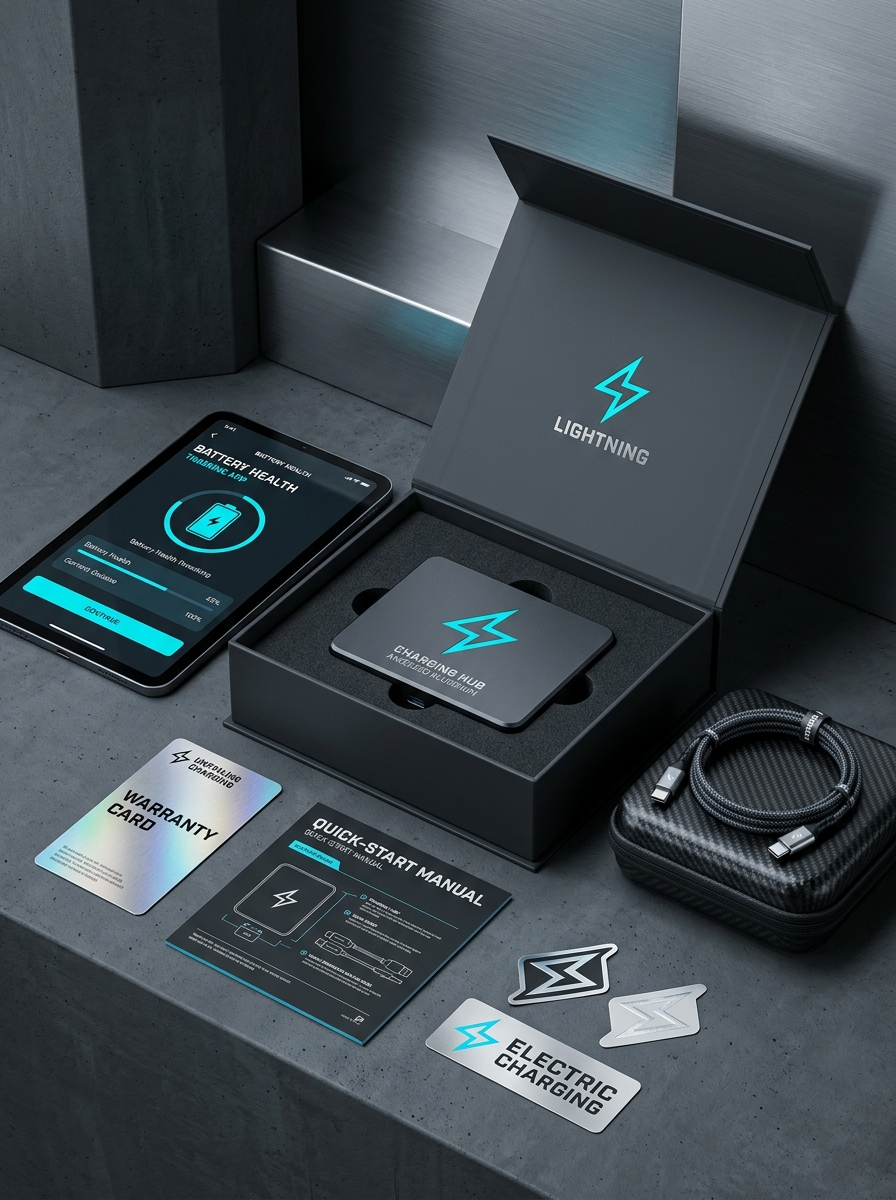
Modern power bank packaging serves as the vital bridge between portable energy technology and the consumer's first impression. More than a protective shell, effective design integrates structural integrity with visual storytelling to communicate brand reliability. As mobile charging solutions become ubiquitous, the demand for packaging that balances sustainable materials with high-end aesthetics has reached a critical peak.
Achieving a premium unboxing experience requires a meticulous focus on both functional utility and ergonomic layout. From securing sensitive lithium-ion cells against transit impact to showcasing technical specifications with clarity, every design element must serve a dual purpose. By prioritizing user-centric features and innovative graphic treatments, manufacturers can create a cohesive identity that resonates with tech-savvy audiences while ensuring product safety and market shelf appeal.
Introduction to Power Bank Packaging Strategy
A strategic approach to portable power bank packaging is essential for balancing product protection with market appeal. Because these devices contain sensitive lithium-ion batteries, the primary focus of any packaging strategy must be structural integrity and safety compliance to prevent damage during transit.
Beyond protection, effective packaging serves as a critical marketing tool. It must clearly communicate technical specifications, such as battery capacity (mAh), port configurations, and fast-charging protocols (like PD or QC 3.0), to help consumers make informed decisions. Modern strategies prioritize:
- Sustainability: Transitioning to plastic-free, recyclable materials to attract eco-conscious buyers.
- Brand Identity: Utilizing premium finishes and minimalist aesthetics to position the product in the competitive tech market.
- Regulatory Compliance: Ensuring mandatory shipping certifications and safety warnings are prominently displayed for international logistics.
Defining Brand Identity Through Color and Form
In the competitive landscape of portable power banks, brand identity is established through strategic aesthetic choices. Manufacturers utilize color psychology and industrial design to differentiate their products from generic alternatives. Vibrant, high-visibility hues often target a lifestyle-oriented demographic, while minimalist metallic finishes appeal to professionals seeking sophisticated mobile charging solutions.
The physical form factor-ranging from ultra-slim profiles to rugged, shockproof enclosures-communicates a device's intended environment. Ergonomic contours and premium materials, such as anodized aluminum or textured polycarbonate, enhance the tactile user experience. By harmonizing visual appeal with functional geometry, brands transform a simple utility into a recognizable accessory. This fusion of color and form ensures a power bank is not merely a battery, but a reflection of the user's personal style and the brand's core values.
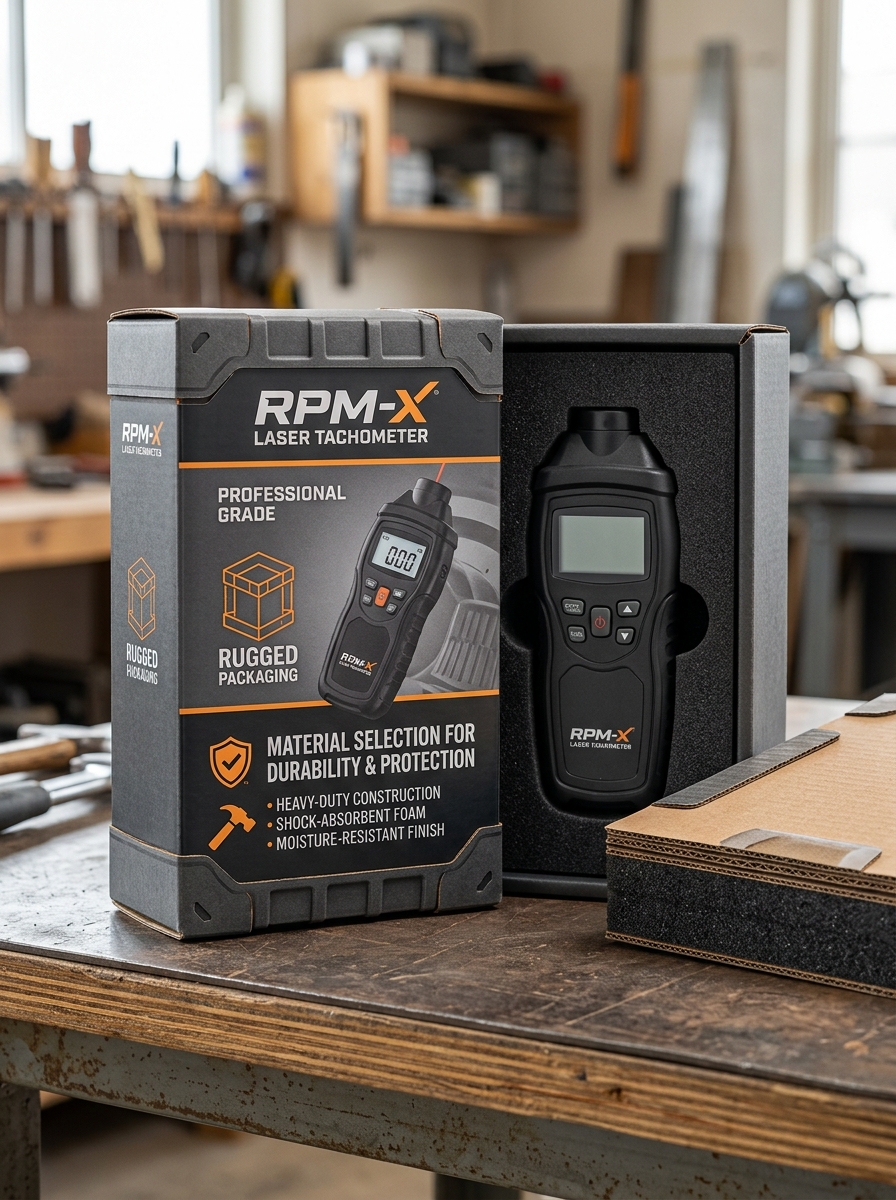
Material Selection for Durability and Protection
The longevity of portable power banks depends heavily on the materials used for their outer casing. Most high-quality units utilize ABS plastic or polycarbonate (PC) blends, prized for their high impact resistance and lightweight properties. These polymers are often treated with UL94 V-0 flame-retardant additives to enhance user safety by preventing fire propagation.
Premium power banks frequently feature anodized aluminum alloy housings. This material offers superior structural integrity and excellent heat dissipation, which is vital for maintaining the health of internal lithium-ion cells during rapid charging cycles. Additionally, internal frames are designed with reinforced structures to shield sensitive PCB components from mechanical shock. By prioritizing materials that balance thermal conductivity with ruggedness, manufacturers ensure the device can withstand daily wear, drops, and environmental stressors.
Engineering the Premium Unboxing Experience
For high-end portable power banks, the unboxing journey is a deliberate engineering feat designed to mirror the sophisticated technology within. Manufacturers prioritize structural packaging design, utilizing high-density foam inserts and rigid recycled paperboard to protect high-capacity lithium-ion cells while creating a premium tactile sensation.
The "slow-slide" vacuum effect, achieved through precise tolerances in box dimensions, builds anticipation and signals manufacturing excellence. Incorporating sustainable materials and magnetic closures further elevates the brand's perceived value. By optimizing these sensory touchpoints-from the weight of the box to the layout of the USB-C cables-brands foster immediate consumer trust. This meticulous engineering ensures the user's first physical interaction with their external battery pack is as seamless and high-performing as the fast-charging hardware itself.
Communicating Capacity and Power Specifications Clearly
Transparency in portable power bank specifications is essential for consumer trust. Most devices list capacity in milliamp-hours (mAh), yet Watt-hours (Wh) offer a more standardized metric for comparing energy density across different voltages. To ensure clarity, manufacturers must distinguish between "internal battery capacity" and "usable output," accounting for energy lost during voltage conversion and heat dissipation.
Power delivery capabilities should be clearly defined by maximum Wattage (W) and supported protocols, such as USB-C Power Delivery (PD) or Quick Charge. Highlighting specific output parameters-volts and amps per port-helps users determine compatibility with laptops, smartphones, or low-current wearables. Providing accurate, easy-to-read technical data prevents overestimating performance and ensures safety during high-speed charging cycles.
Sustainable Materials and Eco-Friendly Packaging Solutions
As the demand for mobile energy grows, manufacturers are prioritizing environmental responsibility in portable power bank production. Modern eco-friendly chargers utilize recycled post-consumer plastics (PCR) and durable, recyclable aluminum housings to minimize the carbon footprint of electronic manufacturing.
Beyond the device itself, green packaging solutions have become a standard for sustainable brands. Key initiatives include:
- FSC-certified cardboard and paper-based materials.
- Plastic-free internal structures and biodegradable components.
- Non-toxic, soy-based inks for product labeling.
By choosing power banks crafted from sustainable materials and shipped in minimal, earth-friendly packaging, consumers can significantly reduce electronic waste. This transition toward circular economy principles ensures that staying powered on the go does not come at the expense of the planet.
Optimizing Visual Hierarchy for Retail Shelf Appeal
In the competitive portable power bank market, packaging must leverage a strategic visual hierarchy to capture consumer attention instantly. The most critical information, such as battery capacity (mAh) and fast-charging capabilities (PD/QC), should serve as the primary focal point using bold, high-contrast typography.
Secondary elements, including port counts and universal compatibility, should follow a logical flow-typically utilizing a "top-down" scanning path. Incorporating intuitive iconography for USB-C or wireless charging features allows for rapid mental processing, reducing cognitive load for the shopper. By prioritizing key value propositions through size, color intensity, and spatial positioning, brands can differentiate their products on crowded shelves, ensuring technical advantages are communicated clearly to drive purchase decisions.
Internal Compartmentalization for Accessories and Manuals
Superior internal compartmentalization is a critical feature for high-quality portable power bank cases and travel kits. By utilizing integrated mesh pockets, elastic straps, and padded dividers, these storage solutions keep essential charging cables, USB adapters, and wall chargers neatly organized.
This structured layout prevents metal connectors from scratching the power bank's exterior and eliminates the hassle of tangled wires. Furthermore, a dedicated slot for user manuals ensures that technical specifications and safety guidelines are always available for troubleshooting or airline security inspections. Investing in a power bank with optimized internal organization not only protects your hardware from physical impact but also streamlines your mobile charging experience during travel or daily commutes.
Security Features and Anti-Counterfeit Design Elements
Modern portable power banks prioritize user safety by integrating advanced hardware protection and authenticity markers. Essential security features include overcharge protection, short-circuit prevention, and NTC thermistors for real-time thermal management. These internal protocols, managed by a Battery Management System (BMS), prevent overheating and fire hazards during rapid charging cycles.
To combat hazardous fakes, reputable manufacturers implement sophisticated anti-counterfeit design elements, including:
- Unique Verification Codes: Scratch-off labels containing serial numbers for official website authentication.
- Holographic Seals: Tamper-evident, multi-layered stickers that are difficult to replicate.
- Laser-Etched Specifications: Precise, permanent technical data printed directly on the chassis rather than low-quality ink.
- QR Code Integration: Instant digital links to verify the product's manufacturing batch and origin.
Identifying these markers ensures you receive a genuine, high-capacity power source that protects your mobile devices from electrical damage.
The Future of Interactive and Smart Packaging Designs
The evolution of portable power banks now extends beyond battery capacity into the realm of smart packaging designs. Manufacturers are integrating interactive technology, such as QR codes and NFC tags, to bridge the gap between physical products and digital support. This innovation allows users to instantly verify product authenticity, access digital manuals, and view real-time charging tutorials via smartphone integration.
Furthermore, Augmented Reality (AR) is being utilized on packaging to demonstrate internal circuitry and safety features without unboxing the device. These semantic-rich packaging solutions not only enhance the consumer experience but also promote sustainability by reducing the need for printed paper inserts. As the power bank market matures, smart packaging will become a standard for delivering value, safety information, and brand engagement.
Leave a comment