
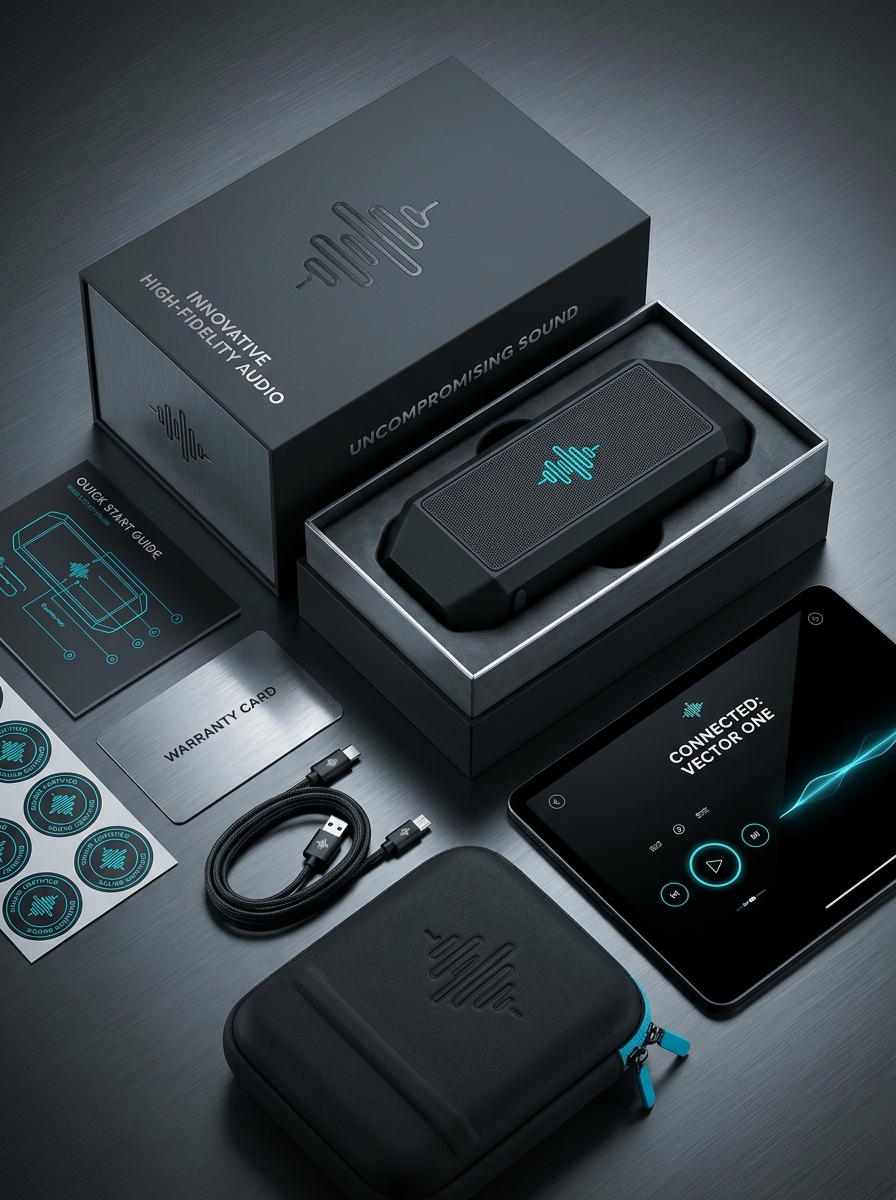
Elevating a portable audio brand requires more than superior sound engineering; it demands an immersive unboxing experience that resonates with consumers. Bluetooth speaker packaging serves as the critical bridge between functional protection and premium brand storytelling. By integrating structural durability with sophisticated visual aesthetic concepts, manufacturers can captivate potential buyers before the device is even powered on.
Mastering key design principles involves a strategic focus on minimalist layouts, tactile finishes, and sustainable materials that appeal to modern tech enthusiasts. From the choice of high-contrast typography to the implementation of secure internal inserts, every element must reinforce the product's perceived value. This overview examines how the intersection of protective engineering and artistic design creates a cohesive identity in the rapidly evolving consumer electronics market.
Defining the Visual Identity of Modern Audio Hardware
The visual identity of contemporary Bluetooth speakers has transitioned from purely utilitarian equipment to sophisticated lifestyle accessories. Modern audio design prioritizes a minimalist aesthetic, ensuring devices serve as decorative centerpieces rather than mere hardware.
Key elements defining this evolution include:
- Premium Materials: The use of tactile acoustic fabrics, brushed aluminum, and sustainable wood to complement interior decor.
- Ergonomic Silhouettes: Sleek, portable form factors that balance durability with high-end fashion.
- Unobtrusive Interfaces: Integration of capacitive touch controls and hidden LED indicators to maintain clean lines.
By merging acoustic engineering with industrial design, manufacturers create a sensory experience where the visual appeal matches the high-fidelity output. This synergy ensures that modern speakers reflect the user's personal style while delivering seamless wireless performance.
The Psychology of the Premium Unboxing Experience
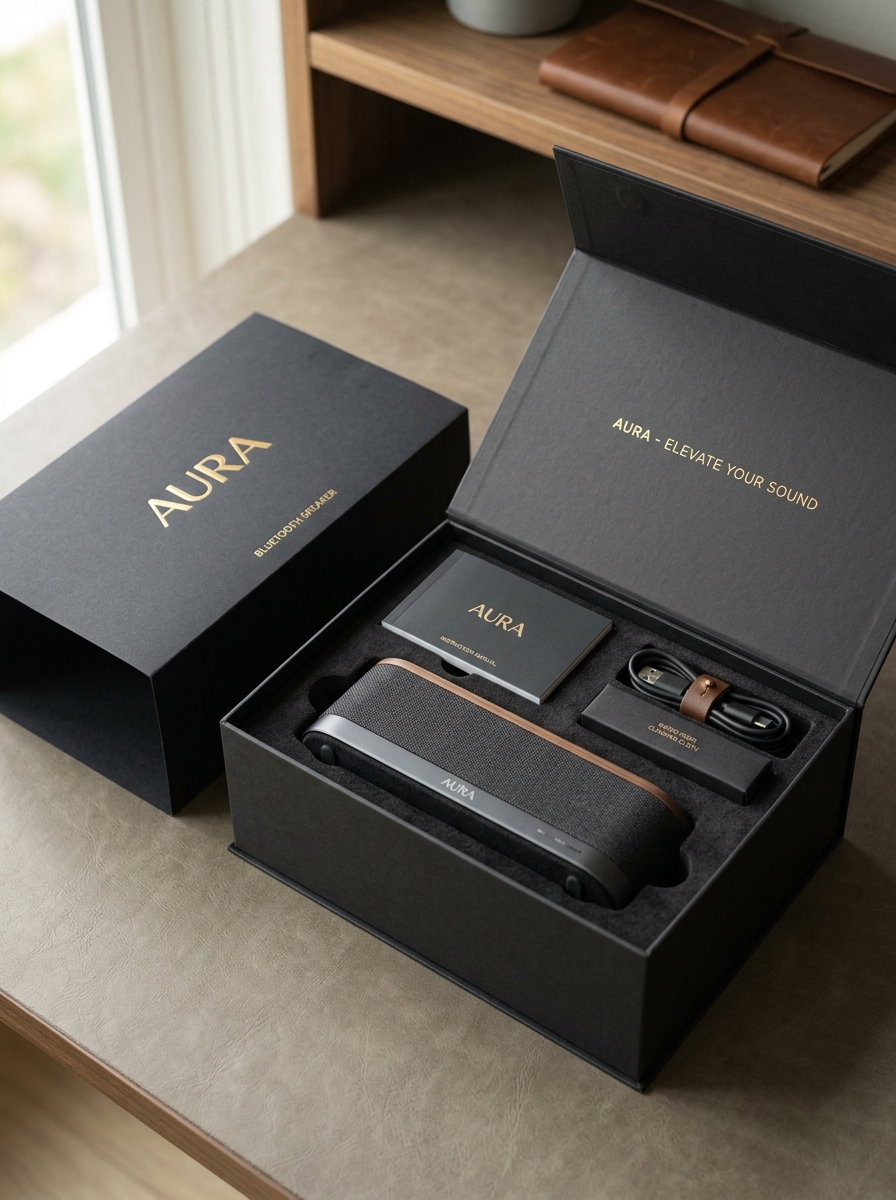
For high-end Bluetooth speakers, the unboxing process serves as a vital psychological bridge between purchase and performance. This "ritual of discovery" leverages tactile feedback and visual aesthetics to reinforce a consumer's decision. When a user encounters heavy-gauge packaging, precision-cut protective foam, and magnetic closures, it triggers a dopamine response, signaling superior craftsmanship and value.
This sensory journey builds anticipation, heightening the perceived audio quality before the device is even powered on. By meticulously organizing accessories and using premium materials, brands establish an emotional connection and a sense of exclusivity. In the competitive portable audio market, a sophisticated unboxing experience justifies a premium price point, fosters brand loyalty, and transforms a simple product reveal into a memorable brand event that resonates with audiophiles and casual listeners alike.
Minimalist Aesthetics and High-End Graphic Finishes
Modern Bluetooth speakers have evolved into sophisticated interior design elements. Minimalist aesthetics focus on sleek silhouettes and clean lines, allowing premium audio technology to blend seamlessly into contemporary home decor. By stripping away unnecessary clutter, these speakers emphasize the harmony between form and function.
Complementing this simplicity are high-end graphic finishes and luxury materials. From laser-etched patterns to brushed metallic accents and bespoke acoustic fabrics, these visual details provide a tactile, premium feel. These design-forward features ensure that your portable audio device serves as a stylish statement piece. Choosing a speaker with a refined finish means you never have to sacrifice visual elegance for high-fidelity sound, creating a perfect balance between artistic expression and acoustic performance.
Typography Strategies for Technical Clarity and Branding
In the competitive Bluetooth speaker market, typography acts as a bridge between technical precision and brand identity. To achieve technical clarity, designers prioritize high-legibility sans-serif typefaces. These fonts ensure that critical specifications-such as decibel levels, battery life, and IPX ratings-are easily readable on small product packaging and digital manuals.
From a branding perspective, font selection communicates the product's persona:
- Modern Sans-Serifs: Project a sleek, high-tech image for premium home audio.
- Heavy Slab Serifs: Suggest ruggedness and durability for outdoor portable speakers.
- Typographic Hierarchy: Uses varied weights to lead the eye from marketing taglines to essential safety data.
Strategic kerning and optimized line heights prevent visual clutter, ensuring that complex audio terminology remains accessible while reinforcing a cohesive, professional brand experience across all touchpoints.
Sustainable Material Innovation in Consumer Electronics
The portable audio industry is undergoing a significant shift toward environmental responsibility, specifically through sustainable material innovation in Bluetooth speakers. Manufacturers are moving away from virgin plastics, opting instead for recycled ocean-bound plastics, post-consumer resins, and rapidly renewable resources like bamboo, organic cork, and hemp fabrics.
These eco-friendly materials are meticulously engineered to ensure that acoustic integrity and durability are not compromised. By adopting circular economy principles, brands are reducing the carbon footprint of consumer electronics while offering high-fidelity sound. Furthermore, the integration of biodegradable components and PVC-free internal wiring ensures that portable speakers are as kind to the planet as they are to the ears. This evolution in manufacturing marks a new era where premium audio performance meets eco-conscious design.
Color Theory and Emotional Resonance in Sound Design
In the competitive landscape of Bluetooth speakers, color theory is a strategic tool used to evoke specific psychological responses and enhance emotional resonance. Manufacturers carefully select color palettes to align with a speaker's intended acoustic profile and use case. For example, bold reds and vibrant yellows are often associated with high-energy output and heavy bass, making them popular for portable party speakers.
Conversely, cool blues, earthy greens, and neutral greys foster a sense of calm and clarity, ideal for home environments and ambient listening. This visual-auditory synergy creates a multisensory experience; a sleek matte black finish suggests professional fidelity and sophistication, while metallic accents can imply cutting-edge innovation. By harmonizing aesthetics with audio engineering, brands ensure that the physical design resonates deeply with the listener's mood and lifestyle.
Structural Engineering for Product Protection and Portability
Precision structural engineering is essential for high-performance Bluetooth speakers, balancing rugged durability with lightweight portability. Engineers utilize advanced material science, employing high-impact polycarbonate shells and silicone overmolding to provide superior shock absorption and impact resistance against accidental drops.
To ensure portability without compromising acoustic integrity, internal chassis designs incorporate reinforced ribbing. This minimizes mechanical resonance while keeping the device lightweight. Structural optimization also involves the strategic placement of heavy components, such as neodymium magnets and high-capacity batteries, to maintain a balanced center of gravity for easy transport.
Furthermore, engineering for environmental protection includes precision-fitted gaskets and acoustic membranes that achieve IPX7 waterproof ratings. These structural barriers safeguard sensitive internal circuitry from water ingress and dust, ensuring the speaker remains functional in diverse outdoor environments while maintaining its compact, travel-friendly form factor.
Integrating Lifestyle Photography with Product Renderings
Merging high-fidelity 3D product renderings with authentic lifestyle photography creates a powerful visual narrative for Bluetooth speakers. While digital renders showcase technical precision and sleek materials, lifestyle backdrops provide the human element necessary for consumer relatability.
By digitally compositing a rendered speaker into diverse environments-such as a rugged outdoor campsite or a modern minimalist living room-brands demonstrate portability and aesthetic versatility. This hybrid approach allows for perfect lighting and color control that traditional photography often lacks. Integrating these elements helps potential buyers visualize the audio experience within their own lives, effectively bridging the gap between a digital asset and a tangible lifestyle essential. Ultimately, this semantic synergy enhances e-commerce engagement and drives higher conversion rates through realistic, context-driven storytelling.
Tactile Elements and the Role of Sensory Packaging
In the competitive landscape of Bluetooth speakers, tactile elements and sensory packaging serve as the first touchpoint for quality assurance. Sensory marketing begins at unboxing; high-end brands utilize soft-touch laminates, embossed logos, and weighted magnetic closures to signal premium audio performance. These physical cues create a psychological bridge between the packaging's durability and the speaker's acoustic fidelity.
The tactile design of the device itself-such as cold-milled aluminum grilles or ruggedized silicone coatings-reinforces the product's intended use, whether for home elegance or outdoor portability. By integrating diverse textures and deliberate resistance in the packaging, manufacturers enhance the consumer's perceived value. This strategic use of sensory materials transforms a routine purchase into an immersive brand experience, ensuring the device feels as high-quality as it sounds.
Future Trends in Interactive and Connected Packaging Design
The evolution of Bluetooth speaker packaging is shifting toward a fully digital ecosystem. Modern trends prioritize NFC-enabled unboxing, where a simple smartphone tap on the exterior initiates instant device pairing or launches dedicated sound-tuning apps.
Augmented Reality (AR) integration allows consumers to scan the box to visualize internal acoustic drivers or access interactive 3D setup guides. Furthermore, QR codes are replacing traditional paper manuals, providing direct links to firmware updates and sustainability initiatives.
These "smart" packaging innovations not only reduce environmental waste but also provide real-time product authentication. By transforming a container into an interactive touchpoint, audio brands enhance the user experience and maintain engagement long after the initial purchase, securing a competitive edge in the smart home market.
Leave a comment