
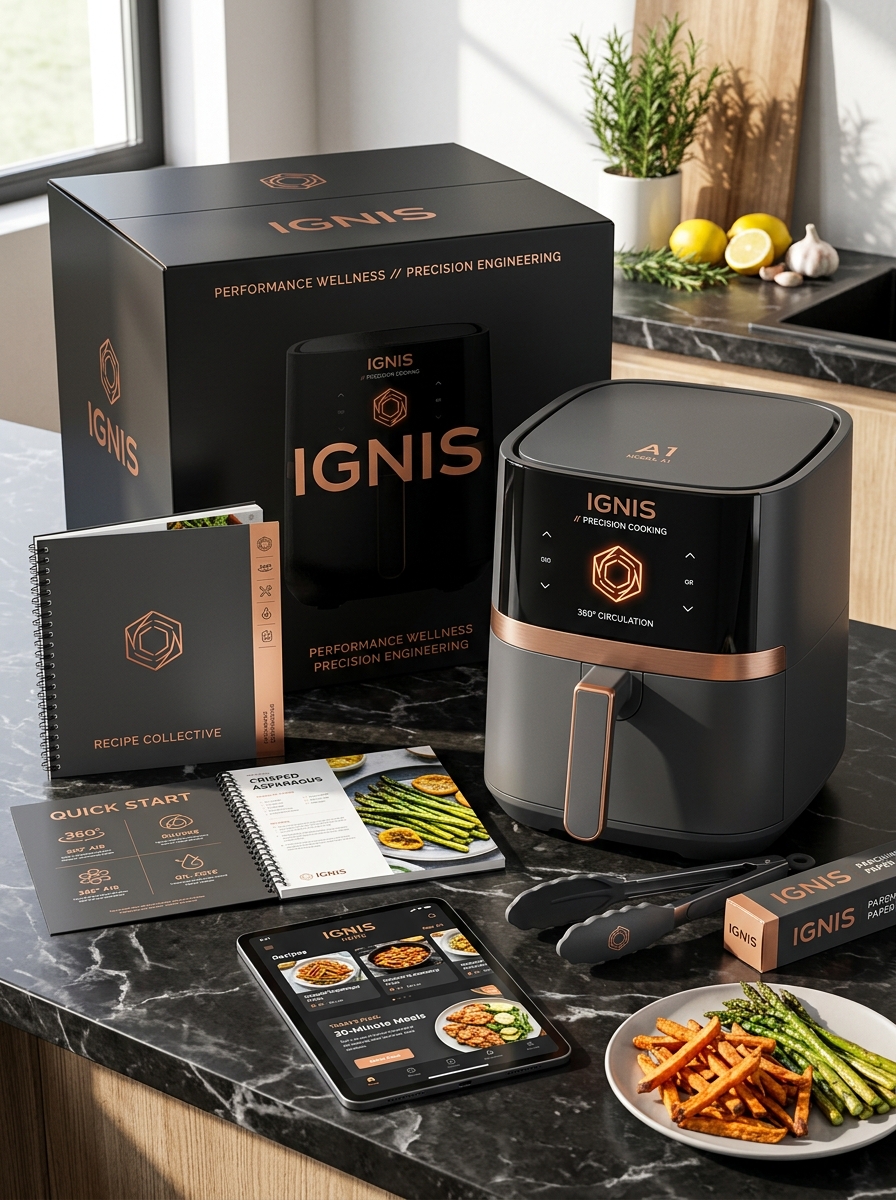
Elevating an air fryer from a basic kitchen appliance to a must-have lifestyle product begins with strategic packaging design. To capture the attention of modern consumers, brands must harmonize functional structural integrity with sophisticated visual aesthetics. This introduction explores the essential concepts of high-impact packaging, focusing on how premium product photography and clear typographic hierarchies drive consumer trust and brand recognition.
By integrating sustainable materials and cohesive storytelling, manufacturers can enhance both shelf presence and the tactile unboxing experience. We delve into specific guidelines for using color theory and technical specification layouts to differentiate products in the small appliance market. Mastering these visual aesthetic principles ensures that your packaging not only protects the technology inside but also communicates innovation and quality at a single glance.
Understanding the Role of Packaging in the Air Fryer Market
Packaging plays a pivotal role in the air fryer industry, serving as both a protective barrier and a powerful marketing tool. Given the delicate nature of internal components like heating elements and convection fans, robust packaging is essential to prevent damage during transit. Beyond safety, the box serves as the first point of physical contact for the consumer.
Effective packaging design highlights key selling points, such as quart capacity, wattage, and preset functions, influencing purchasing decisions in retail environments. Furthermore, as sustainability becomes a priority, manufacturers are shifting toward eco-friendly, recyclable materials to appeal to environmentally conscious shoppers. Ultimately, high-quality packaging enhances the unboxing experience, reinforcing brand value and ensuring the appliance arrives in peak condition for optimal kitchen performance.
Defining Brand Visuals with Strategic Color Theory
In the competitive air fryer market, brand visuals leverage color theory to influence consumer psychology and communicate product value. Strategic palettes are essential for establishing a distinctive market presence. For example, matte black and stainless steel finishes evoke professional-grade durability and modern sophistication, appealing to tech-savvy home cooks.
Conversely, crisp white or pastel tones emphasize cleanliness and health-conscious living. Many brands also integrate vibrant accent colors like red or orange in digital displays to stimulate appetite and signal high-energy performance. By aligning color schemes with emotional triggers-such as the reliability of blues or the freshness of greens-manufacturers differentiate their appliances, ensuring the air fryer resonates with the aesthetic aspirations and lifestyle of the target audience.
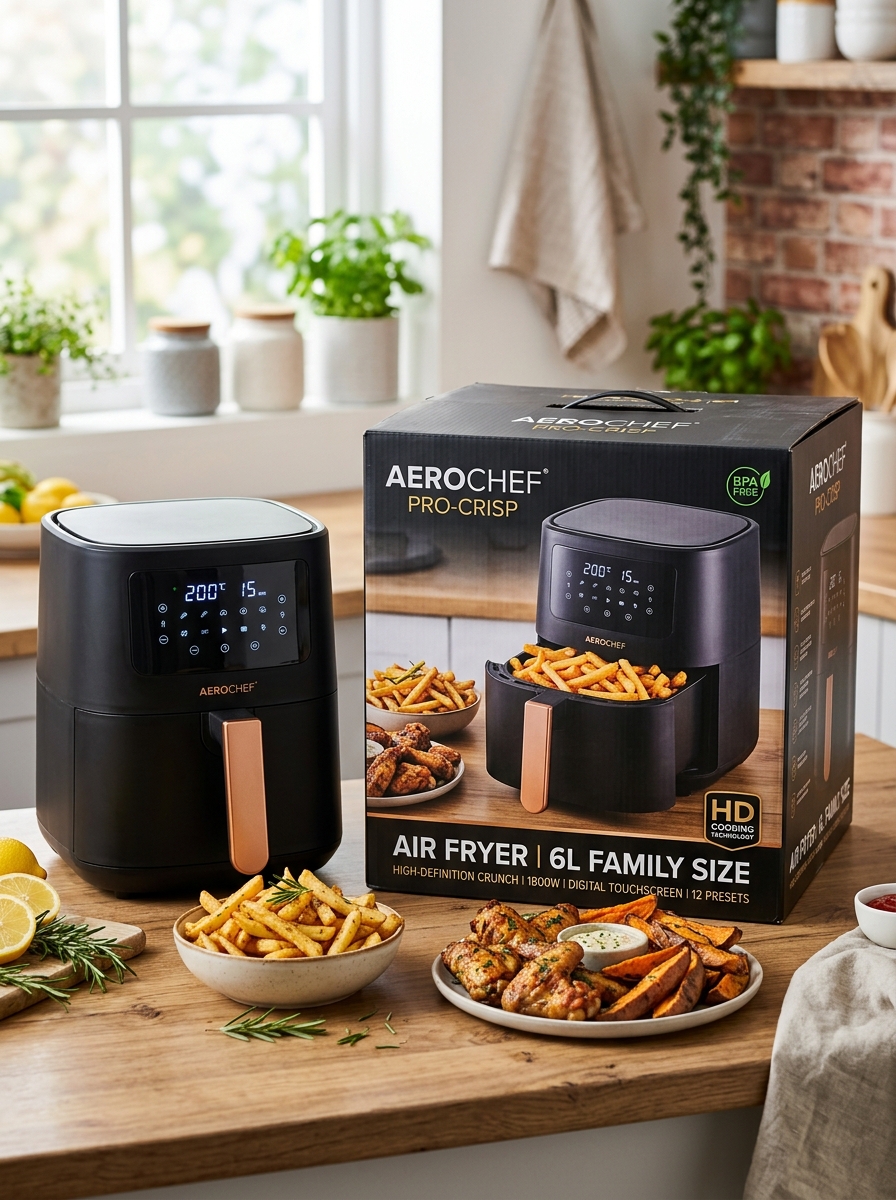
Leveraging High Definition Food and Product Photography
High-definition food and product photography is essential for showcasing the unique capabilities of a modern air fryer. By utilizing sharp imagery and macro shots, brands can effectively highlight the "golden-brown" texture and characteristic crispiness achieved through rapid air circulation without excessive oil.
HD visuals allow consumers to perceive fine culinary details, such as the flaky crust of a pastry or the succulent moisture of roasted meats. From a marketing perspective, professional photography improves user engagement and conversion rates by building trust in the appliance's performance.
Semantic optimization through high-resolution galleries ensures that the air fryer's versatility-ranging from dehydrating to intensive frying-is communicated clearly. Ultimately, premium photography bridges the gap between healthy cooking claims and delicious, tangible results, making the appliance indispensable for the modern, health-conscious kitchen.
Structuring Technical Specifications for Maximum Readability
Optimizing air fryer technical specifications requires a strategic balance of precision and accessibility. To enhance scannability and SEO, data should be organized using structured HTML elements that highlight core performance metrics.
- Capacity: Define internal volume clearly in quarts or liters (e.g., 5.8 QT).
- Power Output: Detail wattage (e.g., 1700W) to indicate heating efficiency.
- Dimensions: Provide exact height, width, and depth for counter-space planning.
- Temperature Range: Specify the functional span, typically 150°F to 400°F.
Using semantic tags like <ul> and <strong> helps search engines index critical product attributes. This structured approach ensures users can quickly compare features like basket material or safety certifications, reducing friction in the purchasing journey and improving user experience.
Selecting Durable Materials for Protection and Portability
When choosing air fryer accessories or portable storage solutions, selecting the right materials is essential for long-term durability and appliance safety. High-quality carrying cases typically utilize heavy-duty nylon or 600D Oxford fabric, providing a tear-resistant exterior that shields the unit from dust, moisture, and scratches.
For enhanced protection, look for padded internal linings or EVA hard-shell designs that absorb shocks during travel. Portability is further improved by reinforced stitching on handles and adjustable shoulder straps, ensuring the weight of the air fryer is distributed evenly. Additionally, heat-resistant interior coatings allow for safer storage shortly after cooking. By prioritizing these robust materials, you ensure your air fryer remains protected, functional, and easy to transport for camping, tailgating, or travel.
Creating a Memorable Premium Unboxing Journey
A premium air fryer unboxing journey begins the moment the package arrives. To elevate the customer experience, luxury brands prioritize high-quality, sustainable materials and intuitive structural design. Every layer is crafted to build anticipation, from the sleek outer graphics to the custom-molded inserts that secure the appliance during transit.
Inside, the experience is defined by organization and clarity. Including a high-gloss recipe book and a simplified quick-start guide ensures an effortless transition from box to kitchen counter. Premium touches, such as soft-touch finishes and minimal plastic waste, reinforce the product's high-end positioning.
This tactile engagement builds immediate brand loyalty. By focusing on both aesthetics and functionality, manufacturers transform a simple delivery into a celebration of health and modern kitchen innovation, ensuring the user feels the value of their investment before the first use.
Implementing Sustainable and Eco Friendly Packaging Materials
As the demand for energy-efficient cooking grows, leading air fryer manufacturers are prioritizing sustainable and eco-friendly packaging materials to minimize their environmental footprint. Transitioning away from traditional Styrofoam and single-use plastics, brands now utilize recycled corrugated cardboard and molded pulp inserts to secure the appliance and its accessories during transit.
These biodegradable packaging solutions, often paired with soy-based inks, ensure that the entire unboxing experience is environmentally responsible. By adopting a circular economy approach, air fryer companies ensure that shipping materials are 100% recyclable or compostable. This commitment to green logistics appeals to eco-conscious consumers who value both healthy oil-free cooking and planetary health. Implementing plastic-free protective buffers reduces landfill waste while maintaining the high durability required for shipping heavy kitchen appliances.
Balancing Minimalist Aesthetics with Feature Highlights
Modern air fryer design focuses on the intersection of visual simplicity and high-performance functionality. To achieve a minimalist aesthetic, manufacturers utilize matte finishes, hidden-until-lit LED displays, and seamless touch interfaces that reduce visual clutter on the kitchen countertop.
However, effective design must also emphasize key feature highlights. Top-tier models integrate advanced technology-such as rapid heat circulation, customizable presets, and wide temperature ranges-into a compact footprint. By prioritizing streamlined silhouettes and recessed handles, these appliances offer a sophisticated look without sacrificing capacity or power.
This balance ensures that the air fryer serves as both a stylish accessory and a powerful culinary tool. Choosing a model that harmonizes subtle design with robust features allows for efficient, healthy cooking while maintaining a clean, modern kitchen environment.
Designing for Visibility in Competitive Retail Environments
In the saturated air fryer market, retail visibility is the primary driver of consumer acquisition. To stand out amongst dozens of competitors, manufacturers must prioritize eye-catching packaging and sleek product aesthetics that communicate modern functionality at a glance. Effective design utilizes bold typography and high-contrast imagery to highlight core benefits, such as oil-free frying and rapid heat technology.
Beyond the box, the physical silhouette of the appliance must appeal to contemporary kitchen trends, often featuring matte finishes or stainless steel accents. Strategic placement of "hero features"-like intuitive digital touchscreens or transparent viewing windows-instantly differentiates premium models from budget alternatives. By aligning industrial design with shelf-appeal strategies, brands ensure their air fryers capture immediate consumer attention in both physical aisles and digital marketplaces.
Adapting Packaging Graphics for Digital and Mobile Commerce
As the air fryer market expands globally, manufacturers are redesigning packaging to excel in digital and mobile commerce environments. Unlike physical retail shelves, online marketplaces require "mobile-ready hero images" that prioritize clarity on small smartphone screens. This adaptation involves simplifying visual elements and amplifying key product attributes.
To optimize for e-commerce, graphics now emphasize critical data points-such as quart capacity, wattage, and preset functions-using high-contrast colors and enlarged typography. By stripping away secondary marketing clutter, brands ensure that the air fryer's unique value proposition is instantly recognizable to thumb-scrolling shoppers. Strategic digital packaging design not only improves click-through rates but also reduces consumer hesitation by providing essential information at a glance, ultimately driving higher conversion rates in a competitive online landscape.
Leave a comment