
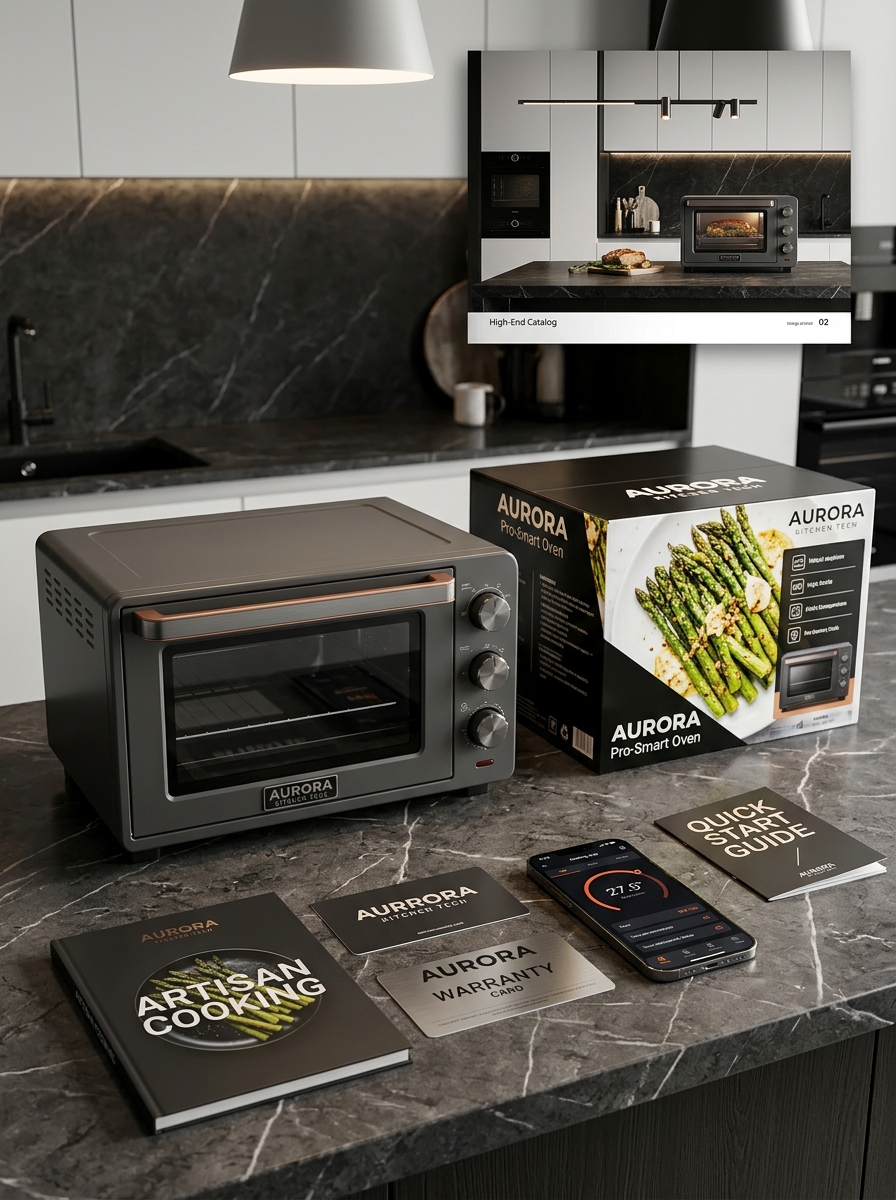
As kitchen technology evolves, innovative toaster oven packaging has transitioned from basic corrugated protection into a sophisticated medium for brand storytelling. Modern manufacturers are now prioritizing essential design concepts that blend structural integrity with sleek, modern aesthetics to dominate the retail landscape.
This shift reflects a deeper understanding of consumer behavior, where the unboxing experience is as vital as the appliance itself. By utilizing minimalist layouts, vibrant high-definition printing, and eco-friendly materials, brands can communicate premium quality before the box is even opened. Understanding these design shifts is crucial for manufacturers aiming to align with contemporary lifestyle trends and functional durability. This guide examines the intersection of high-performance engineering and visual artistry in the small appliance industry.
The Evolution of Toaster Oven Packaging Aesthetics
The visual identity of toaster oven packaging has transitioned from basic utility to sophisticated brand storytelling. In the early decades, packaging was primarily functional, featuring plain corrugated cardboard and simple monochromatic text. As the kitchen appliance market expanded, manufacturers adopted full-color lithography to showcase high-definition images of perfectly toasted bread and roasted meals, aiming to trigger sensory appeals at the point of sale.
Today, aesthetics lean toward minimalism and lifestyle integration. Modern boxes often utilize matte finishes, clean typography, and eco-friendly materials to align with contemporary consumer values. This evolution reflects a shift from highlighting mere technical specifications to promoting a premium "unboxing experience." By blending product photography with sleek graphic design, brands now use packaging to communicate quality, versatility, and modern kitchen elegance.
Defining Visual Identity Through Minimalist Graphic Design
In the context of a modern toaster oven, minimalist graphic design is essential for establishing a premium visual identity. This design philosophy focuses on "less is more," utilizing clean lines, high-contrast typography, and intuitive iconography to enhance the user interface. By stripping away unnecessary ornamentation, brands create a sophisticated aesthetic that emphasizes functional clarity and ease of use.
A minimalist approach ensures that control panels and digital displays are uncluttered, allowing users to navigate cooking modes and temperature settings effortlessly. This strategic use of negative space and geometric balance not only improves the user experience but also allows the appliance to blend seamlessly into contemporary kitchen environments. Ultimately, minimalist graphic design transforms a utility-focused toaster oven into a statement piece of modern industrial art, communicating reliability and high-end performance through understated elegance.
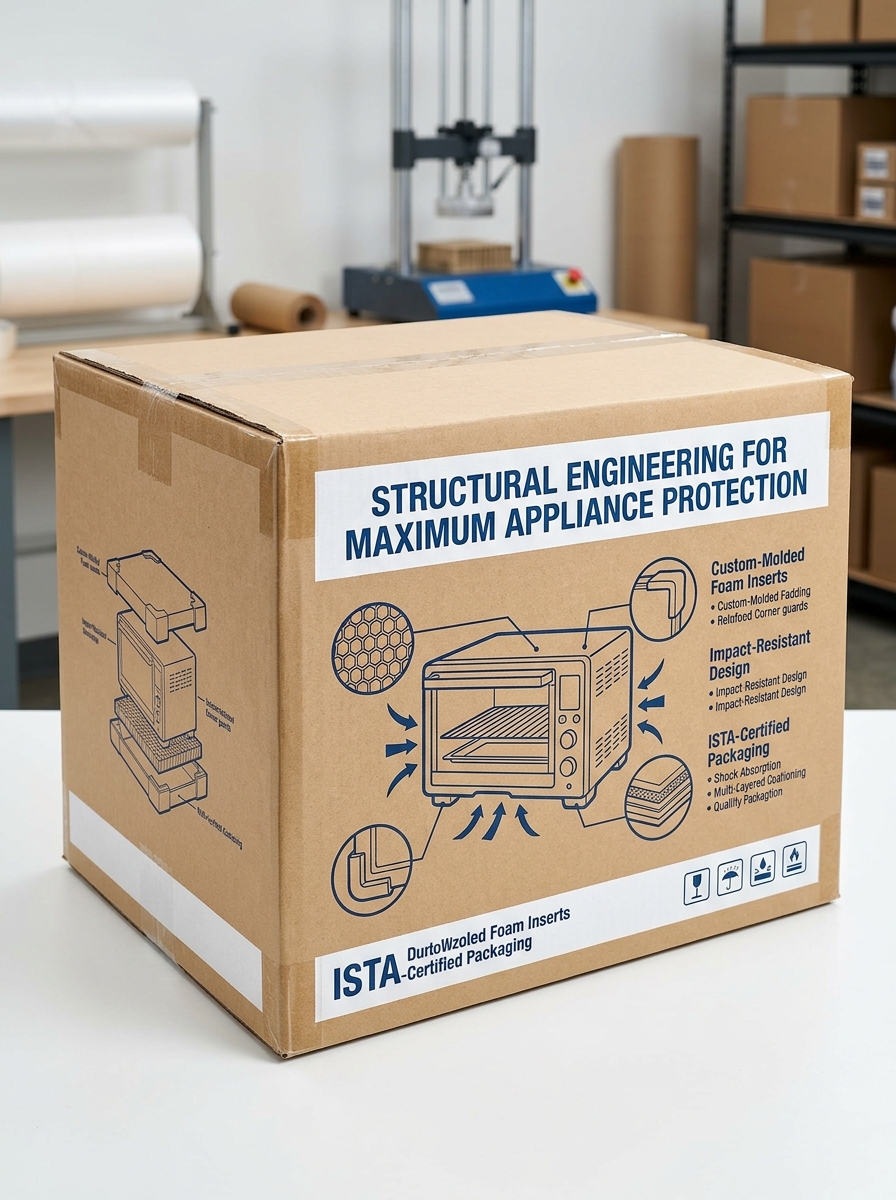
Structural Engineering for Maximum Appliance Protection
Superior toaster oven durability relies on advanced structural engineering designed to withstand extreme thermal cycles. To ensure maximum appliance protection, manufacturers utilize reinforced stainless steel chassis and double-wall insulation. This robust architecture serves two purposes: it maintains consistent internal temperatures for precise cooking and creates a thermal barrier that protects sensitive internal electronics from heat-induced failure.
Strategic engineering also incorporates heat-resistant tempered glass and high-grade silicone seals to prevent energy loss and structural warping. Integrated ventilation pathways and heat sinks are semantically positioned to facilitate airflow, keeping the exterior housing cooler and safer for countertop use. By prioritizing structural integrity and high-impact materials, these appliances offer enhanced longevity, resisting both physical wear and the rigors of high-heat convection environments.
Sustainable Material Selection in Modern Kitchenware Branding
Modern kitchenware branding increasingly prioritizes sustainability, focusing on the lifecycle and environmental impact of appliances like the toaster oven. Leading manufacturers are transitioning from conventional plastics to high-grade stainless steel, recycled aluminum, and tempered glass. These materials are chosen for their durability, recyclability, and superior heat distribution, which enhances energy efficiency during cooking.
Eco-conscious brands also emphasize PFAS-free and PFOA-free interior coatings to ensure non-toxic food preparation. Beyond the appliance itself, sustainable branding extends to plastic-free, biodegradable packaging. By selecting responsibly sourced materials, toaster oven brands reduce their carbon footprint while appealing to environmentally aware consumers. This strategic shift toward green materials promotes a circular economy and ensures that kitchen technology is built to last, significantly reducing long-term electronic waste.
Information Hierarchy and Technical Specification Layouts
Effective information hierarchy for toaster ovens prioritizes user intent by organizing data from broad utility to technical precision. Structured layouts begin with primary value propositions, such as convection capabilities or cooking presets, followed by granular technical details.
Standardized technical specification layouts typically include:
- Internal Capacity: Measured in cubic feet or bread slice count.
- Power Output: Rated in wattage (e.g., 1500W–1800W) for heating efficiency.
- Temperature Range: Specific increments, often ranging from 150°F to 450°F.
- Footprint: Precise external dimensions to ensure countertop compatibility.
Utilizing semantic HTML structures like tables or definition lists ensures that these specifications are machine-readable. This optimization improves SEO visibility and assists shoppers in making rapid, data-driven comparisons between different toaster oven models.
Optimizing the Unboxing Experience for the Modern Consumer
The unboxing journey is a critical first touchpoint for modern toaster ovens, transforming a simple delivery into a premium brand interaction. To satisfy today's consumer, manufacturers prioritize ergonomic packaging design that ensures the appliance is easily accessible and safe to lift.
An optimized experience includes several key semantic elements:
- Sustainable Materials: Replacing non-recyclable foam with eco-friendly, molded pulp inserts.
- Clear Documentation: Positioning quick-start guides and safety manuals prominently to reduce setup friction.
- Protective Engineering: Using specialized films to prevent scratches on stainless steel or glass surfaces during transit.
By streamlining the transition from box to countertop, brands enhance customer satisfaction and reinforce the perceived quality of the kitchen appliance. A seamless unboxing fosters immediate trust and encourages long-term consumer loyalty.
Strategic Color Palettes for High-End Countertop Appliances
In the luxury appliance market, color selection for premium toaster ovens is a deliberate fusion of industrial design and consumer psychology. Manufacturers prioritize finishes that signal durability and sophistication, such as brushed stainless steel, matte black, and graphite. These palettes are engineered to integrate seamlessly into modern kitchens, complementing high-end cabinetry and stone countertops.
Beyond standard neutrals, high-performance models often feature metallic accents in champagne gold or copper to denote exclusivity. Furthermore, the rise of "statement" appliances has introduced deep hues like navy blue and forest green, allowing the toaster oven to serve as a visual focal point. These strategic color choices are more than aesthetic; they utilize high-quality coatings that resist fingerprints and maintain a pristine appearance under the rigorous heat conditions typical of professional-grade countertop ovens.
Integrating Smart Features and QR Connectivity in Packaging
Modern toaster ovens are evolving through the integration of IoT technology and intelligent functionalities. By incorporating QR connectivity directly onto the packaging, manufacturers provide a seamless bridge between the physical appliance and its digital ecosystem.
Scanning these specialized codes offers consumers immediate access to essential resources, including:
- Interactive digital manuals and step-by-step setup videos.
- Direct links to mobile apps for remote temperature monitoring and control.
- Curated cloud-based recipe libraries optimized for specific oven presets.
This digital-first approach enhances the user experience by simplifying the unboxing process and reducing environmental waste from bulky printed materials. As smart home integration grows, QR-enabled packaging serves as a vital touchpoint for consumer engagement, ensuring users can leverage their appliance's full technological potential immediately upon arrival.
The Impact of Retail Shelf Presence versus E-commerce Shipping
For toaster oven manufacturers, packaging strategies must pivot between visual marketing and logistical durability. Retail shelf presence relies on high-impact graphics and compact box dimensions to capture consumer attention and maximize limited display space. In this environment, the box serves as a silent salesperson, emphasizing features like convection settings or capacity.
Conversely, e-commerce shipping prioritizes structural integrity. Toaster ovens are heavy yet fragile appliances; therefore, online fulfillment requires reinforced internal cushioning and "Ship In Own Container" (SIOC) designs to prevent transit damage. While retail packaging focuses on aesthetic allure, e-commerce packaging targets logistical efficiency-reducing dimensional weight to lower shipping costs.
Ultimately, successful brands must balance these channels to ensure the product is both "buyable" on a shelf and "shippable" to a doorstep without incurring high return rates.
Future Horizons in Interactive and Eco-Conscious Design
The evolution of the toaster oven is moving toward a fusion of smart connectivity and environmental responsibility. Future designs prioritize interactive technology, featuring intuitive touch interfaces and IoT integration that allows users to monitor cooking precision via mobile applications. These advancements streamline the user experience while ensuring optimal heat distribution.
Parallel to functionality, eco-conscious engineering is redefining manufacturing standards. Next-generation models utilize high-efficiency quartz heating elements and enhanced thermal insulation to minimize energy consumption and heat loss. By incorporating sustainable materials and modular components, manufacturers are reducing the carbon footprint and electronic waste associated with kitchen appliances. This shift toward green innovation ensures that the modern toaster oven remains a high-performance, energy-efficient tool for the environmentally aware consumer.
Leave a comment