
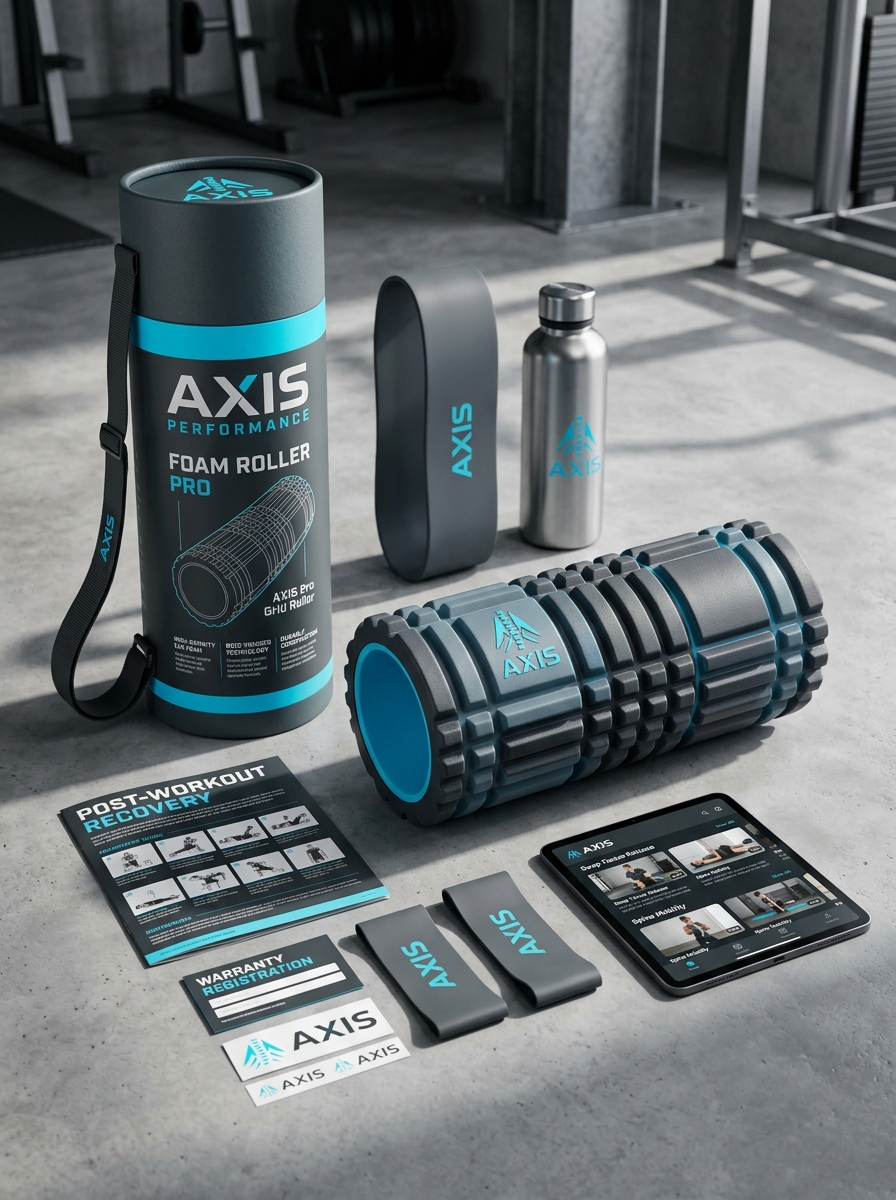
In the fitness and recovery industry, a product's first impression often occurs long before the customer feels the density of the foam. Foam roller packaging must strike a delicate balance between structural durability and visual allure to forge a lasting brand identity. Effective design transcends simple containment; it serves as a silent ambassador, communicating performance and wellness through strategic color palettes, bold typography, and tactile finishes.
By integrating minimalist aesthetics with sustainable materials, manufacturers can capture the attention of eco-conscious athletes while emphasizing product quality. Understanding these essential design principles ensures that your fitness tools not only command shelf presence but also build meaningful consumer trust. Focusing on clarity and brand storytelling transforms standard shipping boxes into premium retail experiences that resonate deeply with health-focused demographics.
Defining Brand Identity Through Visual Consistency
Establishing a strong brand identity for a foam roller line requires meticulous visual consistency across all marketing channels. By harmonizing color palettes, typography, and logo placement, manufacturers cultivate immediate brand recognition in a crowded fitness market. Whether producing high-density EVA foam rollers or specialized deep-tissue tools, maintaining a cohesive aesthetic reinforces perceived product quality and professional reliability.
Consumers often associate consistent visual cues with trusted recovery standards, fostering long-term brand loyalty. Strategic design choices-such as using calming tones for physical therapy equipment or bold, high-contrast colors for athletic performance gear-help define the target audience. Ultimately, visual uniformity ensures that your foam roller stands out on the shelf and aligns perfectly with the holistic wellness journey of the end-user.
Strategic Typography for Clear Information Hierarchy
In the context of foam roller instructionals, strategic typography is vital for organizing complex recovery protocols. By utilizing a clear information hierarchy, manufacturers and fitness experts ensure that users can quickly distinguish between muscle groups, specific techniques, and safety warnings.
- Headings: Use bold, larger fonts to identify the target area, such as "Quadriceps" or "Thoracic Spine."
- Subheadings: Direct the user toward specific actions like "Placement" or "Movement Pattern."
- Emphasis: Utilize italics or bold weights for critical cues regarding pressure intensity and duration.
Proper typographic scaling reduces cognitive load, allowing athletes to scan guides efficiently during active recovery sessions. This semantic structure ensures that myofascial release instructions are accessible, legible, and easy to follow, ultimately improving the user's rolling technique and overall safety.
Leveraging Color Psychology for Fitness Branding
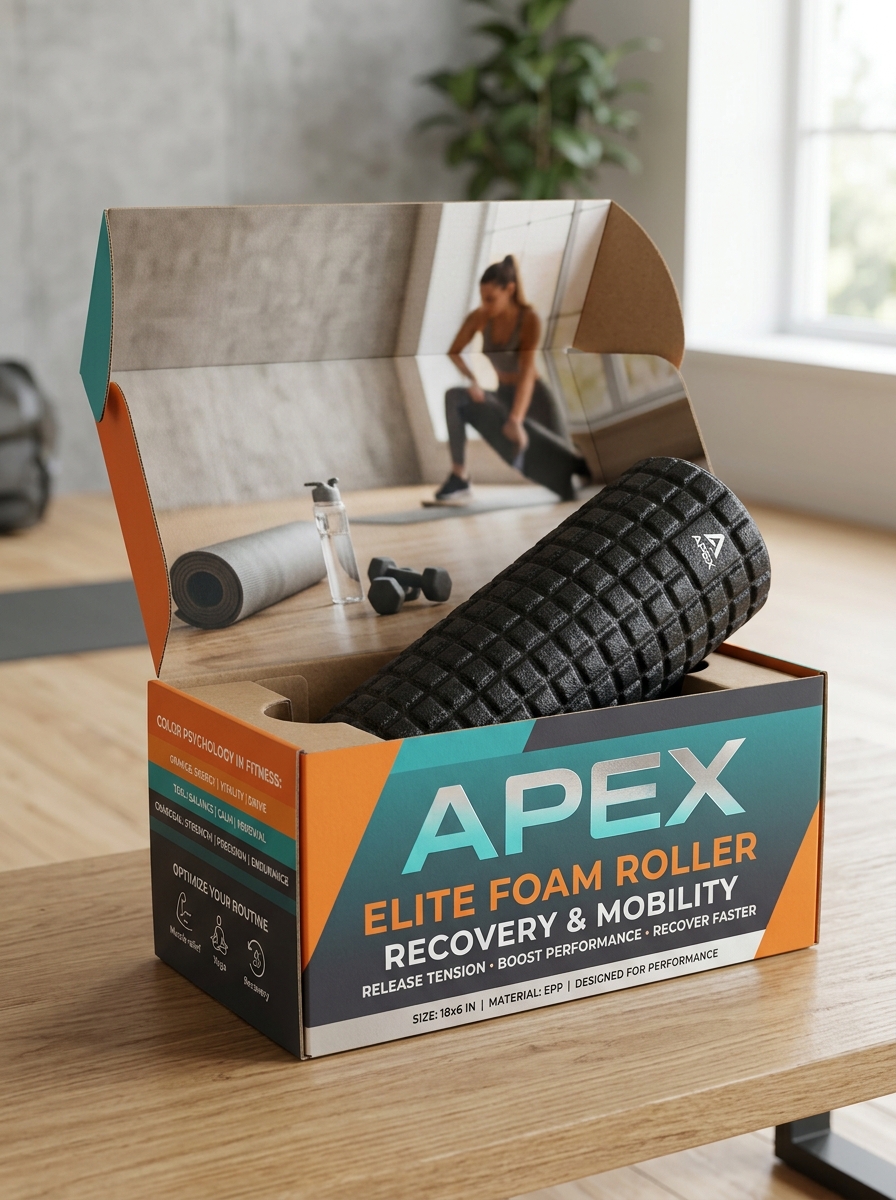
In the competitive foam roller market, color psychology is a strategic tool used to influence consumer behavior and brand perception. Fitness brands carefully select specific palettes to communicate the primary function and intensity of their recovery tools.
- High-Energy Hues: Vibrant reds, oranges, and bright yellows signal intensity and power, appealing to athletes focused on pre-workout muscle activation.
- Restorative Tones: Cool blues and greens evoke tranquility and healing, aligning perfectly with the myofascial release and relaxation goals of post-workout recovery.
- Professional Neutrals: Deep blacks and charcoals suggest durability and medical-grade quality, often targeting professional therapists and serious enthusiasts.
By leveraging these visual cues, brands can differentiate their products, establish an emotional connection with users, and subconsciously reinforce the specific wellness benefits of their foam rolling equipment.
Sustainable Material Selection and Eco-Friendly Design
Modern foam rollers are prioritizing environmental responsibility through sustainable material selection and eco-friendly design. Manufacturers are shifting away from traditional petroleum-based plastics toward renewable resources like natural cork, which is harvested without harming trees, and biodegradable TPE (Thermoplastic Elastomer).
High-quality eco-conscious rollers often utilize recycled EVA foam, reducing landfill waste while maintaining structural integrity for deep tissue recovery. These sustainable options are typically free from harmful chemicals, PVC, and phthalates, ensuring a non-toxic user experience. Furthermore, the longevity of these materials promotes a "buy less, last longer" philosophy, significantly lowering the carbon footprint of your fitness gear. Choosing a roller with closed-cell technology also ensures moisture resistance and hygiene without the need for harsh antimicrobial coatings, blending peak performance with planetary care.
Instructional Graphics and User Guidance Integration
Modern foam rollers prioritize user safety and effectiveness by integrating visual aids directly into the product design. High-density rollers often feature laser-engraved diagrams or printed instructional graphics that demonstrate essential self-myofascial release (SMR) techniques for various muscle groups.
This seamless guidance integration assists users in:
- Targeting Muscle Groups: Visuals help identify precise areas like the IT band, quadriceps, and thoracic spine.
- Ensuring Proper Form: Diagrams illustrate correct body positioning to prevent strain or injury.
- Digital Connectivity: Many rollers include QR codes linking to video tutorials for real-time recovery coaching.
By combining physical equipment with educational resources, manufacturers transform a simple recovery tool into a comprehensive therapeutic device. This ensures that even beginners can accurately locate trigger points and optimize their myofascial therapy for better mobility and faster muscle repair.
Tactile Texture Representation and Surface Detailing
The tactile texture representation of a foam roller is specifically engineered to simulate professional massage techniques, facilitating effective myofascial release. Surface detailing varies significantly, ranging from smooth, uniform planes to complex 3D geometric patterns.
These architectural variations serve distinct therapeutic purposes:
- Smooth Textures: Provide consistent, superficial pressure ideal for general recovery and sensitive muscle groups.
- Grid and Ribbed Patterns: Specially designed to mimic the sensation of palms and fingers, improving circulation and targeting muscle knots.
- Distressed or Spiked Detailing: Delivers high-intensity trigger point therapy for deep tissue penetration and stubborn adhesions.
Advanced surface detailing enhances mechanical friction and grip, preventing slippage during movement. By manipulating texture density, rollers calibrate sensory feedback and pressure intensity, allowing for a customizable recovery experience tailored to specific physiological needs.
Optimizing the Unboxing Experience for Customer Loyalty
The unboxing experience serves as the critical first physical touchpoint in a user's fitness journey. For foam roller brands, this moment is essential for establishing long-term customer loyalty and increasing perceived value. Beyond mere protection, premium packaging should offer immediate utility.
To optimize this interaction, manufacturers can include high-value additions such as:
- QR codes linking to exclusive recovery exercise libraries.
- Printed quick-start guides for myofascial release.
- Eco-friendly materials that align with wellness brand values.
By providing educational resources at the moment of discovery, brands transition from selling a product to offering a muscle recovery solution. This strategic focus on the post-purchase experience reduces buyer's remorse, encourages brand advocacy, and ensures the foam roller remains a staple in the athlete's daily wellness routine.
Lifestyle Imagery for Emotional Audience Connection
Lifestyle imagery transcends basic product photography by placing the foam roller within the context of daily life. By showcasing the tool in authentic environments-such as a serene home yoga studio or a high-energy gym-brands create a relatable narrative that resonates with the user's personal wellness journey.
These visuals focus on the emotional benefits of muscle recovery, highlighting feelings of relief, vitality, and mindfulness. When potential customers see diverse individuals achieving physical liberation and tension release, they can better visualize themselves attaining similar results. This strategic use of emotive imagery transforms a simple fitness accessory into an indispensable partner for self-care and athletic performance, fostering a deeper, trust-based connection with an audience seeking both physical recovery and mental clarity.
Displaying Regulatory Compliance and Safety Standards
Ensuring consumer safety is paramount for foam roller manufacturers. Adhering to global regulatory standards demonstrates a commitment to quality and user well-being. High-quality rollers typically comply with REACH and RoHS certifications, guaranteeing that materials like EVA or EPE foam are free from harmful chemicals, lead, and heavy metals.
Furthermore, adherence to ASTM International standards ensures the structural integrity and weight-bearing capacity of high-density rollers, preventing material failure during deep tissue massage. Displaying the CE marking confirms compliance with European health and safety requirements. By prioritizing phthalate-free, non-toxic, and hypoallergenic materials, brands provide skin-safe equipment suitable for physical therapy. Transparently showcasing these compliance benchmarks builds consumer trust and confirms that the product meets rigorous industry safety and durability protocols.
Retail Shelf Presence and Competitive Differentiation
In the crowded fitness recovery market, establishing a dominant retail shelf presence for foam rollers is essential for capturing consumer attention. Effective competitive differentiation is achieved through high-impact packaging that highlights key product attributes such as EVA foam density, specialized surface textures, and material durability.
Brands stand out by utilizing transparent packaging cut-outs, allowing shoppers to physically feel the foam's firmness-a critical factor in the purchasing process. Strategic point-of-purchase displays and cohesive color-coding help distinguish between recovery levels, from soft rollers for beginners to firm, deep-tissue rollers for athletes. Incorporating sustainable materials and digital value-adds, like QR codes for instructional recovery guides, further separates premium brands from generic alternatives. Optimizing shelf placement and visual branding ensures maximum visibility and communicates quality in high-traffic retail environments.
Leave a comment