
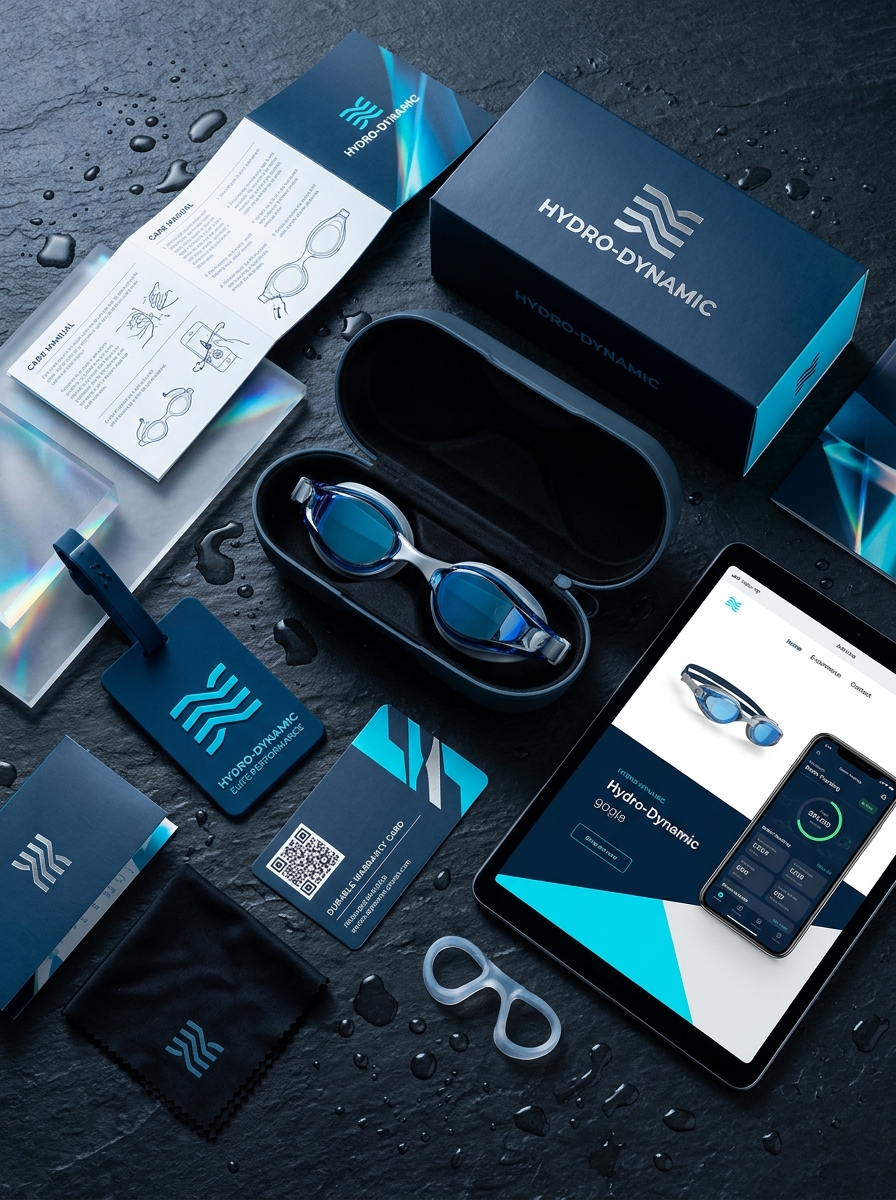
Elevating swim goggle packaging requires a strategic fusion of functional protection and high-impact visual aesthetics. Beyond merely housing the product, exceptional design serves as a silent salesperson, communicating clarity, comfort, and performance at a single glance. By mastering essential concepts such as structural durability and brand-aligned color palettes, manufacturers can create an immersive unboxing experience that resonates with both professional athletes and casual swimmers.
Modern retail environments demand packaging that stands out through innovative typography and sustainable material choices. This exploration into design mastery focuses on leveraging transparent elements and ergonomic shapes to showcase lens quality while reinforcing brand authority. Understanding the interplay between tactile finishes and underwater-inspired imagery is crucial for capturing consumer attention and conveying technical excellence in a crowded marketplace.
Understanding the Role of Packaging in Swimwear Branding
In the competitive swim goggles market, packaging serves as more than just a protective shell; it is a vital extension of swimwear branding. High-quality packaging communicates value, durability, and technical precision before a swimmer even enters the water.
Effective designs prioritize both aesthetics and functionality. For premium goggles, rigid cases protect delicate anti-fog coatings and UV-resistant lenses from scratches during transport. Furthermore, modern brands increasingly utilize sustainable, plastic-free materials to appeal to eco-conscious athletes and reinforce environmental commitment.
By integrating strategic typography and brand colors, manufacturers create an immersive unboxing experience. This visual storytelling differentiates professional racing gear from recreational equipment, fostering brand loyalty and ensuring the product stands out on crowded retail shelves or digital storefronts.
Material Selection for Durability and Product Protection
Choosing high-quality materials is vital for engineering swim goggles that withstand harsh aquatic environments. Polycarbonate is the preferred choice for lenses due to its exceptional impact resistance and inherent UV protection. This shatterproof material ensures user safety while maintaining optical clarity over time.
For gaskets and straps, surgical-grade silicone outperforms traditional rubber. Silicone is hypoallergenic, maintains flexibility in varying temperatures, and resists degradation caused by chlorine and saltwater. This durability prevents leaks and ensures a consistent, airtight seal.
Furthermore, anti-fog coatings and scratch-resistant treatments are applied to reinforce product longevity. By prioritizing these robust materials, manufacturers protect the structural integrity of the goggles, providing swimmers with reliable eye protection and a longer-lasting performance accessory for both competitive and recreational use.
Visual Hierarchy and Information Design for Athletes
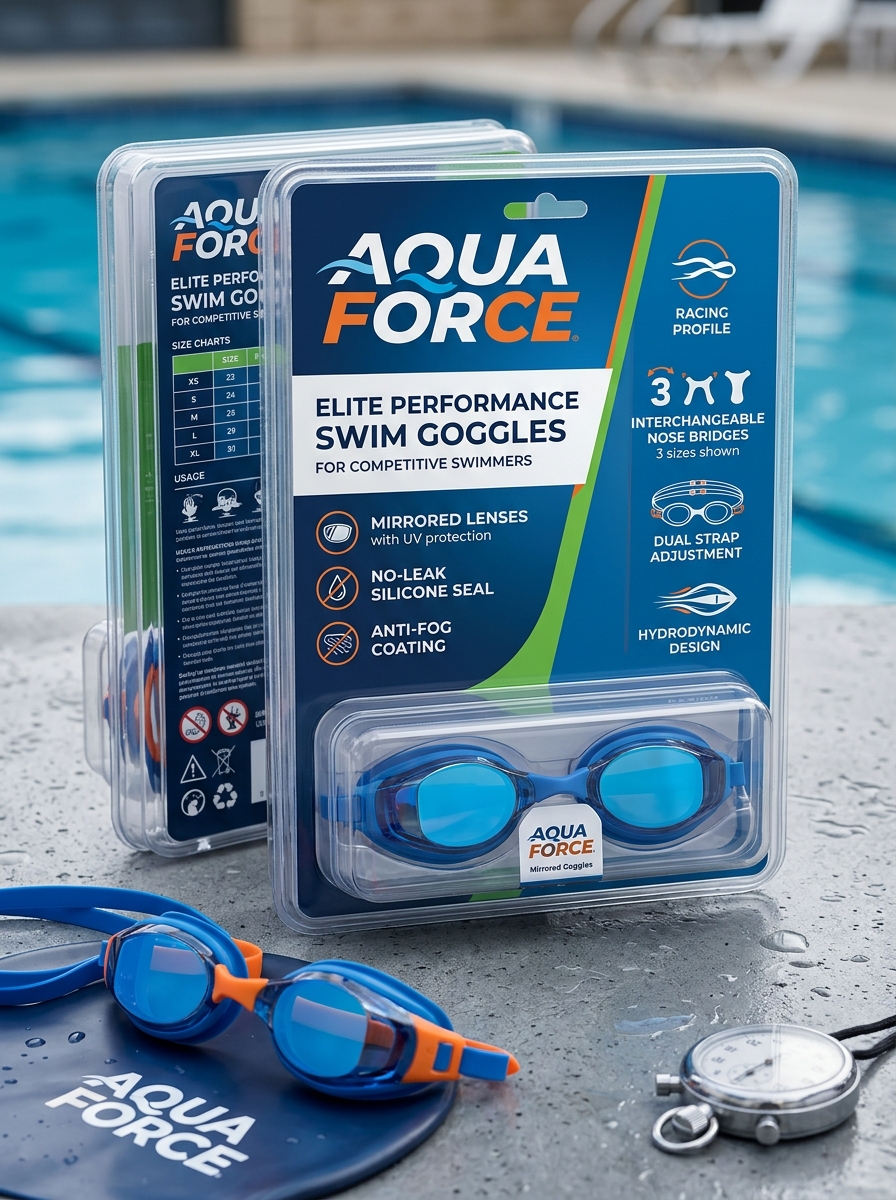
In high-performance swimming, visual hierarchy is essential for processing real-time data without compromising technique. Modern smart goggles utilize advanced information design to project critical metrics-such as lap times, distance, and heart rate-directly into the swimmer's field of vision.
- Primary Focus: Essential pacing data is positioned centrally to minimize eye movement and maintain focus.
- Peripheral Awareness: Secondary alerts often use color-coded indicators in the periphery to reduce cognitive load during intense intervals.
- Clarity and Contrast: High-contrast digital displays and anti-fog optics ensure data remains legible through turbulent water and varying light levels.
By prioritizing streamlined data delivery, manufacturers allow athletes to maintain optimal hydrodynamics while making instantaneous tactical adjustments based on real-time physiological feedback.
Balancing Transparency and Graphic Real Estate
In swim goggle design, engineers must navigate the technical tension between optical clarity and brand aesthetics. Transparency is paramount for underwater safety and performance, ensuring swimmers maintain an unobstructed line of sight and critical peripheral vision. However, graphic real estate-the surface area utilized for logos, patterns, and decorative elements-is essential for market differentiation and athlete style.
Achieving this balance requires strategic placement. High-performance goggles often relegate bold graphics to the silicone gaskets or the outermost edges of the polycarbonate lens. Advanced manufacturing techniques, such as mirrored coatings and gradient tints, allow for vibrant external visuals without compromising the swimmer's internal field of view. This synergy ensures that the eyewear remains a functional tool for navigation while serving as a high-impact canvas for branding.
Ergonomic Structural Design for the Retail Shelf
Modern swim goggles demand an ergonomic structural design that balances wearer comfort with high-impact visual appeal on the retail shelf. By utilizing advanced 3D facial scanning technology, manufacturers create goggles with soft silicone gaskets that precisely mirror human orbital bone structures.
This structural precision offers several advantages for retail presentation and consumer confidence:
- Form Retention: Reinforced frames ensure the product maintains its aesthetic shape within the packaging.
- Universal Fit: Flexible nose bridges and intuitive strap tensioners signal versatility to a wide range of facial profiles.
- Leak-Proof Assurance: The visible contouring of the suction seals promises a pressurized, watertight fit without excessive skin irritation.
An ergonomic approach reduces the "try-on" barrier, as the design communicates immediate comfort and performance, making these goggles a standout choice for competitive and recreational swimmers.
Color Psychology and Performance Aesthetics
Swim goggle lens colors are more than a fashion statement; they are functional tools that influence visual clarity and psychological readiness. Selecting the right hue optimizes performance across varying aquatic environments. Smoke and mirrored lenses are essential for outdoor racing, as they reduce glare and eye fatigue in bright sunlight, providing a competitive edge by masking the swimmer's eyes to maintain focus.
Conversely, clear and amber lenses enhance light transmission in indoor pools or low-light conditions, sharpening contrast and depth perception. Blue and violet tones offer a versatile balance, neutralizing yellow light to reduce strain. From an aesthetic perspective, high-performance gear fosters psychological confidence. When athletes feel visually prepared and stylistically confident, they achieve a "flow state," directly impacting speed and technical precision during training and competition.
Sustainable Packaging Solutions for Marine Environments
Protecting our oceans starts long before a swimmer dives in. Traditional plastic cases for swim goggles often contribute to the global marine debris crisis. To combat this, leading brands are transitioning to sustainable packaging solutions designed to minimize environmental impact.
Key innovations include:
- Plastic-free housing: Utilizing FSC-certified cardboard and recycled paper.
- Compostable materials: Molded pulp inserts that break down naturally without leaving microplastics.
- Reusable storage: Breathable mesh bags that replace single-use disposables, extending product life.
By choosing eco-friendly packaging, swimmers help reduce the carbon footprint of their gear and prevent harmful waste from entering marine ecosystems. Prioritizing biodegradable and recyclable materials ensures that the high-performance eyewear we use to explore the water also helps preserve it for future generations.
Enhancing the Consumer Unboxing Experience
The unboxing journey for swim goggles is a critical touchpoint for establishing brand authority and customer satisfaction. To elevate this experience, manufacturers should focus on functional packaging that protects the product while reflecting a premium aesthetic.
- Protective Reusable Cases: Including a durable hard shell prevents scratches on mirrored lenses and maintains the integrity of silicone gaskets during transit.
- Informative Inserts: Providing clear, concise guides on anti-fog maintenance and strap adjustments adds immediate value and ensures product longevity.
- Sustainable Materials: Utilizing eco-friendly, recyclable inserts appeals to the environmentally conscious swimming community.
By prioritizing a seamless, high-quality presentation, brands can reduce initial product friction and foster long-term loyalty. A thoughtful unboxing experience transforms a simple utility item into a professional-grade piece of aquatic equipment.
Technical Specifications and Regulatory Compliance Labeling
High-performance swim goggles must adhere to strict engineering standards to ensure aquatic safety and optical precision. Technical specifications typically include impact-resistant polycarbonate lenses, hypoallergenic silicone gaskets, and UV400 protective coatings. These components are designed to withstand hydrostatic pressure and chlorine exposure while providing a leak-proof seal.
Regulatory compliance labeling confirms that the product meets international safety benchmarks. Essential identifiers include:
- ISO 18527-3:2020: The global standard for surface swimming eye protectors, replacing older BS 5883 benchmarks.
- CE and UKCA Marks: Indicates adherence to European and British Personal Protective Equipment (PPE) regulations.
- Latex-Free/Phthalate-Free: Certification ensuring material safety for sensitive skin.
Verifying these labels ensures the eyewear provides the necessary structural integrity, bridge strength, and ocular protection required for competitive and recreational environments.
Future Trends in Smart Goggle Packaging Design
As swim goggles evolve into sophisticated smart wearables, packaging design is shifting toward high-tech sustainability. Manufacturers are increasingly adopting biodegradable materials and molded pulp inserts to reduce environmental impact while maintaining a premium brand image.
Key trends shaping the future include:
- Functional Reusability: Packaging is being reimagined as durable, permanent storage cases to protect integrated sensors and heads-up displays (HUDs).
- Digital Integration: The use of QR codes and Augmented Reality (AR) on packaging allows users to access interactive setup guides and sync software instantly.
- Minimalist Aesthetics: Clean, compact designs reflect a tech-forward approach, reducing material waste while highlighting the product's advanced features.
These innovations ensure that smart goggle packaging is as functional, protective, and forward-thinking as the technology housed inside.
Leave a comment