
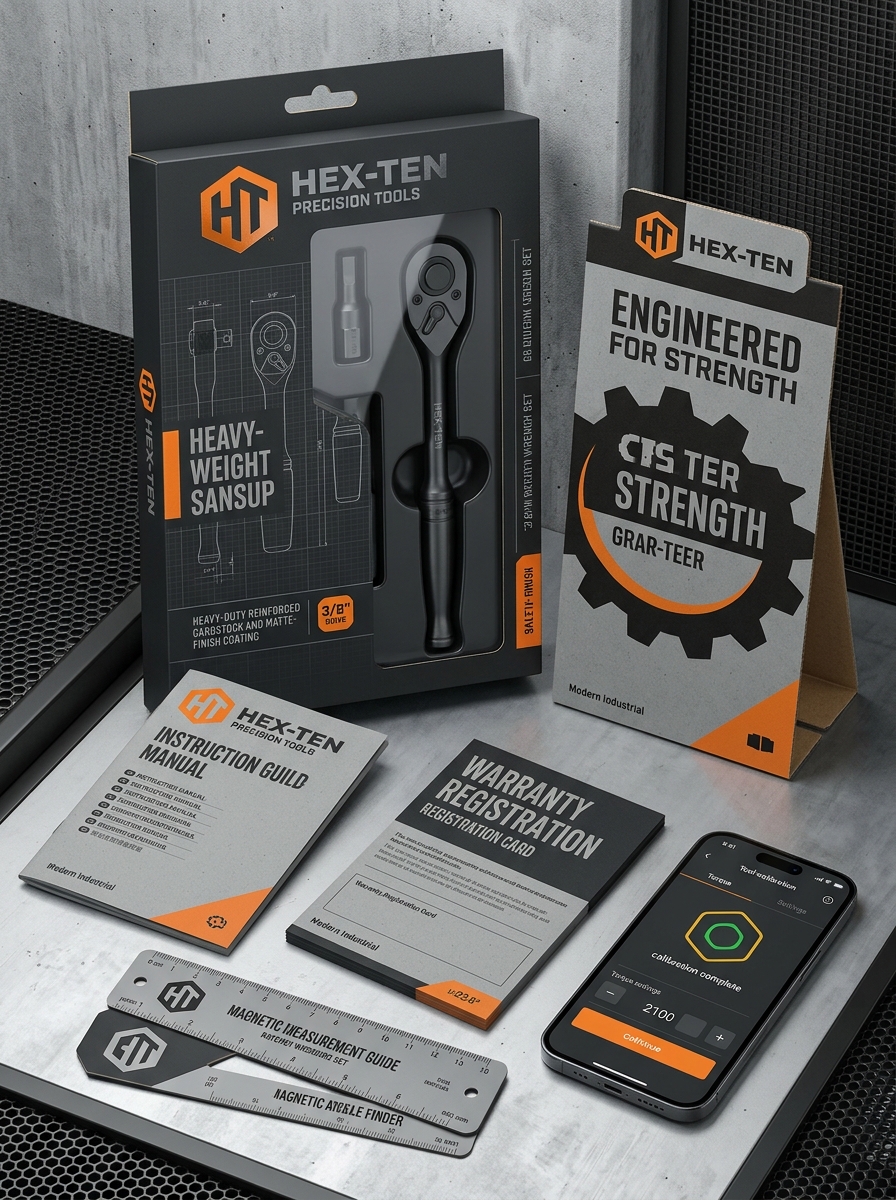
Mastering the art of adjustable wrench packaging design requires a strategic fusion of structural integrity and high-impact visual aesthetics. As a foundational tool in both professional and DIY kits, the wrench demands a presentation that communicates reliability, precision, and versatility at first glance.
By implementing robust conceptual frameworks, designers can optimize the unboxing experience while ensuring the product remains secure and visible on retail shelves. This exploration delves into the essential elements of hardware branding, focusing on how ergonomic layouts and balanced color palettes elevate the perceived value of hand tools. Understanding the intersection of industrial functionality and graphic appeal is paramount for creating packaging that resonates with discerning tradespeople and home enthusiasts alike, turning a simple utility into a premium brand experience.
Defining the Core Purpose of Hardware Packaging
For an adjustable wrench, hardware packaging serves as a critical interface between the manufacturer and the end-user. The primary purpose is protection; it shields the tool's moving parts, such as the knurl and worm gear, from moisture and debris that cause oxidation or mechanical seized-up.
Additionally, packaging provides essential technical data. Semantically optimized packaging clearly communicates jaw capacity, material composition-like chrome vanadium steel-and ergonomic features. From a retail perspective, it facilitates organized storage and theft prevention while ensuring the tool's calibration remains intact during transit. Ultimately, the packaging acts as a durable vessel that preserves the structural integrity and precision of the wrench, ensuring it is job-site ready upon removal.
Target Audience Personas for Professional Hand Tools
To optimize product positioning for the adjustable wrench, it is vital to identify the specific personas who rely on professional-grade hand tools for daily operations:
- Professional Tradespeople: Plumbers, HVAC technicians, and automotive mechanics who demand high-torque capacity, precision-machined jaws, and ergonomic grips to prevent hand fatigue during repetitive tasks.
- Industrial Maintenance Technicians (MRO): Specialists working in factory environments who value the versatility of a wide-capacity adjustable wrench to manage various fastener sizes without carrying an entire socket set.
- Construction Contractors: Professionals requiring durable, drop-forged steel tools that withstand harsh job site conditions and offer weather resistance.
- Advanced DIY Enthusiasts: Serious hobbyists who invest in premium tools for automotive restoration or home structural repairs, prioritizing longevity and ease of adjustment.
Focusing on these personas ensures the tool design meets rigorous industrial standards for safety and efficiency.
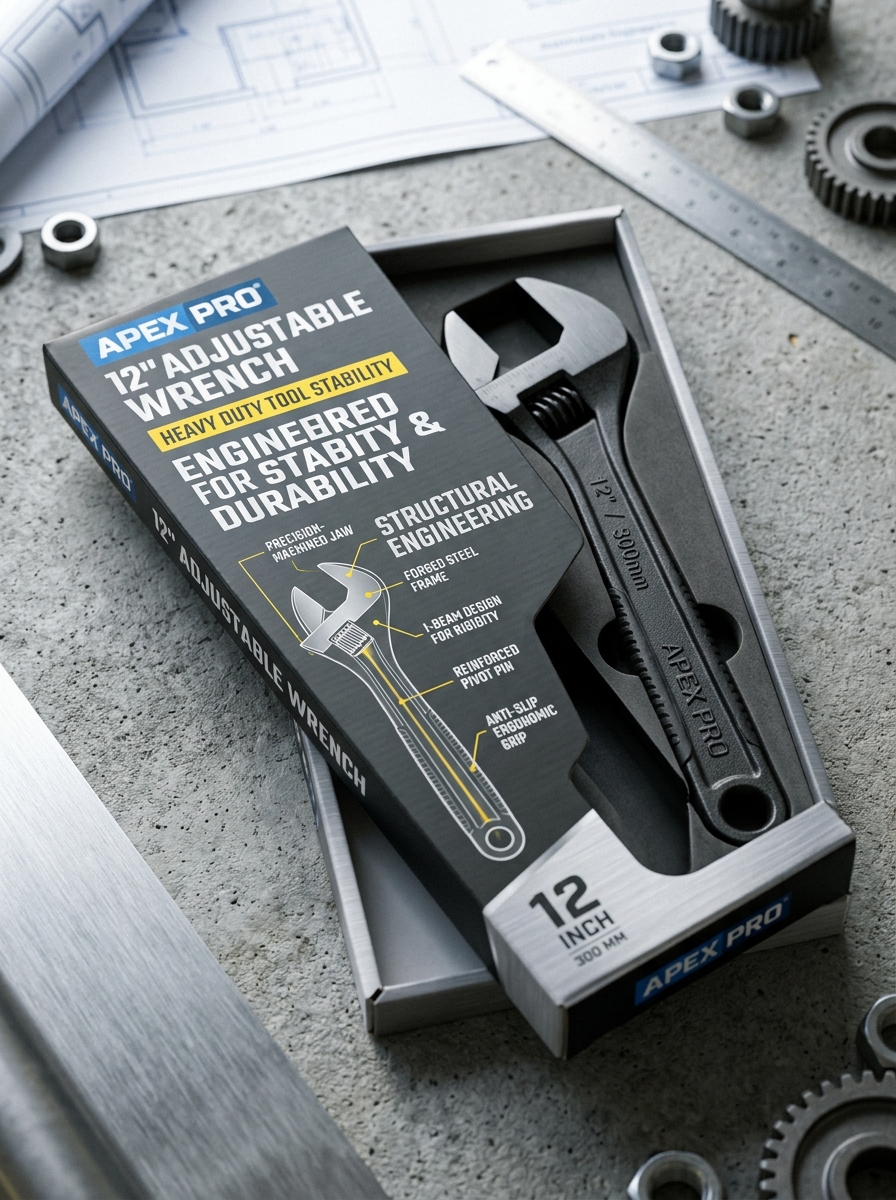
Structural Engineering for Heavy Duty Tool Stability
The structural integrity of a heavy-duty adjustable wrench relies on precision engineering to manage high-torque loads without mechanical failure. Stability is primarily achieved through the use of forged Chrome Vanadium (Cr-V) steel, which provides the necessary tensile strength and durability for industrial applications.
Key engineering features that ensure tool stability include:
- I-Beam Handle Design: Optimizes the strength-to-weight ratio, preventing handle flex under extreme pressure.
- Precision-Machined Knurls: Tight tolerances in the worm gear mechanism eliminate "jaw creep," maintaining a secure grip on fasteners.
- Reinforced Jaw Architecture: Thickened jaw profiles distribute stress evenly, reducing the risk of widening or snapping during high-leverage tasks.
These structural optimizations ensure that the tool remains rigid, providing the user with consistent leverage and enhanced safety in demanding environments.
Material Innovation and Sustainable Packaging Solutions
Modern adjustable wrenches are undergoing a transformation driven by material innovation and eco-conscious manufacturing. Leading manufacturers now utilize high-grade Chrome Vanadium (Cr-V) steel and advanced heat-treatment processes to maximize torque capacity and corrosion resistance. These metallurgical advancements ensure a longer tool lifespan, reducing the need for frequent replacements.
Simultaneously, the industry is adopting sustainable packaging solutions to minimize environmental impact. This shift includes replacing traditional blister packs with 100% recyclable, FSC-certified cardboard and biodegradable inserts. By utilizing soy-based inks and reducing plastic components, brands are significantly lowering their carbon footprint. This dual focus on durable alloy construction and eco-friendly packaging meets the demands of professional tradespeople while supporting global sustainability goals for a circular economy.
The Psychology of Color in Industrial Design
In the design of an adjustable wrench, color serves as a critical communication tool beyond simple aesthetics. Industrial designers strategically select colors to influence user behavior, safety, and brand perception. For example, high-visibility yellow or safety orange is frequently applied to ergonomic grips to ensure the tool is easily located in dim environments and to signal caution.
Furthermore, chrome-plated finishes or black oxide coatings are not just for corrosion resistance; they evoke a sense of professional-grade durability and precision. Primary colors like deep blue or bold red are often used to build brand trust and signify mechanical power. By integrating these psychological cues, manufacturers improve the user experience, ensuring that the tool feels reliable, safe, and intuitive to use in high-stakes industrial settings.
Optimizing Visual Hierarchy for Tool Specifications
Effective visual hierarchy ensures that critical adjustable wrench data is instantly accessible to professionals and DIYers. By prioritizing technical specifications through semantic HTML, you guide the reader's eye to the most relevant information first.
To improve readability, organize key tool attributes using structured elements:
- Jaw Capacity: Highlight maximum opening widths using bold text to indicate nut size compatibility.
- Tool Length: Use distinct list items to display overall dimensions, which correlate directly to leverage and torque.
- Material Grade: Emphasize durability features, such as Forged Chrome Vanadium Steel, to build consumer trust.
Strategic placement of these specifications reduces cognitive load, allowing users to compare adjustment mechanisms and finish types at a glance. Proper heading structures and bulleted lists ensure that technical data remains functional and easy to scan.
Retail Visibility and Shelf Presence Strategies
Optimizing the retail visibility of adjustable wrenches requires a strategic combination of functional packaging and high-traffic placement. To maximize shelf presence, manufacturers should utilize "try-me" packaging, which allows customers to test the smoothness of the knurl adjustment mechanism without breaching the seal.
Effective strategies include:
- Vertical Pegboard Displays: Positioning tools at eye level with high-visibility hang tabs to highlight jaw capacity.
- Cross-Merchandising: Placing wrenches near plumbing fixtures or automotive DIY kits to encourage impulse purchases.
- Informative Cardstock: Using high-contrast graphics that emphasize laser-etched scales (metric/SAE) and ergonomic grip materials.
By focusing on tactile accessibility and clear technical specifications, retailers can differentiate premium chrome vanadium tools from budget alternatives, significantly increasing sell-through rates in the competitive hand tool aisle.
Enhancing the Consumer Unboxing Journey
The consumer journey for a high-quality adjustable wrench begins the moment the package arrives. A premium unboxing experience transforms a utilitarian hand tool into a professional-grade investment. Manufacturers prioritize sleek, sustainable packaging that showcases the tool's finish while protecting the precision-machined surfaces.
Upon opening, the tactile feedback of the chrome vanadium steel and the smooth operation of the knurled adjustment screw set the standard for quality. Clear visibility of laser-etched metric and SAE scales provides immediate functional reassurance. By including value-added components-such as protective storage pouches or maintenance tip cards-brands enhance perceived value. This meticulous attention to the first-touch interaction ensures the wrench feels balanced, reliable, and ready for immediate hardware applications, fostering long-term brand loyalty through a superior initial experience.
Standardization and Compliance in Tool Labeling
Standardization in adjustable wrench labeling ensures professional-grade accuracy, safety, and traceability. Manufacturers must adhere to rigorous international benchmarks, such as ANSI/ASME B107.100 in the United States or ISO 6787 globally. These standards mandate that specific technical data be permanently marked on the tool, usually via laser-etching or stamping.
Key compliance elements include:
- Size Identification: Clear jaw opening capacities in both metric (mm) and SAE (inches).
- Material Origin: Notations like Chrome Vanadium (Cr-V) to verify alloy strength.
- Brand and Model: Ensuring accountability and warranty support.
Proper labeling prevents tool misuse by providing immediate reference for torque limits and fastener compatibility. Compliance with these protocols guarantees that the adjustable wrench meets the structural integrity required for heavy-duty mechanical and industrial applications.
Future Directions in Interactive Packaging Design
The future of adjustable wrench packaging is shifting toward digital integration and consumer education. Emerging designs leverage Augmented Reality (AR), allowing users to scan packaging to visualize the tool's maximum jaw capacity and ergonomic fit in a 3D space before purchase.
Smart labels and QR codes are becoming industry standards, offering instant access to instructional videos on proper torque application and routine maintenance to prevent gear corrosion. Furthermore, future interactive designs will prioritize sustainability through NFC-enabled tracking, providing transparent data regarding the recycled content of the alloy steel.
By transforming static containers into interactive portals, manufacturers provide real-time value, ensuring both professional mechanics and DIY enthusiasts select the most efficient tool for their specific mechanical requirements while reducing physical waste.
Leave a comment