
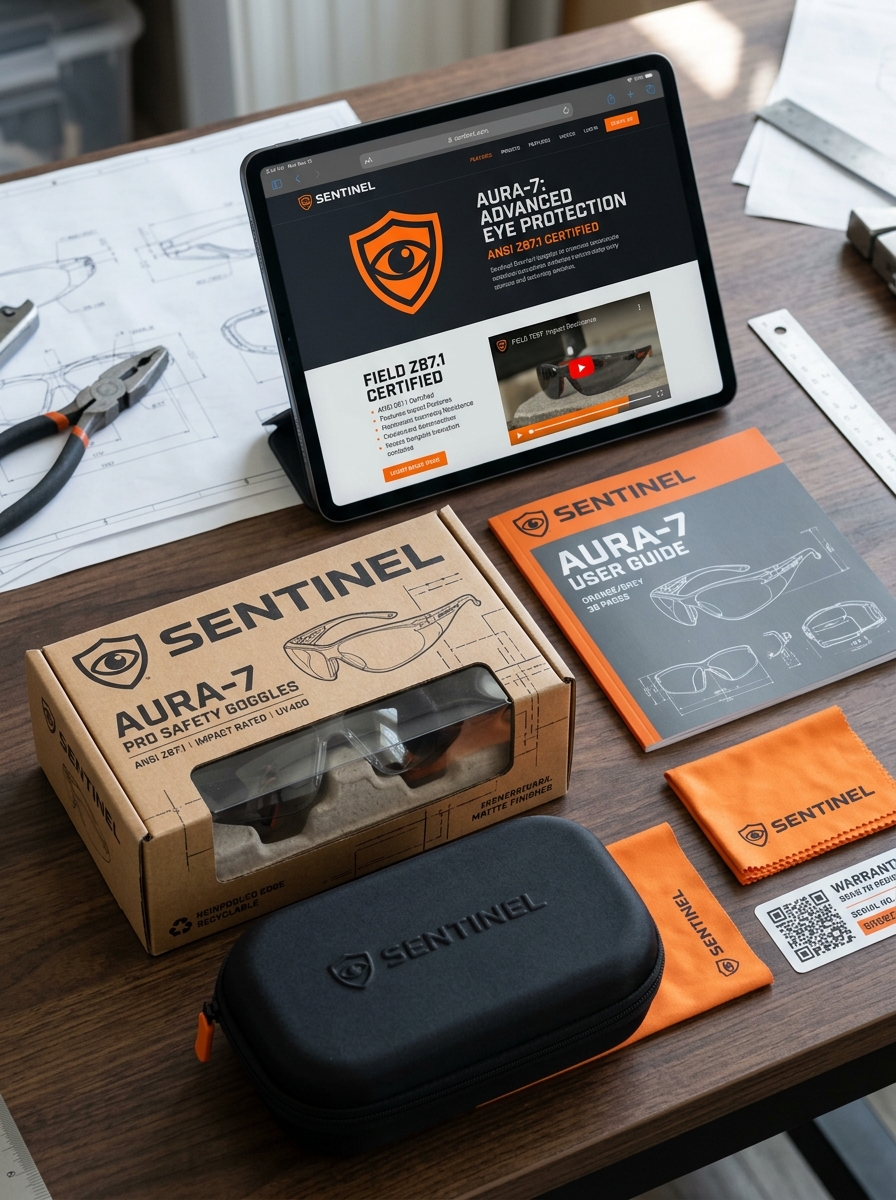
Effective safety goggle packaging design serves a dual purpose: ensuring structural integrity during transit and communicating professional reliability through aesthetic excellence. For manufacturers, the challenge lies in bridging the gap between heavy-duty industrial protection and modern retail appeal. By integrating advanced cushioning materials with clean, functional typography, brands can safeguard delicate lenses while projecting a sense of precision and trust.
This exploration delves into the essential protective concepts-such as moisture-resistant barriers and shock-absorbent inserts-alongside the visual strategies that define high-tier safety gear. Understanding how color psychology and ergonomic box structures influence consumer perception is vital for creating packaging that performs as well as the equipment it holds. Discover how to harmonize durability with design to elevate the user experience from the moment of unboxing.
Defining the Role of Safety Goggle Packaging
Safety goggle packaging serves as a critical protective barrier, ensuring that personal protective equipment (PPE) remains functional from the manufacturer to the end-user. Its primary role is to preserve optical clarity and structural integrity by preventing scratches, impact damage, or lens degradation during transit and storage.
Beyond physical protection, packaging maintains hygienic standards by shielding the eyewear from dust, oils, and chemical contaminants. It also functions as a vital communication hub, prominently displaying regulatory compliance markers like ANSI Z87.1 or CE certifications. By providing essential usage instructions and maintenance guidelines, the packaging ensures workers use the equipment correctly. Whether utilizing eco-friendly materials or industrial-grade plastics, high-quality packaging is indispensable for maintaining the reliability and longevity of professional safety goggles.
Integrating Brand Identity into Protective Gear Presentation
Modern safety goggles have evolved from simple utilitarian tools into essential touchpoints for brand identity. Integrating corporate branding into protective gear presentation is a strategic move that aligns workplace safety with professional aesthetics. By incorporating custom color palettes, embossed logos, and sleek ergonomic designs, companies can transform standard PPE into a cohesive visual statement.
This integration goes beyond surface-level graphics; it fosters a sense of unity among workers and reinforces brand recognition on industrial sites. High-quality, branded protective eyewear signals a commitment to excellence and employee well-being. When safety gear is presented as a premium, branded asset, it enhances the company's reputation for reliability and attention to detail, serving as a silent ambassador for corporate values in any high-risk environment.
Structural Integrity and Impact-Resistant Enclosure Design
Safety goggles are engineered with a primary focus on structural integrity to protect the ocular region from high-velocity projectiles and mechanical hazards. The impact-resistant enclosure typically utilizes high-grade polycarbonate, a thermoplastic favored for its exceptional energy absorption and shatterproof properties.
The design architecture prioritizes force dissipation through several key features:
- Wrap-around Geometry: Ensures lateral protection and minimizes gaps between the face and the frame.
- Reinforced Frames: Built to withstand high-mass impacts without structural failure.
- Lens Retention Systems: Deep-channel grooves prevent lenses from dislodging inward upon impact.
Compliance with rigorous standards, such as ANSI Z87.1+, ensures that the enclosure can resist piercing and blunt force. This synergy between durable materials and ergonomic design provides a critical safety barrier in industrial and construction environments.
Typography and Technical Data Hierarchy for Compliance
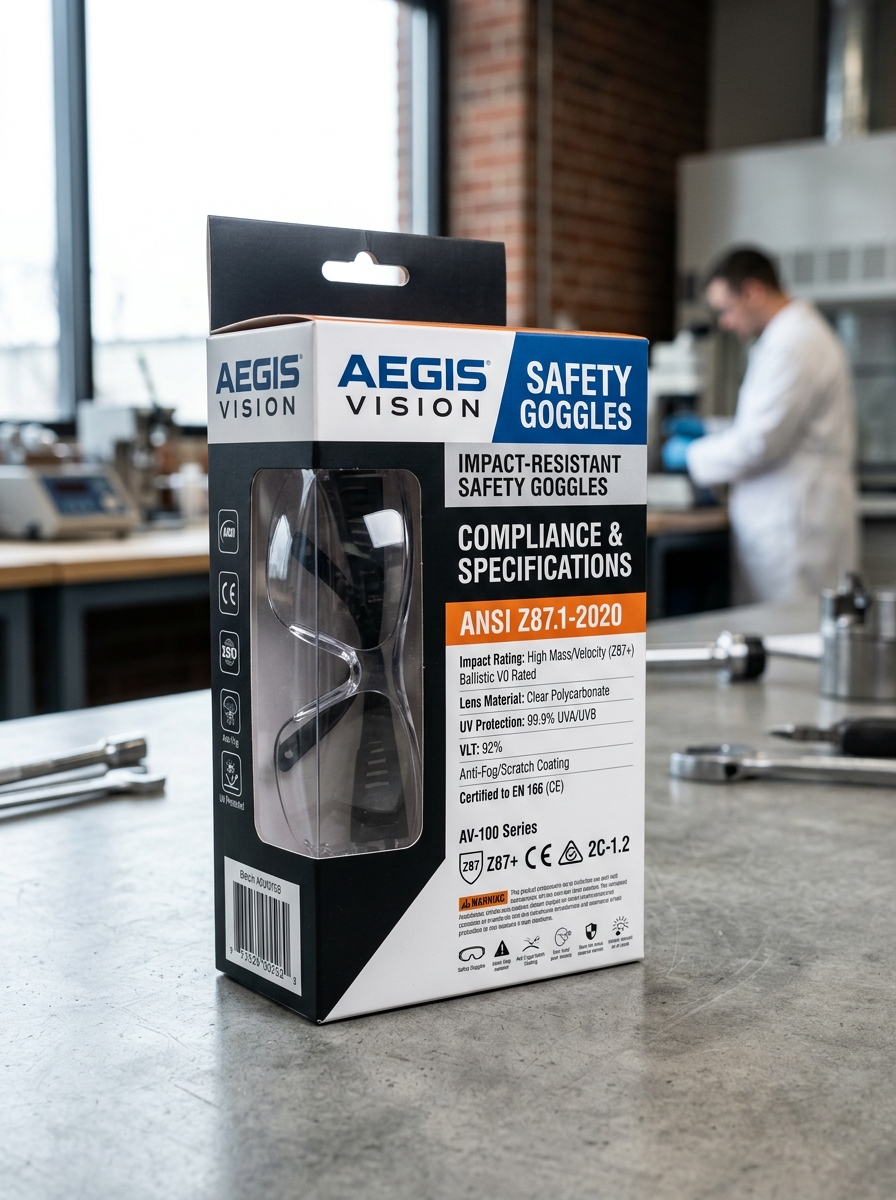
In the context of safety goggles, typography and data hierarchy are essential for ensuring regulatory compliance and worker safety. Standards such as ANSI Z87.1 and EN166 mandate that specific technical markings remain permanently legible on both frames and lenses.
A structured information hierarchy allows users to quickly verify protection levels in high-risk environments. This data typically includes:
- Manufacturer Mark: Identifying the source of the equipment.
- Safety Standards: Certification codes indicating the specific testing criteria met.
- Functional Ratings: Clear symbols for impact resistance (+), chemical splash (D3), or UV filtration.
Utilizing high-contrast, sans-serif typefaces for engraved or printed codes ensures readability under harsh conditions. Proper hierarchy prevents errors in PPE selection, ensuring workers are correctly shielded from specific workplace hazards.
Sustainable Materials in Industrial Hardware Packaging
The industrial hardware sector is rapidly transitioning toward eco-friendly initiatives, specifically regarding the distribution of safety goggles. Manufacturers are moving away from traditional single-use plastics, opting instead for sustainable packaging materials that minimize environmental impact.
Key innovations include:
- Recycled Cardboard: Utilizing post-consumer waste for durable outer boxing.
- Biodegradable Molded Pulp: Creating protective inserts that cushion lenses without the need for foam.
- Compostable Bioplastics: Replacing standard polybags with plant-based films that break down naturally.
By integrating these green solutions, the PPE industry reduces its carbon footprint and landfill contributions. This shift not only supports a circular economy but also ensures that high-quality eye protection meets modern environmental compliance standards without sacrificing product integrity during shipping.
Psychological Impact of Color Schemes and Safety Cues
The color schemes of safety goggles significantly influence worker behavior and safety compliance. High-visibility hues, such as neon yellow and safety orange, serve as psychological anchors that signal the presence of protective equipment, fostering a culture of visual accountability.
Contrast patterns-specifically black and yellow-leverage ingrained biological responses to trigger caution and heighten situational awareness. Beyond the frames, lens tints like amber or blue affect cognitive performance; amber enhances contrast to reduce mental fatigue, while cool tones can soothe the eyes under harsh industrial lighting.
These integrated safety cues prime the brain for a "safety-first" mindset. By utilizing subconscious color triggers and standardized markings, manufacturers reinforce the importance of eye protection, ultimately reducing workplace accidents through effective psychological reinforcement and improved user confidence.
Enhancing the User Experience Through Functional Unboxing
The unboxing experience for safety goggles should prioritize immediate utility and long-term maintenance. A functional approach ensures users transition seamlessly from purchase to protection. Effective packaging includes clear, concise fitment instructions and safety certifications to build immediate consumer trust.
Beyond the goggles themselves, incorporating essential accessories-such as a hardshell storage case, a microfiber cleaning cloth, or anti-fog treatment wipes-adds tangible value. This thoughtful presentation reduces the learning curve for both professional and DIY users. By focusing on a "ready-to-wear" configuration, manufacturers enhance the overall user experience, ensuring the protective eyewear remains in peak condition from day one.
Ultimately, a well-designed unboxing process reinforces a brand's commitment to safety and durability, transforming a simple box opening into a professional preparation ritual.
Visual Communication of Lens Technology and Certifications
Effective visual communication on safety goggles is vital for ensuring workplace safety. Manufacturers utilize standardized lens markings and symbols to convey essential information regarding lens technology and regulatory compliance. For instance, permanent etchings such as ANSI Z87.1 (US) or EN166 (EU) signify that the eyewear has passed rigorous impact resistance and optical clarity testing.
Beyond basic standards, specific codes denote specialized treatments. Symbols for anti-fog (N), anti-scratch (K), and various UV filter levels provide immediate verification of a lens's capabilities. These visual indicators allow users to quickly identify if the equipment is suitable for specific hazards like chemical splashes, high-velocity particles, or harmful radiation. By prioritizing these semantic markings, manufacturers ensure that technical certifications are easily interpreted, leading to the correct selection of protective equipment for any industrial environment.
Balancing Retail Aesthetics with Industrial Ruggedness
Modern safety goggles are evolving beyond bulky traditional designs to bridge the gap between high-performance protection and sleek retail appeal. Achieving this balance involves integrating industrial-grade durability-such as ANSI Z87.1 impact resistance-with ergonomic, lightweight frames that mirror premium athletic eyewear.
Manufacturers prioritize high-clarity polycarbonate lenses and advanced anti-fog coatings to ensure safety, while utilizing streamlined silhouettes and matte finishes to cater to style-conscious consumers. By blending rugged materials like reinforced nylon with wrap-around designs, these goggles offer 360-degree debris protection without sacrificing a professional look. This synergy ensures that PPE is not only functional for hazardous environments but also visually appealing for retail displays, encouraging consistent use through improved comfort and modern aesthetics.
Future Innovations in Protective Eyewear Branding
The evolution of safety goggles is moving toward a fusion of high-tech functionality and sustainable identity. Next-generation branding focuses on smart eyewear integration, featuring augmented reality (AR) overlays that provide real-time safety data directly onto the lens. This digital transformation enhances workplace efficiency while maintaining rigorous impact protection standards.
Sustainability is also a key driver in future innovations. Brands are increasingly adopting eco-friendly materials, such as biodegradable frames and recycled polymers, to align with global environmental goals. Additionally, advancements in anti-fog nanotechnology and self-healing coatings are becoming standard brand differentiators. By prioritizing ergonomic 3D-printed custom fits and sleek, lifestyle-oriented aesthetics, manufacturers are redefining protective eyewear from basic PPE into high-performance, stylish gear that ensures worker compliance and long-term comfort in hazardous environments.
Leave a comment