
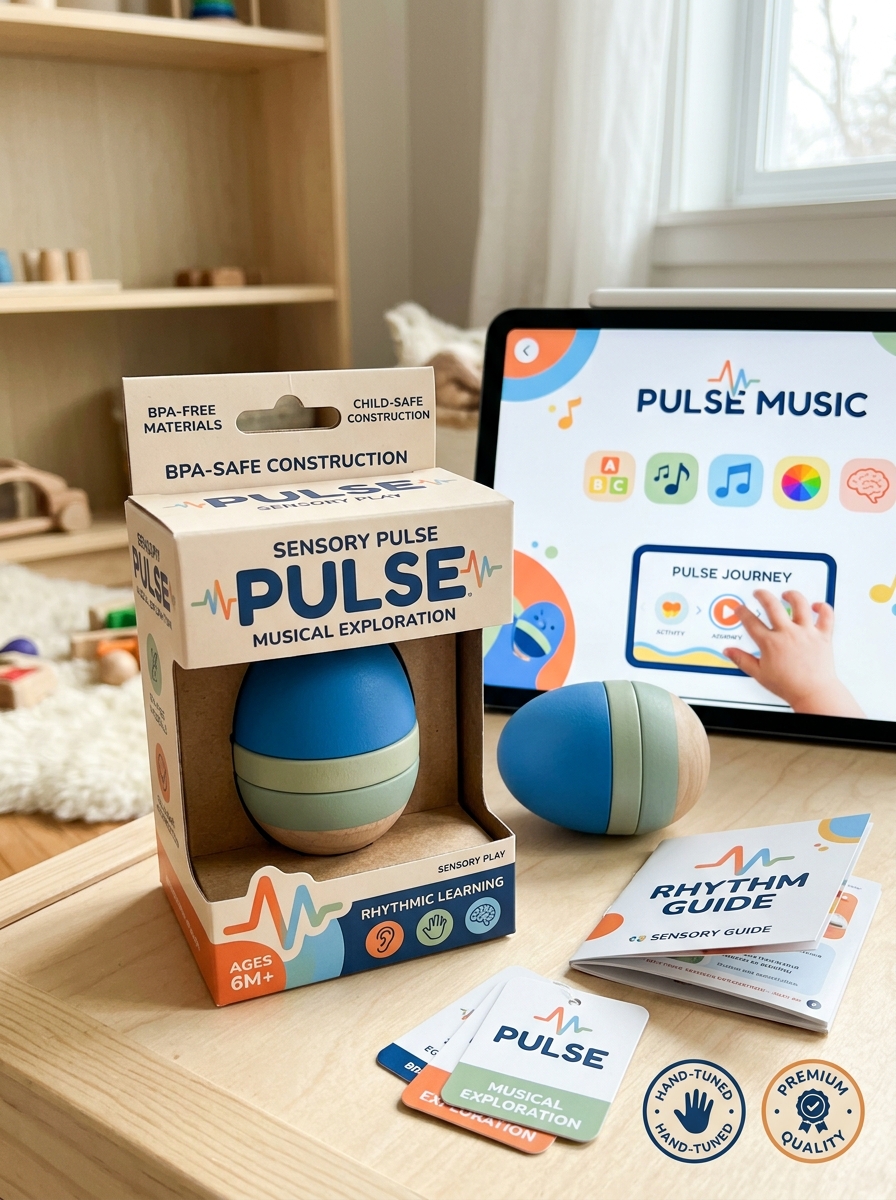
Effective egg shaker packaging design balances functional protection with striking visual appeal to capture a musician's immediate attention. As tactile percussion instruments, these shakers require packaging that communicates their rhythmic potential through vibrant color palettes and ergonomic structural forms.
By integrating sustainable materials and clear window displays, brands can showcase the product's unique texture while maintaining a professional retail presence. This exploration delves into the core principles of structural integrity and aesthetic harmony, ensuring your percussion products resonate with target consumers.
Mastering the intersection of graphic design and packaging engineering is vital for creating an unboxing experience that mirrors the inherent joy of making music. Focus on these essential concepts to elevate your brand's marketability and visual storytelling in the percussion industry.
The Fundamentals of Egg Shaker Packaging Design
Effective egg shaker packaging design prioritizes both instrument protection and visual rhythm. Because these percussion tools are often sold in sets or various colors, packaging must offer high visibility. Utilizing clear, recyclable PET windows or open-box silhouettes allows customers to see the vibrant finishes and feel the ergonomic shape of the shaker.
Durability is a key fundamental; the design should prevent the shakers from rattling excessively or scuffing during transit. From a branding perspective, the graphics should evoke musicality and movement, using bold typography and rhythmic patterns. Whether designed for professional musicians or early childhood education, the packaging serves as a tactile introduction to the product's sound. Incorporating sustainable materials like corrugated cardboard ensures the packaging remains eco-friendly while maintaining the structural integrity needed for retail displays.
Identifying Target Demographics for Percussion Branding
Successful percussion branding for egg shakers relies on identifying key consumer segments that value portable, rhythmic accompaniment. Marketers should focus on four primary demographics:
- Music Educators: Schools and early childhood centers use egg shakers to teach fundamental rhythm and develop fine motor skills in young students.
- Professional Percussionists: Session musicians and acoustic performers require high-quality shakers for adding subtle textures to recordings and live unplugged sets.
- Music Therapists: These practitioners utilize tactile instruments for sensory stimulation and cognitive rehabilitation in clinical settings.
- Hobbyists and Festival-Goers: Casual players in drum circles or community groups seek affordable, durable, and vibrant instruments for social music-making.
By aligning brand messaging with these specific niches-emphasizing safety for schools or acoustic clarity for professionals-companies can effectively dominate the niche percussion market.
Material Selection and Sustainable Packaging Solutions
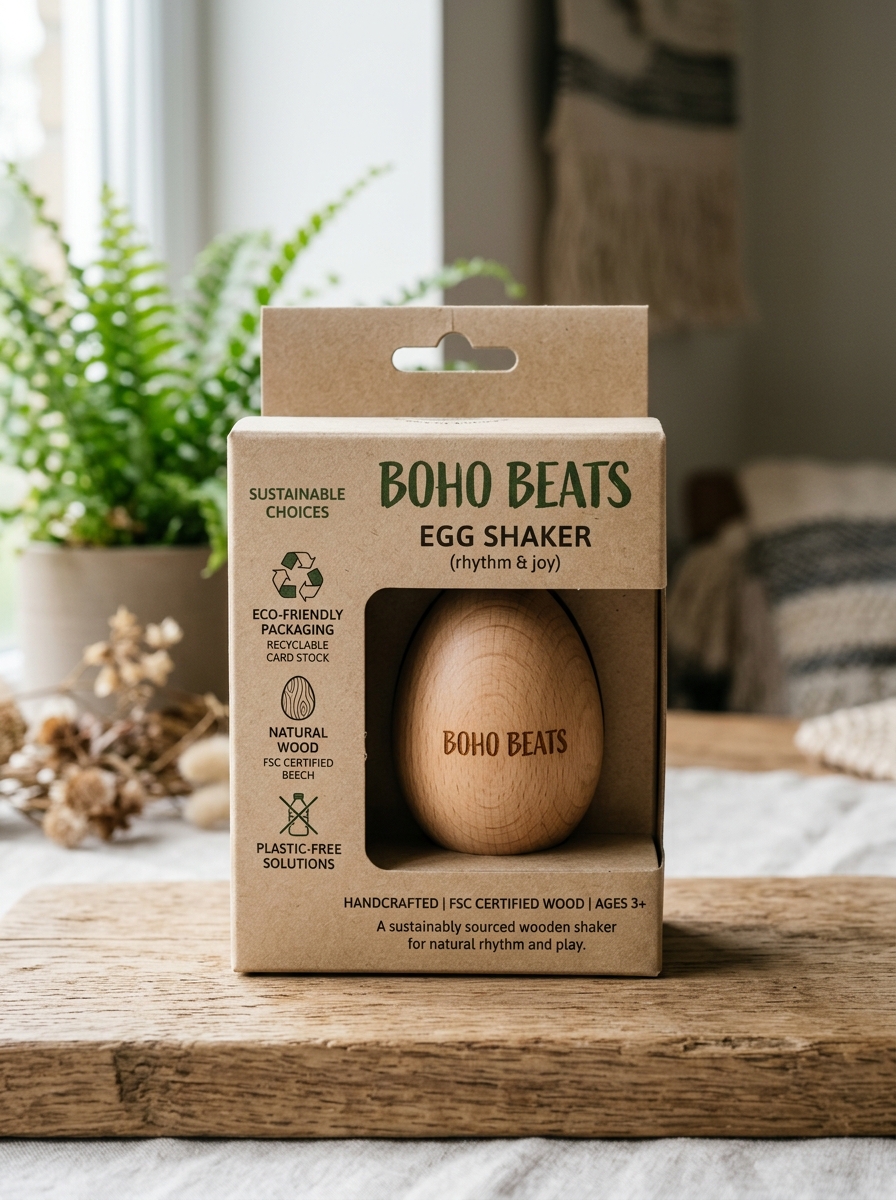
Choosing the right materials for an egg shaker is crucial for both acoustic quality and long-term durability. Professional-grade shakers typically utilize non-toxic, BPA-free plastics or sustainably sourced hardwoods like oak and beech. The internal fill, often consisting of steel grit or plastic beads, is precisely measured to ensure a consistent, crisp percussive tone across different volume levels.
To reduce environmental impact, manufacturers are increasingly adopting sustainable packaging solutions. This includes utilizing recycled kraft paper, FSC-certified cardboard, and biodegradable bioplastics. By eliminating unnecessary single-use plastics and opting for soy-based inks, brands ensure that these musical instruments are safe for both children and the planet. Selecting eco-conscious materials ensures resilience while meeting the growing global demand for environmentally responsible percussion products.
Visual Aesthetics and Color Theory for Musical Accessories
The visual design of an egg shaker significantly influences its performance appeal and pedagogical utility. In the realm of musical accessories, color theory is strategically applied to evoke specific psychological responses or aid in cognitive organization. For example, vibrant primary colors like red and yellow are commonly used in early childhood music education to stimulate engagement and represent high-energy rhythmic patterns.
In contrast, professional percussionists often select egg shakers with sleek, matte, or metallic finishes to maintain a sophisticated stage presence. The ergonomic, curvilinear shape of the instrument offers a tactile satisfaction that mirrors its visual simplicity. By harmonizing the aesthetic finish with the intended musical environment, manufacturers create a multi-sensory experience where the visual identity of the percussion tool complements its acoustic timbre and rhythmic function.
Typography Strategies to Enhance Brand Recognition
For an egg shaker brand, typography serves as a visual rhythm that communicates identity before a single note is played. To enhance recognition, designers must select typefaces that mirror the product's specific market. Educational percussion tools benefit from bold, rounded sans-serif fonts, which project an approachable and safe aesthetic for children and teachers.
In contrast, professional-grade instruments require sleek, minimalist typography to signal precision and high-fidelity sound. Consistency is vital; utilizing the same font family across packaging, embossed logos, and digital marketing builds a cohesive visual language. Furthermore, optimizing legibility on the curved surface of an egg shaker ensures the brand name remains visible during movement. By strategically balancing font weight and personality, brands can establish a memorable presence in the competitive musical instrument market.
Structural Design for Product Protection and Visibility
The structural integrity of an egg shaker is engineered to balance acoustic performance with maximum durability. High-impact plastic or polished wood shells are typically ultrasonically welded or precision-glued to create a seamless, tamper-proof seal. This reinforced construction protects the internal fill-such as steel shot or plastic beads-ensuring safety and preventing leakage during high-energy percussion sessions.
To enhance retail visibility and consumer confidence, manufacturers utilize specific design strategies:
- Translucent Casings: These allow musicians to see the internal grit, which serves as a visual indicator of the shaker's tonal density.
- Windowed Packaging: Specialized die-cut inserts provide a clear view of the product's ergonomic shape while protecting the finish from surface abrasions and environmental contaminants.
By integrating robust materials with strategic display elements, the design ensures the instrument remains protected without sacrificing visual appeal.
The Role of Minimalist Packaging in Modern Instrument Design
In the realm of modern percussion, minimalist packaging has become a vital component of instrument design, particularly for the egg shaker. This streamlined approach emphasizes the instrument's organic shape and tactile feedback, moving away from traditional bulky materials toward sustainable, eco-friendly solutions.
For compact instruments like egg shakers, reduced packaging highlights portability and aesthetic simplicity. By eliminating excess waste, manufacturers align with the environmental values of contemporary musicians while lowering the carbon footprint associated with shipping. This design philosophy ensures the focus remains on the instrument's rhythmic utility and tonal clarity. Ultimately, minimalist packaging transforms the egg shaker from a simple rhythm tool into a modern, responsibly designed accessory suitable for both music classrooms and professional recording studios.
Optimizing the Unboxing Experience for Professional Musicians
For professional percussionists, the unboxing of a premium egg shaker serves as the first touchpoint for evaluating instrument quality. To optimize this experience, packaging must balance aesthetic appeal with functional protection. Using sustainable, high-density materials prevents surface scuffing while maintaining the shaker's structural integrity during transit.
A semantically rich unboxing includes clear labeling of technical specifications, such as weight distribution, fill material, and frequency response. These details allow session musicians to immediately assess the shaker's suitability for specific acoustic environments or studio recordings.
Providing a tactile, frustration-free opening process reflects the precision of the instrument inside. By prioritizing ergonomic design and informative inserts, manufacturers establish a sense of professional reliability and sonic excellence from the moment the seal is broken.
Retail Display Strategies and Shelf Impact for Small Percussion
Optimizing the retail presence of egg shakers requires strategic positioning to capture impulse buyers. As small percussion instruments, they achieve the highest shelf impact when placed in high-visibility zones, such as point-of-purchase (POP) displays or eye-level bins near checkout counters.
Effective merchandising strategies include:
- Color Blocking: Organizing shakers by vibrant hues to create an attractive visual anchor.
- Tactile Engagement: Utilizing open-access bins invites customers to test the "shake," driving immediate conversions.
- Cross-Merchandising: Placing shakers alongside acoustic guitars or cajons encourages add-on sales.
By focusing on accessibility and sensory interaction, retailers can transform these compact accessories into high-turnover assets. Highlighting sonic variations-ranging from soft studio textures to loud, poly-bead grains-further assists customers in making informed, quick purchasing decisions.
Future Trends in Eco-Friendly Egg Shaker Packaging Systems
The musical instrument industry is rapidly pivoting toward sustainability, focusing on eco-friendly egg shaker packaging systems. Future trends emphasize a departure from petroleum-based plastics in favor of biodegradable materials, such as molded sugarcane pulp, cornstarch-based bioplastics, and mushroom packaging, ensuring zero-waste disposal for percussionists.
Innovative designs are adopting minimalist footprints to reduce carbon emissions during global logistics. Manufacturers are also exploring circular economy models, utilizing reusable tin containers or organic cotton pouches that double as permanent storage. Furthermore, the integration of smart labeling via QR codes replaces traditional paper inserts, while non-toxic soy-based inks improve the recyclability of outer boxes. These advancements aim to harmonize high-quality acoustic toys with environmental stewardship, meeting the growing demand for green alternatives in the educational and professional music sectors.
Leave a comment