
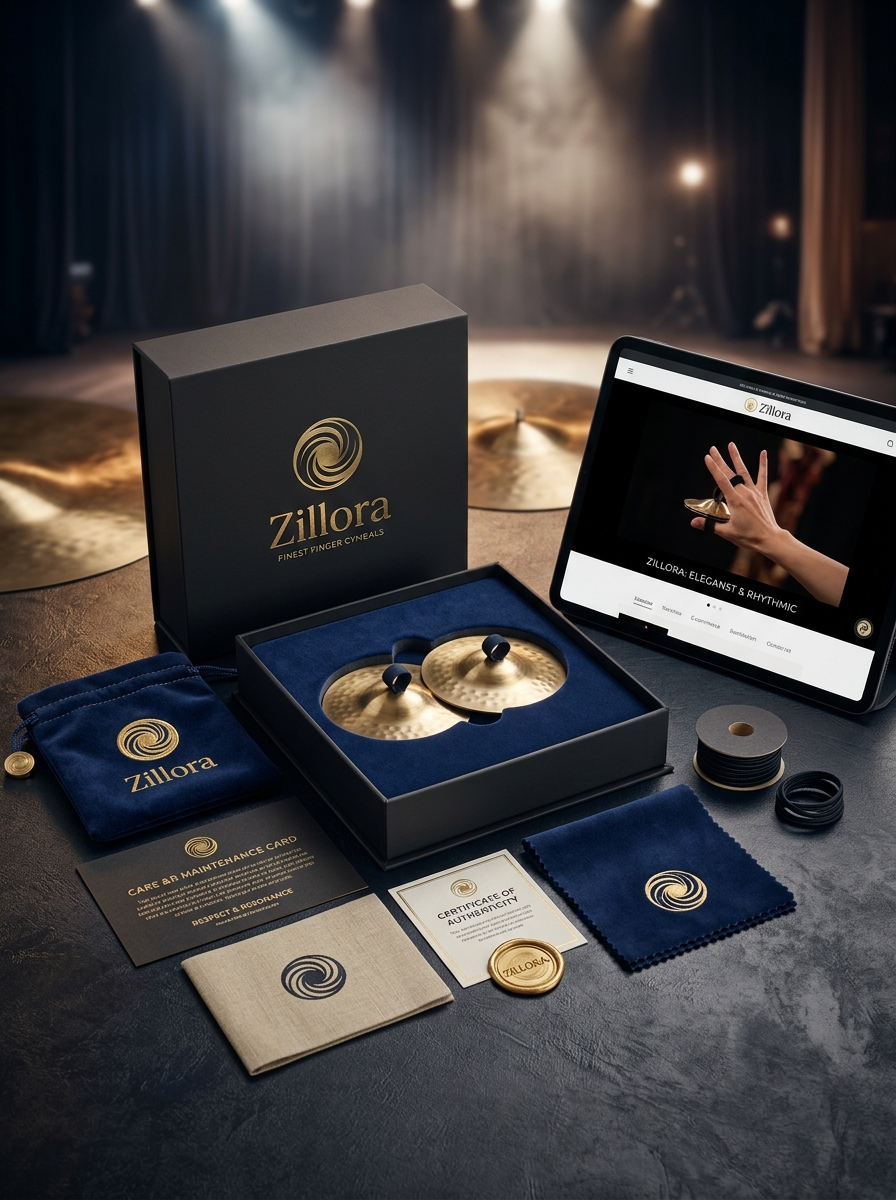
Elevating the presentation of finger cymbals requires a sophisticated blend of functional protection and artistic expression. As percussive instruments deeply rooted in diverse cultural traditions, their packaging must resonate with both professional musicians and enthusiasts alike.
Mastering packaging design concepts involves moving beyond mere containment. It focuses on visual aesthetics that mirror the rhythmic precision and metallic brilliance of the instruments themselves. By integrating premium materials with symbolic imagery and strategic color palettes, brands can cultivate a memorable unboxing experience.
This exploration into specialized design delves into how structural integrity and graphic harmony work together to enhance perceived value. Understanding these elements ensures that the first physical touchpoint is as resonant and enduring as the instrument's own chime.
The Evolution of Finger Cymbal Packaging Heritage
The history of finger cymbal packaging reflects a fascinating transition from functional utility to cultural preservation. Originally known as Zills or Sagat, these ancient percussion instruments were historically sold in open-air bazaars, often wrapped in simple scrap textiles or carried in hand-sewn cotton pouches to prevent the oxidation of their high-quality brass and bronze alloys.
As Middle Eastern dance gained global prominence, the heritage of packaging evolved to include ornate velvet bags and protective cases featuring intricate traditional motifs. This shift not only safeguarded the instruments' resonant tonal qualities but also signaled professional branding. Modern packaging now honors this legacy by blending aesthetic historical typography with contemporary materials, ensuring that the artistic spirit of the rhythmic tradition is preserved from the workshop to the stage.
Defining the Visual Identity of Zill Brand Aesthetics
The visual identity of premium zill brands is rooted in a blend of functional design and cultural artistry. Finger cymbals are more than instruments; they are shimmering extensions of a performer's persona. Key aesthetic markers include the metallic composition-typically high-quality brass or bronze-which dictates both the surface luster and the tonal profile.
Brand aesthetics often feature intricate engraved patterns, such as traditional Middle Eastern geometric motifs or floral flourishes, serving as hallmarks of authentic craftsmanship. The choice between a high-polished mirror finish and a rustic, sand-cast patina allows brands to cater to diverse styles, from classic cabaret to tribal fusion. Furthermore, the curvature of the bell and the profile of the rim define a brand's silhouette, ensuring each set of zills is recognizable by its unique visual elegance and stage presence.
Material Selection for Durability and Instrument Protection
Choosing the right alloy is essential for the longevity and resonance of finger cymbals, or zills. Most professional-grade instruments are crafted from bronze or brass. Bronze, typically a blend of copper and tin, is highly prized for its structural integrity and resistance to cracking, ensuring the cymbals withstand rigorous rhythmic striking.
To maximize instrument protection, consider the following material factors:
- Alloy Density: High-density metals resist warping and maintain tonal clarity over time.
- Corrosion Resistance: Quality finishes prevent oxidation caused by finger oils and humidity.
- Protective Coatings: Some cymbals feature lacquers that reduce the need for abrasive polishing.
Proper material selection, combined with storage in a padded pouch, shields the metal from pitting and scratches, preserving both the visual luster and the sharp, shimmering "chime" characteristic of high-quality finger cymbals.
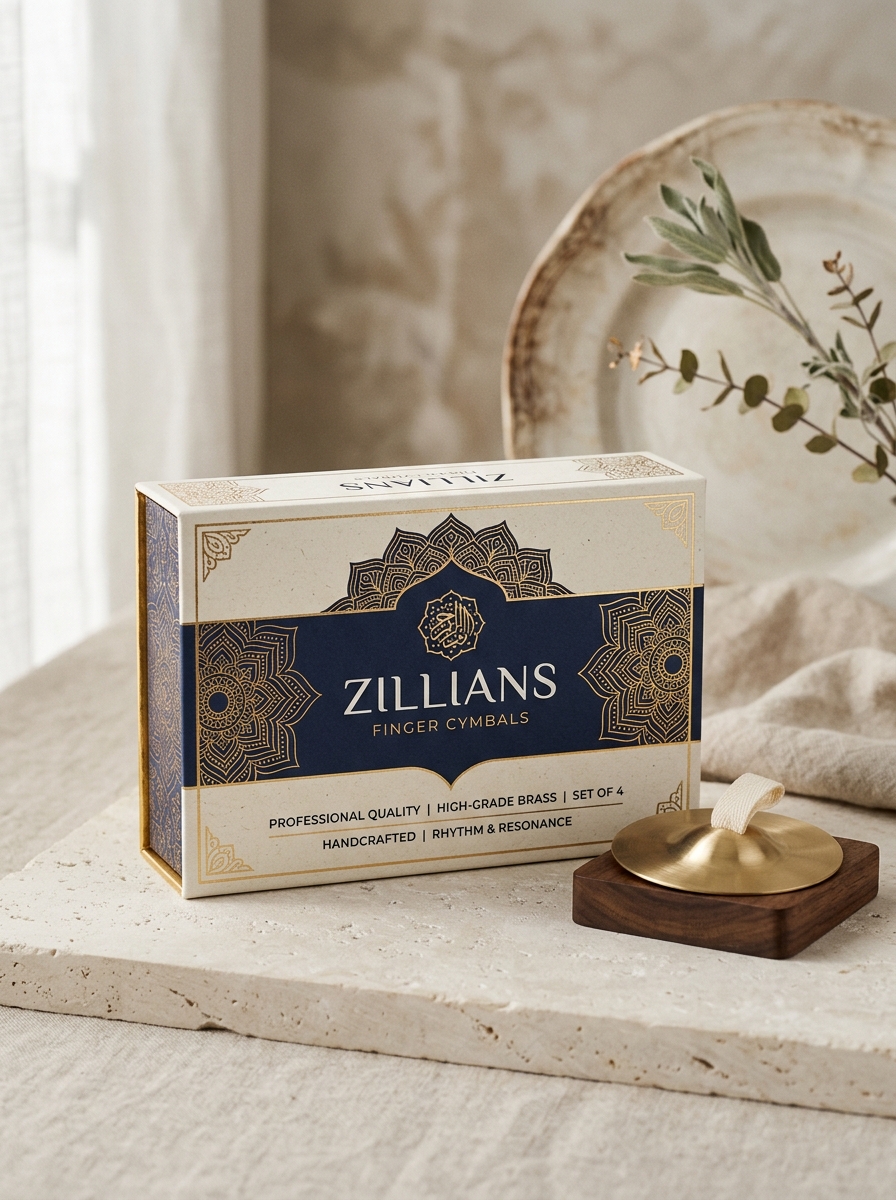
Harmonizing Traditional Motifs with Modern Minimalist Design
Modern finger cymbals, traditionally known as zills or sagat, are undergoing a sophisticated evolution where historical artistry meets contemporary aesthetics. Traditionally, these instruments featured intricate, hand-etched motifs reflective of Middle Eastern cultural heritage. Today, designers are streamlining these classic patterns, integrating them with minimalist design principles to create sleek, high-performance percussion tools.
This harmonization focuses on balancing visual simplicity with acoustic excellence. While traditional versions use heavy brass and ornate engravings, modern minimalist iterations often utilize brushed finishes and ergonomic profiles for a cleaner look. By stripping away excessive ornamentation, the focus shifts to the purity of the metal alloy and tonal clarity. This blend allows performers to honor cultural roots while fitting perfectly into modern stage environments, ensuring the finger cymbal remains a timeless yet versatile instrument for dancers and musicians.
The Psychology of Color in Percussion Instrument Branding
In the world of percussion, the visual aesthetics of finger cymbals (zills) communicate specific tonal expectations and brand values. Color psychology plays a vital role in how musicians perceive sound quality and instrument durability before the first strike.
- Gold and Polished Brass: These warm tones evoke a sense of tradition, luxury, and rich, resonant harmonics. They are often branded for classical and professional Middle Eastern dance.
- Silver and Chrome: These cooler metallic shades suggest a modern, crisp, and high-pitched "cut," appealing to performers needing clarity in loud ensembles.
- Dark or Patina Finishes: Often used in boutique branding to signify an "earthy," vintage, or hand-hammered quality, suggesting a complex and dry acoustic profile.
By leveraging these visual cues, manufacturers align their branding with the performer's psychological preference for specific musical textures.
Optimizing Functional Layouts for Storage and Portability
Efficiently organizing finger cymbals, often referred to as zills, is essential for maintaining their acoustic resonance and preventing surface damage. A functional layout prioritizes compact nesting and protection against oxidation and scratches.
- Nested Stacking: Stacking cymbals face-to-face minimizes their footprint, making them easier to fit into small instrument compartments.
- Padded Pouches: Using circular, soft-shell cases prevents metal-on-metal friction during transit, preserving the integrity of the alloy.
- Elastic Management: Storing pairs with their elastics intact ensures they are performance-ready at a moment's notice.
By utilizing dedicated storage solutions that separate individual sets, musicians can prevent clanging and ensure maximum portability for travel. Proper organization not only extends the lifespan of the finger cymbals but also streamlines setup for performers on the go.
Typography Choices for High-End Musical Accessory Markets
In the premium finger cymbal (zill) market, typography serves as a vital visual bridge between ancient heritage and modern craftsmanship. For high-end musical accessories, serif typefaces are frequently employed to communicate elegance, tradition, and the artisanal quality of hand-hammered alloys. These fonts evoke a sense of history essential for professional performers who value authenticity.
Alternatively, minimalist sans-serif fonts are used to emphasize technical precision and sonic clarity. High-end branding often utilizes generous letterspacing to mirror the resonant, "airy" sustain of quality brass. By selecting typefaces that reflect the instrument's physical weight and tonal brilliance, manufacturers establish a luxurious identity that resonates with elite percussionists. Strategic typography reinforces the perception of finger cymbals as precision-engineered instruments rather than mere accessories, ensuring they stand out in a competitive niche market.
Sustainable Packaging Solutions for Eco-Conscious Musicians
For the environmentally-minded percussionist, the journey toward sustainability begins with how finger cymbals are housed. Eco-conscious packaging focuses on reducing waste by replacing traditional plastics with biodegradable and recycled alternatives. Premium zills often arrive in organic cotton pouches, reusable linen bags, or FSC-certified cardboard boxes, ensuring your instruments remain protected without harming the planet.
By opting for plastic-free shipping materials and soy-based inks, manufacturers minimize the carbon footprint associated with these rhythmic tools. Choosing sustainable packaging for your sagat supports a circular economy and reduces landfill contributions. Whether you are a belly dancer or a professional musician, selecting eco-friendly storage solutions ensures that your musical passion aligns with global conservation efforts, protecting the environment one beat at a time.
Creating an Immersive Unboxing Experience for Performance Artists
For performance artists, the creative journey begins the moment they receive their finger cymbals, also known as zills or sagat. An immersive unboxing experience bridges the gap between a digital purchase and physical artistry. High-quality percussion instruments deserve a premium presentation that reflects their resonant tonal quality and artisan craftsmanship.
Utilizing tactile materials like custom-lined velvet pouches or protective wooden cases ensures the brass or bronze alloys remain pristine. Including care instructions, adjustable elastic sets, and a certificate of authenticity enhances the value for belly dancers and professional musicians alike. This sensory approach-focusing on the visual gleam and the initial acoustic clarity-builds anticipation for the stage. By prioritizing both aesthetic appeal and instrument safety, brands foster a deep connection with the performing arts community.
Emerging Trends in Luxury Finger Cymbal Presentation
Modern finger cymbals, or zills, are transcending their roles as mere percussion instruments to become high-end collectibles. Current luxury presentation trends focus on the intersection of acoustic perfection and visual artistry, appealing to professional performers and discerning collectors.
Key emerging trends include:
- Bespoke Storage: Custom-carved hardwood cases lined with premium velvet to protect the alloy against oxidation and impact.
- Artisanal Craftsmanship: Hand-engraved geometric patterns on high-tin bronze, often paired with hand-stitched silk pouches.
- Sustainable Luxury: Plastic-free, eco-conscious packaging that utilizes recycled metals and natural fibers.
These shifts reflect a growing demand for instruments that serve as both professional tools and heirloom pieces. By prioritizing material integrity and aesthetics, manufacturers elevate the unboxing experience to match the tonal excellence of the instrument.
Leave a comment