
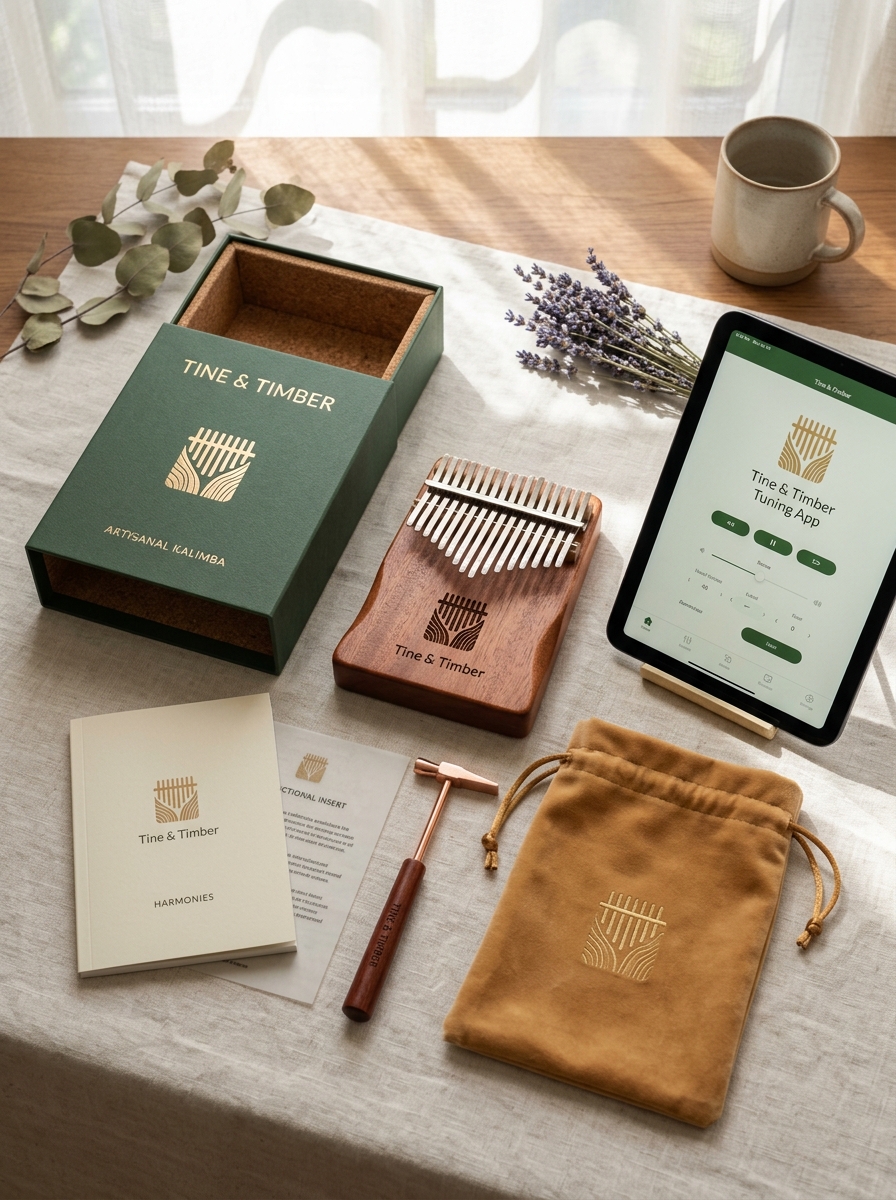
For enthusiasts and artisans alike, the kalimba is more than just a musical instrument; it is a gateway to melodic tranquility and cultural heritage. As this "thumb piano" gains global popularity, the significance of bespoke packaging has become a vital component in establishing brand identity and consumer trust.
Elevating kalimba packaging requires a delicate balance of aesthetic concepts and functional design principles. High-quality housing does not merely protect the delicate tines and wooden resonators; it serves as an initial touchpoint that shapes the musician's experience. By integrating sustainable materials, ergonomic structures, and evocative visual storytelling, designers can mirror the instrument's intrinsic harmony. Mastering these fundamental elements ensures that the unboxing process becomes an immersive journey, reflecting the artisanal craftsmanship and emotional resonance found within every note.
Harmonizing Musical Heritage with Modern Packaging Aesthetics
The Kalimba, a traditional African thumb piano, carries a profound cultural legacy that dates back centuries. In the contemporary market, this musical heritage is being revitalized through modern packaging aesthetics. By blending the instrument's organic, wooden origins with sophisticated design principles, manufacturers create a bridge between ancient tradition and modern consumer expectations.
Today's Kalimba packaging prioritizes sustainability and minimalist visual appeal. High-quality, eco-friendly materials like recycled kraft paper and precision-cut protective inserts ensure the instrument's safety while reflecting its natural essence. This thoughtful integration of sleek typography and ergonomic box design enhances the unboxing experience, transforming a simple purchase into a curated cultural encounter. By harmonizing historical craftsmanship with innovative presentation, the Kalimba remains accessible and relevant to a new generation of global musicians.
The Power of Texture and Premium Material Selection
The acoustic excellence of a Kalimba is fundamentally rooted in its material composition. Premium tonewoods, such as Mahogany, Acacia, and Black Walnut, are selected for their superior resonant properties. Unlike plywood, solid wood bodies allow for optimal sound vibration, resulting in a warmer, richer sustain and deeper tonal clarity.
Beyond acoustics, the tactile texture of the instrument significantly impacts playability. Hand-polished finishes and ergonomic curves ensure a comfortable grip for extended musical sessions. When paired with high-carbon steel tines, these premium materials enhance vibrational conductivity. This synergy between high-grade natural wood and precision-engineered metal creates a professional-grade instrument that offers both aesthetic beauty and a crystalline, ethereal sound. Choosing quality materials ensures your thumb piano remains durable while producing the most authentic folk melodies.
Embracing Minimalist Design to Mirror Instrument Simplicity
The Kalimba, or thumb piano, is the epitome of musical minimalism. Its fundamental structure-staggered metal tines mounted on a wooden soundboard-prioritizes functional elegance over unnecessary complexity. Modern Kalimba design embraces a minimalist aesthetic to mirror this inherent simplicity, focusing on high-quality natural materials like solid mahogany, maple, or koa wood.
By stripping away decorative clutter, the design emphasizes the instrument's tactile ergonomics and its pure, resonant acoustics. This "less is more" philosophy ensures an intuitive playing experience, allowing the musician to connect deeply with the ethereal tones. Whether through streamlined body shapes or clean, laser-etched notation, every design choice serves to enhance the organic beauty and meditative nature of the instrument. Embracing simplicity in design reflects the uncomplicated joy found in every pluck of a Kalimba tine.
Visual Storytelling Through Cultural and Folk Motifs
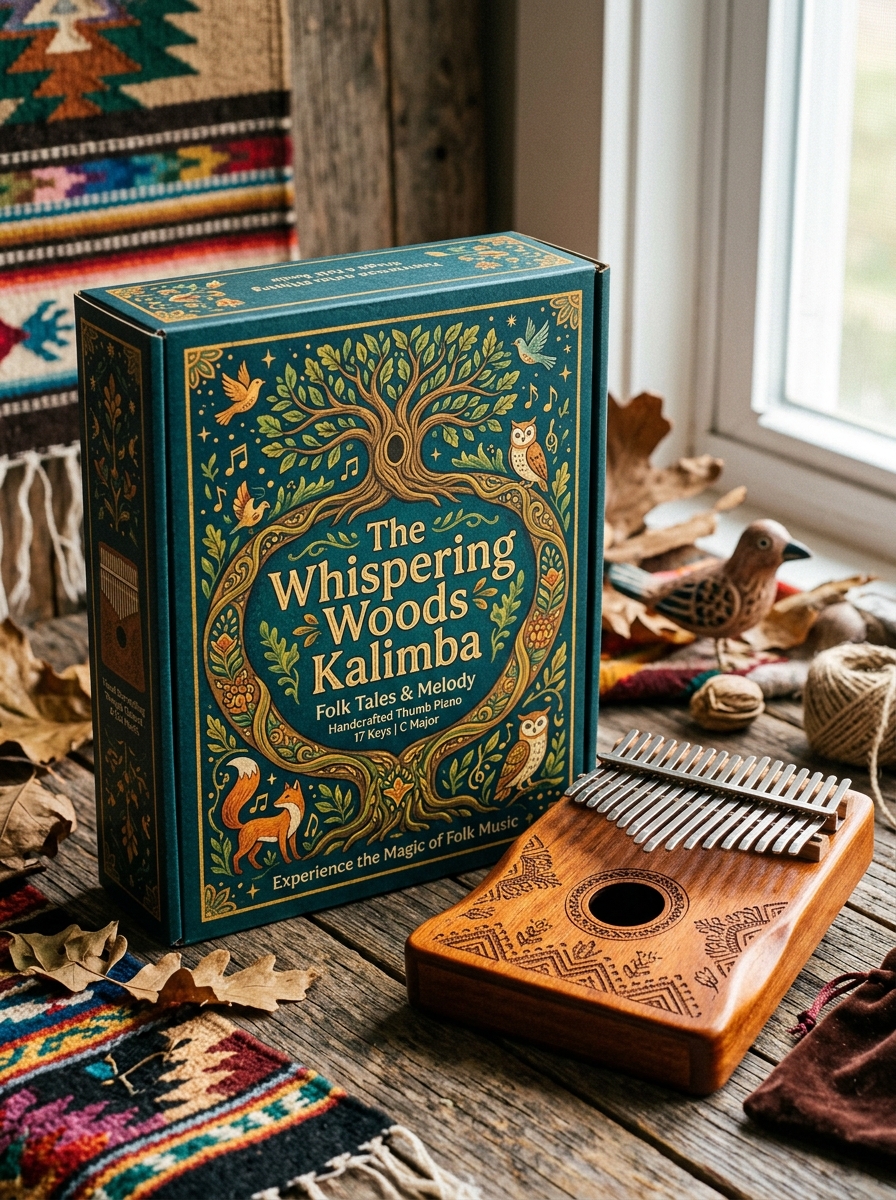
The kalimba serves as a vibrant canvas for visual storytelling, deeply rooted in African heritage and global folk traditions. Often referred to as a thumb piano, many instruments feature intricate hand-carved or etched motifs that transcend simple aesthetics. Geometric patterns, celestial symbols, and depictions of local wildlife frequently adorn the wooden resonators, representing tribal history, spiritual beliefs, and the player's connection to the natural world.
In Zimbabwean Shona culture, for example, specific engravings may honor ancestral spirits. These cultural motifs transform each kalimba into a unique piece of folk art, allowing musicians to convey a narrative that is both sonic and visual. By integrating these traditional symbols, modern artisans preserve ancient stories, ensuring that every note played is accompanied by a rich legacy of cultural identity and artistic expression.
The Art of the Unboxing Experience for Gift Appeal
For the Kalimba, the unboxing experience is a vital component of its charm as a musical instrument gift. A premium presentation begins with high-quality packaging that protects the delicate steel tines and resonant wood body. To maximize gift appeal, the inclusion of essential accessories-such as a tuning hammer, cleaning cloth, and a hardshell carrying case-adds immediate functional and perceived value.
A well-designed unboxing journey builds emotional connection and anticipation. For recipients, discovering a beginner's guidebook and decorative thumb piano stickers creates an inviting "ready-to-play" atmosphere. By focusing on these tactile and visual details, the Kalimba transforms from a simple product into a cherished, curated keepsake, ensuring a lasting first impression for any music enthusiast or beginner.
Engineering Structural Protection for Delicate Steel Tines
The longevity and performance of a Kalimba depend heavily on the precision engineering used to protect its steel tines. To ensure tonal stability, manufacturers implement a multi-layered support system centered around a solid metal bridge and a rigid pressure bar. This structural assembly exerts uniform downward force, locking the tines into place to prevent shifting or unwanted buzzing during play.
Beyond mechanical alignment, protection involves material science; high-carbon steel tines are often electroplated or treated with anti-corrosive coatings to resist moisture and oxidation. By integrating these robust mounting components, the instrument maintains its structural integrity and pitch accuracy. This careful engineering balances the delicate vibration required for acoustic resonance with the industrial-grade durability needed to withstand frequent physical contact and environmental changes.
Selecting Sound-Inspired Color Palettes for Emotional Connection
The visual aesthetics of a Kalimba profoundly influence the player's psychological state and musical expression. To foster a deep emotional connection, designers and enthusiasts often select color palettes that mirror the instrument's unique sonic profile.
For instance, deep, earthy wood grains like dark walnut or mahogany complement warm, resonant bass tones, evoking feelings of stability and comfort. Conversely, lighter finishes, translucent acrylics, or ethereal oceanic blues align with the high-pitched, crystalline "music box" qualities of certain tines, inspiring whimsy and clarity.
By harmonizing visual hues with auditory frequencies, the Kalimba transforms into a multi-sensory tool for mindfulness. This synesthetic approach ensures that the instrument's appearance reinforces the emotional journey of the music, allowing for a more immersive and resonant playing experience.
Typography Choices That Reflect Rhythmic Precision
Selecting the right typography for Kalimba instructional materials is crucial for mirroring the instrument's percussive clarity. To reflect the rhythmic precision of the tines, designers prioritize fonts that embody structure and timing.
- Monospaced Typefaces: These are essential for tablature, as equal character spacing ensures every note aligns perfectly with the beat, mimicking a metronome.
- Geometric Sans-Serifs: Clean lines provide a modern aesthetic that echoes the "plucked" purity and resonant tone of metal tines.
- High-Contrast Lettering: Improves legibility during rapid play, allowing musicians to track complex melodies with visual ease.
By balancing structural rigidity with organic fluidity, typography translates the Kalimba's sonic discipline into a visual format. This alignment between font and function ensures that the documentation is as precise as the performance itself.
Sustainable and Eco-Friendly Solutions for Modern Luthier Brands
Modern kalimba luthiers are increasingly adopting sustainable practices to minimize their environmental impact. Ethical brands prioritize FSC-certified hardwoods, such as mahogany and koa, or fast-growing alternatives like bamboo to ensure responsible forest management. By utilizing reclaimed timber, manufacturers reduce waste while maintaining the instrument's signature resonance.
Beyond wood selection, eco-friendly innovations include:
- Recycled Metals: Using repurposed spring steel for durable, resonant tines.
- Non-Toxic Finishes: Applying water-based, VOC-free oils and lacquers for safety.
- Green Packaging: Utilizing biodegradable materials and plastic-free shipping solutions.
For the eco-conscious musician, choosing a kalimba from a sustainable luthier brand ensures that high-quality craftsmanship coexists with environmental preservation. These green solutions represent the future of instrument manufacturing, balancing acoustic excellence with ecological integrity.
Elevating Brand Identity Through Cohesive Graphic Systems
For a Kalimba brand, establishing a cohesive graphic system is vital to standing out in the musical instrument market. By harmonizing visual elements-such as organic textures, minimalist typography, and rhythmic color palettes-the brand mirrors the soothing, melodic nature of the instrument itself. This systematic approach ensures that every touchpoint, from social media assets to product packaging, communicates a unified and professional narrative.
A well-defined visual identity transcends mere aesthetics; it fosters consumer trust and enhances brand recognition. For artisans and manufacturers, integrating these graphic systems allows the brand to translate the tactile, acoustic experience of the Kalimba into a compelling digital presence. Through strategic graphic design, the brand identity becomes as resonant as the music, creating a lasting emotional connection with global audiences and musicians.
Leave a comment