

Ensuring the safe transit and professional presentation of precision electronic balances requires a sophisticated fusion of structural engineering and visual design. As highly sensitive laboratory instruments, these devices demand packaging solutions that prioritize shock absorption, anti-static protection, and environmental resistance.
Mastering the art of electronic balance packaging involves adhering to rigorous design principles that safeguard internal load cells while meeting high-tier aesthetic standards. This article examines the critical intersection of protective functionality and brand identity. By implementing optimized spatial layouts and durable material selection, manufacturers can guarantee device calibration integrity and project a commitment to technical excellence from the first point of physical contact with the end user.
The Role of Specialized Packaging in Precision Instrumentation
When transporting an electronic balance, specialized packaging is essential to maintain its high level of measurement accuracy. These sensitive instruments contain delicate load cells and internal circuitry susceptible to damage from mechanical shocks, vibrations, and environmental fluctuations.
Effective packaging solutions utilize anti-static materials to prevent electrostatic discharge (ESD) and custom-molded foam for superior shock absorption. This ensures that the balance's factory calibration remains intact during transit.
Furthermore, moisture-resistant barriers protect internal components from humidity and oxidation. By prioritizing robust, specialized casing, manufacturers guarantee that the laboratory equipment arrives ready for immediate use, safeguarding the long-term reliability and precision of the weighing instrument.
Core Structural Integrity for Sensitive Calibration
The precision of an electronic balance depends fundamentally on its structural integrity. To maintain sub-milligram accuracy, the internal framework must be engineered for absolute stability. A robust, die-cast metal housing typically serves as the primary shield, protecting sensitive internal components from mechanical vibrations and air currents that could compromise measurement data.
Critical structural features include:
- Rigid Chassis: Prevents structural flexion, ensuring gravitational force is transmitted directly to the load cell.
- Thermal Stability: Use of materials with low thermal expansion coefficients to prevent calibration drift.
- Environmental Isolation: High-density foundations that dampen ambient noise.
By maintaining a rigid internal geometry, the balance ensures that electromagnetic force restoration (EMFR) sensors operate within a controlled environment, guaranteeing repeatable and sensitive calibration results.
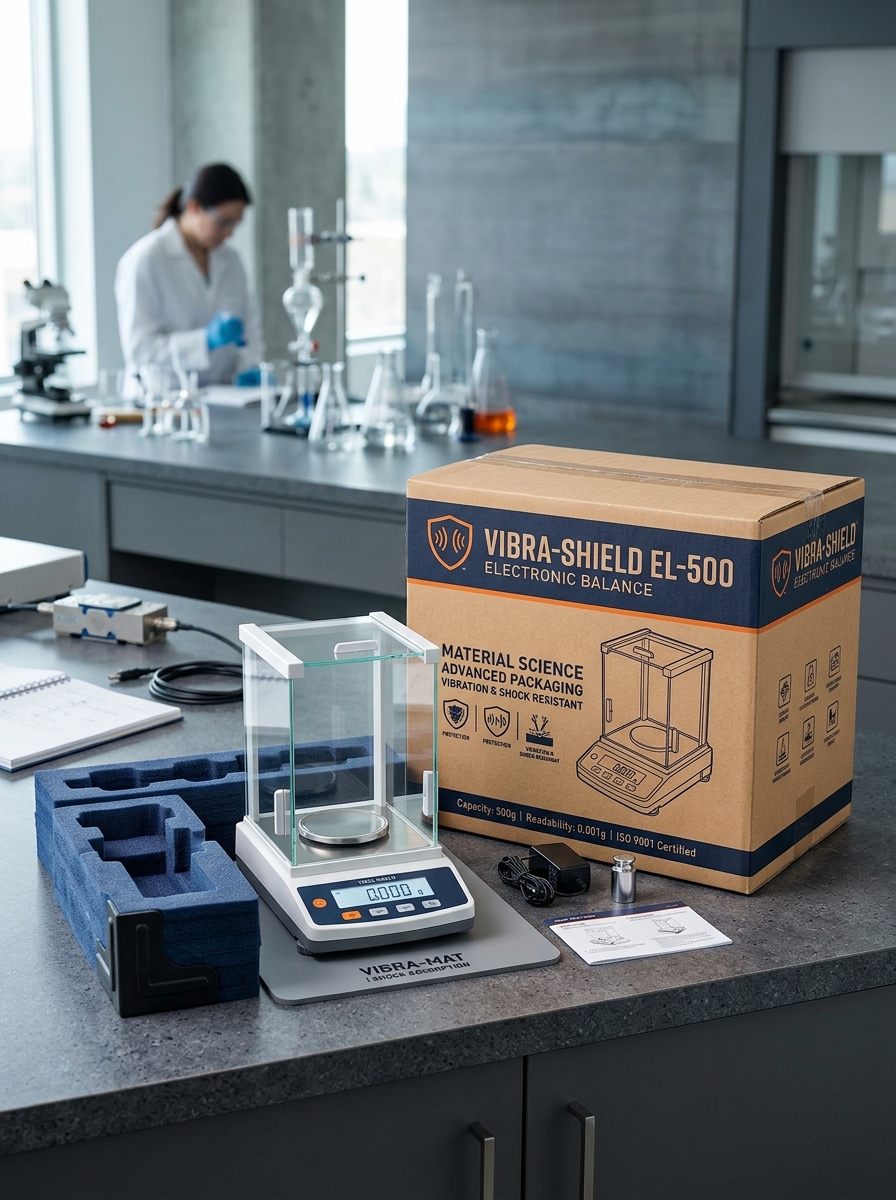
Material Science in Vibration and Shock Resistance
In high-precision electronic balances, material science is fundamental to maintaining measurement integrity. Manufacturers employ die-cast aluminum alloys and heavy-duty stainless steel housings to create a rigid foundation that inherently dampens ambient vibrations.
To mitigate mechanical shock, internal structures incorporate viscoelastic polymers and specialized elastomers. These materials absorb kinetic energy, protecting the delicate electromagnetic force restoration (EMFR) sensors from sudden impacts. Additionally, the integration of ceramic components ensures structural stability and resistance to thermal expansion.
By selecting materials with high internal damping properties and specific density profiles, electronic balances achieve faster stabilization times and superior repeatability. This strategic engineering prevents external disturbances from compromising the load cell, ensuring reliable data in volatile laboratory or industrial environments.
Visual Identity and Professional Aesthetic Standards
The visual identity of a modern electronic balance is a direct reflection of its measurement precision and engineering excellence. Professional aesthetic standards dictate a clean, industrial design that prioritizes functional ergonomics and the use of high-quality materials, such as brushed stainless steel and chemical-resistant polymers.
A sophisticated professional appearance is maintained through high-contrast digital interfaces-typically backlit LCD or LED displays-that ensure clarity and reduce operator error. Sleek, minimalist profiles are intentionally designed to prevent dust accumulation, meeting the strict sanitary requirements of laboratory and medical environments.
By harmonizing form and function, the visual design reinforces brand reliability and signifies compliance with international metrology standards, instilling user confidence in the device's metrological accuracy and long-term durability.
Information Hierarchy and Technical Labeling Clarity
In high-precision electronic balances, information hierarchy ensures that critical data is processed without ambiguity. The interface prioritizes the primary weight display, followed by secondary indicators such as measurement units (g, mg), stability status, and tare values. This structured layout reduces cognitive load and minimizes operator error during complex weighing procedures.
Technical labeling clarity involves the use of standardized metrological markings. Essential parameters like Maximum Capacity (Max), Minimum Load (Min), and Scale Interval (d or e) must be clearly legible to meet regulatory compliance. Furthermore, intuitive labeling of functional keys-such as Zero, Tare, and Cal-ensures transparency. Clear labeling maintains the integrity of laboratory data and ensures that the balance operates within its specified accuracy class and environmental limitations.
The Ergonomics of Seamless Unboxing Experiences
The unboxing process for a precision electronic balance is critical for maintaining its structural integrity and ensuring user safety. Ergonomic packaging design utilizes strategically placed handholds and intuitive internal layouts to facilitate the safe removal of delicate weighing instruments. By minimizing the physical force required to extract the unit, manufacturers protect sensitive internal load cells from accidental jarred movements or mechanical misalignment.
A seamless unboxing experience includes clearly labeled accessory compartments and accessible documentation, reducing the cognitive load on the technician. High-quality, molded inserts ensure that components like the draft shield and weighing pan are easily reached without straining. This attention to ergonomic detail not only prevents workplace injury but also guarantees that the balance remains calibrated and ready for high-precision laboratory tasks immediately upon setup.
Sustainable Solutions for High Performance Hardware
An electronic balance is a cornerstone of precision measurement, engineered to deliver exceptional accuracy while adhering to modern eco-friendly standards. High-performance models now integrate energy-efficient microprocessors and durable, recyclable materials to ensure a long operational lifecycle.
These sustainable hardware solutions utilize advanced electromagnetic force restoration or high-precision strain gauge technology to provide rapid, repeatable results. By optimizing power consumption and reducing the need for frequent recalibration through internal adjustment mechanisms, these instruments minimize environmental impact without compromising laboratory productivity.
Investing in sustainable electronic balances ensures that high-precision weighing tasks-ranging from analytical chemistry to industrial quality control-are performed with maximum efficiency and minimal waste, supporting the global transition toward greener scientific infrastructure.
Testing Protocols for Global Distribution Safety
Ensuring the operational integrity of a precision electronic balance during international transit requires rigorous testing protocols. Manufacturers typically adhere to ISTA (International Safe Transit Association) standards to simulate the mechanical stresses encountered during global distribution.
Primary procedures include vibration testing to mimic long-haul transport and shock tests to evaluate impact resistance. Furthermore, environmental stress screening assesses how temperature fluctuations and humidity impact sensitive load cells and internal circuitry. These safety protocols are essential to verify that the balance maintains its calibration accuracy and structural stability upon arrival. By utilizing standardized packaging evaluations, manufacturers mitigate the risk of technical failure, ensuring these sensitive weighing instruments remain functional for laboratory or industrial use worldwide.
Regulatory Compliance and International Shipping Norms
Ensuring regulatory compliance is essential for the global distribution of electronic balances. Manufacturers must adhere to international standards such as ISO 9001 and ISO 17025 to guarantee metrological traceability and measurement accuracy. For commercial applications, balances often require NTEP or OIML certification to be classified as "Legal for Trade."
International shipping norms dictate that these precision instruments be treated as sensitive cargo. Compliance with CE marking and RoHS directives ensures safety and environmental standards are met. Additionally, adherence to IATA regulations is mandatory for units containing lithium batteries. Specialized, shock-absorbent packaging is required to protect delicate internal load cells, while detailed customs documentation and calibration certificates ensure smooth cross-border transit and immediate operational compliance.
Future Trends in Smart Packaging for Laboratory Equipment
The evolution of electronic balance technology extends beyond the lab bench into innovative smart packaging solutions. As precision instruments become more connected, future packaging trends focus on ensuring structural integrity and calibration stability during transit.
- IoT-Enabled Sensors: Real-time monitoring of shock, tilt, and humidity to protect sensitive load cells from environmental stress.
- NFC and QR Integration: Instant access to digital calibration certificates, unboxing videos, and AR-assisted setup guides via mobile devices.
- Sustainable Materials: Transitioning to biodegradable, high-density buffers that offer superior protection while reducing the laboratory's carbon footprint.
- Blockchain Tracking: Enhanced supply chain transparency to verify the authenticity and handling history of high-end analytical balances.
These advancements streamline the transition from shipping to operational use, minimizing recalibration requirements and enhancing data integrity for modern laboratories.
Leave a comment