
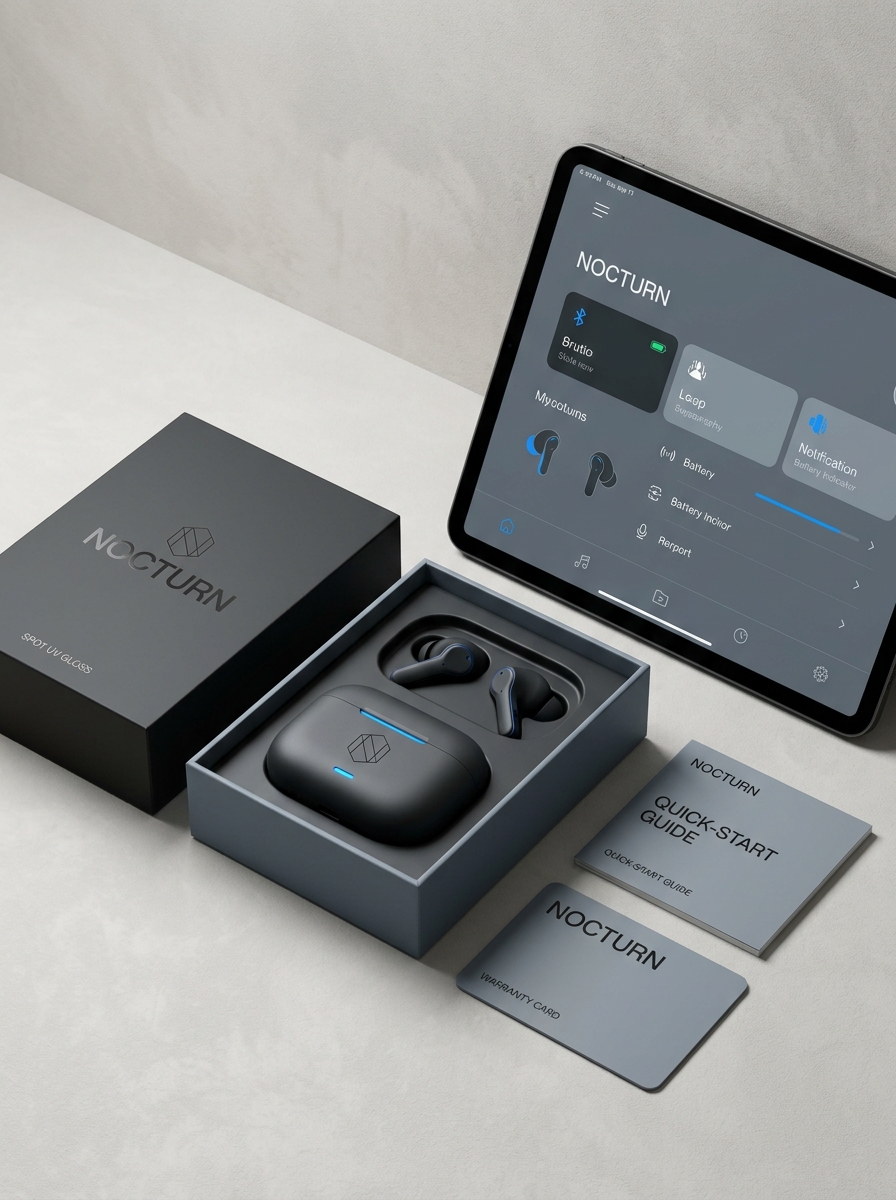
Mastering wireless earbud packaging requires a strategic fusion of functional engineering and sophisticated visual aesthetics. As the primary physical touchpoint between a brand and its audience, the unboxing experience serves as a critical driver for perceived value and consumer trust.
Effective packaging design transcends simple containment; it integrates minimalist structural concepts with premium tactile finishes to captivate modern users. By prioritizing high-quality materials and sustainable solutions, manufacturers can protect sensitive audio hardware while communicating a narrative of innovation. This guide explores the essential design elements-from ergonomic internal layouts to high-impact graphic silhouettes-that define successful audio product branding. Understanding these core principles allows brands to create a sensory journey that resonates with tech enthusiasts and elevates the overall product lifecycle.
The Importance of First Impressions in Audio Branding
In the competitive wireless earbuds market, first impressions are pivotal in establishing long-term brand loyalty. Audio branding extends beyond the music; it encompasses the entire sensory experience, from the premium unboxing to the initial Bluetooth pairing sequence.
A distinctive acoustic signature or a unique power-on chime acts as an auditory logo, immediately signaling quality and technical sophistication. When users experience seamless connectivity and instant ergonomic comfort, it reinforces the perception of a high-end product.
By prioritizing these early touchpoints, manufacturers can differentiate their true wireless stereo (TWS) devices through a cohesive identity. A strong first impression ensures that the audio quality and brand values resonate with the consumer from the very first second of use.
Defining Aesthetic Identities for Wireless Earbud Collections
Establishing a distinct aesthetic identity is essential for wireless earbud collections to differentiate themselves in a competitive market. This process involves curating a cohesive design language that resonates with specific user demographics, such as minimalists, athletes, or tech enthusiasts.
A well-defined aesthetic integrates visual appeal with functional design through several key factors:
- Form Factor: Choosing between sleek, stemless buds or iconic, ergonomic silhouettes.
- Materiality: Utilizing premium finishes like matte polymers, metallic accents, or sustainable composites.
- Color Palettes: Implementing neutral tones for a professional look or vibrant, high-visibility hues for sports-oriented lines.
By harmonizing ergonomic comfort with visual storytelling, manufacturers transform wireless earbuds from simple audio peripherals into essential lifestyle accessories that reflect the user's personal style and brand loyalty.
Engineering the Ultimate Unboxing Experience
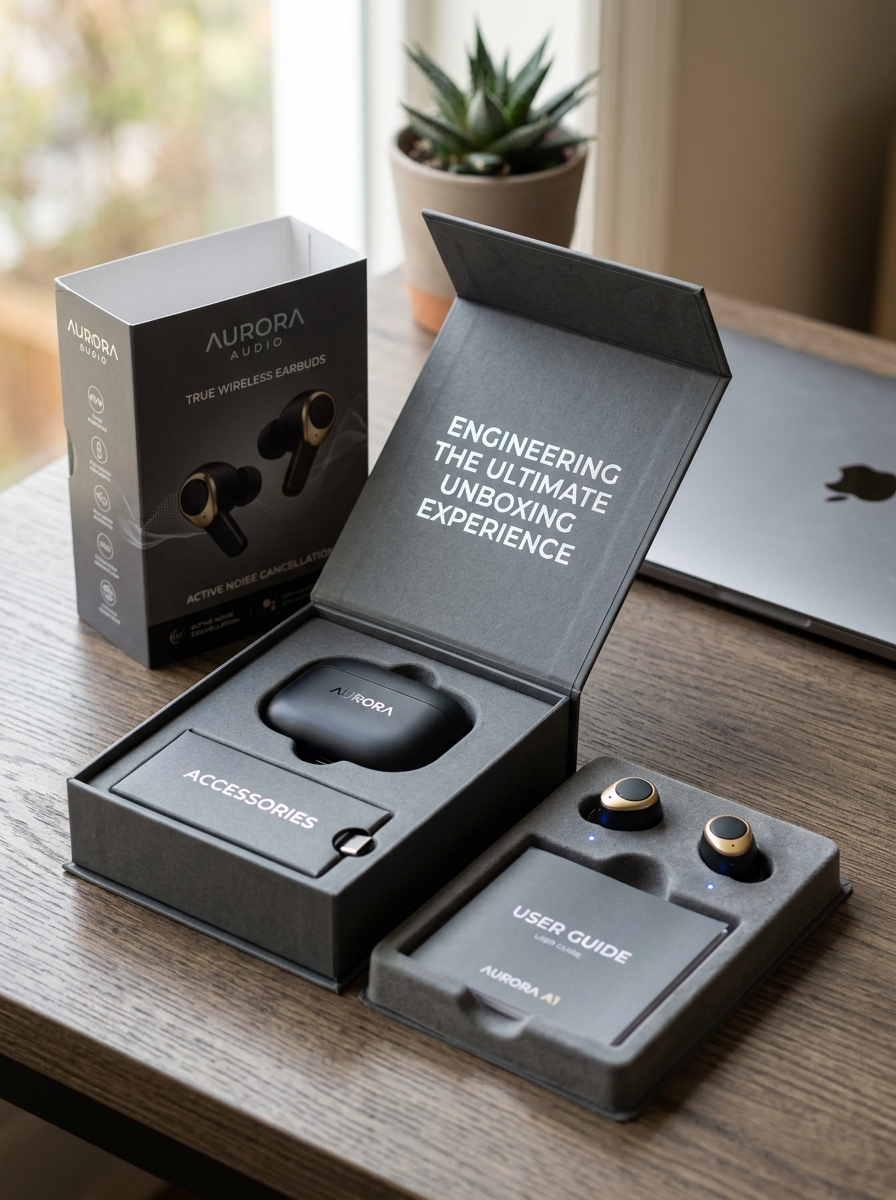
For premium wireless earbuds, the user journey begins the moment the seal is broken. Engineering an elite unboxing experience requires a strategic blend of structural aesthetics and sensory feedback. Leading brands focus on tactile packaging design, utilizing high-quality, sustainable materials and precision-molded inserts that showcase the charging case as a centerpiece.
Key semantic elements include magnetic closures for a premium "click" and intuitive layouts that prioritize immediate access to ear tips and USB-C charging cables. By streamlining the path from box to Bluetooth pairing, manufacturers leverage the "halo effect," where a seamless physical introduction enhances the perceived audio quality and brand value. This meticulous attention to detail ensures the first interaction is as frictionless as the wireless technology itself.
Sustainable Materials and Eco-Conscious Packaging Architecture
Modern wireless earbuds are evolving to prioritize environmental responsibility through innovative engineering. Manufacturers are increasingly utilizing recycled post-consumer plastics and bio-based polymers to construct durable, high-performance housings. This shift toward sustainable materials reduces the carbon footprint of audio hardware while supporting a circular economy.
Beyond the device, eco-conscious packaging architecture focuses on biodegradable materials, FSC-certified paper, and soy-based inks. By eliminating single-use plastics and optimizing box volume to reduce shipping emissions, brands ensure the entire product lifecycle is environmentally sound. These advancements in eco-friendly audio technology allow consumers to enjoy premium sound quality without compromising their commitment to global conservation and sustainability.
The Power of Minimalism and Strategic Negative Space
In modern wireless earbud design, minimalism serves as a bridge between high-end aesthetics and ergonomic functionality. By utilizing strategic negative space, manufacturers create sleek, button-free interfaces that prioritize intuitive touch controls and a lightweight footprint. This "less is more" approach ensures that the focus remains on core audio performance and long-term wearer comfort.
From a branding perspective, negative space in product imagery highlights the sophisticated contours and premium finishes of the device. It eliminates visual clutter, allowing key technologies like active noise cancellation and high-fidelity drivers to take center stage. Ultimately, embracing minimalist principles allows wireless audio gear to feel less like a gadget and more like a seamless extension of the user's lifestyle, proving that simplicity is the ultimate sophistication in portable sound.
Structural Integrity and Protective Internal Compartmentalization
Modern wireless earbuds are engineered with a focus on structural integrity to withstand daily physical stressors. A key design element is protective internal compartmentalization, which involves isolating sensitive electronics-such as the lithium-ion battery, acoustic drivers, and PCB-into dedicated, reinforced chambers. This specialized internal architecture serves multiple purposes: it prevents component shifting during impacts, minimizes electromagnetic interference between parts, and provides additional barriers against moisture ingress.
By utilizing high-density polymers or metallic alloys, manufacturers create a rigid framework that protects delicate circuitry from mechanical failure. This sophisticated internal layout ensures that even if the outer shell sustains pressure or drops, the core functional units remain secure. Effective compartmentalization is essential for maintaining long-term hardware reliability and peak audio performance in compact wearable technology.
Leveraging Premium Finishes and Tactile Textures
In the competitive wireless earbuds market, manufacturers utilize premium finishes and tactile textures to differentiate their products and enhance user experience. By integrating materials like anodized aluminum, matte composites, and soft-touch coatings, brands transition audio devices into luxury accessories.
These design choices serve both aesthetic and functional purposes:
- Enhanced Grip: Textured surfaces provide a secure hold, reducing the risk of dropping small earbuds or charging cases.
- Smudge Resistance: Matte and brushed finishes minimize visible fingerprints, maintaining a pristine, high-end appearance.
- Intuitive Navigation: Tactile cues on touch-sensitive areas allow users to locate controls quickly without visual aid.
Ultimately, prioritizing sensory details creates a premium perception of durability and sophistication. This strategic focus on "look and feel" ensures that the hardware resonates with audiophiles who value both superior sound and refined industrial design.
Communicating Key Features through Effective Information Hierarchy
For wireless earbuds, an information hierarchy ensures that potential buyers grasp essential specifications quickly. By strategically organizing content, brands can highlight "hero" features-such as Active Noise Cancellation (ANC) and battery life-before diving into technical nuances.
To optimize clarity and search engine visibility, follow a logical structure:
- Core Value Proposition: Lead with the primary benefit, such as high-fidelity sound or ergonomic comfort.
- Secondary Specifications: Detail connectivity features like Bluetooth 5.3, low-latency modes, and multipoint pairing.
- Supporting Data: Provide granular details like IPX water-resistance ratings and fast-charging capabilities in structured lists.
A well-defined hierarchy reduces cognitive load, allowing users to scan for compatibility and performance metrics. This semantic approach not only improves user experience but also helps search engines index the most relevant product attributes effectively.
Color Theory and Visual Storytelling for Retail Success
In the competitive wireless earbuds market, color theory is a vital strategic tool for driving conversions. Beyond mere aesthetics, color influences consumer psychology and brand perception. For example, matte black typically signifies professional-grade technology and sophistication, while vibrant or pastel hues cater to lifestyle and fitness-oriented demographics looking for personal expression.
Effective visual storytelling integrates these color choices across packaging and digital storefronts to create a cohesive brand narrative. By aligning product shades with specific target personas-such as minimalist white for tech enthusiasts or bold neons for high-energy athletes-retailers can increase emotional resonance. Utilizing strategic color palettes helps earbuds stand out in a saturated retail environment, ultimately boosting brand loyalty and retail performance through intentional visual communication.
Future Innovations in Smart Packaging for Personal Audio
The evolution of wireless earbuds is extending beyond the device into revolutionary smart packaging solutions. Future designs are shifting toward sustainable materials integrated with embedded NFC technology. This enables users to instantly access digital manuals, warranty registrations, and firmware updates through a simple smartphone tap, eliminating paper waste.
Innovations include multi-functional packaging that transforms into UV-C sanitizing stations or secondary power banks, significantly reducing environmental impact. Furthermore, Augmented Reality (AR) triggers on the box are set to redefine the unboxing experience, offering interactive setup tutorials and immersive brand storytelling. These semantic-driven advancements ensure that packaging is no longer a discardable shell but a functional component of the audio ecosystem, enhancing security and consumer engagement in the competitive personal audio market.
Leave a comment