
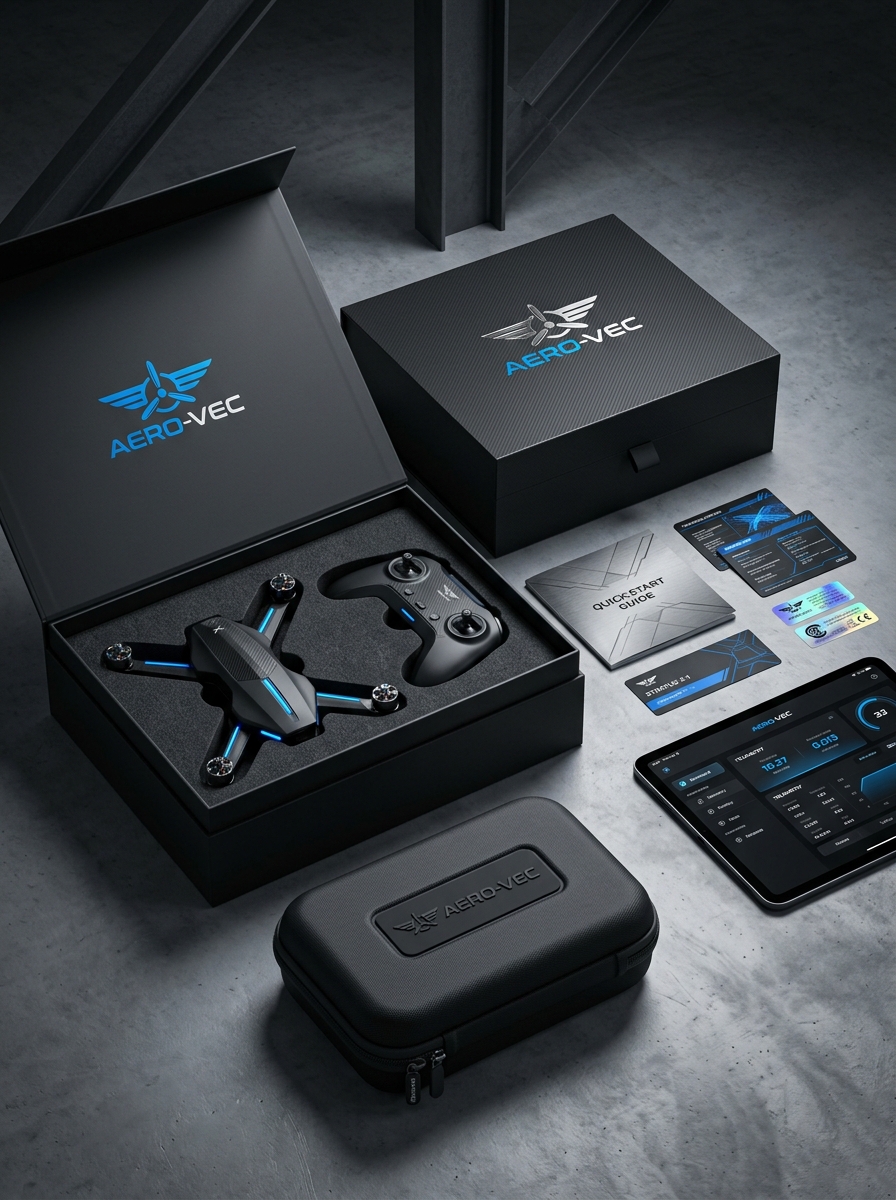
In the rapidly evolving consumer electronics market, mini drone packaging design serves as the vital intersection between brand identity and hardware protection. Effective packaging must harmonize minimalist aesthetics with rigorous technical standards to ensure product safety during transit while simultaneously captivating the modern tech enthusiast.
From selecting eco-friendly, high-density materials to implementing precision-cut internal housing, manufacturers must navigate a complex landscape of structural integrity and regulatory compliance. This exploration delves into the essential design principles and engineering benchmarks necessary to create premium, functional packaging for compact aerial technology, focusing on impact resistance, weight optimization, and the consumer unboxing experience.
The Evolution of Mini Drone Packaging Trends
The evolution of mini drone packaging reflects a strategic shift from basic product protection to an immersive user experience. Initially, manufacturers utilized oversized, plastic-heavy containers to safeguard delicate rotors and sensors. However, modern trends now prioritize sustainability, portability, and minimalist aesthetics.
Current packaging designs often feature eco-friendly, biodegradable materials and compact footprints that reduce shipping costs and carbon emissions. A significant shift is the "unboxing experience," where premium textures and organized compartments enhance brand value. Furthermore, many brands now design packaging to double as a durable carrying case, providing long-term utility. The integration of QR codes for digital manuals has also replaced bulky paper inserts, aligning with the tech-savvy nature of the drone community and emphasizing a commitment to environmental responsibility.
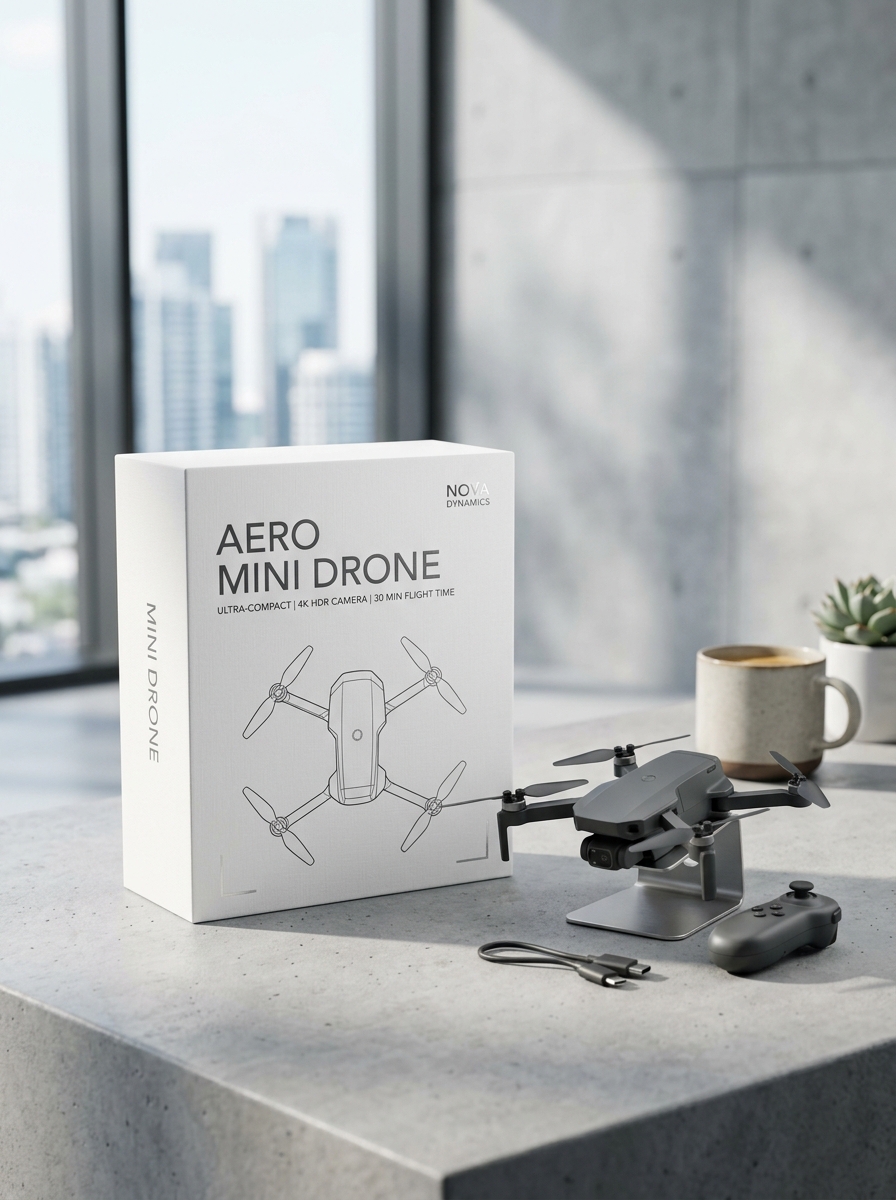
Defining Minimalist Aesthetics for Modern Drone Branding
In the evolving landscape of mini drones, minimalist aesthetics serve as a bridge between high-end technology and consumer accessibility. Modern drone branding prioritizes clean lines, monochromatic color schemes, and compact form factors to communicate portability and ease of use.
By stripping away superfluous design elements, brands highlight the core functionality of these ultra-portable quadcopters. This design philosophy utilizes sans-serif typography and generous white space in marketing and packaging, aligning the product with the lifestyle of modern tech enthusiasts. Ultimately, minimalist branding for mini drones isn't just about visual appeal; it is a strategic approach to reinforce a sense of precision, innovation, and lightweight performance in a competitive electronics marketplace.
Critical Dimensions and Spatial Efficiency in Compact Boxes
In the evolution of mini drones, engineering focuses on maximizing performance within strict physical constraints. Critical dimensions are vital, as they determine the aircraft's portability, aerodynamic drag, and regulatory classification-specifically the sought-after sub-250g category.
Spatial efficiency involves the high-density integration of internal components. To achieve a compact "box" profile, manufacturers utilize multi-stack flight controllers, integrated ESCs, and folded-wing geometries. This precision packaging ensures that every cubic millimeter is utilized, balancing the power-to-weight ratio with structural integrity. By minimizing dead space, these drones achieve better weight distribution and battery longevity, allowing for professional-grade sensors and flight stability in a palm-sized form factor. Optimizing this internal layout is essential for thermal management and signal reliability in micro-UAV ecosystems.
Material Selection for High Impact Structural Protection
Optimizing mini drone durability requires a strategic balance between rigidity and energy absorption. To withstand high-velocity collisions, engineers prioritize lightweight materials that prevent structural failure without compromising flight agility.
- Carbon Fiber: The industry standard for frames, offering an exceptional strength-to-weight ratio and the stiffness necessary for flight stability.
- Polycarbonate: Highly favored for propeller guards and canopies due to its high impact resistance and ability to flex without fracturing.
- TPU (Thermoplastic Polyurethane): An elastic polymer used in 3D-printed mounts to dampen vibrations and absorb kinetic energy, protecting sensitive internal electronics.
Selecting high-tenacity materials ensures the airframe can effectively dissipate force during impacts, significantly extending the operational lifespan of micro-class UAVs in demanding environments.
Engineering Custom Foam Inserts for Internal Component Safety
Mini drones contain highly sensitive electronics, including flight controllers, ESCs, and fragile camera gimbals. Engineering custom foam inserts is vital for ensuring internal component safety against high-G impacts and vibrations. By utilizing precision-cut materials like high-density EVA or EPE foam, these inserts create a secure, shock-absorbent cradle tailored to the drone's specific geometry.
Advanced manufacturing techniques, such as CNC routing or laser cutting, ensure a millimeter-perfect fit for batteries and propulsion systems. This snug interface prevents internal shifting during transit, significantly reducing the risk of structural fatigue or electrical shorts. For professional pilots, custom foam solutions provide a robust barrier that preserves hardware calibration and extends the operational lifespan of the aircraft. Prioritizing these tailored protective layers is essential for maintaining the flight integrity of any compact aerial platform.
Mandatory Regulatory Labelling and Compliance Standards
Operating mini drones requires strict adherence to international aviation protocols. Even for aircraft weighing under 250 grams, specific regulatory markings are mandatory to ensure legal compliance and airspace safety.
In the European Union, drones must feature the CE marking and Class Identification Labels (such as C0) to confirm they meet health and safety standards. In the United States, FCC ID certification is required for radio frequency usage, and many regions now mandate Remote ID broadcast capabilities.
Pilots must prominently display their unique Operator ID on the drone's chassis. These compliance standards verify that the hardware meets electromagnetic compatibility and battery safety requirements. Adhering to these labelling rules prevents legal penalties and ensures the mini drone remains integrated safely within professional and recreational flight ecosystems.
Enhancing the Unboxing Experience Through Functional Design
The first impression of a mini drone is defined by its packaging. Functional design prioritizes user-centric layouts that streamline the transition from box to flight. By utilizing precision-molded inserts, manufacturers ensure that sensitive components like micro-gimbals and rotors remain secure during transit yet stay easily accessible for the user.
An optimized unboxing experience integrates intuitive organization, featuring dedicated compartments for modular batteries and spare parts. Additionally, the inclusion of quick-start guides or QR codes for instant digital setup reduces technical friction. This strategic focus on packaging design minimizes consumer frustration and builds brand trust. By merging protection with accessibility, functional design ensures that pilots can move from unboxing to their first flight in minutes, enhancing the overall value of compact drone technology.
Sustainable Solutions for Lightweight Aerospace Tech Packaging
As the demand for mini drones surges, the industry is pivoting toward eco-friendly initiatives. Lightweight aerospace tech requires packaging that balances structural durability with environmental responsibility. Manufacturers are increasingly adopting biodegradable molded pulp and recycled polymers to shield sensitive flight controllers and micro-motors without adding excessive weight.
These sustainable solutions are critical for optimizing UAV logistics and reducing the overall carbon footprint. By utilizing precision-engineered, minimalist designs, brands can minimize material waste while providing superior shock absorption. This evolution in packaging ensures that mini drone components remain protected during transit, aligning high-performance aerospace technology with global green standards. Ultimately, green packaging reduces shipping costs and environmental impact without compromising the safety of delicate aerial hardware.
Color Theory and Visual Hierarchy in Tech Product Marketing
In the competitive mini drone market, color theory and visual hierarchy are essential for capturing consumer attention. Brands strategically utilize color to evoke specific emotions; for instance, vibrant orange or racing red signifies agility and high performance, while matte black finishes suggest professional-grade stealth and durability.
Visual hierarchy complements these color choices by organizing technical specifications-such as 4K camera resolution and GPS stability-through contrast, scale, and strategic typography. By placing high-contrast call-to-action buttons against neutral backgrounds, marketers guide the consumer's eye toward key conversion points. Mastering these design elements ensures that even the most compact drones are perceived as powerful, high-tech tools, effectively differentiating products in a saturated digital landscape and building immediate brand authority.
Future Outlook on Smart Packaging for Consumer Electronics
The future of mini drone packaging is shifting toward "intelligent" systems that prioritize both hardware safety and digital connectivity. As consumer electronics become more sophisticated, smart packaging will integrate NFC (Near Field Communication) and AR-enabled QR codes, allowing users to access interactive flight tutorials and safety regulations before even opening the box.
To protect sensitive flight controllers and lithium batteries, upcoming designs will feature embedded sensors that monitor impact, moisture, and temperature during transit. Furthermore, the industry is moving toward sustainable, RFID-integrated materials to enhance supply chain traceability while reducing e-waste. These advancements ensure that mini drones arrive calibrated and ready for flight, transforming the traditional box into a functional tool that bridges the gap between physical protection and the digital user experience.
Leave a comment