
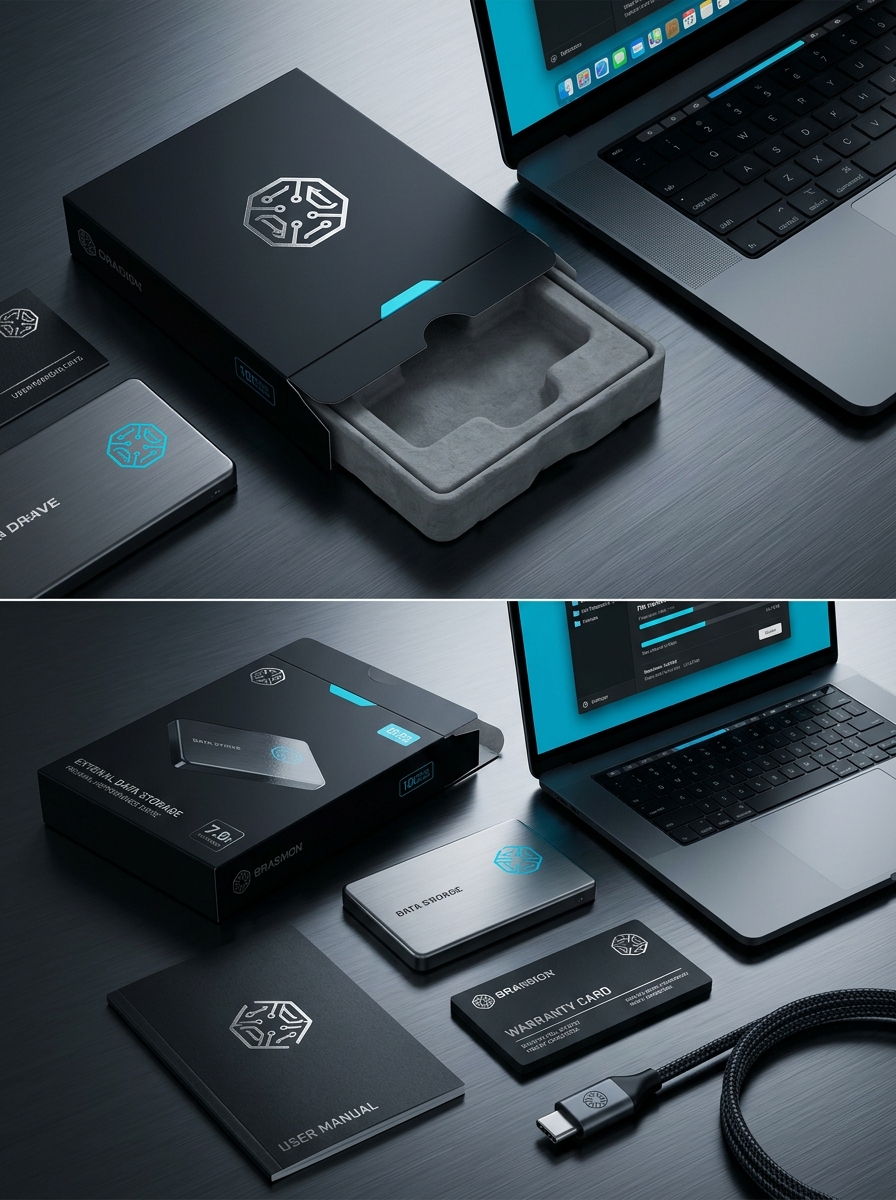
Packaging for external hard drives has transitioned from basic protective utility into a vital extension of the product's brand identity. As consumers increasingly prioritize both form and function, the outer box serves as the primary touchpoint for communicating reliability, speed, and technological sophistication. Mastering this first impression requires a strategic blend of structural engineering and visual storytelling.
This guide explores the essential aesthetic principles and creative concepts that define modern data storage packaging. From minimalist typography to the tactile quality of sustainable materials, every design choice influences the consumer's perception of value. By optimizing the unboxing experience through thoughtful layouts and innovative graphics, brands can differentiate their hardware, ensuring their products resonate with a tech-savvy audience long before the device is ever plugged in.
The Importance of First Impressions in Tech Packaging
In the competitive landscape of external hard drives, packaging serves as the critical first touchpoint for consumer trust. High-quality packaging does more than protect sensitive internal components; it communicates product reliability and brand authority. Because portable storage devices house valuable personal and professional data, a robust and professional exterior signals that the manufacturer prioritizes data integrity and hardware durability.
Strategic tech packaging also simplifies the user experience by highlighting essential technical specifications like storage capacity, interface compatibility (such as USB-C or Thunderbolt), and data transfer speeds. When a brand invests in premium materials and clear, informative design, it reduces consumer friction and elevates the perceived value of the hardware. Ultimately, a strong first impression through packaging transforms a commodity utility into a trusted tech essential.
Integrating Brand Identity with Modern Storage Aesthetics
Modern external hard drives have transcended mere utility, becoming essential lifestyle accessories that reflect a manufacturer's unique brand identity. Leading tech companies prioritize industrial design to differentiate their products in a saturated market. This integration involves a careful balance between form and function, utilizing premium materials like anodized aluminum or ruggedized silicone to signal reliability and performance.
Whether through minimalist aesthetics that complement high-end laptops or vibrant, RGB-lit enclosures for the gaming community, the visual language of a storage device communicates its core purpose. By aligning storage aesthetics with consumer expectations, brands create a cohesive ecosystem where hardware feels like a natural extension of the user's workspace. This strategic design approach ensures that technical specifications like high-speed data transfer are matched by a sophisticated, recognizable physical presence.
The Rise of Minimalist Design for Data Hardware
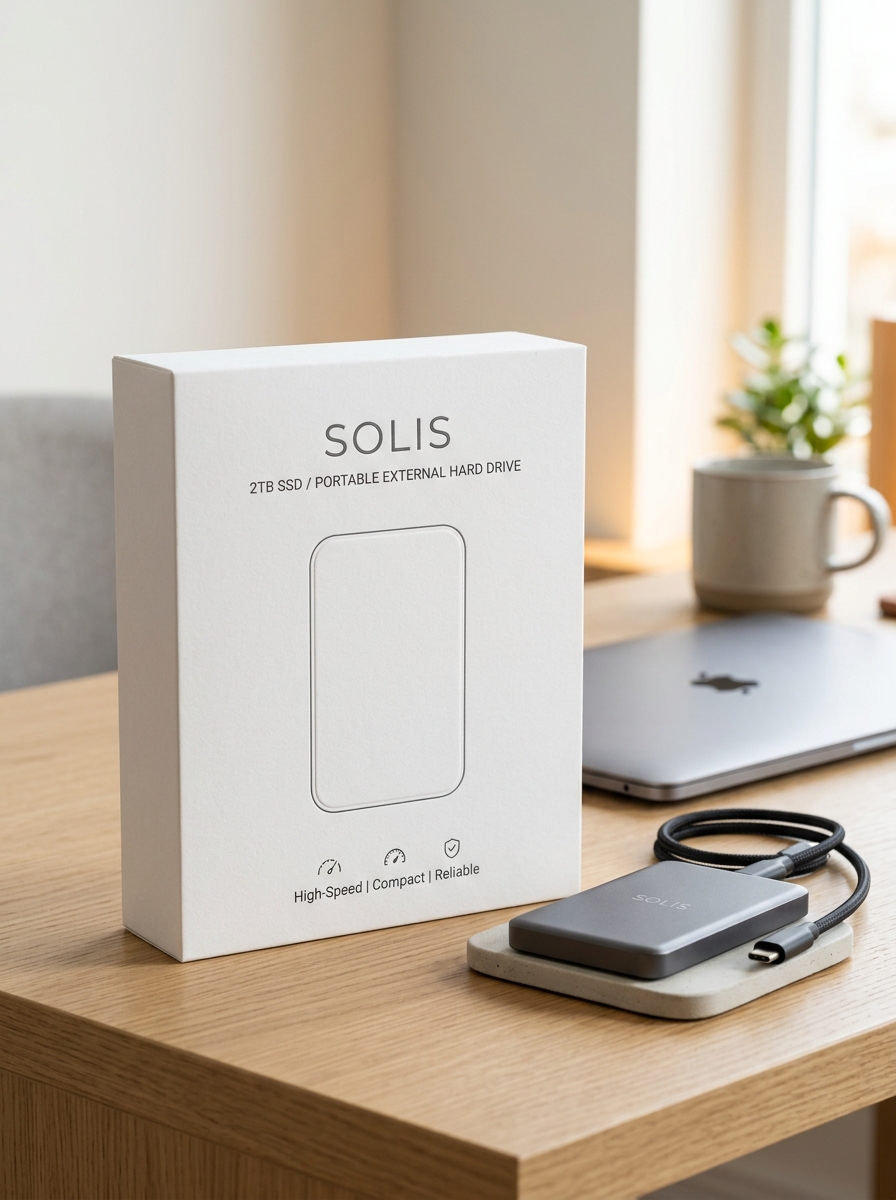
Modern external hard drives have evolved from bulky peripherals into sleek, sophisticated accessories. This shift toward minimalist design reflects a demand for portable storage that complements the aesthetics of contemporary laptops and ultrabooks. By utilizing premium materials like brushed aluminum and matte finishes, manufacturers create devices that are both durable and visually unobtrusive.
This design philosophy prioritizes a "less is more" approach, often replacing complex buttons with plug-and-play functionality. The integration of USB-C connectivity allows for slimmer profiles and faster data transfer rates without the need for additional power cables. Consequently, minimalist hardware offers a clutter-free solution for professionals who require high-capacity backup drives that fit easily into a pocket or laptop bag. As data hardware becomes more compact, the focus remains on blending high-performance technology with an elegant, streamlined form factor.
Strategic Material Selection and Sustainable Solutions
Modern external hard drives prioritize both performance and environmental responsibility through strategic material selection. Manufacturers are increasingly utilizing aircraft-grade aluminum for its superior heat dissipation and recyclability, or high-density post-consumer recycled (PCR) plastics to reduce carbon footprints.
Key sustainable advancements in the storage industry include:
- Durability: Ruggedized casings extend the device lifecycle, significantly reducing electronic waste (e-waste).
- Energy Efficiency: Integrated power-management firmware lowers electricity consumption during idle periods.
- Eco-friendly Packaging: Transitioning to plastic-free, biodegradable materials to minimize landfill impact.
By integrating these sustainable solutions, brands ensure that high-capacity storage meets rigorous environmental standards like RoHS and EPEAT, balancing high-speed data needs with ecological preservation.
Maximizing Clarity through Typography and Information Hierarchy
Effective data management begins with information hierarchy. When presenting external hard drive specifications, clarity is essential for helping users distinguish between capacity, speed, and connectivity. Utilizing high-contrast typography ensures that critical data, such as storage volume (e.g., 2TB) and interface types (USB-C or Thunderbolt), is immediately legible.
A well-structured layout organizes technical details to reduce cognitive load. Key elements of this hierarchy include:
- Primary Data: Bold headings for storage capacity and drive technology (SSD vs. HDD).
- Secondary Specs: Clear labeling for read/write speeds and encryption standards.
- Compatibility: Distinct typography to highlight OS requirements and port versions.
By prioritizing information through logical font scaling and weight, manufacturers transform complex technical specifications into an intuitive user experience, ensuring consumers find the right storage solution quickly and accurately.
Leveraging Color Psychology for Consumer Trust
In the competitive external hard drive market, color serves as a silent communicator of reliability and performance. Manufacturers strategically select palettes to influence consumer perception and foster immediate brand trust. For instance, black and metallic silver finishes are frequently employed to evoke professionalism, durability, and high-tech sophistication, signaling that the device can withstand heavy use.
Furthermore, blue accents are often integrated to symbolize security and data integrity, providing a sense of calm for users concerned about data loss. Modern, minimalist designs may utilize white or matte textures to suggest simplicity and ease of use. By aligning hardware aesthetics with subconscious psychological triggers, brands transform a functional storage tool into a symbol of digital safety. This strategic use of color ensures that the hardware feels as stable and secure as its internal technical specifications suggest.
Combining Structural Protection with Sleek Visual Formats
Modern external hard drives represent a sophisticated balance between robust engineering and minimalist design. To ensure structural integrity, manufacturers utilize shock-absorbent silicone sleeves, reinforced internal frames, and pressure-resistant casings. These protective layers shield sensitive platters or flash memory from physical impacts, drops, and environmental vibrations, ensuring long-term data security.
Beyond durability, today's devices prioritize sleek visual formats to complement high-end hardware. Utilizing premium materials like brushed aluminum, matte polycarbonate, and ultra-slim profiles, these drives offer a professional aesthetic that fits seamlessly into a modern workspace. This synergy of form and function allows users to enjoy portable storage that is both rugged enough for travel and stylish enough for executive environments, proving that high-level protection does not require a bulky footprint.
Crafting an Immersive Unboxing Experience for Storage Devices
The unboxing journey for external hard drives serves as a critical bridge between purchase and performance. Manufacturers can elevate the user experience by prioritizing high-quality, sustainable materials that reflect the hardware's durability. An organized internal layout, featuring secure padding and dedicated compartments for USB-C cables and adapters, protects sensitive data components while minimizing clutter.
Incorporating tactile elements and intuitive quick-start guides ensures immediate plug-and-play usability, reducing setup friction for the consumer. A premium unboxing experience reinforces brand reliability and encourages positive social media engagement. By treating the packaging as an extension of the storage device itself, brands transform a routine task into a memorable interaction that validates the customer's investment in data security and portable storage technology.
Innovative Textures and Graphic Concepts for Hardware Boxes
Modern external hard drive packaging utilizes innovative textures and graphic concepts to communicate product durability and technical performance. Manufacturers are moving beyond plain cardboard, adopting tactile finishes like soft-touch matte coatings, metallic foiling, and spot UV highlights to create a premium shelf presence.
Key trends in hardware packaging design include:
- Tactile Storytelling: Using embossed patterns that mimic carbon fiber or brushed aluminum to reflect the drive's internal build.
- Data-Centric Graphics: Incorporating abstract, high-contrast vector lines that symbolize high-speed data transfer and connectivity.
- Sustainable Sophistication: Utilizing molded pulp and recycled materials with sophisticated laser-etched branding for an eco-friendly yet high-tech aesthetic.
These design elements ensure that the packaging aligns with the cutting-edge technology inside, establishing brand trust and enhancing the consumer unboxing experience.
Defining the Future of External Hard Drive Packaging Trends
The evolution of external hard drive packaging is pivoting toward sustainability and minimalist design. As environmental awareness grows, manufacturers are transitioning from plastic-heavy containers to eco-friendly materials like FSC-certified cardboard and biodegradable molded pulp. This shift reduces the carbon footprint while maintaining premium brand aesthetics.
Technological integration is also redefining the unboxing experience. Future trends include smart packaging featuring QR codes that link directly to digital manuals and cloud-based warranty registration, significantly reducing paper waste.
Furthermore, modern designs prioritize impact-resistant structural integrity. By using precision-engineered internal buffers, packaging ensures that sensitive HDD and SSD components remain protected during global logistics. Ultimately, the future of external storage packaging balances robust physical protection with ecological responsibility and digital connectivity.
Leave a comment