
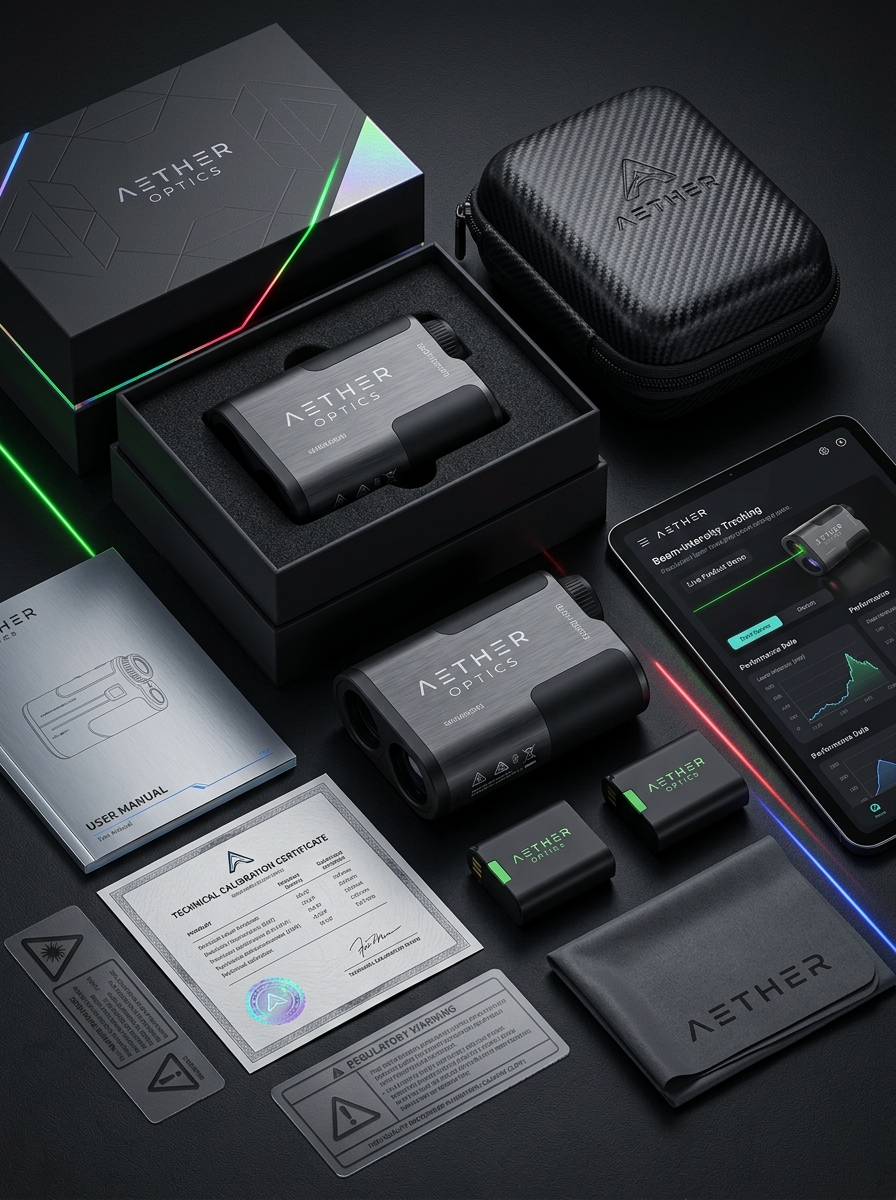
Laser pointer packaging serves as the critical first touchpoint between a brand and its user, bridging the gap between functional utility and a premium consumer experience. Beyond simple containment, sophisticated design concepts transform these precision tools into high-end electronic accessories. By prioritizing visual aesthetics-including sleek minimalism, tactile finishes, and structured internal layouts-manufacturers can significantly elevate the perceived value of the hardware within.
High-quality packaging does more than protect delicate internal optics during transit; it communicates a commitment to innovation and technical craftsmanship. This exploration into the intersection of ergonomics and visual identity reveals how strategic material selection and professional color palettes redefine market expectations. Understanding these essential design pillars is vital for brands aiming to resonate with professionals and enthusiasts, ensuring the exterior is as precise and impressive as the laser beam itself.
The Strategic Importance of Packaging in the Laser Pointer Industry
In the laser pointer industry, packaging is a critical element for safety, compliance, and brand differentiation. Beyond aesthetics, high-quality packaging protects sensitive internal components-such as laser diodes and precision lenses-from dust, moisture, and physical impact during transit. Strategically designed housing prevents accidental activation, preserving battery life and ensuring user safety.
Furthermore, packaging serves as a vital communication tool. It provides essential space for regulatory information, including laser classifications (e.g., Class 2 or 3R) and mandatory safety warnings. For high-end presentation or industrial lasers, premium cases reinforce product quality and professionalism, building consumer trust. By combining functional protection with clear technical labeling, manufacturers can meet rigorous international standards while enhancing the overall customer experience in a competitive electronics market.
Defining Visual Identity for Professional and Consumer Markets
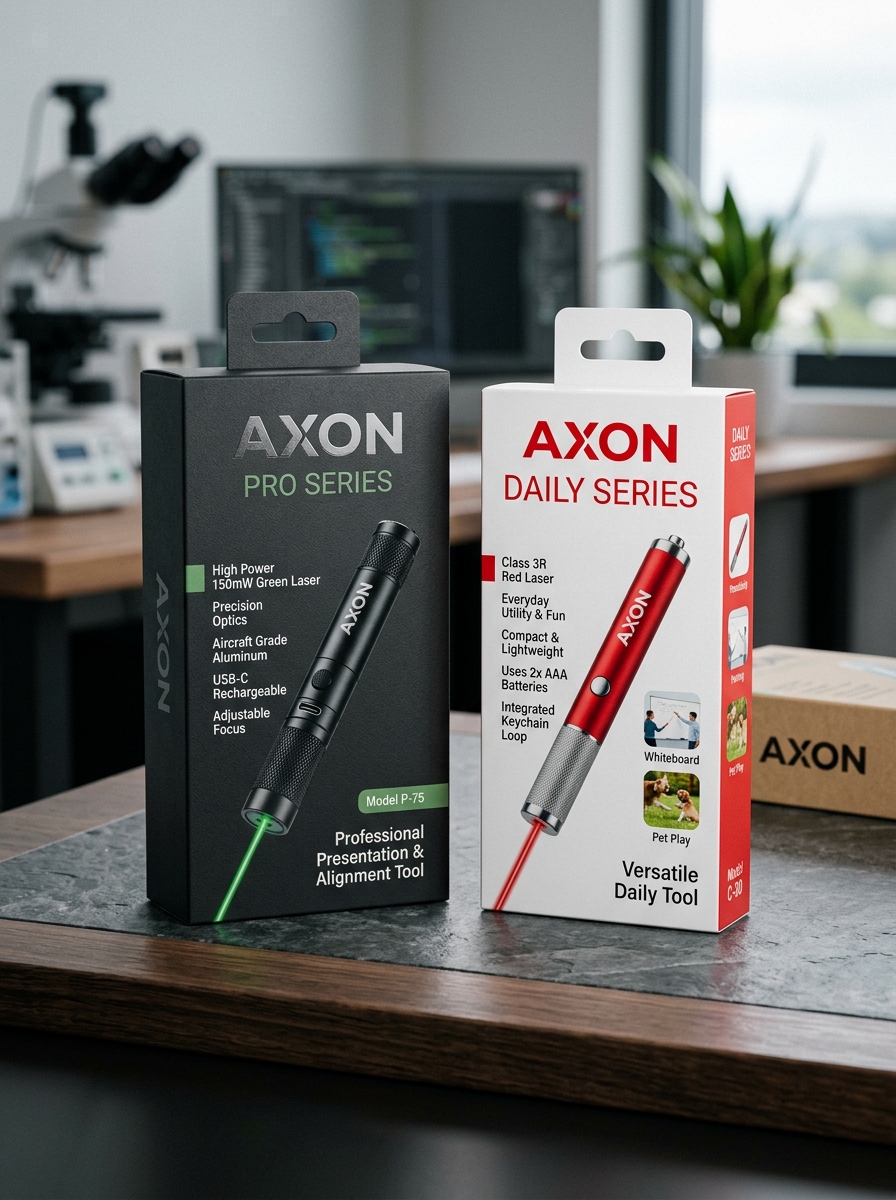
The visual identity of laser pointers serves as a critical bridge between technical functionality and target audience expectations. In professional markets, design language emphasizes industrial durability and precision. These high-end instruments often feature brushed aluminum housings, ergonomic grips, and matte finishes to convey reliability for sectors like construction, medicine, and astronomy.
Conversely, the consumer market prioritizes versatility and approachability. These devices frequently utilize lightweight polymers, vibrant color palettes, and compact form factors, such as keychain attachments. While professional units signal power through substantial weight and minimalist aesthetics, consumer models focus on portability and ease of use, often doubling as presentation remotes or pet toys. By aligning physical design with user intent, manufacturers successfully differentiate high-performance optical tools from everyday gadgets, ensuring the visual brand resonates with the specific needs of each demographic.
Material Selection and the Impact of Premium Tactile Quality
In high-end laser pointer construction, material selection is the foundation of both durability and user experience. Manufacturers typically utilize aerospace-grade aluminum, stainless steel, or solid brass to provide a substantial "hand-feel" that signifies professional quality. These metals are chosen not only for their structural integrity but also for superior thermal management, effectively dissipating heat to protect the internal diode.
The tactile quality is further refined through premium finishes, such as Type III hard-anodization, which offers a scratch-resistant, non-slip grip. A well-balanced weight distribution and the mechanical feedback of a high-quality activation switch transform the device into a precision instrument. By prioritizing ergonomic design and high-grade metallurgy, a laser pointer provides a sensory experience that communicates reliability and power, ensuring long-term performance and user satisfaction.
Harnessing Minimalist Design for Technical Precision
In the realm of optical technology, modern laser pointers exemplify how minimalist design directly enhances technical precision. By stripping away unnecessary aesthetic clutter, manufacturers prioritize the core functionality: a stable, coherent light beam. A streamlined, ergonomic chassis-often crafted from aircraft-grade aluminum-provides the durability required for professional environments while maintaining a lightweight profile.
This focus on simplicity ensures that the internal laser diode and circuitry operate with peak efficiency. For specialists in astronomy, industrial alignment, and medical research, a minimalist interface allows for instinctive, one-handed operation. When a tool is designed with high-performance optics and zero distractions, the result is superior accuracy. Ultimately, minimalist engineering ensures that every milliwatt of power is dedicated to delivering a precise, reliable point of light.
Effective Typography for Product Specifications and Branding
In the laser pointer industry, typography is essential for conveying technical precision and establishing brand authority. For product specifications-such as wavelength (nm), diode type, and safety classifications-utilizing high-legibility sans-serif fonts is critical. These typefaces ensure that vital safety data and performance metrics are readable at a glance, reducing user error.
Regarding branding, font selection defines the product's market positioning. Bold, geometric typefaces reflect durability for industrial use, while sleek, light-weight fonts cater to professional presenters. Implementing a logical visual hierarchy-using distinct weights for headers and organized lists for features-enhances the consumer's experience. By prioritizing clarity and structural consistency, manufacturers can effectively communicate complex technical details while reinforcing a modern, trustworthy brand identity through professional design.
Integrating Safety Regulations and Compliance into Visual Design
Effective visual design for laser pointers must harmonize aesthetic appeal with strict safety regulations. Compliance with international standards, such as IEC 60825-1 or FDA requirements, necessitates the seamless integration of mandatory warning labels and classification markers into the product's hardware.
Designers prioritize visual communication by incorporating high-contrast icons and color-coded safety alerts-typically utilizing yellow or orange for visibility. Key compliance elements include:
- Aperture Warnings: Clear indicators marking where the laser beam exits the device.
- Classification Labels: Legible text identifying the laser class (e.g., Class 2 or 3R) and power output.
- Certification Marks: Strategic placement of CE or UL logos to verify regional compliance.
By embedding these regulatory requirements directly into the industrial design, manufacturers ensure user safety while maintaining a professional, ergonomic aesthetic that mitigates liability and enhances consumer trust.
Elevating the Unboxing Experience through Structural Engineering
For high-performance laser pointers, the unboxing experience serves as the first testament to product quality. Through meticulous structural engineering, packaging is transformed from simple protection into a premium brand touchpoint.
Engineers utilize custom-milled high-density foam and rigid-box constructions to secure delicate optical components. This precision-fit design ensures that the laser diode and lens assembly remain perfectly calibrated during transit. Key structural features often include:
- Shock-Absorbent Inserts: Tailored cavities that prevent internal shifting.
- Reinforced Enclosures: Durable outer layers that resist crushing forces.
- Tactile Mechanics: Magnetic closures or friction-fit sleeves that provide a sophisticated, controlled reveal.
By prioritizing physical architecture, manufacturers bridge the gap between industrial utility and luxury, reinforcing the device's precision before it is ever powered on.
Using Color Theory to Represent Beam Intensity and Class
Color theory is essential for understanding the relationship between a laser pointer's wavelength and its perceived brightness. The human eye is most sensitive to the green spectrum (approximately 555nm). Consequently, a green laser appears significantly more intense than a red or blue laser, even if they share the same milliwatt (mW) output.
In technical documentation and safety labeling, color coding often correlates with laser classification and hazard levels:
- Red (635-670nm): Often associated with Class 2 lasers; standard for low-risk presentations.
- Green (515-532nm): Represents high visibility; frequently found in Class 3R and 3B devices.
- Blue/Violet (405-450nm): Perceived as dimmer but often signifies high-energy Class 4 lasers.
By applying these principles, users can visually assess beam intensity and adhere to safety protocols based on the physiological impact of different spectral outputs.
Sustainable Solutions for Eco-Friendly Optics Packaging
As the demand for high-precision laser pointers grows, the industry is pivoting toward eco-friendly optics packaging to reduce environmental impact. Traditional plastic casings are being replaced by sustainable alternatives such as recycled cardboard, molded pulp, and biodegradable starch-based inserts. These materials provide the necessary shock absorption to protect delicate internal diodes and lenses while remaining fully recyclable.
Implementing plastic-free packaging for laser devices significantly lowers the carbon footprint of manufacturing and shipping. By utilizing soy-based inks and minimalist designs, brands can ensure their high-tech tools align with global sustainability standards. Choosing sustainable optics packaging not only safeguards the equipment but also meets the expectations of environmentally conscious consumers looking for responsible technological solutions.
Future Trends in Smart Packaging and Interactive Elements
The evolution of laser pointer technology is significantly influencing the future of smart packaging. Emerging trends focus on interactive elements where handheld laser devices activate light-sensitive sensors or augmented reality (AR) triggers embedded directly into product containers.
Manufacturers are now exploring laser-etched circuitry and conductive inks that respond to specific light wavelengths, transforming standard boxes into interactive digital interfaces. Additionally, laser-responsive smart labels provide real-time authentication and enhanced anti-tamper security. As consumer electronics become more integrated, the synergy between precision laser tools and intelligent packaging will improve user engagement through gamified unboxing experiences and instant digital information retrieval. These advancements bridge the gap between physical retail and digital interaction, positioning laser technology as a key driver in next-generation logistics and marketing.
Leave a comment