
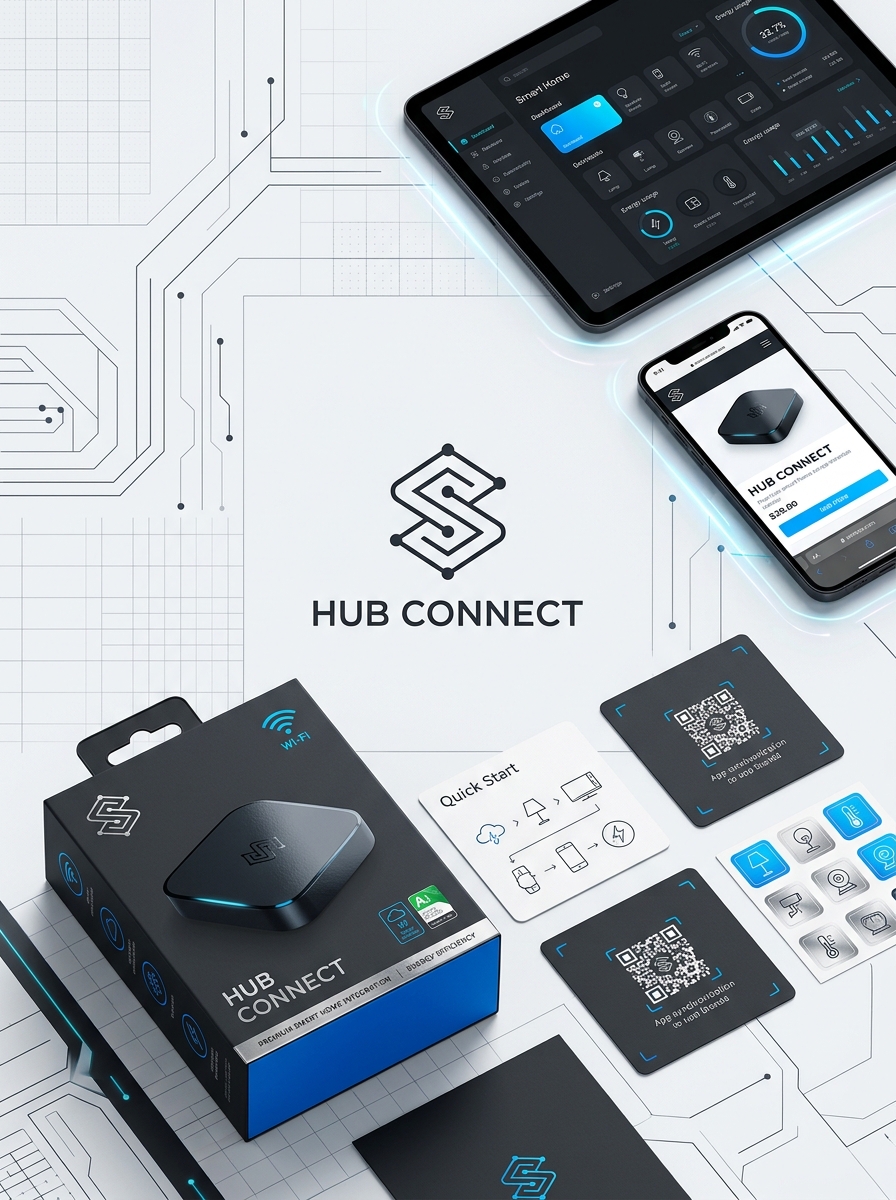
Elevating a smart home brand begins long before a device is connected to a network. Effective smart plug packaging design serves as the critical first touchpoint, translating technical specifications into a tangible lifestyle experience. By integrating modern aesthetic best practices, manufacturers can effectively communicate value, safety, and ease of use at a single glance.
This exploration delves into essential visual concepts-ranging from minimalist typography to high-fidelity product imagery-that define premium consumer electronics packaging. Learn how to balance structural integrity with sophisticated graphic storytelling to create an engaging unboxing process. Mastering these design principles ensures your product captures consumer attention, builds brand authority, and maximizes perceived value within the rapidly evolving smart technology landscape.
The Evolution of Smart Plug Packaging Design
The packaging for smart plugs has evolved from purely functional plastic containers into sophisticated, brand-driven experiences. Early designs often utilized bulky clamshell packaging that focused heavily on technical specifications and hardware protection. As IoT technology became mainstream, the industry shifted toward minimalist aesthetics and sustainable materials.
Modern packaging now prioritizes eco-friendly, recyclable cardboard and compact layouts that mirror the device's small footprint. Key structural changes include integrated QR codes for seamless user onboarding and high-quality graphics highlighting compatibility with ecosystems like Amazon Alexa and Google Home. This evolution reflects a broader trend in consumer electronics: moving away from excessive waste toward intuitive, informative, and environmentally conscious designs that enhance the initial out-of-box experience for the smart home consumer.
Establishing a Modern Visual Brand Identity
In the competitive smart plug market, building a cohesive visual brand identity is essential for conveying innovation and reliability. A modern identity should reflect the "Internet of Things" (IoT) ecosystem through a minimalist aesthetic that emphasizes ease of use and high-tech sophistication.
To optimize brand perception, companies must focus on several key semantic elements:
- Sleek Product Design: Creating hardware that blends seamlessly into contemporary home decor.
- Consistent Color Palettes: Utilizing "tech-forward" colors like electric blue, slate grey, or clinical white to symbolize energy and cleanliness.
- Unified UI/UX: Ensuring the mobile app interface mirrors the physical product's design language for a seamless user experience.
By integrating professional typography and high-quality lifestyle imagery, smart home brands can establish trust and position their products as indispensable tools for the modern, connected household.
Color Palette Selection for Smart Home Technology
Choosing the right color palette for smart plugs is essential for integrating modern technology into interior design. Most manufacturers prioritize neutral tones, such as matte white, off-white, or light grey. These shades are specifically selected to blend seamlessly with standard electrical outlets and wall finishes, maintaining a clean, minimalist aesthetic that does not distract from a room's decor.
Beyond the exterior casing, color plays a vital functional role through LED status indicators. Standardized color coding-typically blue for pairing modes, green for active power, and red for connectivity errors-provides users with immediate visual feedback without the need for a screen. When selecting smart home devices, prioritize palettes that offer a balance between unobtrusive hardware and intuitive, high-contrast visual signals for a superior user experience.
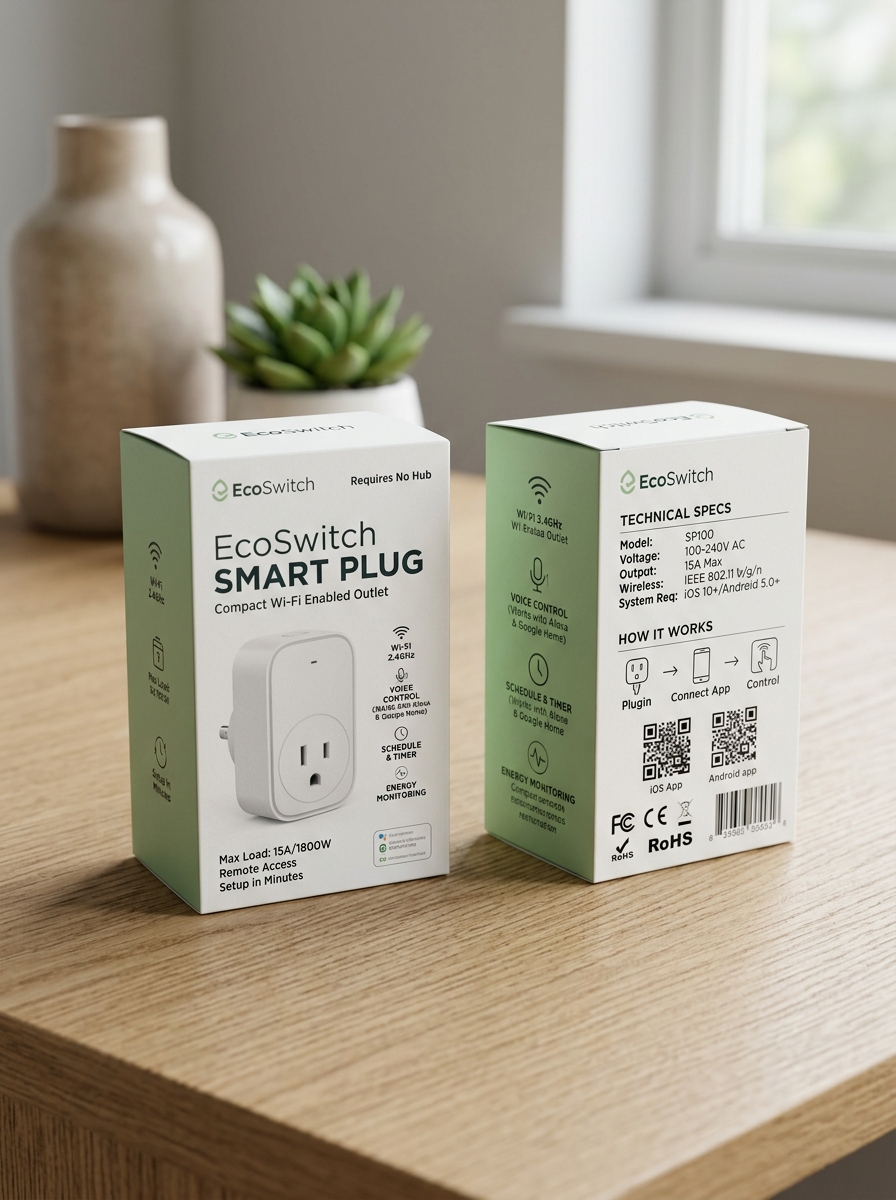
Balancing Minimalist Aesthetics with Technical Information
Modern smart plugs have evolved from bulky adapters into sleek, unobtrusive components of a smart home ecosystem. Achieving a balance between minimalist aesthetics and robust technical specifications is essential for both functionality and interior design. Manufacturers now prioritize compact, "slim-fit" designs that ensure adjacent outlets remain accessible while housing advanced internal hardware.
When selecting a device, look for models that integrate energy monitoring, automated scheduling, and voice assistant compatibility without compromising on size. A high-quality smart plug provides essential amperage ratings and surge protection within a fire-retardant casing. By choosing devices that offer a clean visual profile alongside real-time data insights and Wi-Fi connectivity, users can maintain a sophisticated living space while maximizing the efficiency of their connected appliances.
Typography Strategies for Clarity and Compliance
Optimizing typography for smart plug documentation and mobile applications is essential for user safety and regulatory adherence. To achieve maximum clarity, manufacturers should employ the following strategies:
- Legibility: Use clean, sans-serif typefaces to ensure readability on compact device labels and high-resolution smartphone screens.
- Visual Hierarchy: Utilize distinct font weights to highlight critical electrical specifications, such as voltage limits and maximum load capacities, to comply with UL or ETL safety standards.
- Accessibility: Maintain high color contrast ratios and adequate line spacing to assist users in navigating energy-monitoring data and setup instructions.
Strategic typographic choices reduce user error and ensure that vital safety warnings are immediately recognizable, fulfilling both functional user experience goals and legal compliance requirements.
Leveraging High-Definition Renders and Lifestyle Imagery
In the competitive smart home market, high-definition (HD) renders and lifestyle imagery are essential for showcasing the utility of smart plugs. HD 3D renders allow brands to highlight technical precision, such as compact form factors that don't obstruct adjacent outlets and heat-resistant finishes. These detailed visuals emphasize build quality and sophisticated engineering.
Complementing these are lifestyle photographs, which place the device within real-world contexts like modern living rooms or smart kitchens. By demonstrating a smart plug powering a designer lamp or a coffee machine, these images help consumers visualize home automation in their own lives. This dual approach bridges the gap between technical specifications and emotional appeal, enhancing the user experience and driving higher conversion rates through visual storytelling.
Incorporating Sustainable and Eco-Friendly Materials
Modern smart plugs are evolving beyond energy efficiency by integrating sustainable materials into their physical design. Manufacturers are increasingly utilizing recycled plastics (PCR) and bio-based polymers for outer casings to reduce reliance on virgin plastics and minimize industrial waste.
By adopting eco-friendly manufacturing practices, brands lower the overall carbon footprint of IoT devices. This transition often includes plastic-free packaging and non-toxic components that support a circular economy. For environmentally conscious consumers, selecting smart plugs built with responsibly sourced materials ensures that their smart home ecosystem is as green on the outside as it is efficient on the inside. These hardware innovations represent a critical step toward reducing electronic waste while promoting long-term environmental responsibility in the smart home market.
Optimizing the Unboxing Experience for Smart Devices
The unboxing experience is the first critical touchpoint for smart plugs. To optimize this journey, manufacturers focus on intuitive packaging that bridges the gap between physical hardware and digital setup. A well-designed box should feature a prominent QR code for immediate app downloads and a simplified Quick Start Guide to facilitate instant connectivity.
Semantic optimization in packaging involves clear labeling of technical specifications and step-by-step visual cues. By reducing friction during the initial reveal, brands ensure a seamless transition to Wi-Fi pairing and smart home integration. Furthermore, using sustainable, easy-to-open materials enhances brand perception and user satisfaction. For smart devices, a premium unboxing experience signifies a reliable, "plug-and-play" ecosystem, ensuring the user moves from box to voice control in just a few minutes.
Intuitive Iconography for Feature Communication
In the smart home ecosystem, intuitive iconography is essential for effective feature communication. Smart plug mobile interfaces leverage recognizable visual symbols to simplify complex functionalities, ensuring a seamless user experience (UX).
Common symbols used in smart plug applications include:
- Lightning Bolt: Represents real-time energy monitoring and power consumption data.
- Clock or Timer: Indicates scheduling capabilities, routines, and automated countdowns.
- Signal Waves: Displays Wi-Fi signal strength and remote connectivity status.
- Shield Icon: Signifies surge protection and safety features.
By utilizing these visual cues, manufacturers reduce cognitive load and bypass language barriers. Well-designed icons allow users to quickly identify and manage power settings, significantly enhancing the accessibility and efficiency of smart plug technology within a modern connected home.
Advanced Finishing Techniques for a Premium Feel
To elevate smart plugs from basic utility to high-end home decor, manufacturers employ advanced finishing techniques. A premium aesthetic is often achieved through high-precision injection molding and the use of UV-stabilized, flame-retardant polycarbonate. These materials ensure long-term durability and a high-quality tactile experience.
- Matte Coatings: Anti-fingerprint finishes reduce glare and maintain a clean, sophisticated look.
- Soft-Touch Textures: Specialized top-coats provide a comfortable grip and a luxury feel.
- Ultrasonic Welding: This technique creates seamless joints, eliminating visible screws or rough edges for a sleek, minimalist silhouette.
By prioritizing these refined textures and seamless designs, smart plugs integrate effortlessly into modern interiors, reflecting superior craftsmanship and technological sophistication.
Leave a comment