
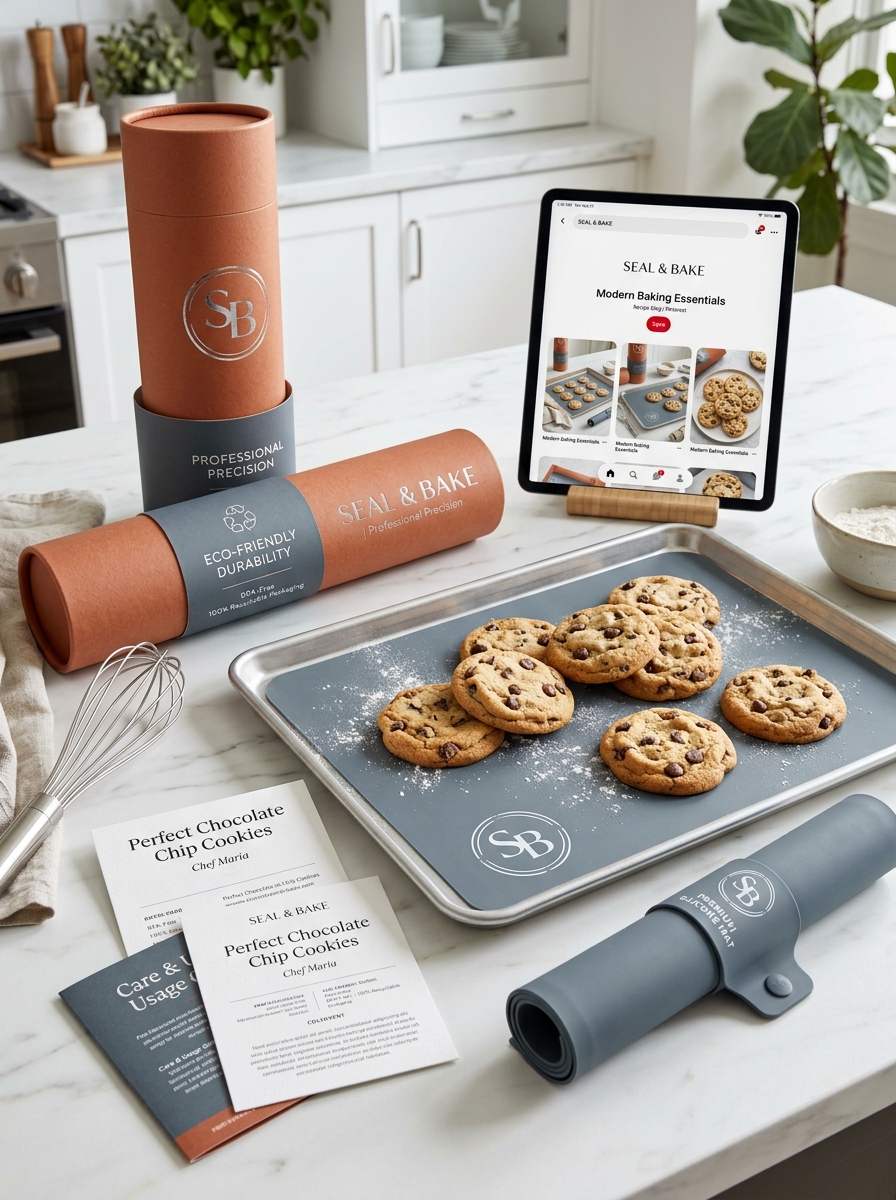
Modern kitchenware brands are increasingly prioritizing silicone baking mat packaging design to establish a distinct identity in the contemporary culinary market. Beyond simple product protection, effective packaging serves as a vital touchpoint that communicates quality, durability, and brand values to discerning home bakers and professional chefs.
Current aesthetic trends emphasize minimalist layouts, sustainable materials, and high-contrast typography that highlights the product's non-stick and heat-resistant properties. By integrating strategic branding concepts-such as window cutouts for tactile engagement and eco-conscious messaging-manufacturers can foster immediate consumer trust. Understanding the intersection of visual storytelling and functional design is essential for creating packaging that resonates on retail shelves and digital storefronts alike. This analysis explores the core elements driving the future of bakery accessory branding and visual presentation.
The Evolution of Kitchenware Packaging Strategy
The packaging strategy for silicone baking mats has evolved from bulky, non-recyclable plastics to eco-friendly, minimalist designs. Historically, kitchenware was sold in rigid blister packs that prioritized shelf visibility over environmental impact. Today, modern brands utilize sustainable packaging solutions, such as recycled cardboard tubes and slim, biodegradable envelopes.
This shift leverages the mats' inherent flexibility, allowing for compact, rollable formats that significantly reduce shipping costs and carbon footprints. Current strategies also focus on consumer transparency, highlighting features like BPA-free materials and heat resistance directly on the exterior. By integrating functional storage designs with premium aesthetics, manufacturers reinforce the product's value as a long-term, waste-reducing alternative to traditional parchment paper. This strategic transition reflects a broader commitment to the circular economy within the global culinary market.
Embracing Minimalism for Modern Culinary Branding
In the competitive landscape of professional bakeware, silicone baking mats represent a shift toward minimalist branding. Modern culinary brands are moving away from loud, cluttered designs, choosing instead to focus on sleek aesthetics that highlight product utility and sustainable kitchenware values.
A minimalist approach to silicone mats emphasizes the high quality of food-grade materials and the efficiency of the non-stick surface. By stripping away unnecessary elements, brands can better communicate their commitment to eco-friendly alternatives and durability. This "less is more" philosophy resonates with contemporary chefs and home bakers who prioritize waste-free baking and professional-grade performance. Ultimately, clean branding on silicone mats reinforces a sense of reliability and sophistication in the modern kitchen.
Sustainable Materials and Eco-Conscious Design Trends
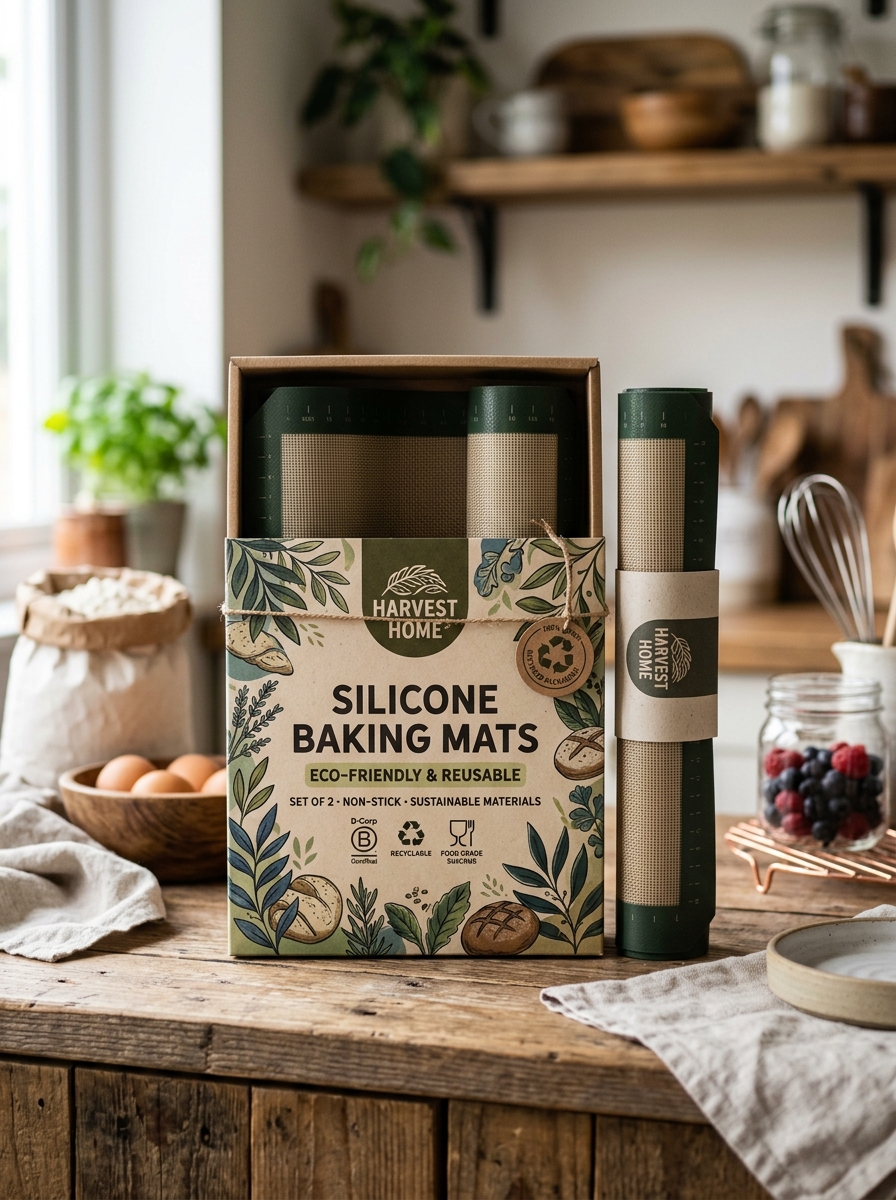
Modern kitchenware is shifting toward sustainability, with silicone baking mats leading the charge. As a reusable alternative to single-use parchment paper and aluminum foil, these mats significantly reduce household waste and support a zero-waste lifestyle. Eco-conscious design focuses on high-quality, food-grade silicone that is BPA-free and non-toxic, ensuring both environmental and personal safety.
The durability of these mats is a key factor in sustainable trends; a single professional-grade mat can withstand thousands of uses, embodying the principles of a circular economy. Furthermore, manufacturers are increasingly adopting LFGB-certified materials to meet stricter environmental standards. By investing in long-lasting, heat-stable eco-friendly baking tools, consumers are choosing products that minimize carbon footprints while maintaining high performance in the kitchen.
Maximizing Product Visibility with Die-Cut Window Features
For premium silicone baking mats, packaging design plays a crucial role in the consumer's purchasing decision. Implementing die-cut window features allows potential buyers to experience the product's quality firsthand without opening the box. This transparency highlights the mat's unique non-stick texture, thickness, and vibrant color options.
Strategic window placement provides several advantages for retail success:
- Tactile Engagement: Shoppers can feel the flexible, high-quality silicone material.
- Material Transparency: Visible fiberglass mesh cores demonstrate durability and professional-grade construction.
- Consumer Trust: Direct product visibility confirms that the item matches the marketing imagery.
By leveraging die-cut windows, brands effectively showcase the heat-resistant and BPA-free properties of their bakeware, significantly increasing shelf appeal and conversion rates in competitive kitchenware markets.
Color Palette Selection and Kitchen Aesthetic Alignment
Choosing the right color palette for silicone baking mats is essential for maintaining a cohesive kitchen aesthetic. Modern bakers often select hues that complement their existing cookware and decor, ranging from minimalist charcoal and slate to vibrant, high-energy tones. Beyond mere visual appeal, selecting specific colors serves a vital functional purpose through color-coding.
For a professional look, neutral tones align seamlessly with stainless steel appliances and contemporary stone countertops. Conversely, bold shades can inject personality into a traditional workspace. By aligning mat colors with your design theme-whether it be Scandi-minimalism or rustic farmhouse-you create a streamlined culinary environment. Furthermore, utilizing distinct colors for savory versus sweet applications prevents cross-contamination, blending visual harmony with practical utility in any high-performance kitchen.
Innovative Functional Packaging for Long-Term Storage
Modern silicone baking mats now feature innovative functional packaging designed to preserve product integrity during extended storage. Unlike traditional disposable wraps, high-quality mats are often paired with reusable storage tubes or protective sleeves that prevent permanent creasing, warping, and dust accumulation.
These specialized storage solutions are engineered to maintain the non-stick properties and structural flexibility of food-grade silicone. By shielding the surface from environmental contaminants and physical pressure, functional packaging extends the product's lifespan and ensures consistent performance.
Space-saving designs, such as moisture-resistant cylinders or specialized protective folders, provide a practical way to organize kitchen drawers while keeping mats hygienic. Investing in mats with superior packaging ensures your professional-grade tools remain flat, flexible, and performance-ready for years.
Typography and Bold Lettering for Brand Authority
In the competitive market for silicone baking mats, visual communication is a primary driver of consumer trust. Utilizing intentional typography and bold lettering is essential for establishing brand authority. Premium mats often feature high-contrast, legible fonts for integrated measurement guides, circular crust templates, and temperature conversion charts.
Strong, sans-serif typefaces ensure that critical data remains readable even under a coating of flour or oil, enhancing the product's functional utility. From a branding perspective, consistent and authoritative lettering reinforces a professional image, signaling to the baker that the tool is a precision instrument. By prioritizing clear typographic hierarchy, manufacturers improve user experience (UX) and brand recall, transforming a standard kitchen accessory into a recognizable, high-performance culinary asset used by professionals and home enthusiasts alike.
Integrating Lifestyle Imagery for Emotional Consumer Connection
For brands selling silicone baking mats, technical specs like heat resistance and non-stick surfaces are only half the story. To truly resonate with shoppers, integrating lifestyle imagery is essential. High-quality visuals that showcase the mat in a warm, bustling kitchen help consumers visualize the product as part of their own daily rituals.
Whether it is a shot of a family baking holiday cookies or a professional-grade pastry cooling on a reusable baking mat, these images evoke feelings of comfort, health, and achievement. By focusing on the human experience-rather than just the silicone material-brands build an emotional connection. This strategy transforms a functional kitchen utility into an aspirational tool for a more sustainable, joyful, and creative lifestyle, significantly boosting brand loyalty and conversion rates.
Essential Information Layout and Safety Certification Graphics
High-quality silicone baking mats feature a strategic information layout to ensure safe and optimal kitchen performance. Manufacturers include clear graphics indicating temperature thresholds (typically -40°F to 480°F) and care instructions, such as dishwasher or microwave compatibility.
Crucial safety certification symbols verify that the material is food-grade and non-toxic:
- FDA Approved: Confirms the silicone meets United States food safety standards.
- LFGB Certified: Indicates compliance with stricter European food-contact testing standards.
- BPA-Free: Guarantees the product is free from harmful Bisphenol A chemicals.
These markings are typically laser-etched or printed with food-safe ink. Checking for these graphics ensures the fiberglass core is properly encapsulated, preventing chemical leaching and ensuring a durable, non-stick surface for professional baking results.
Elevating the Unboxing Experience with Premium Finishes
The consumer journey for high-quality silicone baking mats begins long before the first batch of cookies hits the oven. A premium unboxing experience utilizes sophisticated finishes to signal professional-grade quality and durability. Unlike generic alternatives, luxury mats often feature a silk-touch matte finish or a reinforced translucent texture that showcases the internal fiberglass mesh.
Key elements that enhance this initial interaction include:
- Custom Branding: Precision-embossed logos and integrated measurement guides.
- Protective Packaging: Eco-friendly, sustainable sleeves that prevent creasing and maintain the non-stick surface integrity.
- Tactile Quality: A substantial weight and smooth edges that reflect superior food-grade silicone construction.
By prioritizing these premium aesthetic and functional details, brands foster immediate trust, ensuring the product feels like a professional kitchen investment rather than a disposable commodity.
Leave a comment