
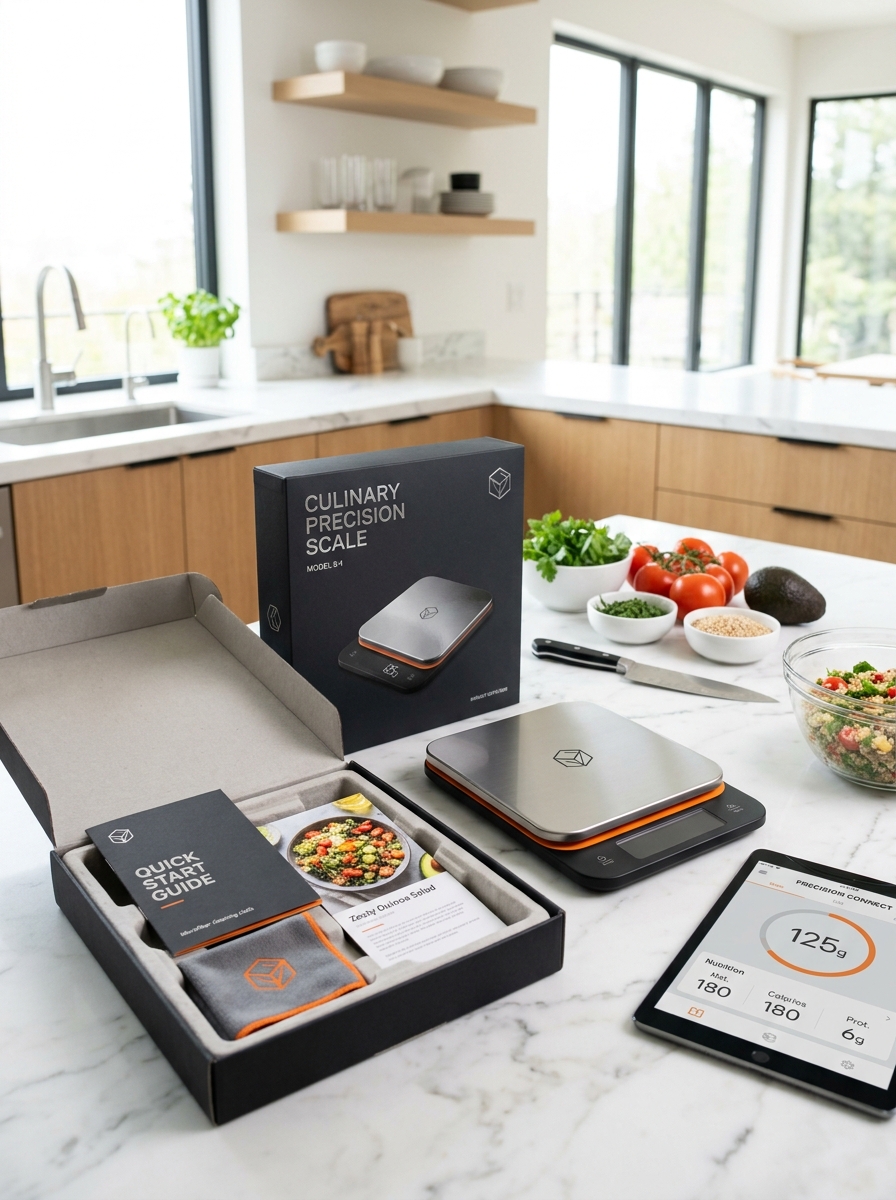
Effective packaging for digital kitchen scales demands a strategic fusion of visual identity and functional engineering. To capture the modern consumer's attention, designers must prioritize a cohesive brand aesthetic that reflects culinary precision. This involves selecting minimalist color palettes and sophisticated typography that resonate with home chefs while maintaining a professional, high-tech appeal.
Beyond aesthetics, the structural design must address critical functional requirements. High-quality packaging serves as the primary safeguard for sensitive electronic sensors, ensuring calibration accuracy remains intact from the warehouse to the countertop. By integrating sustainable materials with intuitive information hierarchies, manufacturers can enhance the unboxing experience and drive retail success. Mastering these dual disciplines is essential for establishing a dominant market presence and fostering long-term brand loyalty within the evolving kitchenware industry.
The Strategic Impact of First Impressions in Kitchen Gadget Packaging
In the competitive market for digital kitchen scales, packaging serves as the primary touchpoint for establishing brand authority. Premium packaging design goes beyond simple aesthetics; it signals the precision and reliability of the high-sensitivity load cells housed within. When a consumer encounters well-engineered, durable boxing, it fosters immediate confidence in the device's measurement accuracy.
Strategic packaging utilizes high-resolution graphics and clear technical specifications to communicate value instantly. For a digital scale, highlighting features like tare functionality or unit conversion on the exterior reduces purchase friction. This initial sensory experience-the weight, texture, and visual clarity of the box-primes the user for a professional-grade culinary experience. By prioritizing the unboxing process, manufacturers differentiate their products, ensuring the first impression aligns with the high-performance expectations of modern home chefs.
Defining the Target Audience for Precision Culinary Tools
The primary audience for a digital kitchen scale spans from casual home cooks to specialized professionals. Home bakers represent a core demographic, as precision measurements of flour and leavening agents are critical for consistent results in pastry and bread making. Additionally, health-conscious consumers and fitness enthusiasts utilize these tools for meticulous portion control and nutritional tracking, ensuring dietary goals are met with gram-level accuracy.
Beyond standard cooking, coffee aficionados require high-precision scales to balance water-to-bean ratios for artisanal brewing. Professional chefs also rely on these culinary tools to maintain recipe standardization across high-volume kitchens. Ultimately, anyone seeking repeatable results, waste reduction, and mathematical accuracy in the kitchen constitutes the target market for modern digital weighing technology.
Harmonizing Visual Identity with Modern Minimalist Aesthetics
A premium digital kitchen scale transcends basic utility by serving as a centerpiece of contemporary culinary design. By harmonizing visual identity with minimalist aesthetics, these devices feature ultra-thin profiles and high-quality materials like tempered glass or brushed stainless steel.
This design philosophy prioritizes clean lines and an unobtrusive footprint, ensuring the scale complements modern countertops without adding visual clutter. The integration of high-contrast LED displays and touch-sensitive sensors eliminates bulky buttons, creating a seamless surface that is both beautiful and easy to clean.
Ultimately, the marriage of form and function allows the digital scale to act as a sophisticated accessory. It provides professional-grade precision while enhancing the overall visual harmony of a high-end, modern kitchen environment.
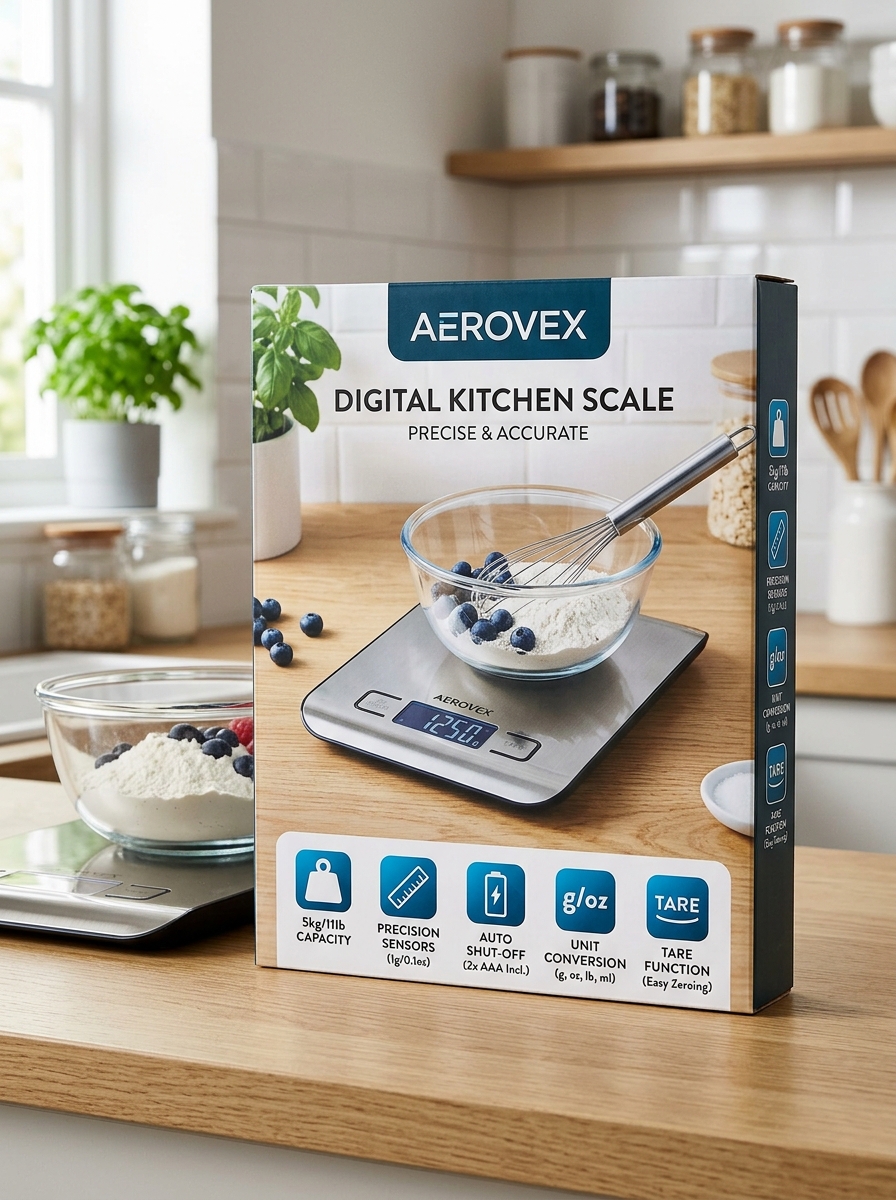
Highlighting Technical Specifications Through Intuitive Iconography
Modern digital kitchen scales prioritize user experience by translating complex technical specifications into intuitive iconography. By replacing dense text with universally recognized symbols, users can instantly identify key performance metrics and device capabilities.
- Measurement Precision: Icons representing high-precision strain gauge sensors indicate accuracy levels, such as 0.1g or 1g increments.
- Capacity Thresholds: Visual markers clearly define maximum load limits, typically ranging from 5kg to 10kg.
- Unit Conversion: Simple glyphs denote the ability to toggle between grams, ounces, pounds, and milliliters.
- Power Indicators: Dedicated symbols highlight battery life, low-voltage alerts, and energy-saving auto-off timers.
This semantic visual language ensures that critical data remains accessible at a glance, streamlining the cooking process and enhancing overall workflow efficiency for home chefs.
Leveraging High-Definition Lifestyle Imagery to Drive Sales
High-definition lifestyle imagery is a powerful catalyst for increasing conversions in the digital kitchen scale market. By placing the product within a vibrant, real-world culinary context-such as a modern countertop featuring fresh ingredients-brands help consumers visualize the scale as an essential tool for healthy meal prep and baking precision.
Quality visuals highlight key features like the ultra-slim design and high-contrast LCD displays, which are often lost in basic studio shots. These images build consumer trust by demonstrating the product's build quality and aesthetic appeal. Furthermore, semantically rich imagery that depicts portion control or macro-tracking resonates with health-conscious shoppers. Ultimately, professional lifestyle photography reduces purchase hesitation, driving higher engagement and sales by transforming a simple kitchen gadget into an aspirational lifestyle necessity.
The Role of Material Selection in Premium Box Design
For a high-precision digital kitchen scale, the packaging material serves as the first touchpoint of quality. Premium box design prioritizes high-density rigid cardboard to ensure structural integrity, safeguarding sensitive internal load cells and tempered glass surfaces from transit vibrations and impact.
Strategic material choices, such as soft-touch lamination, matte finishes, and spot UV detailing, elevate the brand's aesthetic, signaling a professional-grade culinary tool. Furthermore, integrating sustainable materials like FSC-certified paper or molded pulp inserts appeals to the eco-conscious values of modern home cooks.
By selecting durable, high-caliber materials, manufacturers create a protective barrier that maintains device calibration while delivering a luxurious unboxing experience. This careful selection reinforces consumer trust in the product's accuracy, durability, and overall value.
Optimizing Functional Structure for a Seamless Unboxing Experience
Enhancing the functional structure of a digital kitchen scale ensures users transition from package to precision weighing instantly. A seamless unboxing experience begins with an intuitive layout, featuring accessible battery compartments with integrated pull-tabs for immediate power activation.
Key design optimizations include:
- Protective Overlays: Clear, labeled films that protect the stainless steel platform while guiding initial setup.
- Tactile Ergonomics: Strategically placed buttons for "Tare" and "Unit" conversion that provide instant haptic feedback.
- Sensor Security: Internal structural bracing that protects high-precision strain gauge sensors during transit.
By prioritizing a minimalist assembly and visible operational guides, manufacturers reduce user friction. This strategic structural design ensures the scale is calibrated and ready for culinary use the moment it leaves the box.
Communicating Brand Trust and Reliability on the Retail Shelf
For a digital kitchen scale, establishing consumer trust begins with strategic visual cues on the retail shelf. Packaging must emphasize precision accuracy and long-term durability to resonate with discerning home cooks. Brands communicate reliability by prominently displaying industry certifications, such as CE or RoHS, and highlighting comprehensive warranty offers.
Effective retail presence leverages transparent specifications, including high-precision strain gauge sensors and maximum weight capacity. When shoppers observe a professional aesthetic paired with clear messaging regarding battery efficiency and easy-to-clean tempered glass surfaces, it reinforces a commitment to quality. Incorporating social proof, such as "professional grade" labeling or "top-rated" icons, further solidifies the product's standing as a dependable culinary tool, ensuring customers feel confident in their purchase decision at the point of sale.
Integrating Sustainable Solutions for Eco-Conscious Consumers
Modern digital kitchen scales are evolving to meet the demands of an eco-conscious lifestyle. Manufacturers are increasingly prioritizing sustainability by utilizing eco-friendly materials, such as natural bamboo platforms and recycled plastic components. These durable designs significantly reduce environmental impact while maintaining high-precision performance for culinary tasks.
Key innovations include USB-rechargeable batteries, which eliminate the reliance on single-use disposables, and energy-efficient auto-shutoff features. Beyond hardware, these precision tools facilitate food waste reduction through accurate portioning and meticulous ingredient management. By selecting a sustainable scale, consumers support a circular economy and minimize their carbon footprint. Integrating these green solutions ensures your kitchen remains technologically advanced and environmentally responsible, proving that measurement accuracy and environmental stewardship can go hand-in-hand.
Bridging the Gap Between Digital Performance and Physical Presentation
Modern digital kitchen scales represent the perfect synergy of technical precision and aesthetic design. The digital performance is defined by high-precision strain gauge sensors that deliver instantaneous, sub-gram accuracy, essential for gourmet baking and macro-tracking. These internal components ensure reliability and rapid data processing for functions like tare weighing and unit conversion.
Complementing this internal power is the physical presentation. Premium models feature tempered glass or brushed stainless steel surfaces that are both durable and easy to clean. The integration of high-contrast backlit LCD displays ensures that digital data is effortlessly readable under any lighting condition. By marrying a slim, minimalist profile with intuitive touch-sensitive controls, these scales bridge the gap between rigorous scientific utility and the elegant visual demands of a contemporary culinary space.
Leave a comment