
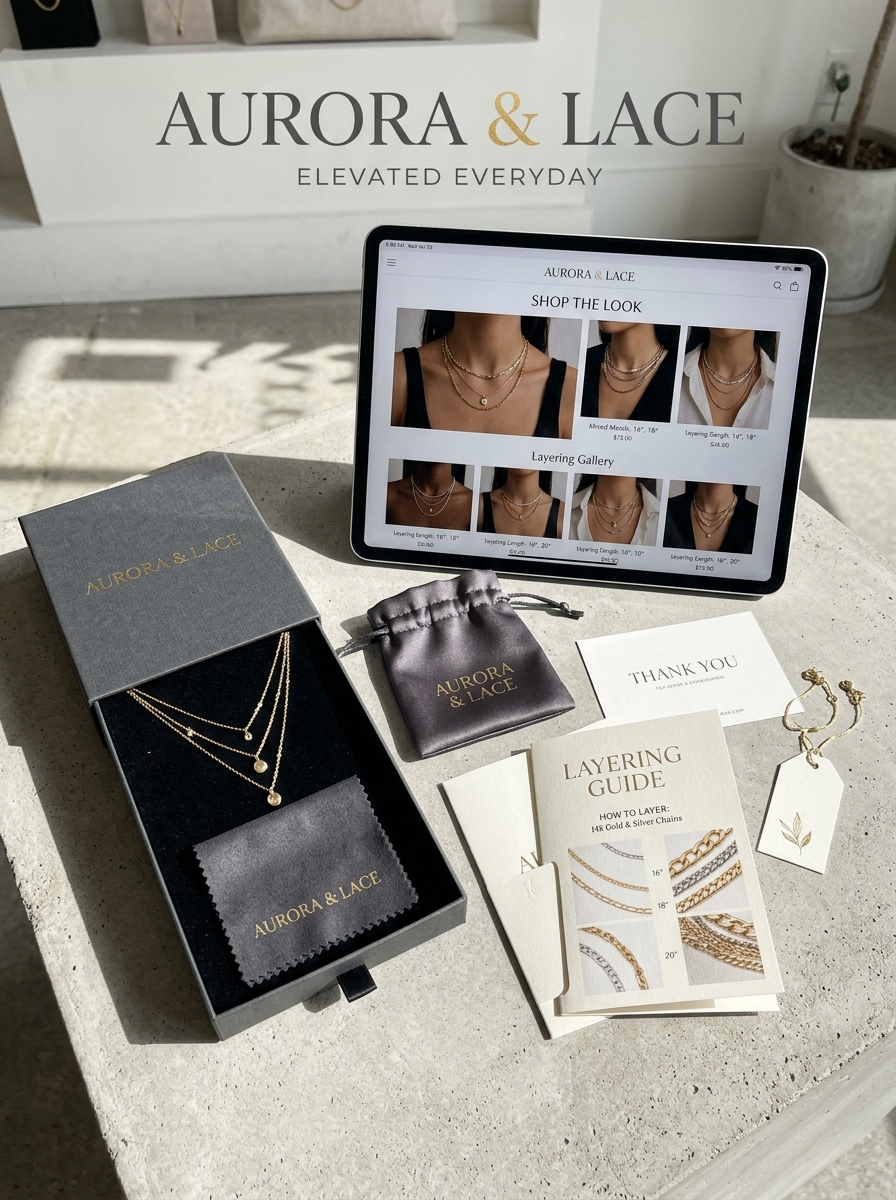
Layered chain necklaces present a unique challenge for jewelry brands: balancing intricate elegance with practical functionality. As consumers increasingly gravitate toward curated, multi-strand looks, the packaging design must evolve to prevent frustrating tangles while significantly enhancing the brand's visual identity.
Mastering the art of layered jewelry presentation requires a deep understanding of structural integrity and aesthetic harmony. This guide explores innovative design concepts and aesthetic best practices specifically tailored for multi-chain pieces. By focusing on secure display cards, premium materials, and sensory-driven unboxing experiences, brands can protect their delicate inventory while captivating modern style enthusiasts. Discover how to transform standard boxes into sophisticated showcases that ensure every layered piece arrives in pristine, tangle-free condition.
The Importance of Curated Packaging for Layered Jewelry
For enthusiasts of layered chain necklaces, curated packaging is more than a luxury; it is a functional necessity. Because multi-strand designs are inherently prone to intertwining, specialized storage solutions prevent frustrating knots and potential structural damage during transit.
Premium jewelry packaging provides several key benefits for layered sets:
- Tangle Prevention: Custom inserts and notched cards keep individual chains separated and secure.
- Material Preservation: Anti-tarnish linings and soft pouches shield delicate metals from oxidation and abrasive scratches.
- Elevated Presentation: A thoughtful unboxing experience mirrors the intricate craftsmanship of the jewelry, enhancing the brand's perceived value.
By investing in curated packaging, collectors ensure their necklaces remain organized, pristine, and ready for immediate wear, ultimately extending the lifespan of their favorite layered pieces.
Material Selection for High-End Jewelry Presentation
Elevating layered chain necklaces requires a meticulous approach to material selection to ensure both durability and a luxurious aesthetic. High-end presentation begins with premium base metals such as 14k or 18k solid gold and 925 sterling silver. These materials provide the essential weight and luster necessary for sophisticated multi-strand designs.
To enhance longevity, designers prioritize rhodium plating or thick gold vermeil finishes, offering superior tarnish resistance and a brilliant, high-polish glow. Incorporating diverse textures-such as sleek snake chains paired with bold paperclip or curb links-creates visual depth and structural interest. By selecting hypoallergenic and high-grade materials, these layered pieces maintain their elegance and integrity, ensuring a premium tactile experience that defines luxury jewelry craftsmanship.
Designing Functional Inserts to Prevent Chain Tangling
Achieving the perfect layered chain necklace look often comes with the frustration of knots and overlapping links. To solve this, designers utilize functional inserts, commonly known as necklace spacers or multi-strand clasps. These components act as a central hub, featuring multiple attachment loops that hold individual chains at precise intervals.
Effective inserts leverage weight distribution and fixed spacing to ensure each layer hangs independently. High-quality necklace separators often include magnetic closures for convenience and swivel hooks to counteract natural body movement that causes twisting. By integrating these ergonomic tools, jewelry enthusiasts can maintain the visual hierarchy of their chains, preventing the friction and nesting that typically occur with loose layering. These inserts are essential for preserving the integrity of delicate metals while ensuring a tangle-free, professional aesthetic.
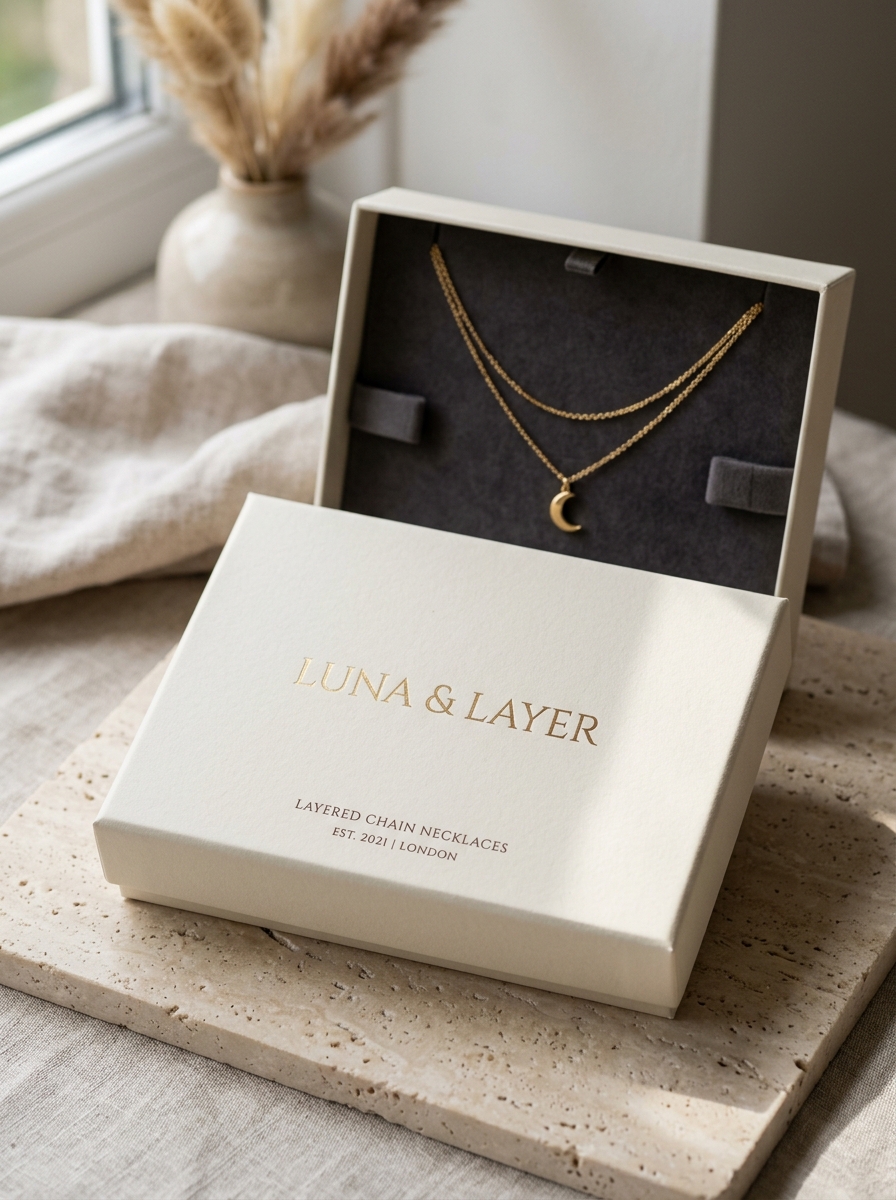
Balancing Minimalism and Luxury in Box Aesthetics
Elevating the unboxing experience for layered chain necklaces requires a sophisticated blend of understated minimalism and high-end luxury. The packaging must reflect the intricate elegance of the jewelry while maintaining a clean, modern aesthetic. Achieving this balance involves using premium, sustainable materials that offer tactile satisfaction without overwhelming the senses.
Internally, structural precision is paramount. Custom inserts ensure multiple chains remain tangle-free, preserving the jewelry's integrity and aesthetic appeal. Externally, neutral color palettes paired with subtle metallic accents or embossed branding signal exclusive quality. By prioritizing a "less is more" philosophy, brands can create a lasting impression that mirrors the refined craftsmanship of the necklaces, turning a simple box into a symbol of prestige and thoughtful design.
Crafting an Immersive Unboxing Experience for Customers
The journey of owning layered chain necklaces begins long before the jewelry is worn. A curated unboxing experience transforms a simple transaction into a memorable brand event. For delicate multi-strand necklaces, the packaging must balance aesthetic appeal with functional protection to prevent frustrating tangles.
To create a premium presentation, consider these essential elements:
- Protective Inserts: Use custom-cut foam or velvet-lined cards to keep individual chains secure and separated during transit.
- Sustainable Elegance: Opt for eco-friendly branded boxes and acid-free tissue paper to maintain the metal's luster.
- Value-Added Content: Include a styling guide or a microfiber cleaning cloth to help customers maintain their layered look.
By prioritizing sensory details and tangle-free delivery, brands build trust and encourage customers to share their new gold or silver layers on social media.
Sustainable Packaging Trends for Eco-Conscious Jewelry Brands
As the demand for layered chain necklaces grows, eco-conscious jewelry brands are revolutionizing their presentation with sustainable packaging. Since multi-strand necklaces are prone to tangling, brands are replacing single-use plastics with functional, circular alternatives. Current trends prioritize FSC-certified recycled cardboard and biodegradable inserts designed to keep delicate gold and silver layers organized and secure during transit.
Many retailers now utilize organic cotton or hemp pouches, which serve as long-term reusable storage to prevent oxidation and knots. Additionally, the shift toward minimalist, plastic-free mailers and soy-based inks reflects a commitment to the circular economy. By choosing compostable materials, brands ensure the unboxing experience for sophisticated layered sets remains luxurious while significantly reducing their environmental footprint and appealing to ethically-minded consumers.
Color Psychology and Branding in Jewelry Box Design
In the competitive market for layered chain necklaces, branding begins long before the jewelry is worn. Color psychology in packaging design is a powerful tool that shapes consumer perception and emotional connection. For instance, deep charcoal or royal blue boxes evoke a sense of luxury and timelessness, perfectly complementing the intricate aesthetic of multi-layered gold chains.
Conversely, minimalist white or soft earth tones signal modern sustainability and versatility, appealing to contemporary shoppers. By strategically selecting hues that mirror the luster and style of the jewelry layers inside, brands reinforce their identity. High-contrast packaging ensures the metallic textures of the necklaces pop, creating a memorable unboxing experience that builds trust and elevates the perceived value of the collection.
Utilizing Texture and Finishes for Premium Tactile Appeal
In the artistry of layered chain necklaces, the strategic use of texture and finishes is paramount for creating a sophisticated, high-end aesthetic. By contrasting high-polish surfaces with matte, brushed, or hammered finishes, designers add significant visual depth and dimension to a jewelry stack.
Tactile elements, such as diamond-cut edges or knurled links, catch the light differently, ensuring each individual layer remains distinct rather than blending into a singular mass. Incorporating diverse textures-ranging from smooth snake chains to rugged, oxidized rope styles-enhances the tactile appeal and perceived value of the ensemble. This multi-sensory approach to jewelry design transforms simple gold or silver strands into a premium, multidimensional statement, offering a luxurious experience for both the wearer and the observer.
Optimal Dimensions and Structural Integrity for Multi-Strand Sets
Achieving a sophisticated aesthetic with layered chain necklaces requires precise attention to staggered dimensions. To prevent tangling and ensure each tier remains distinct, a minimum 2-inch (5cm) variance between strand lengths is recommended. For example, a balanced trio often utilizes 16, 18, and 20-inch chains.
Structural integrity is equally vital for the longevity of multi-strand sets. Designers must calculate weight distribution to prevent chain distortion and neck strain. Utilizing graduated chain gauges-placing heavier links on longer base layers and delicate filigrees on shorter tiers-improves the overall drape. Furthermore, high-quality lobster clasps and reinforced jump rings are essential to manage the collective tension of multiple strands. These engineering choices ensure the jewelry maintains its form and prevents breakage during daily wear.
Elevating Brand Identity Through Custom Graphics and Typography
In the competitive market for layered chain necklaces, establishing a unique visual signature is vital. Integrating custom graphics and bespoke typography allows designers to transform standard multi-strand pieces into iconic brand statements.
Strategic branding elements, such as engraved pendants or custom-font logo tags, provide a cohesive narrative across jewelry collections. These details serve several key functions:
- Visual Differentiation: Unique typefaces distinguish a brand's aesthetic from mass-market competitors.
- Narrative Building: Custom graphics on charms communicate the brand's heritage or specific collection themes.
- Perceived Value: Precision-engraved typography suggests artisanal craftsmanship and attention to detail.
By harmonizing graphic elements with the textures of various chains, brands create recognizable, high-value jewelry that resonates with style-conscious consumers and fosters long-term brand loyalty.
Leave a comment