
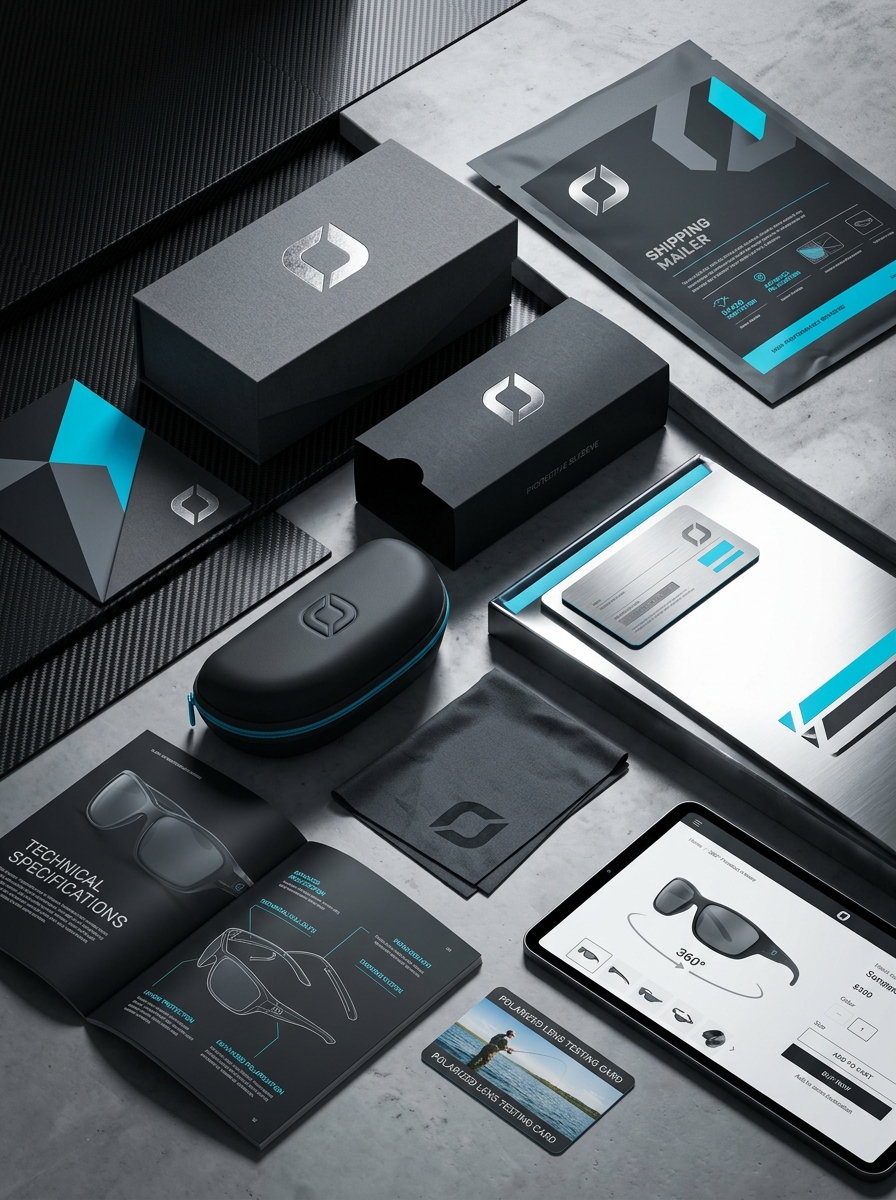
The first physical interaction a consumer has with premium eyewear occurs through its exterior casing. Polarized sunglasses packaging acts as a critical medium, translating technical lens performance into a tangible brand aesthetic. Beyond mere logistics, the integration of strategic design principles ensures that the packaging preserves the integrity of the product while reinforcing the manufacturer's identity.
As brands shift toward more sophisticated retail presentations, the focus on materials, structural engineering, and visual storytelling has become vital for market differentiation. Whether emphasizing rugged durability for outdoor enthusiasts or sleek minimalism for fashion-forward demographics, the right packaging strategy highlights the anti-glare benefits and optical clarity of the frames within. This exploration examines the essential elements that merge functionality with artistic expression to create a memorable unboxing experience.
The Role of Packaging in the Polarized Sunglasses Market
In the competitive polarized sunglasses industry, packaging serves as a critical touchpoint for brand identity and product integrity. Beyond mere aesthetics, high-quality packaging safeguards sensitive lenses from abrasions and environmental degradation during transit. Manufacturers utilize durable hard cases and microfiber pouches to maintain optical clarity, ensuring the specialized vertical filter remains undamaged.
Furthermore, premium packaging acts as a silent salesperson, signaling luxury and authenticity to consumers. Many brands now prioritize sustainable materials to align with the eco-conscious values of outdoor enthusiasts. Effective packaging often includes essential accessories like UV protection certificates and cleaning kits, which enhance the perceived value. By blending functionality with sophisticated design, packaging reinforces brand loyalty and justifies the price point of high-performance eyewear in a saturated marketplace.
Core Principles of Structural Protection and Durability
The longevity of high-quality polarized sunglasses is rooted in advanced lens encapsulation. Unlike basic eyewear, premium polarized lenses utilize a multi-layer sandwich construction, where the polarizing filter is chemically bonded between layers of impact-resistant materials like polycarbonate or Trivex. This structural design prevents delamination and ensures the lens can withstand significant mechanical stress.
Durability is further enhanced through surface fortification. Hard-coat treatments provide essential scratch resistance, while hydrophobic and oleophobic layers protect the structural integrity against salt water, oils, and environmental corrosion. Furthermore, high-performance frame materials-such as TR90 memory plastic or aerospace-grade titanium-offer the flexibility and tensile strength required to maintain alignment and protect the internal optical filters. These engineering principles ensure that polarized eyewear provides consistent UV protection and glare reduction throughout its operational lifespan.
Defining Brand Identity Through Premium Visual Aesthetics
In the luxury eyewear market, polarized sunglasses serve as a vital touchstone for brand identity, blending high-performance technology with sophisticated design. Brands establish their market position by offering premium visual aesthetics that go beyond simple sun protection. By integrating advanced polarization filters, these glasses eliminate blinding glare and enhance color perception, creating a "signature view" unique to the label.
Key elements that define this premium identity include:
- Optical Clarity: Utilizing precision-engineered lenses to reduce distortion.
- Visual Comfort: Neutralizing reflections from water, snow, and roads to minimize eye fatigue.
- Enhanced Contrast: Sharpening details and saturating colors for a vivid outdoor experience.
Ultimately, a commitment to superior lens technology reinforces a brand's reputation for quality, ensuring that style and functional excellence remain inseparable.
Sustainable Material Selection for Eco-Conscious Consumers
Modern polarized sunglasses are evolving to meet the demands of environmental responsibility. For eco-conscious consumers, the shift toward sustainable eyewear involves selecting frames crafted from renewable and repurposed resources. Key materials include bio-acetate, a biodegradable plant-based alternative to traditional petroleum plastics, and recycled ocean plastics that help divert waste from marine ecosystems.
In addition to polymers, natural materials like FSC-certified wood and renewable bamboo are popular for their low carbon footprint and durability. These eco-friendly frames are paired with high-performance polarized lenses that eliminate glare and provide essential UV protection. By prioritizing brands that utilize non-toxic finishes and circular manufacturing processes, shoppers can enjoy superior visual clarity while supporting ethical fashion and planetary health.
Crafting an Immersive High-End Unboxing Experience
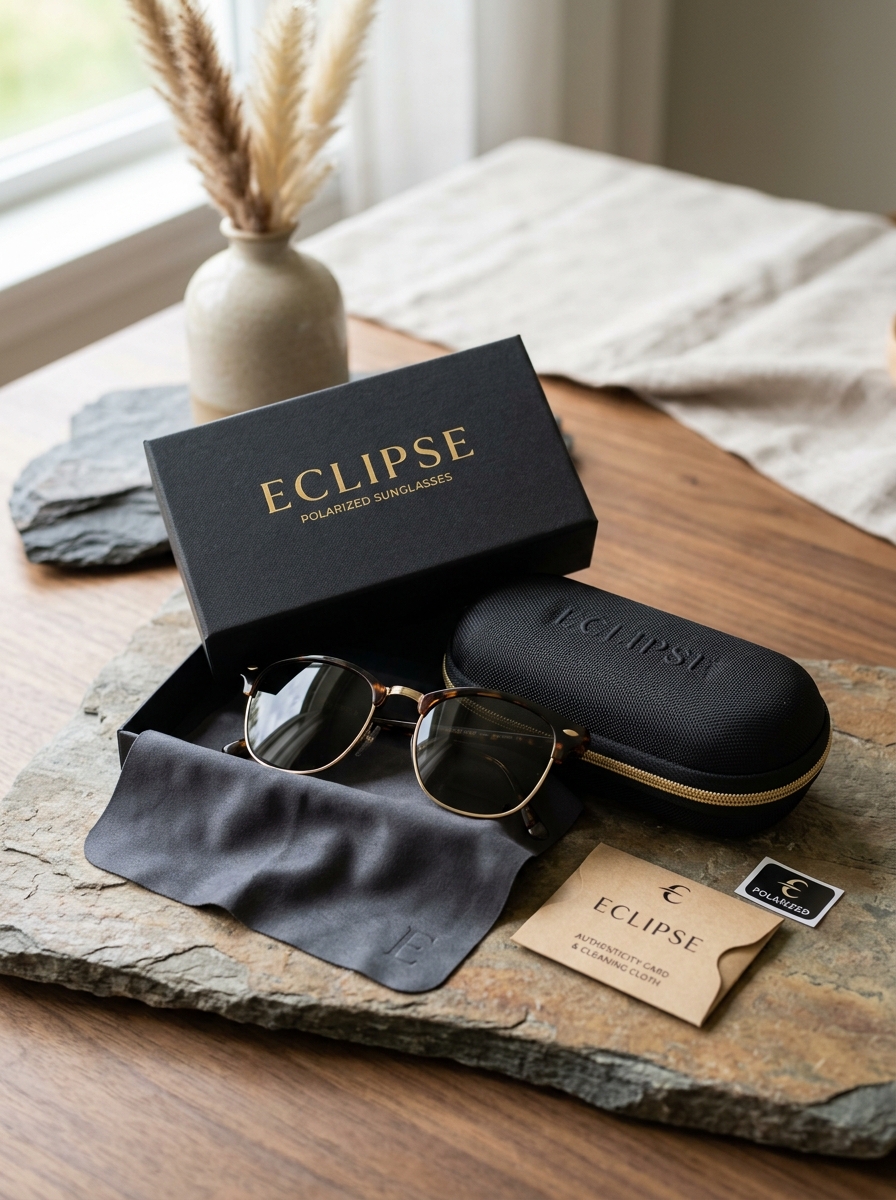
For premium polarized sunglasses, the unboxing experience is a vital touchpoint that reinforces brand quality and luxury. It begins with high-grade, sustainable packaging designed to protect the delicate glare-reducing lenses during transit. A sophisticated presentation typically includes a structural hard case, a branded microfiber cleaning cloth, and a certificate of authenticity.
To elevate the sensory journey, brands incorporate tactile elements like soft-touch finishes, magnetic closures, and embossed logos. Providing an informative guide on UV400 protection and lens maintenance demonstrates a commitment to long-term eye health and product longevity. By focusing on these meticulous details, manufacturers transform a functional accessory into a high-end investment, ensuring customers appreciate the superior visual clarity and craftsmanship from the moment the box is opened.
The Impact of Color Psychology on Eyewear Branding
Color psychology plays a pivotal role in how consumers perceive polarized sunglasses brands. Manufacturers strategically select lens tints and frame colors to evoke specific emotional responses and signify functional benefits. For instance, blue and green lenses often symbolize tranquility and clarity, appealing to water sports enthusiasts and those seeking relaxation.
Conversely, amber and yellow tints are marketed to highlight performance, energy, and enhanced contrast, positioning the brand as a leader in athletic optics. Classic black frames convey timeless sophistication and reliability. By aligning color palettes with brand identity, eyewear companies influence purchasing decisions, suggesting either rugged durability or high-fashion elegance. Understanding these visual cues helps brands differentiate their polarized eyewear in a competitive market, ensuring the aesthetic matches the functional promise of UV protection and glare reduction.
Innovative Case Designs and Foldable Storage Solutions
Protecting the specialized lenses of polarized sunglasses is essential for maintaining long-term visual clarity and lens integrity. Modern eyewear brands have moved beyond basic pouches, introducing innovative case designs that prioritize both impact resistance and portability. These cases often feature hard-shell exteriors and soft microfiber linings to shield delicate polarized coatings from scratches and pressure.
For those with active lifestyles, foldable storage solutions offer a revolutionary approach to convenience. These collapsible cases provide a rigid, protective structure when in use but can fold completely flat when the sunglasses are worn. This space-saving engineering makes them ideal for travel, fitting easily into pockets or small bags. By integrating magnetic closures and durable materials, these advanced storage options ensure your polarized eyewear remains protected and accessible during any outdoor adventure.
Typography and Graphic Elements for Product Authenticity
Verifying the authenticity of premium polarized sunglasses involves a detailed inspection of branding elements. Manufacturers of high-quality optics use precision typography and specialized engraving techniques to distinguish their products. Look for crisp, laser-etched logos on the lens corners-often a subtle "P" or the full brand name-which should be sharp and resistant to wear.
The graphic elements on the inner temples, such as model numbers and CE marks, must feature consistent spacing and professional typefaces. Counterfeit products often display blurred edges, inconsistent font weights, or printed text that peels easily. Authentic frames utilize high-resolution pad printing or metallic inlays that align perfectly with the frame's contours. By examining these typographic standards, consumers can ensure they are receiving genuine glare-reduction technology and superior UV protection rather than inferior imitations.
Balancing Retail Shelf Appeal with Functional Utility
In the competitive eyewear market, polarized sunglasses must bridge the gap between aesthetic desirability and technical performance. Retailers prioritize shelf appeal by showcasing trendy frame designs, diverse color palettes, and attractive mirror coatings that capture consumer attention instantly.
However, the true value of premium eyewear lies in its functional utility. Beyond style, high-performance polarized lenses are engineered to filter horizontal light waves, effectively eliminating blinding glare from surfaces like water and asphalt. This technology enhances visual clarity, improves contrast, and reduces ocular fatigue.
Success in this category requires a strategic fusion: integrating advanced light-filtering materials into fashion-forward silhouettes. By balancing these elements, manufacturers satisfy both the style-conscious shopper and the outdoor enthusiast, ensuring that superior eye protection never compromises on-trend appeal.
Future Trends in Smart and Interactive Eyewear Packaging
The landscape of polarized sunglasses is evolving, with packaging shifting from simple protection to a high-tech brand touchpoint. Future trends emphasize smart packaging solutions that leverage QR codes and NFC technology to offer instant product authentication and lens care instructions. These interactive elements allow consumers to access digital content, such as AR-driven "glare-reduction" demonstrations, directly from their mobile devices.
Sustainability also drives innovation, as brands integrate eco-friendly smart materials that monitor storage temperatures to protect sensitive lens coatings. By blending interactive features with functional design, the next generation of eyewear packaging enhances the customer experience, providing valuable data on UV protection and polarized lens benefits while fostering deeper brand loyalty through digital connectivity.
Leave a comment