
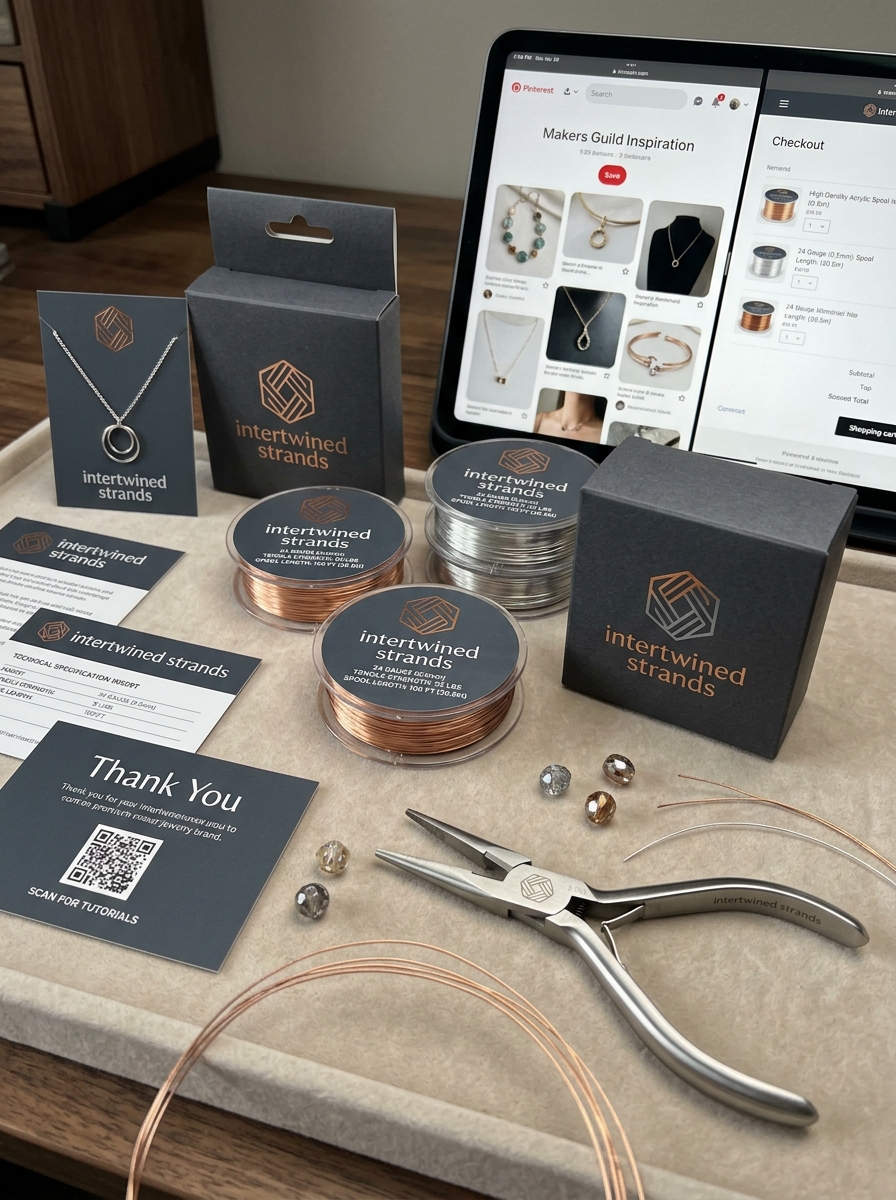
Effective beading wire packaging design bridges the gap between functional utility and artistic inspiration. For jewelry supply brands, the visual presentation of spool and wire products is a critical factor in capturing the attention of professional artisans and hobbyists alike. By integrating key aesthetic concepts-such as minimalist typography, transparent window displays, and color-coded strength indicators-manufacturers can significantly enhance retail shelf appeal.
This guide explores essential tips for creating a cohesive brand identity through innovative packaging strategies. Understanding how to balance technical specifications with elegant graphic elements ensures that your jewelry-making supplies not only perform well but also communicate premium value. Mastering these visual cues is vital for brands aiming to establish reliability and sophistication in the eyes of a discerning creative audience.
Understanding the Visual Language of Jewelry Crafting
In jewelry design, beading wire serves as the essential syntax that defines a piece's aesthetic and movement. This "visual language" is articulated through three primary characteristics: gauge, strand count, and finish.
The diameter, or gauge, determines the structural scale, while the strand count-often ranging from 7 to 49-dictates the drape. A higher strand count offers a silk-like flexibility, essential for pieces that must follow the body's natural contours. Conversely, the wire's color and nylon coating act as a background canvas, either blending seamlessly or providing a metallic contrast that enhances bead luminosity.
By selecting the appropriate wire, crafters translate technical specifications into artistic expression. Mastering these nuances ensures that the final creation communicates a balance of durability and refined elegance, transforming raw materials into a cohesive wearable narrative.
Selecting Color Palettes Based on Metal Tones and Finishes
Choosing the right beading wire color is essential for achieving a professional, cohesive jewelry design. The wire should either blend seamlessly with your beads or complement the metallic hardware used throughout the piece.
- Silver and Bright Tones: Use silver-plated or stainless steel wire with sterling silver findings to maintain a cool, crisp aesthetic.
- Gold and Warm Tones: Pair gold-colored or brass wire with gold-filled components to enhance warmth and luxury.
- Copper and Antique Finishes: Opt for copper or bronze wires in vintage-inspired designs to provide rustic continuity.
- Gunmetal and Black: These finishes offer a sleek, modern contrast, perfect for highlighting vibrant gemstones or monochromatic palettes.
When using transparent beads, ensure the wire finish aligns with your toggles and crimps to prevent visible color clashing and maintain visual harmony.
Maximizing Legibility with Typography for Technical Specs
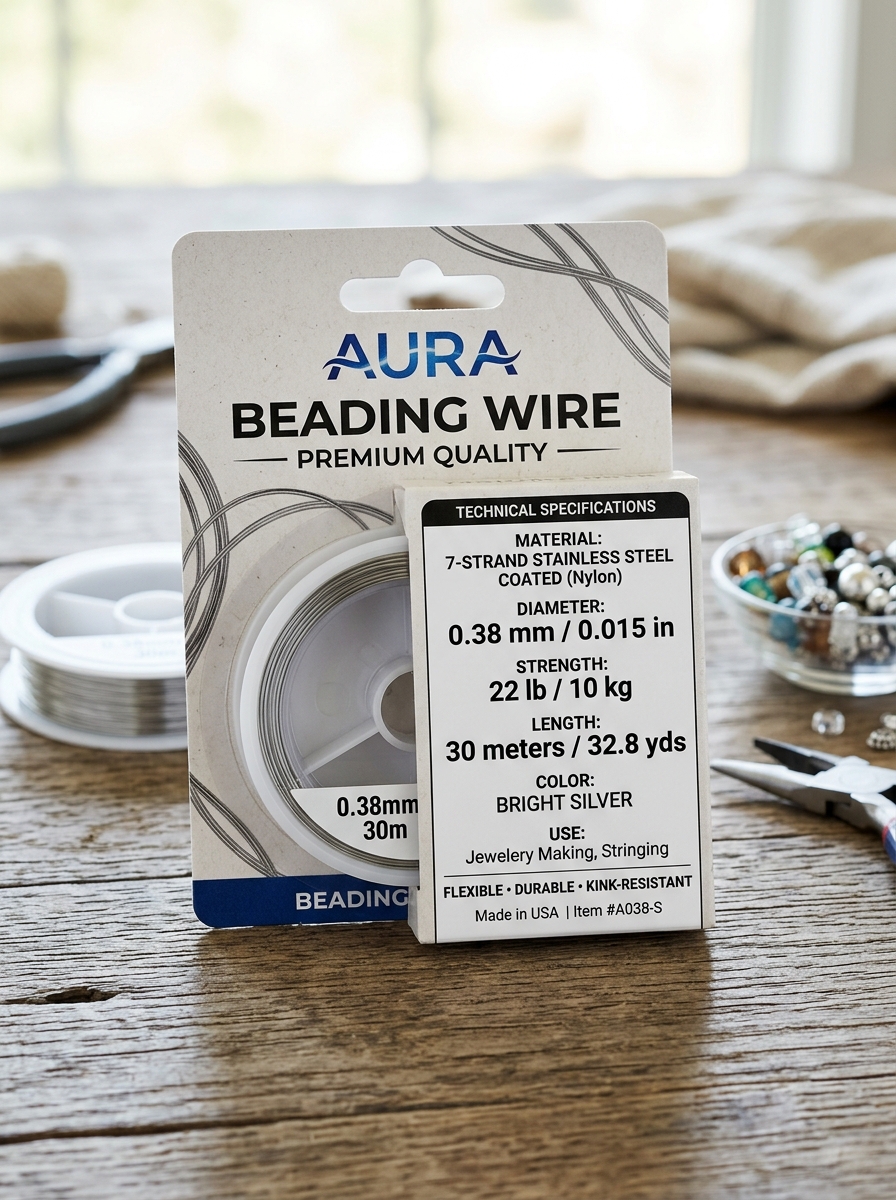
When presenting technical specifications for beading wire, such as diameter, strand count, and breaking strength, typography is essential for clarity. To maximize legibility, designers should prioritize high-contrast, sans-serif typefaces. These fonts maintain readability at the small sizes often required for product packaging and digital spec sheets.
Establishing a clear typographic hierarchy ensures that critical data-like a "0.018-inch diameter" or "49-strand" construction-is instantly scannable. Use bold weights for numerical values to distinguish them from descriptive labels. Furthermore, utilizing structured formats like bulleted lists or data tables improves the organization of complex measurements. Proper line spacing and kerning prevent characters from blurring, allowing jewelry makers to accurately identify the specific wire properties needed for their intricate designs.
The Strategic Advantage of Transparent Product Windows
In the jewelry supply industry, packaging beading wire with transparent product windows provides a critical competitive edge. These clear viewports allow artisans to accurately assess the wire's color, sheen, and gauge without opening the package. Since subtle variations in metallic finishes or nylon coatings can significantly impact a finished piece, visual verification is essential for quality control.
Strategically, transparent windows build consumer confidence and reduce return rates by eliminating guesswork. Jewelry makers can instantly compare different diameters and flexibility levels, ensuring the material meets their specific design requirements. By showcasing the actual spool, brands demonstrate transparency and quality, making their products more appealing on retail shelves and helping crafters select the perfect wire for intricate beadwork.
Utilizing Tactile Textures to Convey Premium Wire Quality
In high-end jewelry design, the physical sensation of beading wire serves as a primary indicator of material integrity. Premium wires, typically engineered with 19 or 49 miniature stainless steel strands, offer a silk-like suppleness that mimics the fluid drape of natural thread while maintaining industrial strength.
Artisans identify superior quality through a smooth, consistent nylon coating that reduces friction against delicate gemstones and artisan beads. This tactile smoothness ensures high abrasion resistance and prevents permanent kinking-a hallmark of professional-grade materials. By prioritizing wire with a refined, soft texture, designers ensure their finished pieces possess a luxurious weight and natural movement. Ultimately, the sensory feedback of the wire communicates long-term durability and craftsmanship, elevating the perceived value of the jewelry for the end consumer.
Structuring Graphic Hierarchies for Instant Shelf Recognition
Effective beading wire packaging relies on a strategic graphic hierarchy to facilitate instant shelf recognition. By prioritizing technical specifications, brands help crafters quickly identify the correct tools for specific jewelry-making projects.
- Primary Element: Wire diameter (gauge or millimeters) must be the most prominent visual to ensure compatibility with bead hole sizes.
- Secondary Element: The strand count (e.g., 7, 19, or 49) should be clearly legible to communicate flexibility, durability, and drape.
- Tertiary Details: Material composition, protective coatings, and spool length should utilize high-contrast typography or color-coded labels.
Organizing these attributes logically reduces cognitive load for the consumer. A well-structured layout ensures that whether on a physical pegboard or a digital storefront, the most critical data points-size, strength, and material-are processed first, driving faster purchasing decisions.
Integrating Functional Storage Features into Outer Packaging
Innovative packaging for beading wire serves a dual purpose: protecting the product and enhancing the crafting experience. Manufacturers are increasingly integrating functional storage features directly into the outer design to prevent common issues like tangling, kinking, and accidental unraveling.
Key features include built-in dispensing channels that allow users to pull specific lengths while keeping the remaining coil secure. Many spools now incorporate snap-on lids or integrated notches to hold wire ends firmly in place when not in use. To assist with workspace organization, outer packaging often utilizes stackable geometries and clear viewing windows for quick identification of wire diameter, strand count, and color.
These integrated storage solutions safeguard the wire's nylon coating from UV exposure and dust, ensuring the material remains supple and professional-grade for long-term jewelry projects and inventory management.
Adopting Sustainable Materials for Eco-Conscious Jewelry Brands
As the jewelry industry moves toward environmental responsibility, selecting sustainable beading wire is essential for eco-conscious brands. Designers are increasingly replacing traditional options with wires made from recycled metals, such as recycled silver or copper, to minimize the ecological impact of mining.
Sustainability also involves durability and safety. High-quality, nylon-coated stainless steel beading wires ensure longevity, reducing waste by extending the life of the jewelry. Furthermore, choosing lead-free and nickel-free materials supports both consumer health and cleaner production processes. By sourcing ethically produced beading wire, brands can fulfill the growing demand for transparency and circularity. Investing in these eco-friendly components allows jewelers to maintain professional-grade tensile strength and flexibility while upholding a commitment to a greener planet.
Maintaining Design Consistency Across Multiple Wire Gauges
Achieving professional results in jewelry making requires balancing beading wire gauges with structural integrity. When a design necessitates different diameters-such as using a fine .014" wire for seed beads and a robust .024" for heavy focal stones-maintaining a cohesive aesthetic is vital.
To ensure visual and tactile consistency, consider these semantic elements:
- Strand Count: Use the same strand count (e.g., 49-strand) across all gauges to guarantee a uniform, high-quality drape.
- Finish Uniformity: Select wires with identical nylon coating colors or metallic plating to hide transitions between different thicknesses.
- Scaled Findings: Align your crimp beads and covers with each specific wire diameter to maintain a proportional look at every connection point.
By synchronizing flexibility and color matching, designers can utilize multiple wire thicknesses without compromising the project's overall design harmony.
Building Emotional Connections Through Artistic Storytelling
In jewelry design, beading wire serves as the silent narrator of an artist's vision. Beyond its structural function, the choice of wire-whether prioritizing the fluid drape of a 49-strand variety or the resilience of stainless steel-allows creators to weave personal narratives into every piece.
Artistic storytelling through beadwork transforms raw materials into emotional touchstones. By utilizing high-quality materials, designers ensure their handcrafted jewelry becomes heirloom-quality treasure. This commitment to craftsmanship fosters a deep connection between the maker and the wearer, as the wire preserves the integrity of memories captured in stone and glass. Ultimately, the right beading wire provides the essential foundation for art to resonate, turning simple adornments into lasting symbols of love, heritage, and creative expression.
Leave a comment