
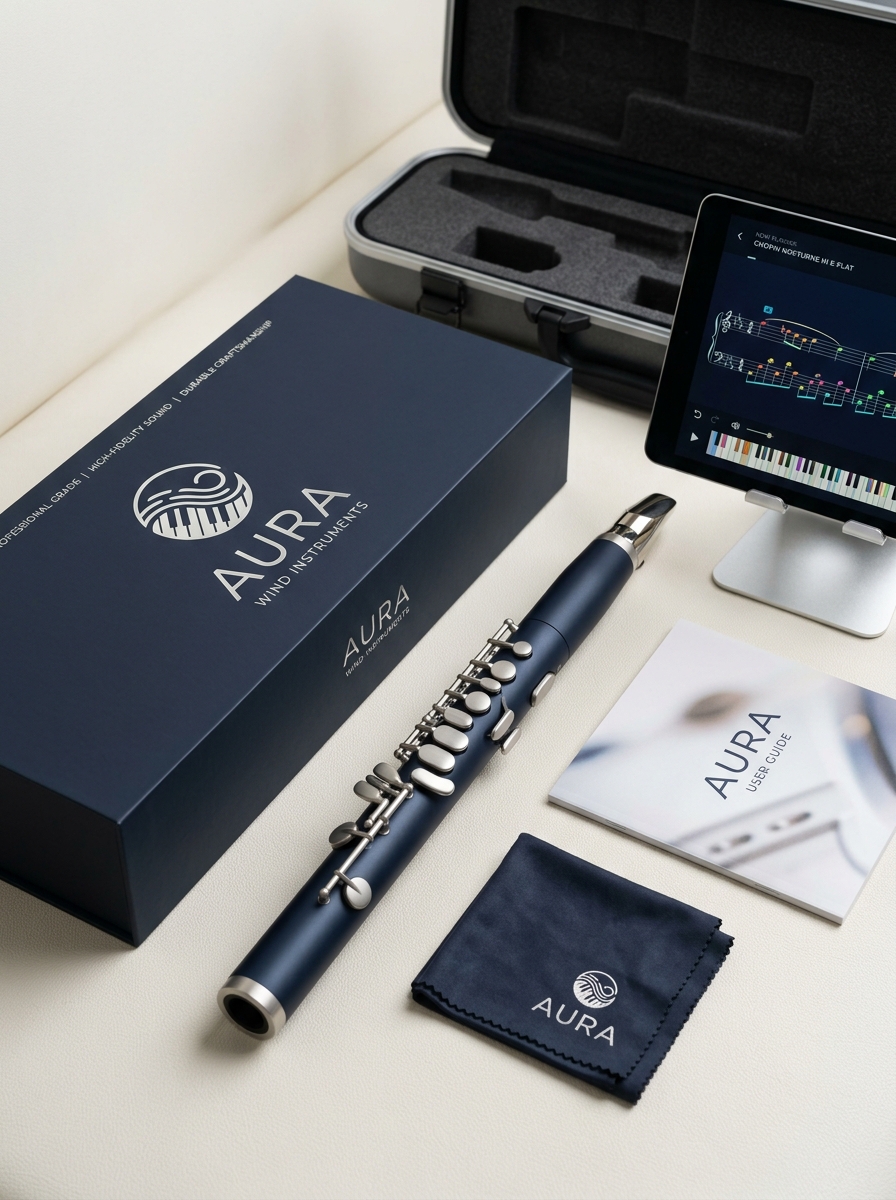
Elevating the visual identity of musical instruments requires a sophisticated balance of artistry and functionality. For the melodica-a unique hybrid of wind and keyboard-packaging serves as the primary touchpoint for both professional musicians and curious beginners.
Mastering melodica packaging design involves more than ensuring structural integrity; it requires a deep exploration of essential aesthetics and creative concepts that reflect the instrument's tonal character. By harmonizing vibrant color palettes, tactile finishes, and modern typography, designers can communicate a brand's story before the first note is even played. From retro-inspired motifs to minimalist, eco-friendly solutions, effective presentation bridges the gap between technical hardware and artistic expression, ensuring the product resonates with its audience while maintaining a distinct presence on any shelf.
The Importance of Visual Storytelling in Melodica Branding
Visual storytelling is essential for effective melodica branding, as it bridges the gap between auditory performance and aesthetic identity. Because the melodica is sometimes perceived as a niche or educational tool, high-quality visual narratives help reposition it as a sophisticated, professional instrument for modern musicians.
Brands leverage imagery to highlight detailed reed craftsmanship and the tactile response of the keyboard. By showcasing artists in diverse settings-ranging from intimate jazz clubs to vibrant street performances-visual storytelling evokes emotion and builds a lifestyle around the instrument. This approach emphasizes portability and expressive versatility, allowing manufacturers to connect deeply with their target audience.
Ultimately, effective visuals transform the melodica into an iconic piece of musical gear. This fosters brand loyalty and ensures the instrument stands out within a competitive market of woodwinds and synthesizers.
Understanding Your Target Audience From Students to Professionals
The melodica serves a diverse demographic, bridging the gap between music education and professional performance. For students, it is an ideal introductory instrument, combining the intuitive visual layout of a piano with the foundational breath control of a woodwind. Its portability and affordability make it a staple in global classrooms for teaching music theory.
Beyond education, hobbyists and multi-instrumentalists value the melodica for its expressive versatility in genres like folk, reggae, and pop. Meanwhile, professional musicians utilize high-end models for studio recordings and live concerts, prioritizing precise intonation and durable phosphor bronze reeds. Whether for a beginner mastering their first scale or a virtuoso performing on stage, the melodica's unique sound profile caters to every skill level, making it a globally recognized tool for creative musical expression.
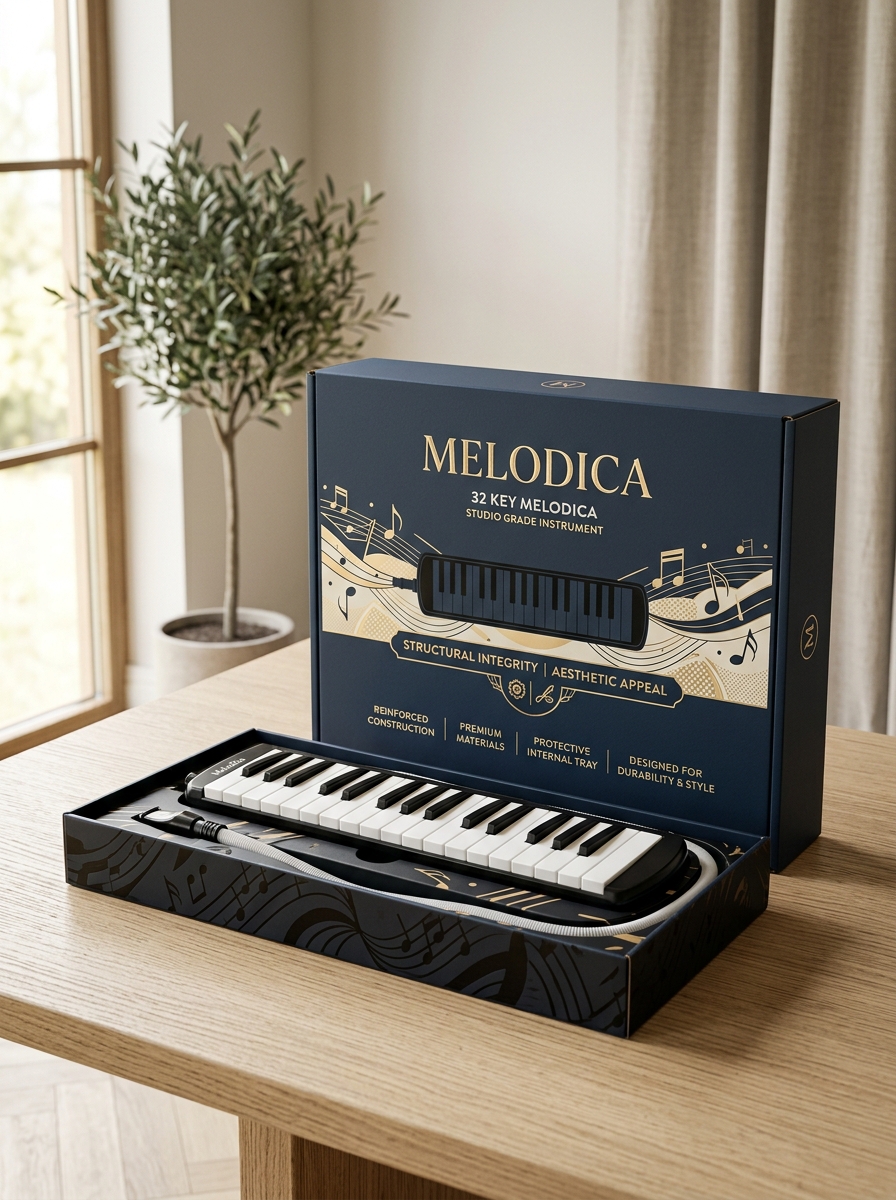
Balancing Structural Integrity with Aesthetic Appeal
Designing a high-quality melodica requires a precise synergy between robust engineering and visual design. To ensure longevity, manufacturers utilize high-grade ABS resin or solid wood for the chassis, providing the necessary structural integrity to maintain an airtight seal and protect delicate internal components. This durability is essential for consistent pitch and airflow.
However, performance must not compromise aesthetic appeal. Modern melodicas feature sleek, ergonomic contours and diverse color palettes-ranging from vintage ivory to bold metallics. The integration of phosphor bronze reeds within a polished, stylish exterior allows the instrument to function as both a reliable tool for professional musicians and a visually captivating piece of art. By balancing material strength with tactile elegance, builders create instruments that are as durable as they are beautiful.
Material Selection for Durability and Instrument Protection
Selecting a melodica constructed from high-grade materials is vital for ensuring longevity and consistent tonal quality. Most professional-grade melodicas utilize ABS resin for the outer body, providing a lightweight yet impact-resistant shell that withstands temperature fluctuations and environmental humidity.
The internal integrity of the instrument relies on the following components:
- Anti-corrosive Reeds: Usually crafted from phosphor bronze or brass to resist rust caused by breath moisture.
- Airtight Gaskets: High-quality seals prevent air leaks, maintaining optimal pressure and playability.
- Protective Housing: A reinforced hard-shell case is essential to shield the delicate keys and mouthpiece from physical impact during transport.
Prioritizing these robust materials protects the sensitive internal reed plates, ensuring the melodica maintains its tuning stability and survives the rigors of frequent performance.
Color Psychology and Modern Musical Instrument Trends
Modern melodicas are evolving beyond functional tools into expressive visual statements. Instrument manufacturers now leverage color psychology to influence a musician's creative state and audience perception. For instance, vibrant reds and yellows stimulate energy and rhythmic intensity, making them popular for live stage performances. In contrast, deep blues and soft pastels promote calm and focus, ideal for studio sessions or educational environments.
This shift aligns with modern musical instrument trends where aesthetic appeal is as vital as tonal quality. As digital platforms prioritize visual storytelling, the melodica's diverse color palette allows artists to curate a unique brand identity. Choosing a specific hue is a strategic move to align the instrument's visual energy with the emotional resonance of the music, reflecting a deeper connection between visual aesthetics and auditory performance in the contemporary music scene.
Typography Strategies for Clear Brand Identity
For a Melodica brand, typography serves as a vital visual bridge between musicality and design. Establishing a clear brand identity requires selecting typefaces that reflect the instrument's hybrid nature. Using modern sans-serif fonts conveys accessibility and contemporary appeal, while serif typefaces can suggest traditional craftsmanship and artistic heritage.
Strategic hierarchy is essential for readability. Use bold, expressive headers to mimic the rhythmic energy of a Melodica performance, paired with clean, functional body text for technical specifications. Maintaining consistency in font weight and letter spacing across digital and print media reinforces brand recognition. By aligning typographic choices with the brand's unique "voice," you create a cohesive aesthetic that resonates with educators, students, and professional musicians alike.
Designing for Portability and Compact Ergonomics
The melodica is engineered to balance acoustic resonance with extreme portability, making it a favorite for traveling musicians. Its design prioritizes lightweight durability, typically utilizing high-grade ABS resins to minimize weight without sacrificing structural integrity.
To achieve compact ergonomics, manufacturers incorporate several specific features that enhance playability in diverse environments:
- Integrated Hand Straps: Located on the underside to provide stability for one-handed performance while standing.
- Versatile Air Intake: Flexible extension hoses allow for tabletop play, while fixed mouthpieces support mobile, vertical use.
- Optimized Keybeds: Scaled piano-style keys reduce the overall footprint while maintaining standard interval spacing for technical accuracy.
These ergonomic refinements ensure the melodica remains a highly accessible, "grab-and-go" instrument suitable for busking, studio sessions, and classroom education.
Sustainable and Eco-Friendly Packaging Solutions
As environmental awareness grows within the music community, many melodica manufacturers are transitioning toward sustainable packaging solutions. To minimize the ecological footprint, modern brands now utilize recycled cardboard and biodegradable inserts instead of traditional single-use plastics and styrofoam.
These eco-friendly initiatives often incorporate soy-based inks for printing and compostable protective wraps to ensure the instrument remains pristine during transit. By prioritizing plastic-free shipping and renewable materials, the industry reduces waste while appealing to environmentally conscious musicians. Choosing a melodica with earth-friendly packaging is a vital step in supporting a greener future for musical instrument manufacturing and global logistics.
Creating an Immersive Unboxing Experience for Musicians
For musicians, receiving a new melodica is more than a simple delivery; it is a sensory ritual. An immersive unboxing experience transforms this first encounter into a journey that reflects the craftsmanship of the instrument. To resonate with artists, packaging must balance aesthetic elegance with functional protection.
A premium unboxing presentation typically includes:
- Custom-fit cases: Durable, padded housing to protect keys and reeds.
- Organized accessories: Dedicated slots for mouthpieces, flexible tubes, and moisture cloths.
- Visual storytelling: Branded inserts or QR codes linking to digital tutorials and maintenance guides.
By prioritizing tactile textures and thoughtful layouts, manufacturers foster an immediate emotional connection. A well-executed unboxing honors the musician's investment, ensuring the melodica is ready for performance the moment it is revealed.
Future Innovations in Creative Melodica Box Concepts
The evolution of melodica design is shifting toward revolutionary box concepts that enhance acoustic resonance and player ergonomics. Future innovations include carbon fiber housings that offer lightweight durability and moisture-resistant internal linings to protect reed longevity.
Designers are exploring modular box structures, allowing musicians to swap resonant chambers for varied tonal textures. Another significant trend is the integration of smart technology, featuring built-in MIDI sensors and digital pickups directly within the instrument's chassis.
Furthermore, the use of sustainable materials like recycled polymers and bamboo is redefining the aesthetic and environmental footprint of the instrument. These creative engineering shifts aim to transform the traditional melodica into a high-performance tool, merging classic wind-instrument mechanics with cutting-edge manufacturing techniques for modern performers.
Leave a comment