

Modern hair care consumers prioritize both convenience and style, making dry shampoo packaging design a critical factor in a brand's market success. To capture attention on crowded retail shelves, designers must harmonize visual elegance with functional innovation. This exploration delves into the aesthetic standards and conceptual strategies that define industry-leading dry shampoo containers.
Successful cosmetic packaging serves as a physical touchpoint for brand identity. Whether utilizing sleek aerosol canisters or eco-friendly powder dispensers, the choice of materials and finishes-such as soft-touch coatings or metallic accents-communicates quality and performance. By focusing on sustainable packaging solutions and ergonomic delivery systems, brands can meet the dual demand for luxury and environmental ethics. Understanding these best practices ensures that the packaging not only protects the formula but also elevates the overall user experience, fostering long-term consumer loyalty.
Defining the Visual Identity of Modern Dry Shampoo
The visual identity of modern dry shampoo has transitioned from clinical utility to lifestyle-centric branding. To capture the attention of contemporary consumers, brands prioritize minimalist aesthetics combined with bold, expressive typography. Color psychology plays a pivotal role in this market; vibrant hues often denote specific scent profiles, while muted earth tones signal organic or eco-friendly formulations.
Key design elements that define the industry today include:
- Premium Finishes: Matte textures and metallic accents that convey a high-end, "shelfie-ready" feel.
- Abstract Imagery: Using botanical illustrations or fluid shapes to represent airiness and freshness.
- Sustainable Packaging: Sleek, recyclable aluminum canisters that align with clean beauty values.
This visual evolution reflects the "skinification" of hair care, positioning dry shampoo as a sophisticated self-care essential rather than a mere emergency fix.
Strategic Color Palettes for Hair Care Categories
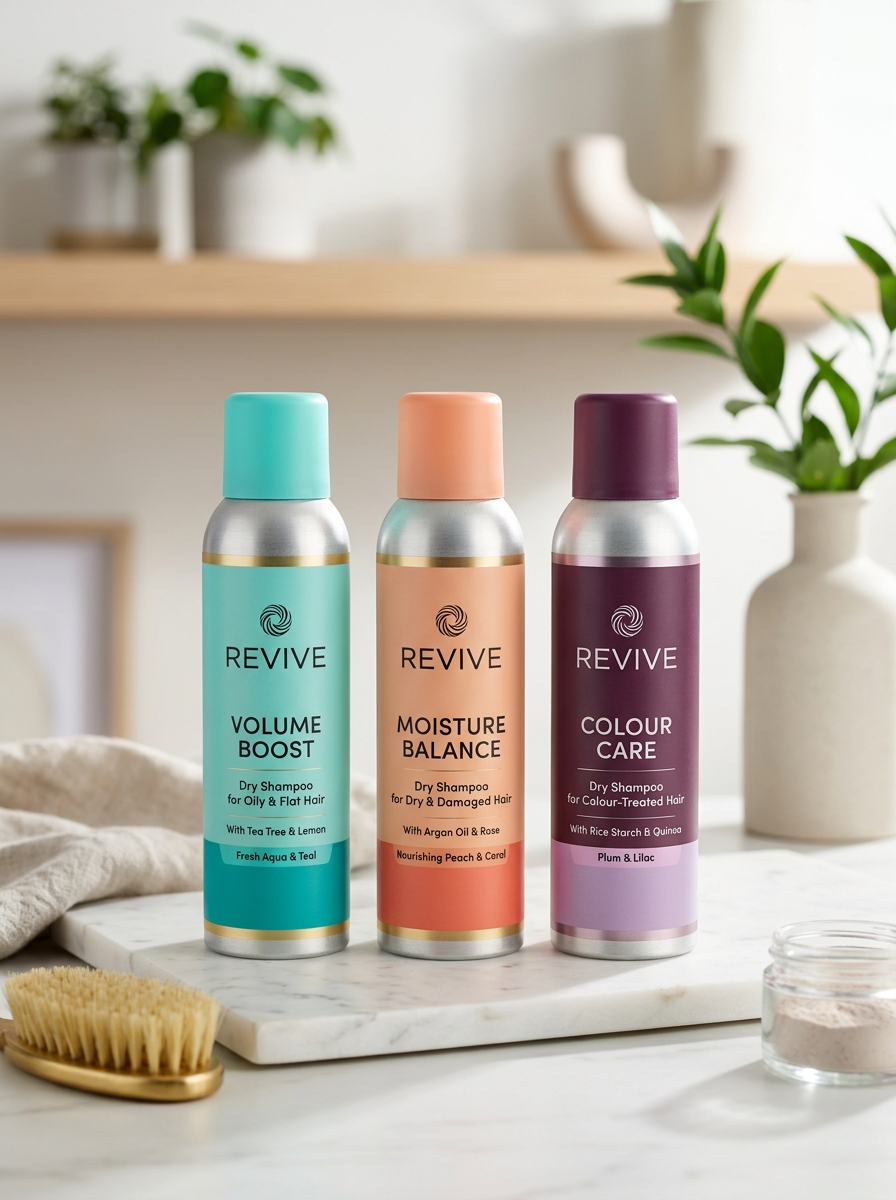
In the competitive dry shampoo market, strategic color palettes serve as vital visual cues for consumer navigation. Brands utilize specific hues to differentiate product functionality and target hair types. For instance, tinted dry shampoos designed for brunettes or redheads often feature deep earth tones or metallic accents on packaging to signal pigment integration and avoid white residue.
Conversely, lightweight refreshing formulas typically leverage soft pastels, crisp whites, and aquatic blues to evoke a sense of oil absorption, purity, and weightless cleanliness. High-performance volumizing sprays may employ vibrant, high-contrast colors like orange or hot pink to communicate energy and structural lift. By aligning color psychology with hair care benefits, manufacturers improve shelf visibility and streamline the shopping experience, ensuring users select the specific formula that matches their hair texture and aesthetic needs.
Typography and Layout for Instant Brand Recognition
In the competitive hair care market, typography and layout serve as critical tools for establishing a dry shampoo brand's identity. Visual hierarchy ensures that essential benefits-such as "volumizing," "oil-absorbing," or "invisible finish"-are legible at a glance. Bold, modern sans-serif fonts often communicate efficacy and strength, while minimalist layouts with elegant serifs suggest a premium, salon-quality experience.
Strategic spatial arrangement on the canister helps consumers quickly distinguish between scent profiles and hair types. By utilizing high-contrast lettering and clean negative space, brands can evoke a sense of freshness and purity, mirroring the product's primary function. Effective design choices foster instant brand recognition, allowing a product to stand out on crowded retail shelves and build long-term consumer trust through professional, cohesive aesthetics.
Incorporating Tactile Textures and Premium Finishes
In the competitive dry shampoo market, packaging design is a critical tool for brand differentiation. Incorporating tactile textures and premium finishes transforms a functional aerosol can into a luxury beauty essential. Brands are increasingly utilizing soft-touch coatings to provide a velvety grip, mirroring the clean, smooth results the product delivers to the hair.
Advanced techniques like embossing, debossing, and metallic foiling create a multi-sensory experience that increases shelf appeal and perceived value. Matte finishes and textured labels not only communicate sophistication but also improve handling during application. By focusing on these premium sensory elements, dry shampoo manufacturers can elevate the consumer's ritual, ensuring the product feels as high-quality in the hand as it performs on the scalp.
Eco-Conscious Materials and Sustainable Form Factors
As the beauty industry shifts toward green chemistry, dry shampoo brands are prioritizing eco-conscious materials and sustainable delivery systems. Traditional aerosol cans often rely on volatile organic compounds (VOCs) like butane and propane, which contribute to environmental degradation. In contrast, modern sustainable alternatives utilize non-aerosol powder formulations.
These formulas feature biodegradable ingredients such as arrowroot starch, kaolin clay, and rice powder to naturally absorb sebum without synthetic additives. To further reduce ecological impact, manufacturers are adopting "zero-waste" packaging, including refillable aluminum canisters and compostable cardboard tubes. By choosing plastic-free and propellant-free options, consumers can maintain hair freshness while significantly lowering their carbon footprint and reducing landfill waste. This evolution in form factor ensures a cleaner hair care routine that is both scalp-friendly and environmentally responsible.
Engineering Ergonomic Dispensing and Nozzle Systems
The efficacy of dry shampoo depends heavily on advanced delivery mechanisms. Engineering ergonomic dispensing systems involves optimizing the actuator's tactile feedback and the nozzle's internal geometry. High-performance nozzles are designed for precise micronization, ensuring that starch-based particles-such as rice or corn starch-are distributed in a fine, uniform mist rather than leaving heavy residue.
Engineers focus on fluid dynamics to prevent clogging, a frequent challenge with powder-heavy formulas. By refining the orifice diameter and swirl chamber design, manufacturers achieve a consistent spray pattern and controlled flow rate. Ergonomic considerations, such as the pressure required for activation, reduce hand fatigue for users. Whether utilizing aerosol propellants or sustainable non-aerosol pumps, these systems are calibrated to maximize oil absorption and scalp coverage, significantly enhancing the overall consumer experience.
Minimalist versus Maximalist Graphic Approaches
In the dry shampoo market, packaging design serves as a silent communicator of brand values. Minimalist graphics prioritize negative space, muted color palettes, and clean sans-serif typography. This aesthetic suggests clinical purity, "clean" ingredients, and professional-grade efficacy, appealing to consumers seeking a sophisticated, unobtrusive addition to their vanity.
Conversely, maximalist graphic approaches utilize vibrant colors, bold patterns, and expressive fonts to grab attention on crowded retail shelves. This style often highlights sensory experiences, such as intense fragrances or high-energy volume. While minimalism communicates "less is more" regarding chemical additives, maximalism celebrates personality and lifestyle. Choosing between these visual strategies allows brands to target specific demographics-ranging from the eco-conscious minimalist to the trend-driven consumer looking for an instant, fragrant hair refresh.
Designing for Diverse Lifestyle and Consumer Personas
Modern dry shampoo formulations are strategically engineered to align with specific consumer behaviors and hair requirements. For the busy professional, quick-drying aerosol sprays offer an instant refresh, eliminating mid-day oiliness. Conversely, fitness enthusiasts require heavy-duty starch-based formulas to absorb intense post-workout moisture and neutralize odors.
Beyond simple cleansing, hairstylists utilize these products as texturizing agents to provide grip and volume for fine hair. Eco-conscious consumers often pivot toward non-aerosol, mineral-based powders that minimize environmental impact while extending the life of color treatments. By tailoring ingredients-such as charcoal for deep purification or oat milk for scalp sensitivity-manufacturers ensure dry shampoo serves as a versatile tool. Whether for frequent travelers needing waterless solutions or individuals extending a salon blowout, these products are designed to fit seamlessly into any grooming ritual.
Regulatory Requirements and Information Hierarchy
Dry shampoo formulations must adhere to stringent global safety standards to ensure consumer protection and legal market access. Regulatory bodies, such as the FDA and the EU Cosmetics Regulation (EC) No 1223/2009, mandate rigorous testing for contaminants like benzene and oversee the safety of aerosol propellants.
The information hierarchy on packaging is strategically structured to prioritize transparency and safety:
- Identity and Function: Clear labeling of the product type and brand.
- Safety Notifications: Mandatory warnings regarding flammability and pressurized container risks.
- Ingredient Transparency: A comprehensive INCI list allows consumers to identify starches, alcohols, and potential allergens.
Compliance ensures that manufacturers provide accurate usage instructions and hazard symbols, mitigating health risks while maintaining product efficacy and consumer trust.
Future Innovations in Structural Packaging Design
The next generation of dry shampoo packaging focuses on sustainability and precision delivery. Structural innovations are shifting away from traditional aerosol canisters toward non-propellant spray pumps and eco-friendly powder dispensers. These advancements prioritize the use of post-consumer recycled (PCR) plastics, refillable aluminum systems, and fully compostable paperboard packaging.
Engineers are also developing ergonomic nozzle designs that ensure targeted application, reducing product fallout and maximizing formula efficiency. Future designs often incorporate modular components, allowing consumers to purchase concentrated refill cartridges. By integrating waterless technology with circular design principles, the industry is moving toward zero-waste solutions. These structural shifts enhance the user experience while significantly decreasing the carbon footprint of hair care routines, making dry shampoo both a convenient and environmentally responsible beauty staple.
Leave a comment