
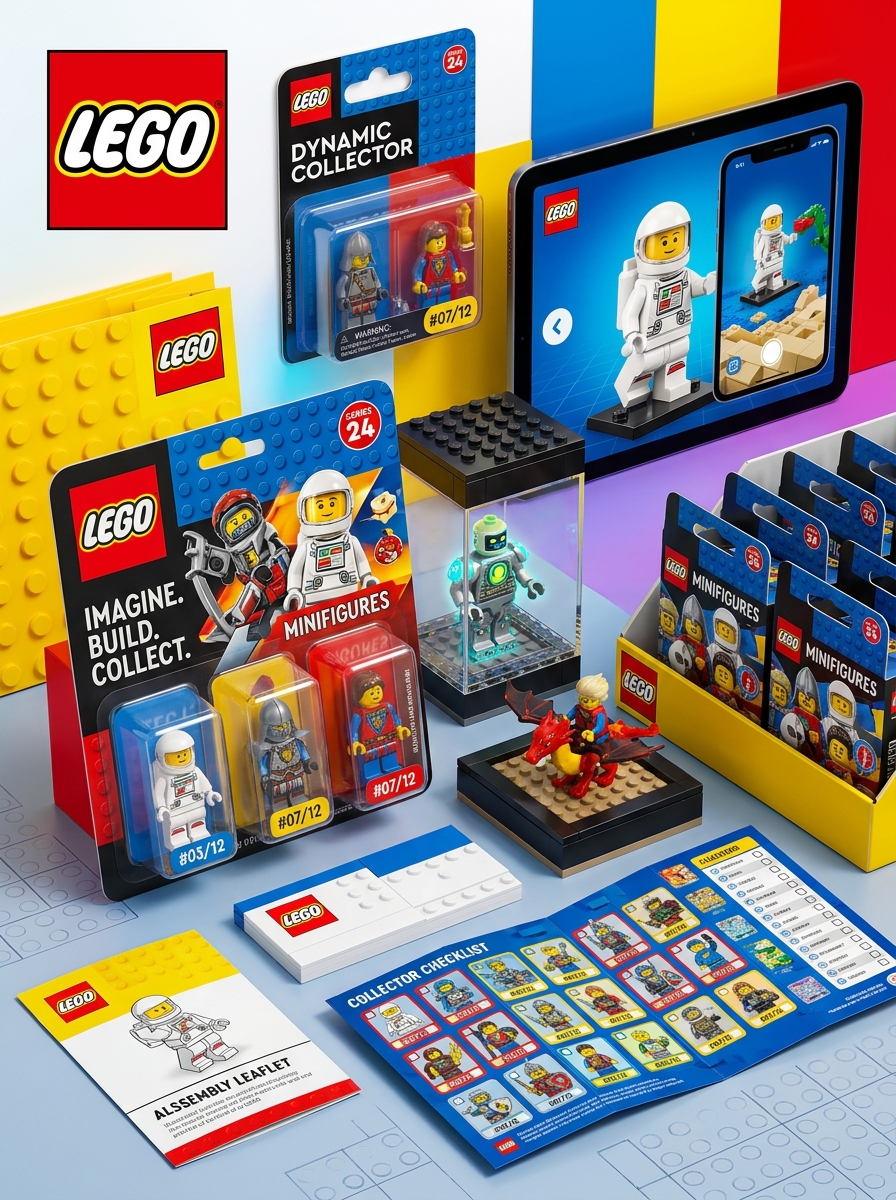
Captivating collectors and enthusiasts requires more than just a high-quality plastic brick; it demands an immersive unboxing experience rooted in strategic packaging design. As the primary touchpoint between the brand and the builder, Lego minifigure packaging serves as a vital canvas for storytelling and visual communication.
By integrating core design principles-such as balanced color palettes, dynamic typography, and tactile structural elements-designers can elevate a simple figure into a premium display piece. Mastering these visual aesthetics ensures that every box, blind bag, or polybag resonates with the target audience while maintaining brand integrity. This exploration delves into the essential techniques for crafting compelling enclosures that harmonize functionality with artistic flair, ultimately driving shelf appeal and enhancing the consumer experience.
The Evolution of Lego Minifigure Packaging Aesthetics
Since their debut in 1978, Lego Minifigure packaging has undergone a dramatic aesthetic transformation. Originally housed in simple transparent blister packs or integrated into larger set boxes, the packaging focused on visibility. However, the 2010 launch of the Collectible Minifigures (CMF) series introduced iconic foil blind bags, utilizing vibrant colors and stylized character art to enhance the "mystery" unboxing experience.
Recent years have seen a shift toward premium, thematic designs with high-definition graphics and bold typography. Most significantly, Lego has transitioned from flexible plastic bags to eco-friendly, FSC-certified cardboard boxes. This evolution reflects a fusion of sustainability and marketing, ensuring that the packaging remains visually striking while meeting modern environmental standards. Today, the aesthetics prioritize both brand heritage and a tactile, premium feel for collectors worldwide.
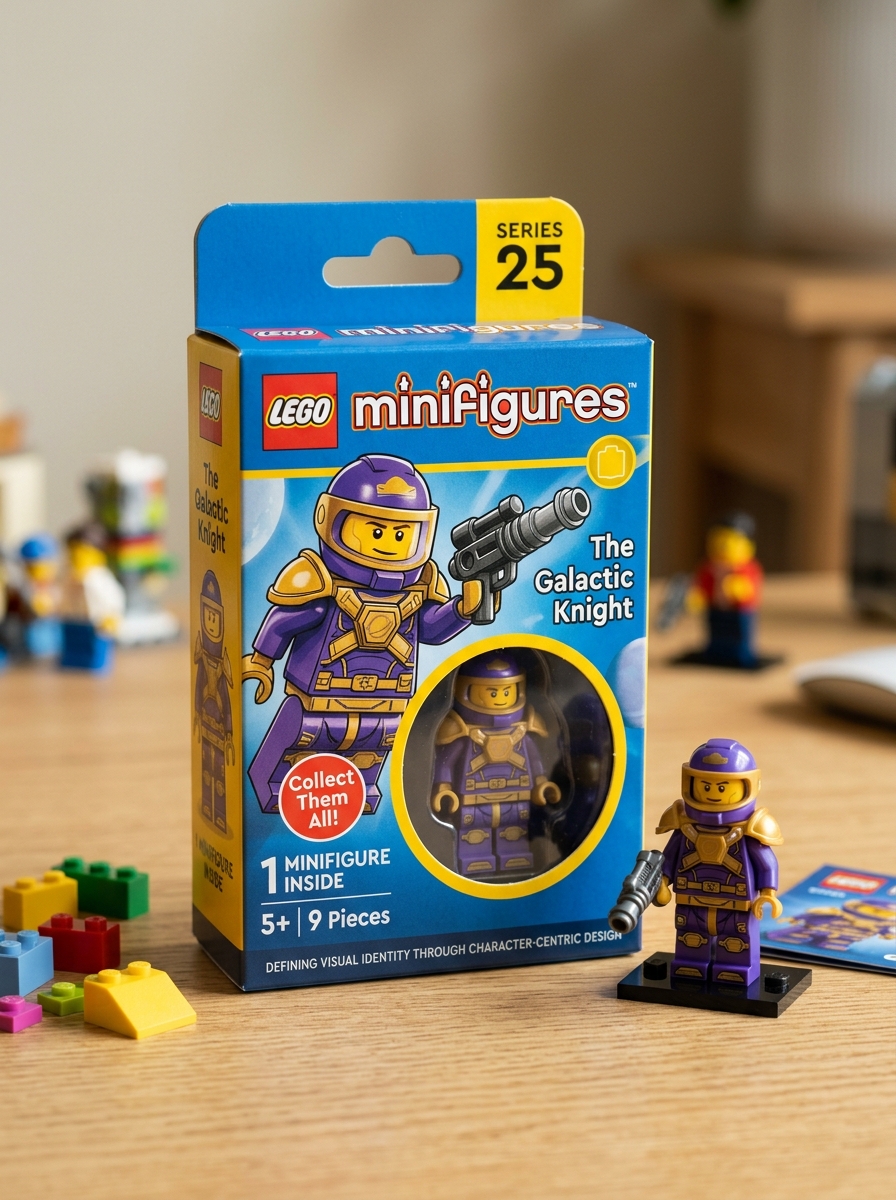
Defining Visual Identity Through Character-Centric Design
The visual identity of Lego Minifigures is defined by a masterclass in character-centric design. Despite a standardized anatomy-featuring the iconic trapezoidal torso, cylindrical head, and C-shaped hands-each figure achieves a distinct personality through intricate details. This design philosophy leverages limited physical geometry to emphasize graphic storytelling.
By utilizing precise pad printing for expressive facial features and specialized molded accessories like hairpieces and headgear, Lego transforms a uniform template into a diverse cast of characters. This approach ensures brand consistency while allowing for infinite customization. Whether it is a licensed superhero or a generic town citizen, the character-centric focus ensures that the visual cues-such as a smirk or a uniform-instantly communicate a narrative role, making the minifigure a global icon of modular creativity.
Mastering Color Theory to Enhance Shelf Presence
Elevating a Lego Minifigure collection from a simple hobby to a stunning visual display requires an understanding of color theory. To maximize "shelf presence," collectors should utilize complementary colors-placing figures with opposing hues on the color wheel, such as a vibrant orange Classic Space figure against a deep blue backdrop, to create an instant visual "pop."
For a more sophisticated aesthetic, analogous color schemes (grouping similar tones like reds, oranges, and yellows) provide a harmonious gradient that is pleasing to the eye. Utilizing high-contrast neutral backgrounds, such as matte black or stark white, ensures that intricate torso prints and rare headgear remain the focal point. By strategically balancing warm and cool tones, you transform your display into a curated gallery that highlights the unique artistry of every minifigure.
Typography and Hierarchy for Maximum Readability
When documenting Lego Minifigures, clear typography and visual hierarchy are essential for collector accessibility. To mirror the iconic Lego aesthetic, utilize clean, bold sans-serif fonts that maintain legibility at various sizes, especially when displaying complex serial numbers or set IDs.
Implementing a structured hierarchy helps enthusiasts navigate dense character databases:
- Headings: Use
<h2>for series names and<h3>for individual character names. - Emphasis: Apply
<strong>tags to highlight unique identifiers like "SW0001" or rarity status. - Lists: Use unordered lists to detail accessories, torso prints, and year of release.
By organizing content with distinct font weights and semantic HTML, you guide the reader's eye naturally from the figure's primary name to its specific technical details, reducing cognitive load for collectors searching for their next "Minifig" find.
The Psychology of Mystery and the Blind Bag Experience
The allure of Lego Minifigures blind bags is deeply rooted in the psychological concept of variable rewards. This mystery-based marketing strategy triggers a dopamine release during the anticipation of the unboxing, creating an addictive cycle of excitement for collectors. By obscuring the specific character inside, Lego transforms a simple purchase into a gamified "thrill of the hunt."
This blind bag experience leverages intermittent reinforcement, where the uncertainty of finding a rare or "chase" figure increases the perceived value of the entire collection. Psychologically, the transition from curiosity to discovery fosters strong brand loyalty and encourages social engagement through trading. Ultimately, the success of these minifigures relies on an emotional journey, making the act of discovery just as rewarding as the physical Lego toy itself.
Balancing Minimalist Art with Iconic Brand Recognition
LEGO minifigures represent a masterclass in minimalist design and brand identity. Despite their simple cylindrical heads and blocky torsos, these four-centimeter figures maintain instant global recognition. The design strategy balances a standardized silhouette with high-precision pad printing to convey complex characters without altering the fundamental form.
By adhering to a strict geometric template, the LEGO Group ensures every figure remains a cohesive part of their creative ecosystem. Key visual anchors include:
- The iconic C-shaped hands designed for functional connectivity.
- A standardized silhouette that transcends specific themes or licenses.
- Minimalist facial expressions that encourage imaginative play.
This fusion of abstract form and specific detailing allows the minifigure to remain a powerful cultural icon, proving that brand equity is often built through structural consistency and simplified artistic expression.
Strategic Use of Background Patterns and Textures
In Lego Minifigure photography and display, background patterns and textures are essential tools for visual storytelling. Since Minifigures possess a distinct glossy plastic finish, utilizing contrasting textures-such as natural wood grains, weathered stone, or matte fabrics-creates a professional depth that makes the character "pop."
Strategic choices should reinforce the Minifigure's theme. For example, industrial metallic grids enhance Space or Mecha themes, while organic mossy textures suit Forestman or Castle series. Using subtle geometric patterns can add a modern, curated feel without distracting from the figure's intricate torso printing. By balancing the background's complexity, collectors and photographers can draw the viewer's eye directly to the Minifigure's unique details and expressions, ensuring a high-impact, semantically rich visual composition.
Communicating Value Through High-Fidelity Product Photography
High-fidelity product photography is essential for showcasing the intricate details that define premium Lego Minifigures. Because collectors prioritize authenticity and condition, high-resolution macro imagery serves as a visual guarantee of quality. By capturing crisp torso prints, dual-molded elements, and unique accessory textures, photography bridges the gap between a digital listing and a physical collectible.
Professional lighting and sharp focus communicate value by highlighting the craftsmanship behind each character. For custom creators and secondary market sellers, superior visuals reduce buyer friction and justify premium price points. Ultimately, detailed photography captures the personality of the minifigure, transforming a small-scale toy into a high-value asset for enthusiasts and investors alike.
Sustainable Innovation in Modern Cardboard and Foil Designs
The LEGO Group is revolutionizing the collectible market by transitioning LEGO Minifigures from traditional plastic foil bags to eco-friendly cardboard packaging. This strategic shift is a cornerstone of their commitment to making all packaging sustainable by 2025.
These modern cardboard designs utilize FSC-certified materials, significantly reducing single-use plastic waste and enhancing recyclability. While the classic foil "blind bags" allowed collectors to identify characters by touch, the new rigid boxes prioritize environmental responsibility without compromising the "mystery" element.
This sustainable innovation aligns with global circular economy trends, ensuring that the joy of collecting remains environmentally conscious. By replacing non-recyclable foil with plastic-free alternatives, LEGO demonstrates how global brands can successfully balance iconic play experiences with rigorous ecological standards.
Elevating Collector Appeal via Premium Finish and Presentation
To maximize the desirability of LEGO Minifigures, the brand focuses on high-end manufacturing techniques and sophisticated display options. Premium finishes, such as dual-molded limbs, metallic ink applications, and intricate 360-degree pad printing, provide a level of detail that resonates with adult fans of LEGO (AFOLs). These technical enhancements ensure visual fidelity and long-term durability, distinguishing rare figures from standard play-set versions.
Beyond the figure itself, presentation significantly impacts market value. Limited-edition releases often include specialized baseplates, bespoke packaging, or protective display cases that highlight their exclusivity. By combining tactile quality with professional-grade display elements, LEGO transforms small plastic characters into coveted collectibles. This strategic emphasis on craftsmanship and aesthetic presentation reinforces the minifigure's status as a premium asset within the global hobbyist and investment communities.
Leave a comment