
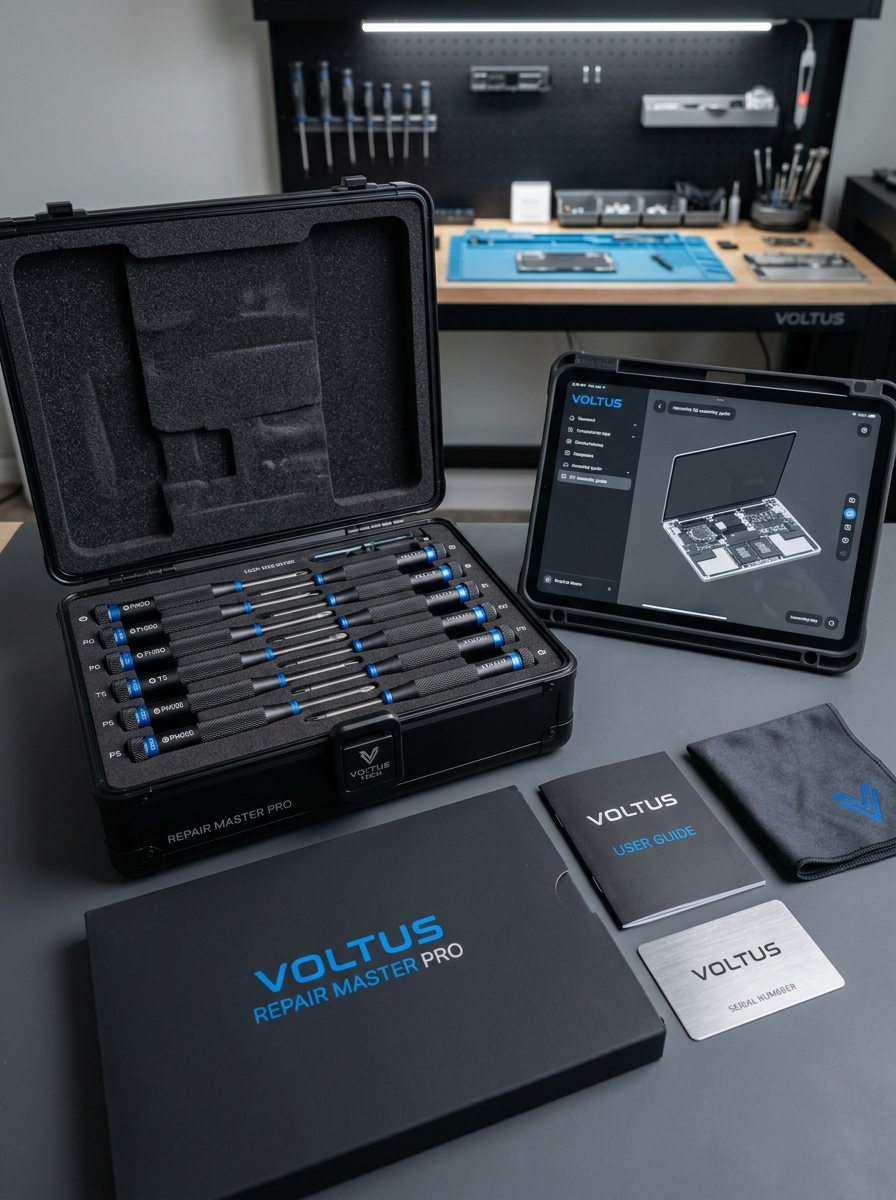
Precision instruments demand packaging that mirrors their technical exactitude. Mastering the balance between aesthetic appeal and functional integrity is essential for creating high-quality screwdriver sets that resonate with discerning professionals and hobbyists alike.
Effective design transcends mere storage; it encompasses ergonomic organization, durable material selection, and intuitive access. By focusing on protective casing that prevents bit degradation while maintaining a sleek, minimalist profile, manufacturers can significantly elevate the user experience. This exploration into packaging design focuses on the synergy between industrial art and practical utility, ensuring that every precision toolset remains organized, accessible, and visually compelling for the modern workshop.
Foundations of Precision Packaging Design
The integrity of a precision screwdriver set depends heavily on its packaging architecture. Superior design focuses on tool organization and protective housing to safeguard delicate components. Foundations of this design include using high-density molded trays or EVA foam inserts that provide secure fitment, preventing bit migration and tip damage during transit.
Effective packaging also incorporates semantic labeling and ergonomic layouts. Clear size markings and categorized bit sections-covering types like Phillips, Torx, and Pentalobe-allow for rapid identification during intricate electronics repairs. A durable, compact case serves as a shield against environmental factors and impact, ensuring the longevity of the hardened steel bits. By integrating portability with secure storage, the packaging becomes an essential extension of the toolset, optimizing professional workflows and tool maintenance.
Harmonizing Visual Identity with Technical Utility
A premium precision screwdriver set achieves excellence by balancing sophisticated aesthetics with uncompromising mechanical performance. This synergy ensures that tools are not only visually striking but also specifically engineered for high-stakes electronic repairs. By integrating a modern visual identity-characterized by sleek aluminum housings and streamlined profiles-with technical necessities like S2 tool steel durability, these sets redefine professional utility.
The design focuses on ergonomic precision; knurled grips offer tactile feedback, while 360-degree swivel caps facilitate seamless one-handed operation. Technical utility is further enhanced through magnetized tips and CNC-machined bits that prevent fastener stripping. Ultimately, harmonizing form and function allows for intuitive bit identification and organized storage, providing technicians with a toolset that reflects the precision and sophistication of the modern devices they repair.
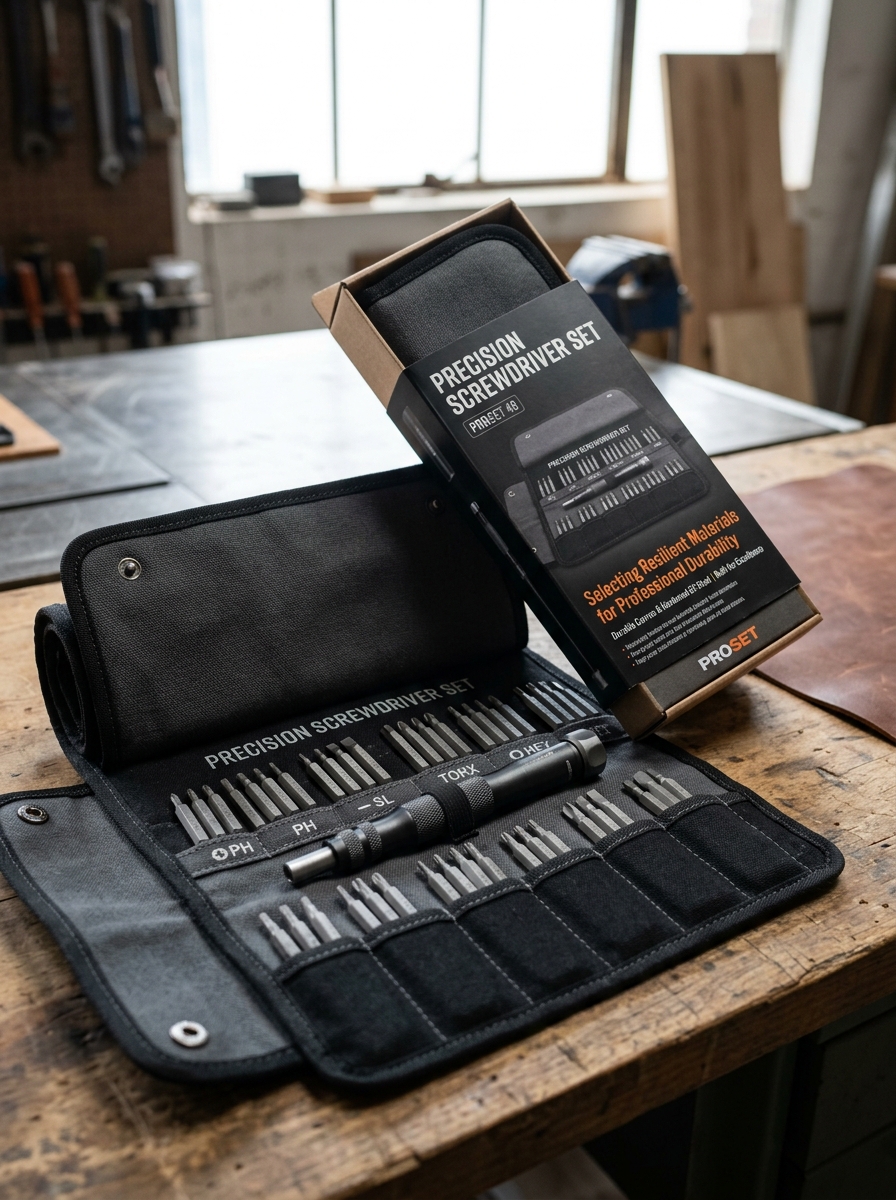
Selecting Resilient Materials for Professional Durability
The longevity of a precision screwdriver set depends heavily on the quality of its alloys. For professional-grade durability, S2 tool steel is the gold standard, offering exceptional hardness and shock resistance. This material ensures that bits maintain their shape even under high torque, preventing the stripping of delicate fasteners in electronics or jewelry.
Another reliable option is Chrome Vanadium (Cr-V), which provides a perfect balance of strength and rust resistance. To further enhance performance, many sets feature heat-treated tips and protective coatings like black phosphate to combat corrosion. By selecting tools crafted from these resilient materials, technicians ensure mechanical precision and long-term reliability for intricate repairs, making it a critical investment for any professional toolkit.
Optimizing Internal Layout for Maximum Tool Accessibility
A high-quality precision screwdriver set relies on a meticulously planned internal layout to enhance workflow efficiency. Superior organization ensures that every bit and driver is immediately accessible, reducing downtime during complex repairs. By utilizing custom-molded slots and high-contrast size markings, users can identify the correct tool at a glance.
Modern layouts often incorporate magnetic bit retention and spring-loaded pop-up mechanisms, which prevent components from falling out while allowing for easy one-handed removal. This ergonomic approach prioritizes tool density without sacrificing visibility. Whether you are performing electronics maintenance or intricate hobby work, an optimized storage system protects delicate tips from damage and ensures that your most-used drivers are always within reach, maximizing overall productivity and tool longevity.
The Impact of Ergonomics on the Unboxing Experience
The initial interaction with a precision screwdriver set sets the standard for its professional utility. Ergonomics in unboxing extends beyond the tools themselves to the case's spatial organization and accessibility. A well-engineered kit utilizes intuitive layouts and easy-access mechanisms-such as spring-loaded bit holders or magnetic rails-that eliminate the frustration of prying small components loose.
Immediate tactile feedback, such as the comfortable diameter of a driver handle or a non-slip texture, reinforces user confidence upon first touch. By reducing the physical effort required to identify and retrieve specific bits, ergonomic packaging minimizes hand fatigue and streamlines the workflow. This focus on human-centric design ensures that the transition from storage to high-precision repair is seamless, efficient, and satisfying for every technician.
Leveraging Transparent Windows for Visual Product Verification
In the design of a professional precision screwdriver set, a case featuring a transparent window serves as a critical tool for efficient inventory management. These clear viewing panels allow technicians to perform rapid visual product verification, ensuring all specialized bits-such as Torx, Pentalobe, and Hex-are present and organized without needing to open the latch.
This transparency eliminates guesswork during complex electronics repairs, allowing users to identify the exact bit size required at a glance. By maintaining constant visibility, these windows help prevent the loss of small components and streamline the workflow for those handling smartphone, laptop, and watch repairs. Ultimately, a transparent window enhances accessibility, ensuring your precision toolkit remains complete and ready for high-accuracy tasks.
Sustainability Trends in Modern Tool Kit Construction
The manufacturing of the precision screwdriver set is undergoing a green revolution, focusing on material longevity and eco-conscious production. Modern construction now prioritizes recycled S2 tool steel and high-grade alloys, ensuring maximum durability to combat the "throwaway culture." By extending the lifecycle of every bit and handle, manufacturers significantly reduce industrial waste.
Key trends include replacing virgin plastics with recycled polymers or bio-composites for ergonomic grips. Additionally, modular kit designs are gaining popularity, allowing users to replace individual worn components rather than discarding entire sets, which supports a circular economy.
As precision tools become essential for electronic repair and e-waste reduction, their construction increasingly features plastic-free, FSC-certified packaging. These sustainable advancements ensure that technicians achieve high-torque accuracy while minimizing their environmental footprint.
Precision Engineering of Magnetic Closures and Hinges
The integrity of a professional precision screwdriver set relies heavily on its housing. Advanced storage cases employ magnetic closure systems utilizing high-grade neodymium magnets. This engineering choice ensures a secure, self-aligning seal that prevents tool displacement during transit while eliminating the mechanical fatigue common in traditional plastic latches.
Complementing these magnets are precision-engineered hinges designed for fluid movement and long-term durability. These hinges often feature a reinforced pivot structure, allowing the case to open a full 180 degrees to lay flat on any workspace. This design facilitates rapid bit identification and seamless retrieval. By integrating these high-tolerance components, manufacturers ensure the protective case remains as reliable and long-lasting as the professional-grade steel bits it contains, providing a premium tactile experience for every repair task.
Strategic Color Schemes for Brand Recognition and Safety
In the world of professional tools, the color palette of a precision screwdriver set serves as more than just an aesthetic choice. Manufacturers utilize specific color-coding systems to reinforce brand recognition, allowing technicians to identify high-quality toolsets instantly amidst a crowded workspace.
Functionally, strategic colors enhance user safety and efficiency. High-visibility handles ensure tools are easily located in dark electronic housings, while standardized color-coding on end-caps signifies specific drive types-such as Torx, Phillips, or Slotted-reducing selection errors. For electrical work, red and yellow schemes often denote VDE-certified insulation for 1,000V protection. By integrating these visual cues, a precision screwdriver set optimizes workflow, minimizes downtime during delicate repairs, and ensures that the right tool is used for the right application every time.
Future Innovations in Smart and Interactive Tool Packaging
The evolution of precision screwdriver sets is moving beyond hardware into the realm of intelligent packaging. Future designs are integrating NFC technology and dynamic QR codes, enabling users to instantly access digital calibration data, interactive video tutorials, and automated warranty registration via mobile devices.
Emerging trends also highlight Augmented Reality (AR) integration, where tool cases serve as digital anchors for projecting 3D repair guides directly onto a workspace. Additionally, "smart storage" solutions are incorporating embedded sensors and Bluetooth connectivity to track bit usage frequency, monitor humidity levels for corrosion prevention, and alert users if a component is missing. By blending physical storage with digital interactivity, these innovations transform a standard tool kit into a data-driven smart workstation, significantly optimizing efficiency and tool longevity for modern technicians.
Leave a comment