
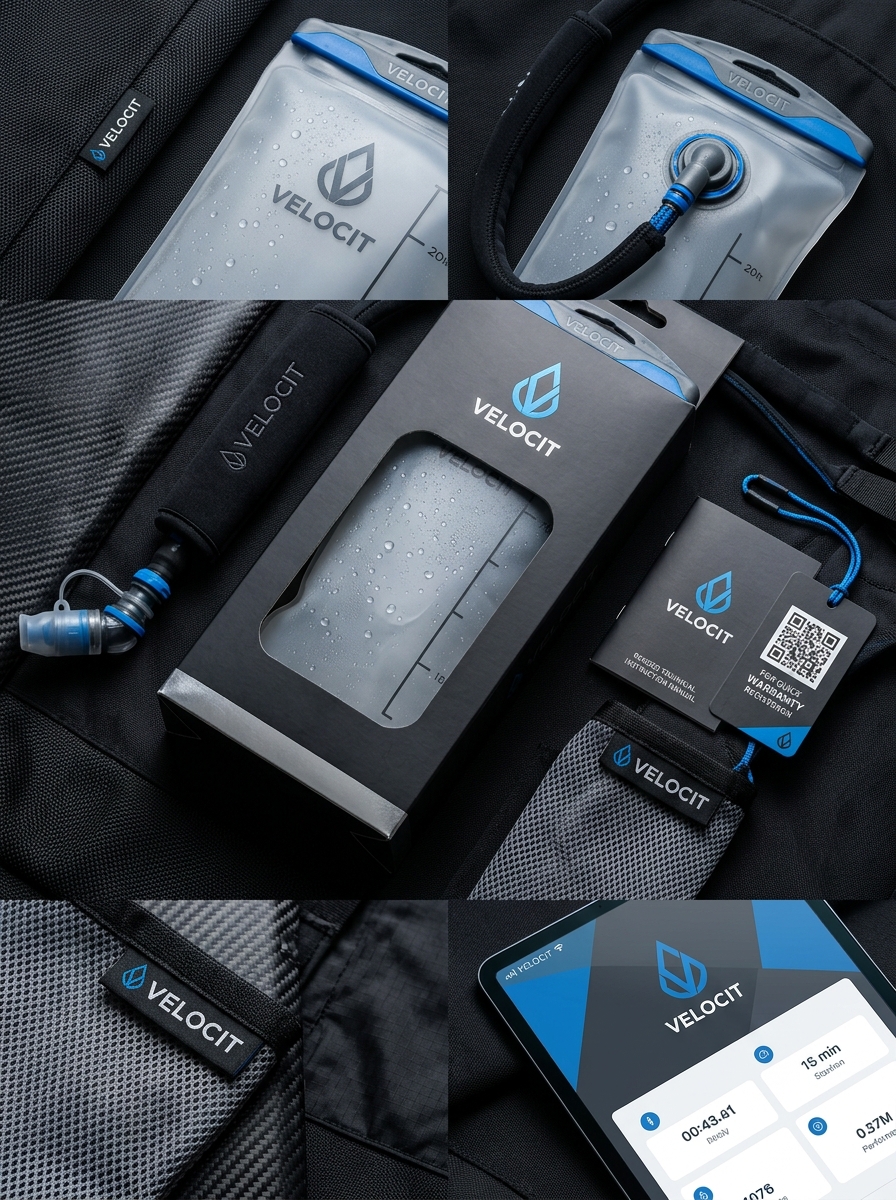
Modern outdoor enthusiasts demand peak performance not just from their gear, but from the packaging that delivers it. Optimizing hydration reservoir packaging requires a strategic fusion of ergonomic design and striking visual aesthetics. As brands shift toward sustainable materials and streamlined form factors, the industry focus has moved to enhancing the consumer unboxing experience while ensuring long-term product integrity.
Effective packaging design delves into essential structural engineering concepts-such as puncture-resistant barriers and space-efficient folding-alongside the graphic elements that communicate technical reliability. By balancing tactile functionality with high-impact visual branding, manufacturers can effectively elevate their market presence and meet the rigorous expectations of the contemporary adventurer seeking both quality and convenience.
Defining the Core Purpose of Hydration Reservoir Packaging
The primary objective of hydration reservoir packaging is to provide a robust protective barrier that maintains the integrity of the bladder, tubing, and valves. This specialized housing prevents punctures, abrasions, and environmental contamination during transit, ensuring the product remains sterile and leak-proof until use.
Beyond physical protection, the packaging acts as a vital information hub for consumers. It communicates essential technical specifications including:
- Fluid capacity (liters or ounces)
- Material safety (BPA-free and food-grade certifications)
- Compatibility with various backpacks and filtration systems
By integrating durability with clear product data, hydration reservoir packaging ensures that outdoor enthusiasts receive a high-performance, ready-to-use hydration system designed for peak physical endurance.
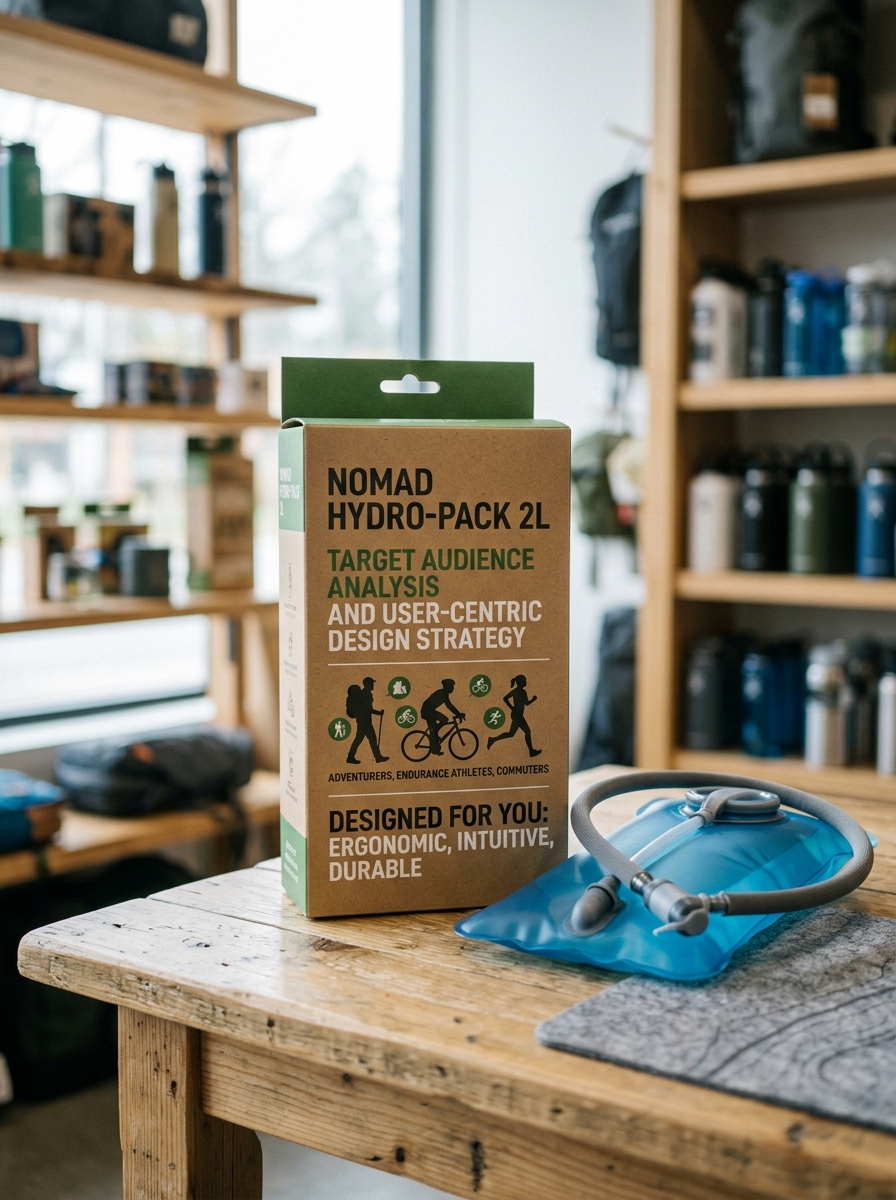
Target Audience Analysis and User Centric Design Strategy
Developing a superior hydration reservoir necessitates a dual-focus approach. Our target audience encompasses endurance athletes, high-altitude hikers, and tactical professionals, each requiring specific functional parameters such as weight efficiency, rugged durability, and intuitive operation.
A user-centric design strategy addresses these needs by prioritizing ergonomics and maintenance. Key features include:
- High-Flow Bite Valves: Designed for effortless, leak-proof, hands-free hydration.
- Wide-Slide Openings: Facilitating rapid refilling and simplified cleaning to prevent biofilm buildup.
- BPA-Free Materials: Utilizing taste-free, antimicrobial films to ensure water purity.
By integrating feedback from rigorous field testing, the design optimizes load distribution, ensuring the hydration bladder remains stable and low-profile. This alignment between user behavior and technical engineering results in a reliable solution that maximizes performance in extreme environments.
Material Selection for Durability and Sustainable Solutions
Selecting high-quality materials is essential for engineering a hydration reservoir that balances long-term performance with environmental responsibility. Most premium bladders utilize Thermoplastic Polyurethane (TPU), a material prized for its extreme durability, flexibility, and high resistance to abrasions or punctures during rugged outdoor use.
From a sustainability perspective, modern manufacturing focuses on BPA-free and PVC-free compositions to prevent chemical leaching and ensure a taste-free experience. Incorporating food-grade, recyclable polymers reduces the ecological footprint while maintaining structural integrity.
Durability is a core pillar of sustainability; a reservoir featuring RF-welded seams withstands high pressure, requiring less frequent replacement. By prioritizing non-toxic, long-lasting materials, manufacturers deliver reliable hydration solutions that minimize waste and support a circular economy in outdoor gear production.
Visual Branding Elements and Color Psychology for Outdoor Gear
For a hydration reservoir, visual branding transcends aesthetics to communicate functionality and trust. Color psychology plays a pivotal role in consumer perception; specifically, blue is the industry standard as it evokes feelings of purity, refreshment, and water safety. Conversely, earth tones like olive green or slate grey are utilized for tactical or backcountry gear to signify durability and environmental integration.
Beyond palette, branding elements include material clarity and finish. A transparent reservoir suggests cleanliness and allows for easy fluid monitoring, while matte textures imply a rugged, premium build. Integrating high-contrast accents on bite valves and handles improves visibility in low-light conditions. By strategically combining these visual cues, manufacturers reinforce brand identity and reassure outdoor enthusiasts of the equipment's reliability during high-endurance activities.
Integrating High Impact Product Imagery and Technical Diagrams
Optimizing the digital presentation of a hydration reservoir requires a strategic blend of aesthetic appeal and functional clarity. High-impact imagery showcases the reservoir in real-world scenarios, highlighting its ergonomic fit within a backpack and the tactile quality of its construction.
Complementing these visuals with technical diagrams is essential for explaining specialized components like high-flow bite valves, quick-disconnect systems, and internal baffles that prevent water shifting. Schematics provide a transparent view of BPA-free materials and leak-proof sealing technology. By integrating high-resolution photography with precise engineering illustrations, brands effectively communicate product value and durability. This dual-visual approach enhances user comprehension, builds consumer trust, and improves conversion rates by answering technical questions through intuitive, visually-rich content.
Communicating Performance Specifications and Key Features
Understanding the technical specifications of a hydration reservoir is essential for ensuring peak performance during outdoor activities. High-quality water bladders are defined by their material durability, typically utilizing BPA-free and PVC-free TPU to ensure taste-free hydration and puncture resistance.
Key features to evaluate include:
- Capacity and Weight: Standard volumes range from 1.5L to 3L, balanced against ultralight dry weights.
- Flow Efficiency: High-flow bite valves with integrated shut-off levers prevent leakage while maximizing water delivery.
- Maintenance Design: Wide-slide openings or large screw caps facilitate easy filling and thorough internal cleaning.
- Structural Stability: Internal baffles maintain a low profile, reducing water slosh and improving weight distribution within a pack.
- Connectivity: Quick-disconnect hose systems allow for easy refilling without re-routing the drinking tube.
These performance metrics ensure the hydration system remains reliable under rigorous conditions.
Optimizing Packaging Structure for Retail Display and Protection
Effective hydration reservoir packaging must balance visual appeal with rigorous physical protection. To enhance shelf presence, designers utilize die-cut windows or high-clarity films, allowing consumers to inspect the reservoir's material quality and valve mechanisms. However, because TPU and PEVA materials are susceptible to punctures, the internal structure is critical.
Optimized designs incorporate reinforced corrugated inserts or sturdy backing cards that immobilize the bladder, preventing friction and creasing during transit. Furthermore, integrated euro-hooks ensure stable vertical alignment on retail pegboards, maximizing visibility. By combining durable, eco-friendly materials with space-efficient form factors, brands can reduce shipping costs while ensuring the product arrives leak-free. Implementing these semantic structural elements ensures both product integrity and a premium consumer experience in the competitive outdoor gear market.
Enhancing the Consumer Unboxing Experience and Brand Value
For premium hydration reservoirs, the unboxing experience is a vital touchpoint that establishes brand perceived value. Transitioning from basic plastic wrap to thoughtful, sustainable packaging reinforces a commitment to quality and the environment.
To maximize impact, brands should focus on these semantic elements:
- Premium Presentation: Utilizing custom-fit inserts protects the hydration bladder while showcasing its sleek design and material durability.
- Educational Value: Including printed maintenance guides or QR codes for leak-proof setup instructions builds immediate consumer confidence.
- Tactile Branding: High-quality finishes and embossed logos signal professional-grade engineering, justifying premium price points.
By prioritizing an intentional unboxing journey, manufacturers transform a utilitarian outdoor accessory into a memorable brand statement, fostering long-term loyalty among hikers, cyclists, and endurance athletes.
Balancing Minimalist Aesthetics with Functional Package Design
Modern hydration reservoirs represent a sophisticated intersection of form and utility. Achieving a minimalist aesthetic requires a "less is more" approach, focusing on low-profile silhouettes and transparent, high-quality materials that convey cleanliness and technical precision.
Functional package design ensures these units remain practical under extreme conditions. Designers prioritize ergonomic integration, ensuring the reservoir contours to the wearer's back while maintaining a slim footprint. Key elements that bridge the gap between beauty and performance include:
- Internal Baffles: Maintain a flat profile to prevent sloshing and bulging.
- Intuitive Closures: Slide-tops or wide-mouth openings that offer sleek visual lines and leak-proof security.
- Plug-and-Play Interfaces: Discrete quick-disconnect valves that enhance modularity without adding bulk.
By utilizing durable TPU materials and streamlined components, manufacturers deliver hydration solutions that are visually unobtrusive yet technically superior for high-endurance activities.
Future Innovations in Sustainable Hydration Gear Packaging
The evolution of hydration reservoir manufacturing is increasingly focused on a circular economy. Future innovations in sustainable hydration gear packaging prioritize reducing environmental footprints through bio-based materials and plastic-free alternatives. Manufacturers are transitioning from traditional fossil-fuel plastics to compostable protective films and biodegradable resins derived from renewable plant starches.
Emerging trends include 100% recycled cardboard inserts and soy-based inks that replace toxic solvents. These eco-friendly packaging solutions maintain product hygiene while ensuring all components are easily recyclable or earth-friendly. By implementing zero-waste design principles, brands are significantly cutting single-use waste. These advancements reflect a broader commitment to preserving the natural trails and outdoor spaces where hydration gear is essential, setting a new sustainable standard for the performance equipment industry.
Leave a comment