
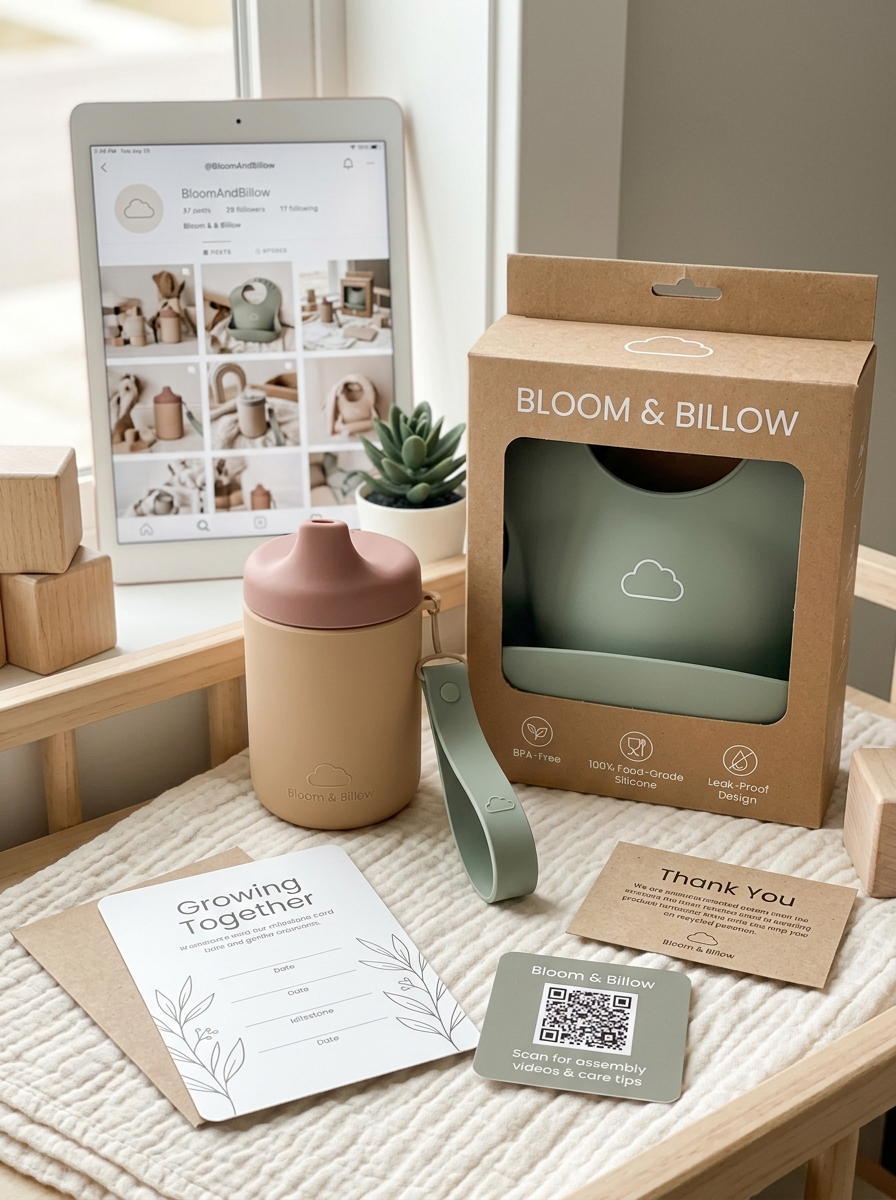
Effective sippy cup packaging design serves as the critical bridge between retail visibility and functional reliability. In the nursery products market, packaging must transcend basic containment to communicate safety, durability, and core brand values. Modern designs prioritize ergonomic structural integrity and high-clarity windows, allowing parents to verify essential features like spill-proof valves and BPA-free materials at a glance.
By harmonizing vibrant visual aesthetics with sustainable materials, manufacturers can capture consumer attention while ensuring the product remains protected during transit. Understanding the intersection of aesthetic principles and practical utility is essential for creating packaging that resonates with health-conscious families and establishes long-term brand trust. This guide examines how strategic design choices influence buyer behavior and enhance the overall user experience.
Defining the Target Demographic and Parental Needs
The primary demographic for sippy cups consists of infants and toddlers, typically aged 6 to 36 months, who are transitioning from bottles or breastfeeding to independent drinking. Parents and caregivers serve as the primary purchasers, driven by specific functional requirements that facilitate developmental milestones.
Key parental needs focus on spill-proof designs to minimize messes and ergonomic grips tailored for small hands to improve fine motor skills. Safety is paramount; therefore, high demand exists for BPA-free, non-toxic materials. Furthermore, parents prioritize ease of maintenance, seeking dishwasher-safe components and simple assemblies. By addressing these needs-including dental-friendly spouts that support oral health-manufacturers can satisfy the dual requirement for child usability and parental convenience during the crucial weaning phase.
Visual Brand Identity and Color Psychology
A sippy cup's visual brand identity is a critical tool for communicating safety, durability, and fun. Brands use cohesive design elements, such as rounded typography and ergonomic shapes, to signal toddler-friendliness and ease of use. Central to this identity is color psychology, which influences both the child's engagement and the parent's perception.
Strategic color choices often include:
- Primary Colors: Bright reds and yellows stimulate a child's appetite and curiosity, encouraging them to reach for the cup.
- Soft Pastels: Muted blues and greens evoke a sense of calm and hygiene, appealing to parents looking for organic or "clean" products.
- High Contrast: Bold, dual-tone patterns help developing eyes focus and recognize their personal belongings.
By aligning visual cues with emotional needs, brands build trust and simplify the transition from bottle to independent drinking.
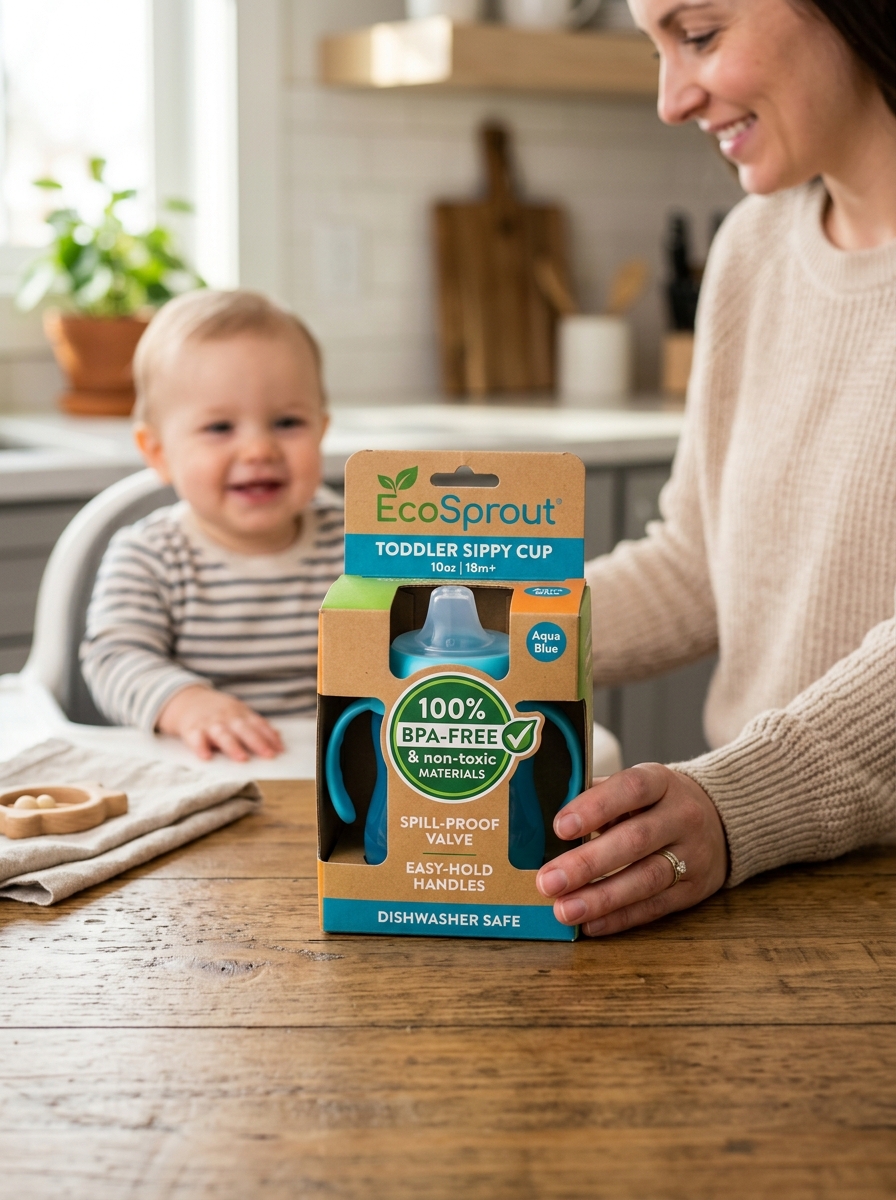
Highlighting Product Safety and BPA-Free Materials
When selecting the perfect sippy cup for your toddler, prioritizing product safety and material integrity is essential. Our transition cups are crafted from high-quality, BPA-free materials, ensuring that no harmful endocrine disruptors or chemicals leach into your child's beverages. We utilize food-grade silicone and non-toxic, impact-resistant plastics that are rigorously tested to be lead-free and phthalate-free.
Safety extends beyond chemical composition; our designs incorporate smooth edges and secure, spill-proof lids to prevent choking hazards and messy leaks. Every cup undergoes strict quality control to meet international safety standards, providing parents with total peace of mind. By choosing non-toxic drinking solutions, you support your baby's healthy development while ensuring a durable, hygienic tool for independent drinking. Invest in premium materials that protect your little one's health during every milestone.
The Role of Transparency and Product Visibility
In the design of a sippy cup, transparency serves as a critical functional feature for both safety and hygiene. Clear materials allow parents to monitor a child's hydration levels in real-time, ensuring they receive adequate fluids throughout the day.
Beyond volume tracking, product visibility is essential for maintaining sanitary standards. A transparent bottle makes it easier to spot hidden mold, milk residue, or debris trapped in valves and straws, which could otherwise lead to bacterial growth.
Furthermore, seeing the liquid helps toddlers understand the mechanics of tipping and drinking, supporting their developmental milestones. By prioritizing high-visibility materials like BPA-free Tritan or glass, manufacturers provide a safer, more intuitive transition from bottles to open cups.
Communicating Developmental Milestones and Age Gradation
Introducing a sippy cup is a pivotal step in an infant's transition from bottle-feeding to independent drinking. This progression aligns with key developmental milestones, typically starting between six and nine months as motor skills and hand-eye coordination improve.
Effective age gradation ensures the child's oral-motor development stays on track:
- 6-9 Months: Transition cups with soft spouts or weighted straws help infants learn the sipping motion while managing handles.
- 9-12 Months: Harder spouts or straw cups encourage more complex tongue movements and lip seal.
- 12+ Months: Rimless "360" cups or open-cup trainers mimic adult drinking, promoting proper dental alignment and refined swallowing patterns.
By matching cup features to specific age brackets, parents can support healthy dental growth and foster self-feeding confidence during critical growth phases.
Structural Integrity and Durability in Retail Environments
In the competitive baby products market, the structural integrity of a sippy cup is a critical factor for retail success. These items must endure the stresses of global shipping, warehouse stacking, and frequent in-store handling. Manufacturers utilize high-impact materials such as BPA-free polypropylene and 18/8 food-grade stainless steel to ensure the product remains shatterproof and resilient.
Durability in a retail context means minimizing stock loss due to cracked casings or compromised seals. Robust designs often feature reinforced threading and ultrasonic welding to maintain leak-proof performance under pressure. For retailers, stocking sippy cups with superior build quality reduces return rates and enhances consumer trust. By focusing on drop-tested engineering and wear-resistant components, brands deliver a reliable feeding solution that withstands the demands of both the retail shelf and active toddlers.
Ergonomic Packaging Shapes for Ease of Handling
Modern sippy cup designs prioritize ergonomic shapes to support a toddler's developing fine motor skills. Contoured bottle bodies, often featuring an hourglass silhouette or indented grip zones, provide natural placement for small fingers. These intuitive geometries, frequently paired with textured surfaces or matte finishes, ensure a secure, non-slip hold even when hands are wet.
By focusing on human-centered design, manufacturers reduce the physical effort required for a child to lift and tilt the cup. Lightweight, balanced proportions further enhance maneuverability, preventing accidental drops and spills. Selecting a sippy cup with an anatomically optimized shape encourages independent drinking and fosters confidence as children transition from bottles to adult-style glassware.
Sustainable Materials and Eco-Conscious Packaging Solutions
Modern sippy cup manufacturing focuses on durability and environmental responsibility. Leading brands now prioritize sustainable materials such as food-grade stainless steel, medical-grade silicone, and BPA-free recycled plastics. These non-toxic alternatives ensure child safety while reducing the reliance on virgin plastics that contribute to environmental degradation.
Eco-conscious packaging further enhances these green initiatives. By utilizing FSC-certified cardboard, compostable mailers, and soy-based inks, companies minimize their carbon footprint throughout the supply chain. Transitioning to plastic-free shipping ensures that every stage of the product lifecycle aligns with a circular economy. Choosing a sustainable sippy cup not only protects your toddler from harmful chemicals but also supports a healthier planet for their future.
Clarity in Feature Callouts and Leak-Proof Messaging
Optimizing sippy cup descriptions requires a strategic focus on leak-proof messaging and transparent feature callouts. For parents, the primary value proposition is a mess-free experience. Utilizing precise terminology-such as "triple-seal technology," "spill-resistant valves," and "click-lock lids"-provides immediate reassurance of product reliability during toddler transitions.
To improve semantic relevance, highlight essential product attributes including BPA-free materials, ergonomic easy-grip handles, and dentist-recommended spout designs. High-converting content bridges the gap between technical specifications and daily utility. By clearly communicating 100% leak-proof guarantees and dishwasher-safe convenience, brands address core parental pain points. Clear, bolded callouts ensure that shoppers quickly identify safety certifications and durability milestones, facilitating an informed purchasing decision for their child's developmental needs.
Enhancing the In-Store and Unboxing Experience
For a sippy cup, the consumer journey begins on the retail shelf. High-quality packaging featuring transparent windows allows parents to inspect the ergonomic handles and spout materials before purchase. Clear, benefit-driven labeling regarding BPA-free components and leak-proof technology builds immediate trust in a competitive market.
The unboxing experience is equally vital for brand loyalty. A well-designed interior layout protects the product while remaining easy to open, reducing "wrap rage." Including a visually engaging quick-start guide or a QR code for assembly and cleaning videos adds functional value. By blending tactile appeal with informative content, brands ensure that the transition from store shelf to high chair is seamless, reinforcing the perception of a premium, child-safe hydration solution.
Leave a comment