
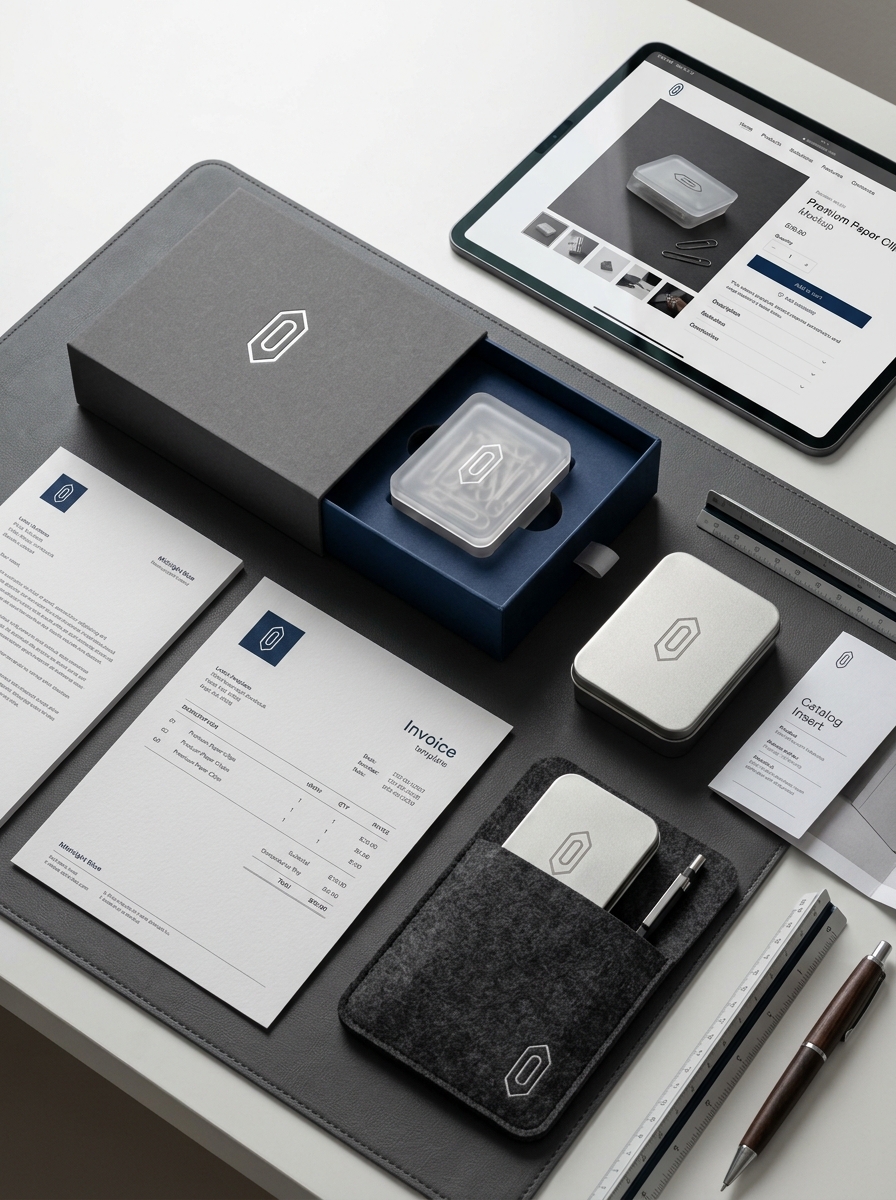
Effective paper clip packaging design serves as a vital bridge between mundane utility and sophisticated brand identity. Transforming a basic office essential into a premium consumer product requires a strategic approach to concept development and high-level visual aesthetics. By prioritizing structural integrity alongside minimalist graphics, designers can elevate the user experience from the moment of unboxing.
This exploration delves into the core principles of modern stationery packaging, focusing on how material selection and color palettes influence perceived value. Understanding the synergy between functional storage and shelf appeal is crucial for establishing market presence. As we examine the shift toward sustainable and tactile designs, we uncover the intricate details that define successful packaging solutions for these indispensable organizational tools.
The Evolution of Paper Clip Packaging Standards
The history of paper clip packaging has evolved from simple bulk containers to highly standardized units designed for global commerce. In the early 20th century, manufacturers transitioned from loose bundles to the iconic cardboard box of 100, establishing a universal metric for office inventory management and retail consistency.
As consumer needs shifted, packaging standards adapted to include reusable plastic tubs, magnetic dispensers, and color-coded assortments. Modern advancements now emphasize sustainability, with many manufacturers adopting FSC-certified paperboard or biodegradable materials to minimize environmental impact. These packaging shifts reflect broader industrial trends toward efficiency and ecological responsibility, ensuring that paper clips remain protected during transit while meeting contemporary organizational requirements in professional environments.
Defining Your Brand Identity in the Stationery Market
In the competitive stationery market, establishing a distinct brand identity for paper clips requires moving beyond basic utility. To differentiate your products, you must focus on unique value propositions such as sustainable materials, innovative finishes, or ergonomic shapes.
A strong identity resonates with specific consumer segments, whether they are corporate professionals seeking high-tension reliability or creative enthusiasts looking for aesthetic appeal. Key branding elements include:
- Visual Consistency: Signature colors and specialized packaging.
- Quality Standards: Durability and rust-resistant coatings.
- Market Positioning: Luxury organizational tools versus eco-conscious bulk essentials.
By strategically aligning your product's design with the needs of the modern workspace, your paper clips transform from simple wire fasteners into a recognized symbol of professional organization and style.
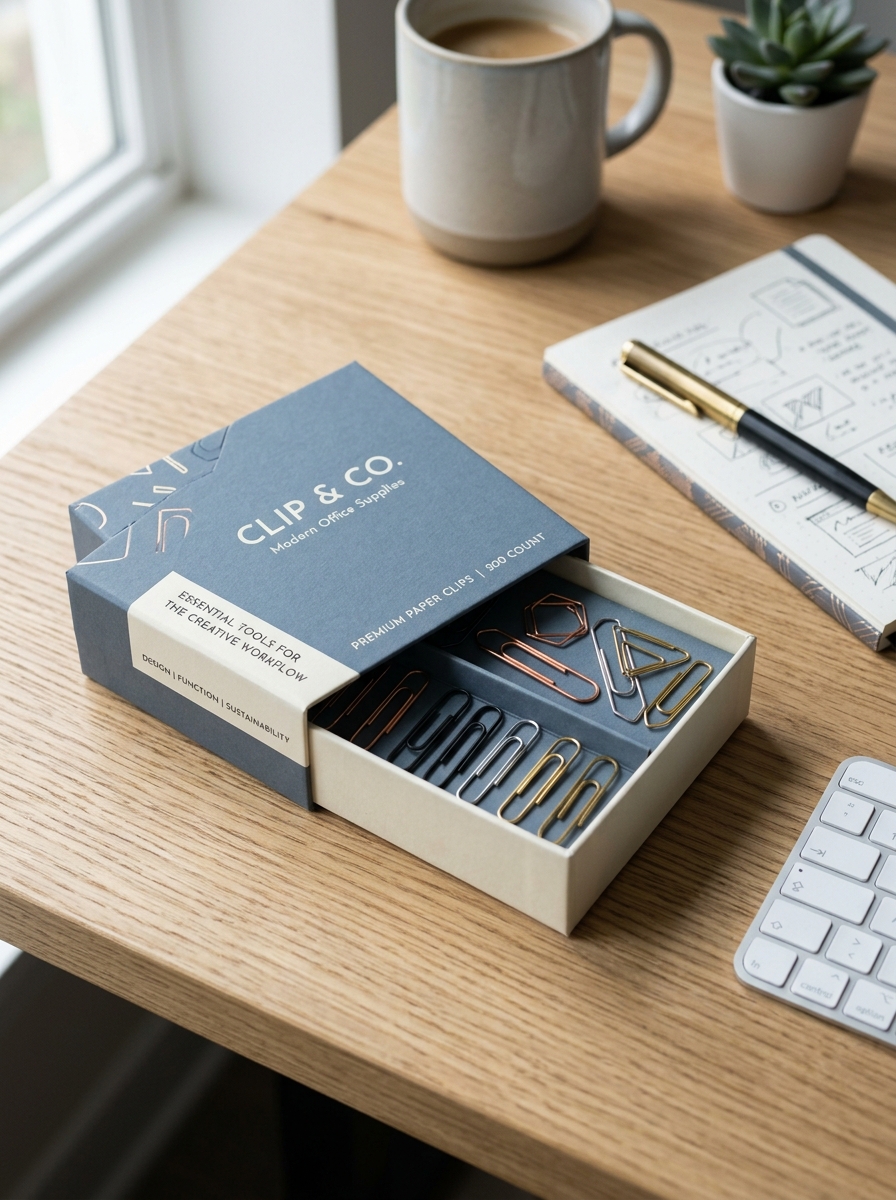
Core Concepts for Modern Office Supply Design
Modern paper clip engineering transcends simple wire bending, focusing on the intersection of ergonomics and material science. To optimize office efficiency, designers prioritize three core pillars:
- Tension Dynamics: Utilizing high-tensile steel or resilient polymers to ensure a secure grip without permanent paper deformation.
- Aesthetic Versatility: Incorporating vinyl coatings and geometric variations to align with brand identities and organizational color-coding systems.
- Sustainability: Transitioning toward 100% recyclable alloys and eco-friendly manufacturing processes to reduce the carbon footprint of essential stationery.
By refining the classic Gem-style silhouette, modern design transforms the humble paper clip into a sophisticated tool that balances clamping force with surface protection, ensuring durability in high-volume professional environments.
Material Innovation for Durability and Sustainability
Modern paper clip manufacturing has evolved beyond traditional galvanized steel to embrace material science that prioritizes both longevity and ecological impact. Engineers now utilize high-tensile recycled steel alloys and aircraft-grade aluminum to ensure superior shape retention and corrosion resistance.
Sustainability is a primary driver for innovation, leading to the development of:
- Bio-plastics: Starch-based coatings that replace traditional petroleum-derived PVC.
- Recycled Content: Post-consumer metal sources that reduce the carbon footprint of production.
- Circular Design: 100% recyclable finishes that facilitate easier sorting in waste management streams.
These advancements ensure that the humble paper clip remains a robust fastening tool while aligning with green procurement standards and circular economy principles in the modern workplace.
The Impact of Color Psychology on Consumer Choice
In the stationery market, the color psychology of paper clips significantly influences consumer behavior and purchasing decisions. While traditional silver nickel-plated clips convey professionalism and reliability, vibrant colored variants cater to specific emotional and organizational needs.
Consumers often select colors based on the psychological triggers they evoke:
- Red: Signals urgency, importance, or high-priority tasks.
- Blue: Promotes a sense of calm, trust, and stability in document management.
- Green: Often associated with growth or "go" signals in workflow processes.
By offering diverse palettes, manufacturers tap into the demand for color-coded organization and personal expression. This strategic use of color transforms the humble paper clip from a simple utility item into a powerful tool for enhancing productivity and brand identity within the modern workspace.
Mastering Visual Hierarchy and Typography Layouts
In the context of stationery retail, mastering visual hierarchy and typography layouts is essential for effectively showcasing products like paper clips. By utilizing scale, contrast, and strategic placement, designers can guide a customer's eye toward vital information such as wire gauge, size (e.g., Jumbo vs. Standard), and coating type.
To optimize your information architecture, consider these layout principles:
- Typographic Contrast: Use bold weights for product titles to distinguish "Vinyl-Coated" from "Zinc-Plated" options.
- Spatial Alignment: Leverage white space to prevent clutter, ensuring technical specifications remain legible.
- Scale: Prioritize bulk quantity discounts or "Rust-Resistant" features with larger font sizes to drive conversions.
Implementing a clear hierarchy ensures that even the smallest office essentials are presented with professional clarity and aesthetic balance.
Ergonomic Design for Functional Storage Solutions
Modern paper clips are engineered beyond simple wire loops to prioritize ergonomic efficiency and functional storage. Advanced designs often feature non-skid surfaces and specialized vinyl coatings that prevent document slippage while ensuring ease of manual application. These attributes significantly reduce physical strain during high-volume filing and organizational tasks.
The structural integrity of a clip, from the classic Gem style to butterfly clamps, determines its capacity to maintain tight compression without deforming. By integrating ergonomic principles, these fasteners serve as essential tools for streamlined document management. They facilitate the quick categorization and modular storage of paperwork, protecting the physical integrity of pages. Selecting the right clip geometry enhances workflow productivity, transforming basic office supplies into sophisticated solutions for maintaining organized, accessible, and professional records.
Balancing Minimalist Aesthetics with Informational Clarity
In the realm of office organization, the paper clip serves as a pinnacle of functional simplicity. Achieving a balance between minimalist aesthetics and informational clarity is essential for both product design and packaging. A minimalist approach emphasizes the clean, geometric lines of the steel wire, yet clear communication regarding specifications-such as size (standard or jumbo), material (nickel-plated or vinyl-coated), and quantity-is vital for the consumer.
Strategic design utilizes high-contrast typography and intuitive icons to convey these details without cluttering the visual field. By focusing on these core attributes, brands ensure that the paper clip remains a versatile tool for document management. This synergy between form and function allows for efficient categorization while maintaining the understated elegance inherent in classic stationery design.
Eco-Friendly Packaging Trends in Professional Supplies
As businesses prioritize sustainability, the packaging for everyday essentials like paper clips is undergoing a significant transformation. Modern professional supplies are moving away from traditional single-use plastic dispensers toward plastic-free alternatives.
Key trends include the use of recycled cardboard boxes, FSC-certified paper wrappers, and reusable metal tins that minimize environmental impact. These eco-friendly innovations reduce landfill waste and appeal to the growing demand for green procurement in corporate environments.
By adopting biodegradable packaging and soy-based inks, manufacturers ensure that even the smallest desk accessories align with global conservation goals. Choosing paper clips with sustainable housing is a simple yet effective way for offices to demonstrate corporate social responsibility while maintaining organizational efficiency.
Enhancing Retail Appeal Through Premium Finishes
In the competitive stationery market, the visual presentation of paper clips significantly influences consumer purchasing behavior. Transitioning from standard galvanized wire to premium finishes-such as rose gold plating, matte black, or vibrant nylon coatings-transforms a basic utility into a luxury office accessory.
These high-end aesthetics cater to the growing demand for decorative stationery and coordinated workspaces. For retailers, offering metallic and colorful variants increases the perceived value of the product, allowing for higher price points and better shelf differentiation. Beyond aesthetics, specialized coatings provide corrosion resistance and a superior tactile feel.
By focusing on sophisticated finishes, brands can appeal to boutique shoppers and professionals alike, turning a simple organizational tool into a stylish statement piece that drives retail growth and brand loyalty.
Leave a comment