
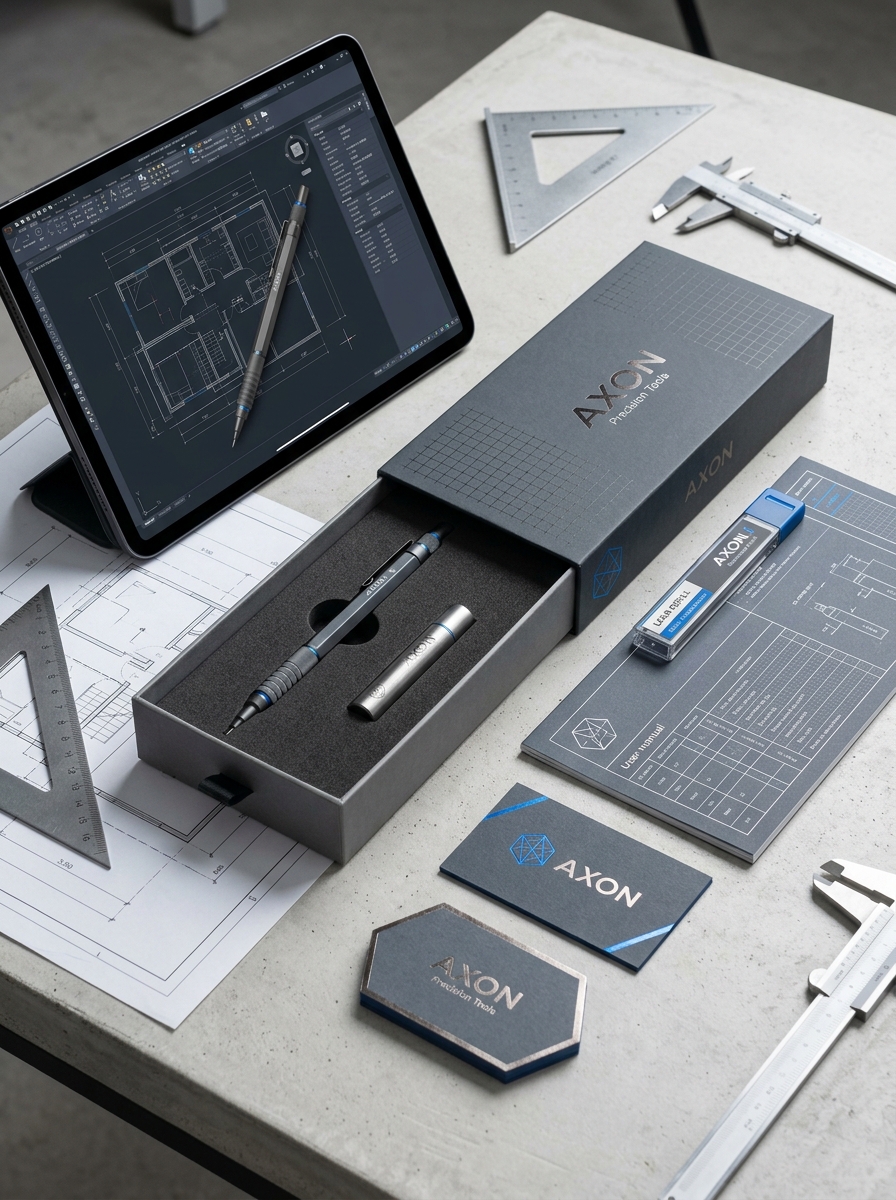
Modern mechanical pencil packaging serves as the essential intersection between technical precision and artistic expression. For stationery brands, a well-crafted container is more than a protective shell; it is a critical touchpoint that defines brand identity and influences consumer perception at first glance.
Mastering mechanical pencil packaging design requires a strategic blend of structural innovation and visual storytelling. From minimalist layouts that highlight sleek metal barrels to eco-friendly materials that appeal to conscious shoppers, the right approach elevates a simple writing tool into a premium lifestyle experience.
This exploration dives into cutting-edge design concepts and aesthetic best practices that ensure products resonate on the shelf. By focusing on ergonomic unboxing and sophisticated graphic elements, manufacturers can create a lasting impression that appeals to artists, architects, and stationery enthusiasts alike.
The Evolution of Mechanical Pencil Packaging
The history of mechanical pencil packaging reflects a shift from basic utility to sophisticated branding and environmental consciousness. Initially, early models were sold in modest cardboard tubes or simple wooden cases to protect delicate internal mechanisms during transport. As the 20th century progressed, manufacturers transitioned to plastic blister packs and molded cases, designed to showcase sleek aesthetics and technical features directly to retail consumers.
Today, packaging evolution focuses on two pillars: premium luxury and eco-friendly innovation. High-end drafting pencils often arrive in minimalist aluminum tins or embossed gift boxes, emphasizing durability. Conversely, mass-market brands are increasingly adopting FSC-certified paper and biodegradable materials to minimize plastic waste. This progression illustrates how packaging has transformed from a mere protective layer into a vital medium for brand identity and corporate sustainability within the stationery industry.
Targeting Demographics Through Strategic Visual Design
Manufacturers of mechanical pencils utilize strategic visual design to appeal to distinct consumer segments. For professional engineers and architects, the design language focuses on industrial aesthetics, featuring knurled metal grips and weighted balances that communicate precision and durability.
In contrast, the student demographic is targeted with vibrant color palettes, translucent barrels, and soft ergonomic grips, emphasizing affordability and comfort for long writing sessions. High-end executive models often incorporate luxury materials like brushed chrome, carbon fiber, or wood grain to attract professionals seeking status and longevity.
By aligning visual cues-such as barrel material, texture, and silhouette-with specific user expectations, brands create immediate product recognition. This intentional design strategy ensures that the visual identity of a mechanical pencil resonates with the lifestyle and functional requirements of its intended audience.
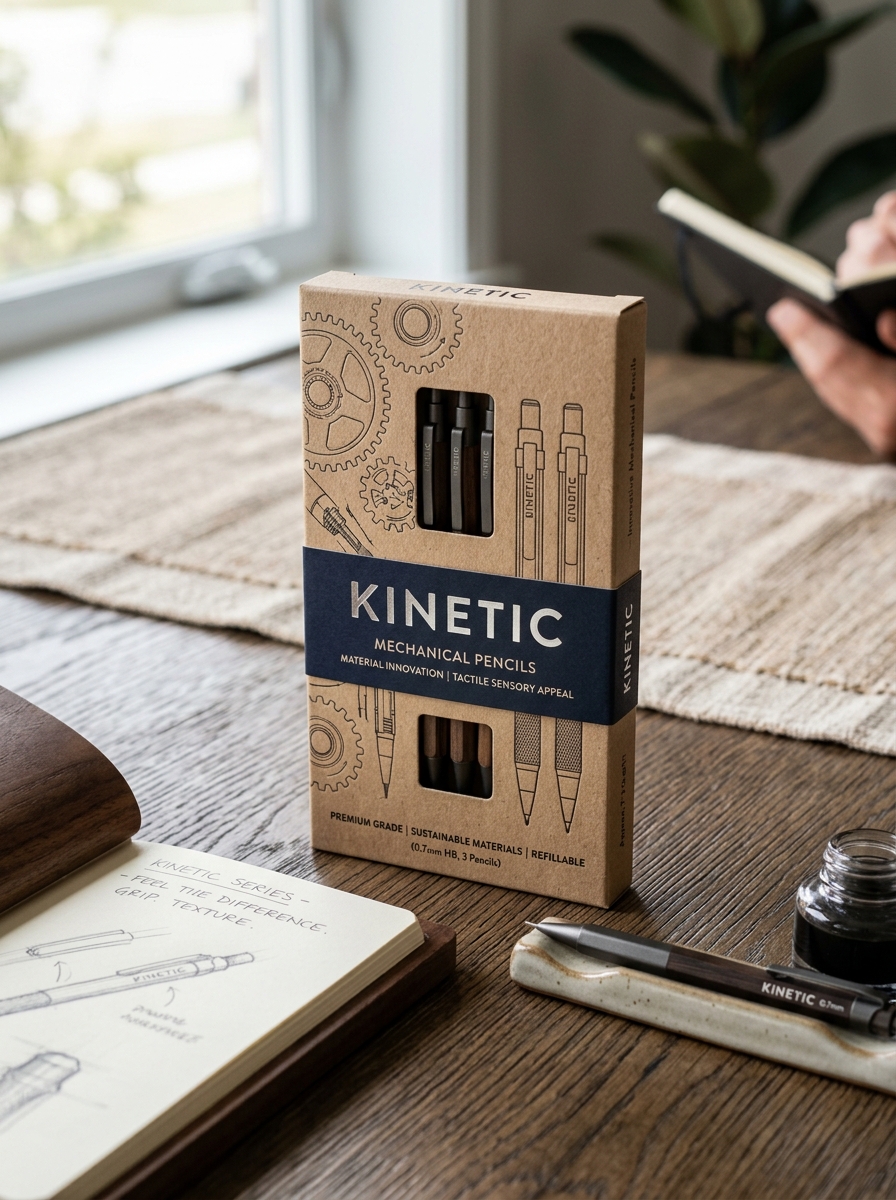
Material Innovation and Tactile Sensory Appeal
Modern mechanical pencils have transcended basic utility through advanced material science. Manufacturers now utilize premium materials such as aircraft-grade aluminum, solid brass, and high-density resins to enhance durability and weight distribution. These innovations directly impact the tactile sensory appeal, offering a balanced feel that reduces writing fatigue.
A key feature in ergonomic design is the knurled grip, often precision-machined into metal barrels to provide superior friction and control. This haptic feedback is essential for drafting and long-form writing. Additionally, the use of carbon fiber and soft-touch coatings caters to diverse user preferences, balancing professional aesthetics with physical comfort. By prioritizing the intersection of texture, weight, and ergonomic engineering, high-quality writing instruments deliver a premium sensory experience that plastic alternatives cannot replicate.
Minimalist Aesthetics for Professional Drafting Tools
In the world of mechanical pencils, minimalist aesthetics represent the ultimate intersection of form and function. For architects, engineers, and designers, a clean, industrial design is more than a stylistic choice; it is a functional necessity. By stripping away unnecessary ornamentation, these professional tools reduce visual distractions, allowing for absolute focus on technical precision.
Minimalist drafting pencils typically feature monochromatic finishes, knurled metal grips, and slim hexagonal barrels that prevent rolling. High-quality materials like stainless steel and brass provide a balanced center of gravity, ensuring comfort during extended use. This "less is more" philosophy prioritizes a clear view of the lead sleeve, which is essential for accurate template work. Ultimately, a minimalist mechanical pencil offers a timeless, professional appearance while guaranteeing long-term durability and peak performance.
Information Hierarchy and Technical Specification Layouts
Technical documentation for mechanical pencils requires a clear information hierarchy to assist users in selecting tools for drafting, writing, or sketching. A semantic layout prioritizes core functional data before secondary aesthetic features.
Key specifications are typically organized into the following logical clusters:
- Core Mechanics: Lead diameter (e.g., 0.5mm, 0.7mm), advancement type (click, twist, or shaker), and sleeve style (fixed vs. retractable).
- Material Science: Barrel composition (aircraft-grade aluminum, brass, or resin) and grip texture (knurled metal or rubberized).
- Ergonomics: Overall weight, center of gravity balance, and clip durability.
By using structured HTML elements like definition lists or tables, manufacturers ensure that technical specifications are accessible and easily comparable, allowing professionals to evaluate a pencil's precision and longevity at a glance.
Retail Visibility and Structural Shelf Impact
In the competitive stationery market, mechanical pencils must leverage strategic packaging to command attention. Retail visibility is driven by high-contrast blister cards and transparent windows that showcase ergonomic grips and lead mechanisms. These elements establish an immediate visual hierarchy, allowing consumers to distinguish between technical drafting tools and everyday writing instruments.
Structural shelf impact is achieved through optimized secondary packaging, such as gravity-fed displays or tiered PDQ trays. These structures maximize vertical "facings," ensuring the product remains at eye level while maintaining a tidy footprint. By employing consistent branding across various lead diameters (0.5mm, 0.7mm), manufacturers create a cohesive shelf block. This dominance reduces visual noise, simplifies the decision-making process, and reinforces brand authority, ultimately converting passing interest into impulse purchases within the crowded retail environment.
Eco-Friendly Materials and Sustainable Brand Identity
In the modern stationery market, mechanical pencils are increasingly defined by their environmental impact. Leading manufacturers are cultivating sustainable brand identities by pivoting away from virgin plastics toward eco-friendly materials such as recycled resins, bamboo, and FSC-certified wood. These materials resonate with eco-conscious consumers looking to reduce their carbon footprint.
Beyond the casing, the inherent design of a mechanical pencil supports sustainability through refillability. Unlike traditional wooden pencils that are eventually discarded, a durable mechanical pencil offers a lifetime of use, significantly reducing landfill waste. By prioritizing biodegradable components and plastic-free packaging, brands strengthen their market position and appeal to a demographic that values both professional precision and environmental stewardship. Transitioning to green manufacturing is no longer just a trend; it is a core pillar of modern brand loyalty.
Enhancing the Premium Consumer Unboxing Experience
For luxury writing instruments, the brand journey begins long before the lead touches paper. A premium mechanical pencil unboxing experience focuses on tactile satisfaction and functional elegance. High-end manufacturers utilize weighted packaging, such as brushed metal tins or soft-touch magnetic boxes, to signal durability and prestige.
Internal presentation is equally vital. Precision-cut foam inserts protect delicate internal mechanisms and drafting sleeves from transit damage. To further enhance consumer value, premium sets often include high-polymer lead refills, specialized replacement erasers, and commemorative booklets detailing the tool's engineering.
By prioritizing minimalist aesthetics and sustainable materials, brands create a sensory ritual that resonates with architects, artists, and collectors. This meticulous attention to detail transforms a simple purchase into a significant professional investment, fostering immediate brand loyalty and perceived product excellence.
Color Psychology and Brand Alignment in Stationery
In the mechanical pencil industry, color psychology is a strategic catalyst for brand alignment. Manufacturers carefully select palettes to influence user perception and signal product intent. Professional drafting brands, such as Rotring, often utilize matte black or metallic finishes to convey precision, technical reliability, and professional sophistication, appealing directly to architects and engineers.
Alternatively, vibrant pastels and bold primary colors are frequently employed by brands like Pentel or Uni-ball to target students and artists, stimulating creativity and high energy. This visual branding allows consumers to align their personal aesthetic with their writing instruments. By integrating color theory into product design, stationery brands differentiate their offerings, ensuring that technical features-like lead-rotation mechanisms or ergonomic grips-are complemented by a cohesive visual identity that resonates with their specific target demographic.
Future Trends in Mechanical Pencil Packaging Innovation
The landscape of mechanical pencil packaging is shifting toward sustainability and digital integration. Manufacturers are increasingly adopting eco-friendly materials, such as biodegradable molded pulp and FSC-certified recycled cardboard, to eliminate single-use plastics. This move caters to the growing consumer demand for environmentally responsible stationery products.
Furthermore, smart packaging is becoming a reality. Future designs will likely incorporate QR codes that link to interactive lead-refill tutorials or digital warranty registration, enhancing the user experience. Minimalist aesthetics are also trending, focusing on compact designs that reduce shipping volumes and carbon footprints. For high-end drafting pencils, expect multi-functional packaging that doubles as a permanent desk organizer or protective travel case, adding long-term value and reducing waste in the stationery market.
Leave a comment