
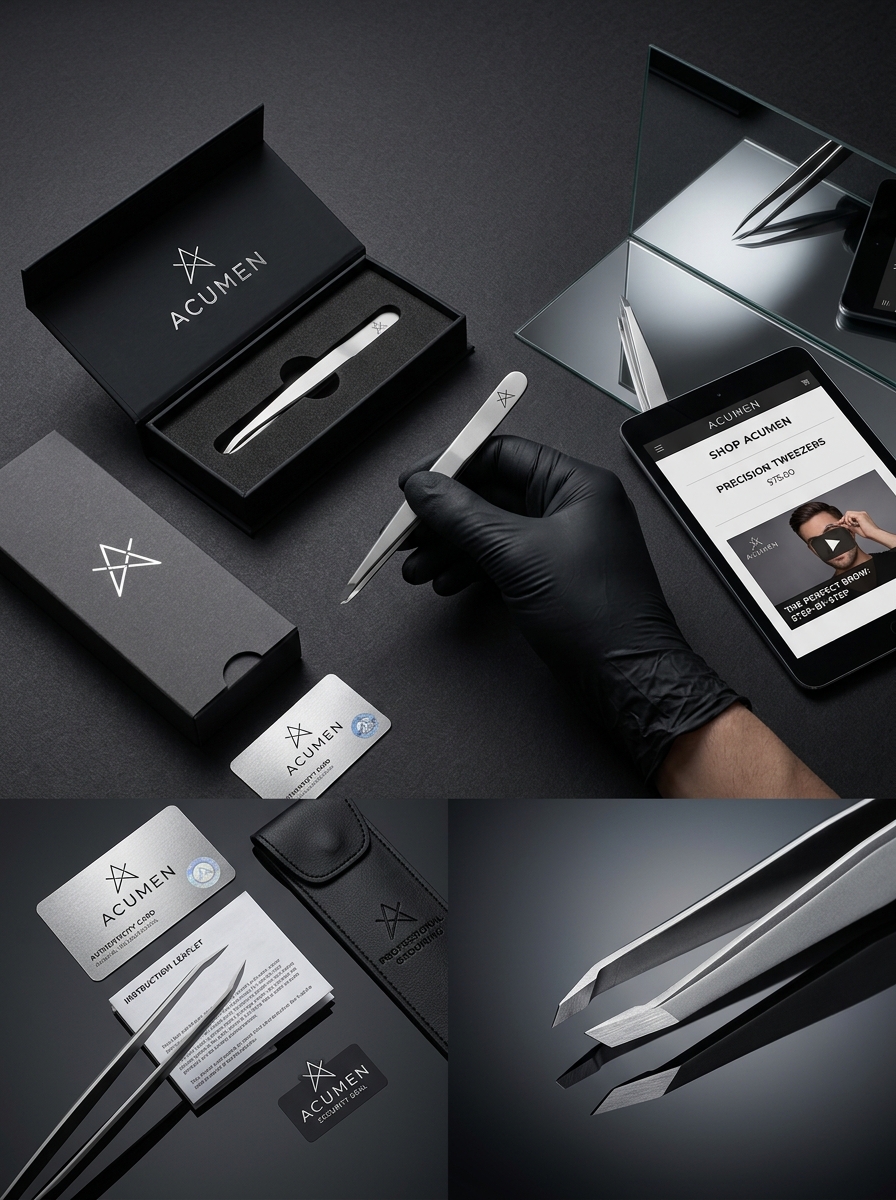
Tweezer packaging serves as the critical first touchpoint between a brand and its audience, bridging the gap between utilitarian precision and high-end beauty aesthetics. To truly elevate design beyond simple containment, manufacturers must integrate structural integrity with sophisticated visual narratives that resonate with professional technicians and retail consumers alike.
This exploration delves into the conceptual frameworks that transform standard retail boxes into iconic brand assets. By focusing on tactile finishes, ergonomic presentation, and sustainable materials, designers can create a cohesive identity that mirrors the accuracy of the tools within.
Aligning geometric precision with artistic expression allows brands to communicate premium quality before the tool is even held. Mastery of these aesthetic foundations ensures that every unboxing experience reflects the meticulous craftsmanship inherent in modern grooming and medical instruments.
The intersection of utility and luxury aesthetics
Modern tweezers represent a sophisticated evolution where high-performance utility meets refined luxury aesthetics. No longer mere bathroom staples, these tools have become precision instruments crafted from premium materials like surgical-grade stainless steel and aerospace titanium. The synergy between function and form is showcased through hand-filed tips that ensure microscopic accuracy, paired with ergonomic grips and opulent finishes such as 24k gold plating or matte PVD coatings.
For the discerning individual, luxury tweezers transcend basic grooming; they are a testament to superior craftsmanship. By integrating sleek, minimalist silhouettes with unrivaled durability, manufacturers bridge the gap between essential personal care and high-end lifestyle accessories. This intersection ensures that every use provides both technical excellence and a sensory experience of quality, elevating a mundane daily task into a ritual of precision and style.
Defining the visual language of precision tools
The visual language of tweezers is defined by the intersection of ergonomic engineering and mechanical accuracy. As essential instruments for micro-scale tasks, their form follows a strict functional mandate: providing effortless control over delicate components. Key aesthetic markers include tapered silhouettes, calibrated tension, and high-performance finishes such as satin-brushed stainless steel or anti-glare coatings.
High-quality tweezers utilize symmetry-driven design to communicate reliability. Whether the tips are needle-point, blunt, or angled, the visual profile must suggest structural integrity and perfect alignment. For professionals in electronics, medicine, or horology, visual cues like knurled handles or weighted balances signify the level of fine-motor precision achievable. Ultimately, the visual identity of these tools reinforces their role as a seamless extension of human dexterity, where every curve is optimized for visibility and grip.
Tactile materiality and premium finish selections
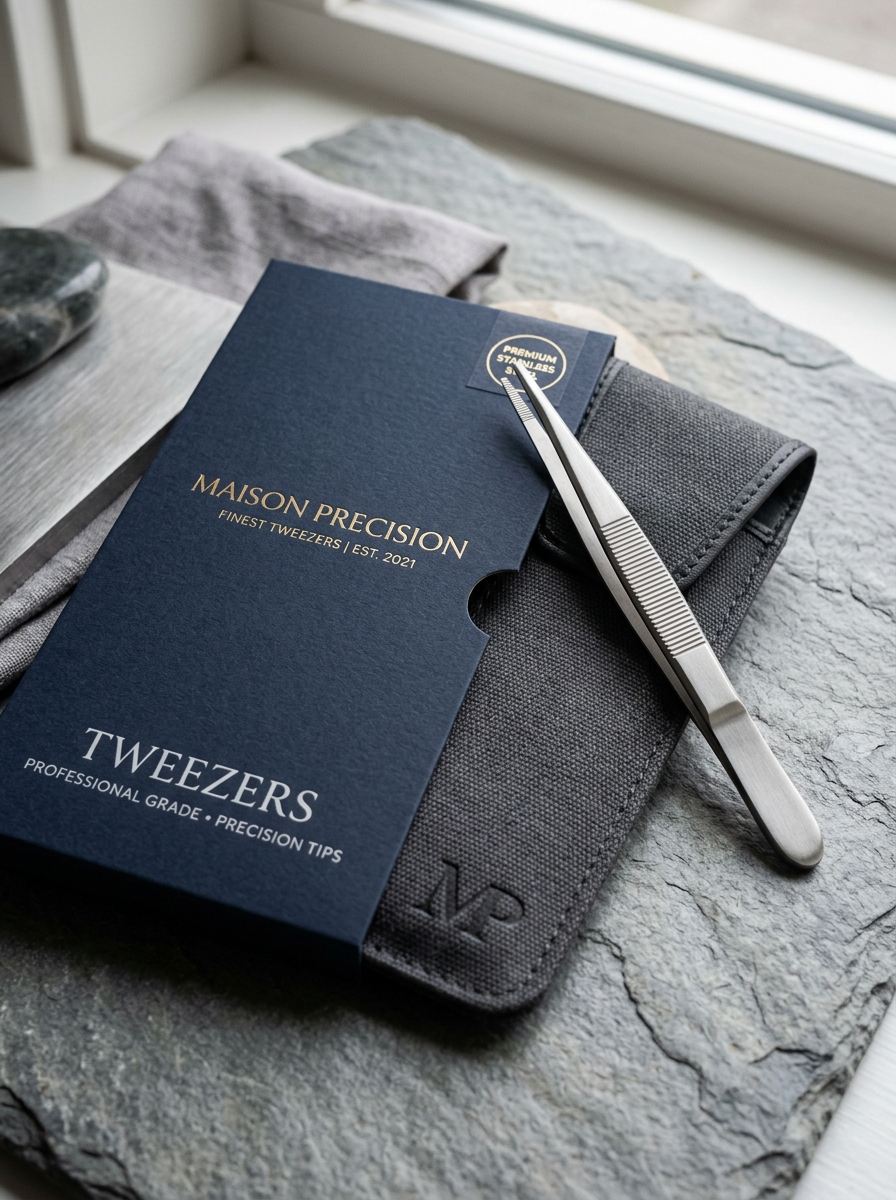
The performance of professional tweezers is fundamentally defined by their tactile materiality and surface engineering. High-quality instruments prioritize a balanced weight-to-tension ratio, typically utilizing medical-grade stainless steel or anti-magnetic titanium alloys. These materials ensure structural integrity and long-term durability under constant sterilization.
Our premium finish selections are designed to enhance grip and precision. Options include matte sandblasted surfaces for a non-glare finish, plasma coatings for increased scratch resistance, and ergonomic PVC-dipped handles for cushioned control. For specialized environments, electro-polished or gold-plated finishes provide superior corrosion resistance and hypoallergenic properties. These tactile enhancements ensure a secure, non-slip interface between the user and the tool, facilitating microscopic accuracy and reducing hand fatigue during prolonged technical or cosmetic procedures.
Minimalist Frameworks for High-End Market Appeal
In the luxury beauty and surgical sectors, minimalist frameworks are essential for capturing high-end market interest. By stripping away decorative excess, premium tweezers utilize streamlined silhouettes and monochromatic finishes to convey professional sophistication. This "less is more" design philosophy focuses on precision engineering, where every curve serves a distinct ergonomic purpose.
High-grade materials, such as medical-grade stainless steel or sandblasted titanium, are employed to achieve a sleek, matte aesthetic that resonates with discerning consumers. For brands targeting the premium segment, a minimalist framework acts as a silent hallmark of quality, highlighting superior calibration and hand-finished tips. This strategic approach aligns with modern luxury trends, where understated elegance and functional simplicity signify technological excellence and elite craftsmanship, transforming a basic tool into a high-performance investment.
Ergonomic Structural Design and Unboxing Flow
Modern tweezers prioritize ergonomic structural design to enhance precision while reducing repetitive strain. High-quality models feature calibrated tension and non-slip, contoured handles, ensuring a comfortable grip for intricate tasks such as micro-electronics assembly or laboratory research.
The unboxing flow is meticulously designed to safeguard the tool's delicate alignment. A premium experience includes:
- Protective silicone tip guards to prevent blunting or misalignment.
- Custom-fitted, anti-static foam inserts for secure transit.
- Minimalist, sustainable packaging that reflects professional quality.
By integrating a thoughtful user experience from the first touch, these tools offer a seamless transition from package to professional application. This ensures that the precision-ground tips remain perfectly synchronized for high-accuracy performance immediately upon arrival.
Color Psychology in Beauty and Grooming Segments
In the beauty industry, the color of professional tools like tweezers significantly influences consumer perception and user experience. Color psychology dictates how professionals and enthusiasts relate to their equipment through visual cues:
- Classic Metallics & Black: Chrome, gold, and matte black finishes convey precision, luxury, and professional-grade reliability.
- Soft Pastels: Pinks and lavenders evoke a sense of gentleness and self-care, making them popular for delicate eyebrow shaping.
- Vibrant Neons: Bright hues signify modern trends and ensure high visibility within a crowded professional kit.
Strategic color selection goes beyond aesthetics; it builds brand identity and can even enhance functionality. For instance, matte-coated tweezers offer a non-slip grip, merging psychological appeal with tactile performance. Understanding these nuances allows brands to align their grooming tools with the emotional and practical expectations of the market.
Typographic Hierarchy and Brand Authority
In the precision tool industry, typographic hierarchy serves as a visual shorthand for quality. By utilizing distinct font weights, sizes, and spacing, a brand guides the user's eye from the primary product name-such as Professional Slant Tweezers-to critical technical specifications like material grade and tip alignment.
Establishing a clear vertical rhythm and using structured subheadings builds brand authority by reflecting the same precision engineered into the tools themselves. When information regarding tension calibration or stainless steel durability is presented through a disciplined typographic scale, it fosters consumer trust. High-contrast headings and legible body text ensure that specialized features are easily digestible, positioning the brand as an expert leader in grooming and medical-grade instruments. Professional typography ultimately transforms technical data into a compelling narrative of reliability and craftsmanship.
Sustainable materials for the eco-conscious consumer
As environmental awareness grows, many beauty enthusiasts are switching to eco-friendly tweezers crafted from sustainable materials. The most durable and sustainable choice is medical-grade stainless steel. Not only is it highly resistant to rust and corrosion, but it is also 100% recyclable, reducing long-term waste in landfills.
Beyond metal, innovative brands now incorporate biodegradable components, such as bamboo handles or FSC-certified wood, to minimize the use of virgin plastics. Choosing tweezers with plastic-free packaging further enhances your zero-waste grooming routine. By investing in high-quality, ethically sourced tools, you ensure precision performance while supporting a circular economy. Opting for long-lasting materials is a simple yet effective way to lower your carbon footprint without compromising on your personal care standards.
Protective Interior Architecture for Delicate Tips
Precision tweezers require more than just sharp points; they necessitate a protective interior architecture to maintain long-term accuracy. This specialized engineering involves internal guide pins or interlocking grooves that prevent lateral shifting when pressure is applied. By stabilizing the alignment, this architecture ensures that the delicate tips meet perfectly every time, preventing the "scissoring" effect that can damage fine components.
Furthermore, many high-end tweezers feature a recessed interior design or reinforced shanks. This structural reinforcement absorbs excess finger force, protecting ultra-fine tips from mechanical deformation or blunting. Whether used in micro-electronics or medical applications, this internal geometry preserves the tool's calibrated tension and gripping surface, extending the lifespan of the instrument while safeguarding fragile workpieces from accidental crushing or misalignment.
Future Trends in Digital and Interactive Packaging Design
The packaging for precision instruments like tweezers is undergoing a digital transformation. Future trends focus on enhancing user experience through Augmented Reality (AR), where customers can scan boxes to view 3D grooming tutorials or tool maintenance demonstrations. QR codes are becoming essential, linking users to digital manuals and precision-plucking guides, reducing the need for paper inserts.
Furthermore, NFC (Near Field Communication) technology is being integrated into premium tweezer packaging to verify product authenticity and provide brand protection against counterfeits. Smart packaging also tracks sustainability metrics, allowing eco-conscious consumers to trace the lifecycle of the stainless steel used. These interactive elements turn traditional tweezer containers into smart hubs, bridging the gap between physical retail and digital brand engagement.
Leave a comment