
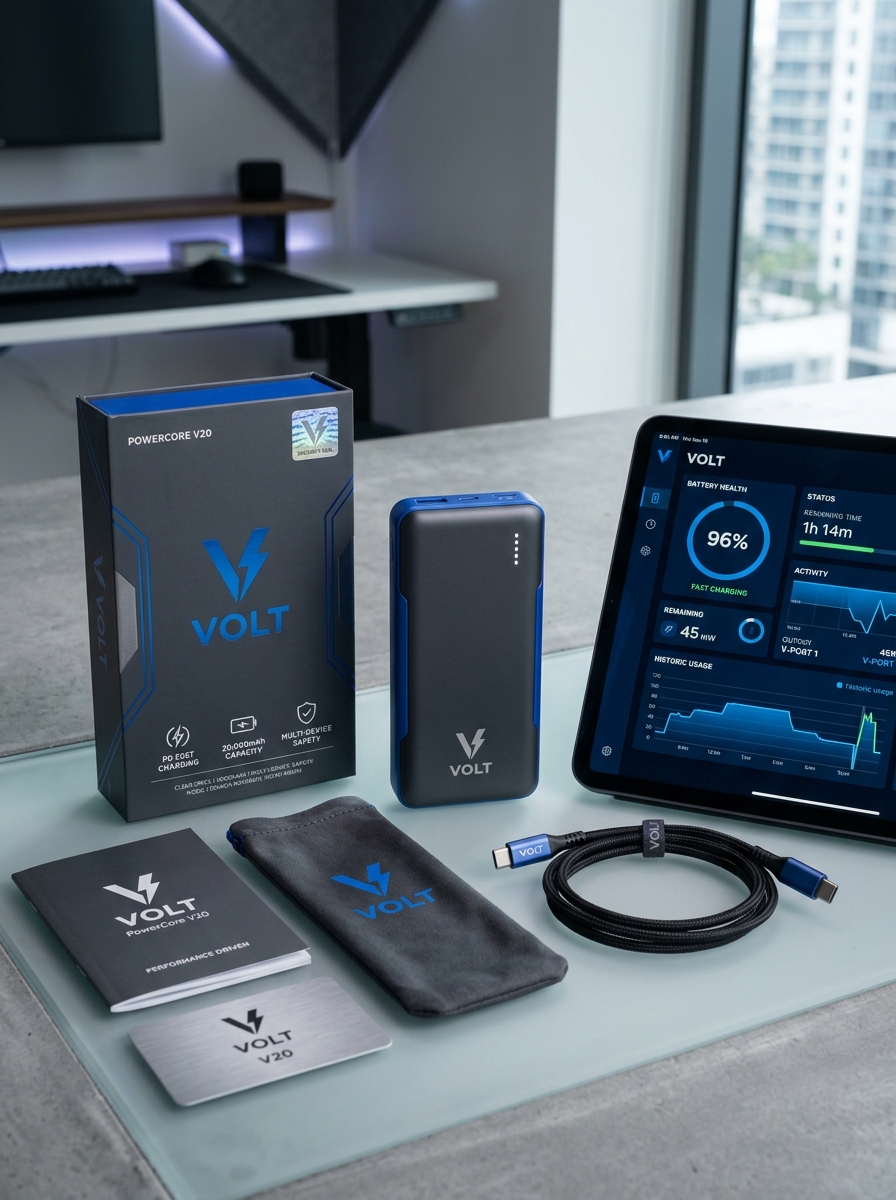
Modern portable power banks have transitioned from niche gadgets to essential daily carry items, demanding packaging that reflects their technological sophistication. As consumer electronics brands strive for market differentiation, the focus has shifted toward innovative design concepts that prioritize both structural integrity and visual storytelling.
This evolution involves integrating sustainable materials with premium finishes to create an immersive unboxing experience. By harmonizing ergonomic shapes with bold graphic aesthetics, manufacturers can significantly elevate the perceived value of their products while reinforcing brand identity. Exploring these creative frontiers reveals how thoughtful packaging design serves as a critical touchpoint, bridging the gap between hardware performance and aesthetic desire in the modern mobile accessory landscape.
The Role of Strategic Packaging in the Portable Power Market
In the competitive portable power bank industry, strategic packaging serves as a vital touchpoint for brand differentiation and consumer safety. Beyond aesthetics, robust packaging protects sensitive lithium-ion batteries from environmental damage and impact during logistics and retail handling.
Effective retail design leverages clear information hierarchies to communicate essential technical specifications, such as battery capacity (mAh), port configurations, and safety certifications. By utilizing premium materials and intuitive layouts, manufacturers can convey reliability and build immediate trust with tech-savvy consumers.
Furthermore, as sustainability becomes a priority, eco-friendly packaging helps brands align with modern consumer values. Ultimately, strategic packaging for portable chargers is a multi-functional tool that ensures regulatory compliance while significantly enhancing the overall unboxing experience and brand perceived value.
Defining Modern Aesthetics for High Performance Devices
Modern portable power banks have evolved from bulky utility items into sophisticated tech accessories. High-performance devices now demand a design language that mirrors their internal power. Defining modern aesthetics involves integrating minimalist silhouettes with premium materials like anodized aluminum or carbon fiber, which provide a professional look while ensuring durability and efficient heat dissipation.
Beyond surface-level appeal, the synergy of form and function is critical. Key semantic features include:
- Compact Form Factors: Utilizing high-density battery cells for ultra-slim profiles.
- Visual Interfaces: Integrated OLED displays or LED indicators for real-time status updates.
- Ergonomic Engineering: Refined textures and rounded edges for enhanced portability and grip.
This design evolution ensures that external power solutions seamlessly complement the premium smartphones and laptops they support, offering a cohesive and high-end user experience.
Sustainable Material Choices for Eco-Conscious Tech Brands
Leading tech brands are revolutionizing portable power bank manufacturing by prioritizing eco-friendly materials. Utilizing Post-Consumer Recycled (PCR) plastics for external housings significantly decreases the carbon footprint compared to traditional virgin polymers. Additionally, anodized aluminum offers a premium, high-durability finish that remains infinitely recyclable.
Eco-conscious manufacturers are also integrating FSC-certified bamboo and bio-based resins to reduce plastic reliance. Beyond aesthetics, the focus extends to internal components, where ethical mineral sourcing and high-efficiency lithium-polymer cells ensure longer product lifespans. By adopting these sustainable materials, brands support a circular economy, meeting the rising demand for green technology while minimizing electronic waste. These innovations prove that portable energy solutions can be both powerful and environmentally responsible.
Maximizing Visual Impact with Minimalist Design Principles
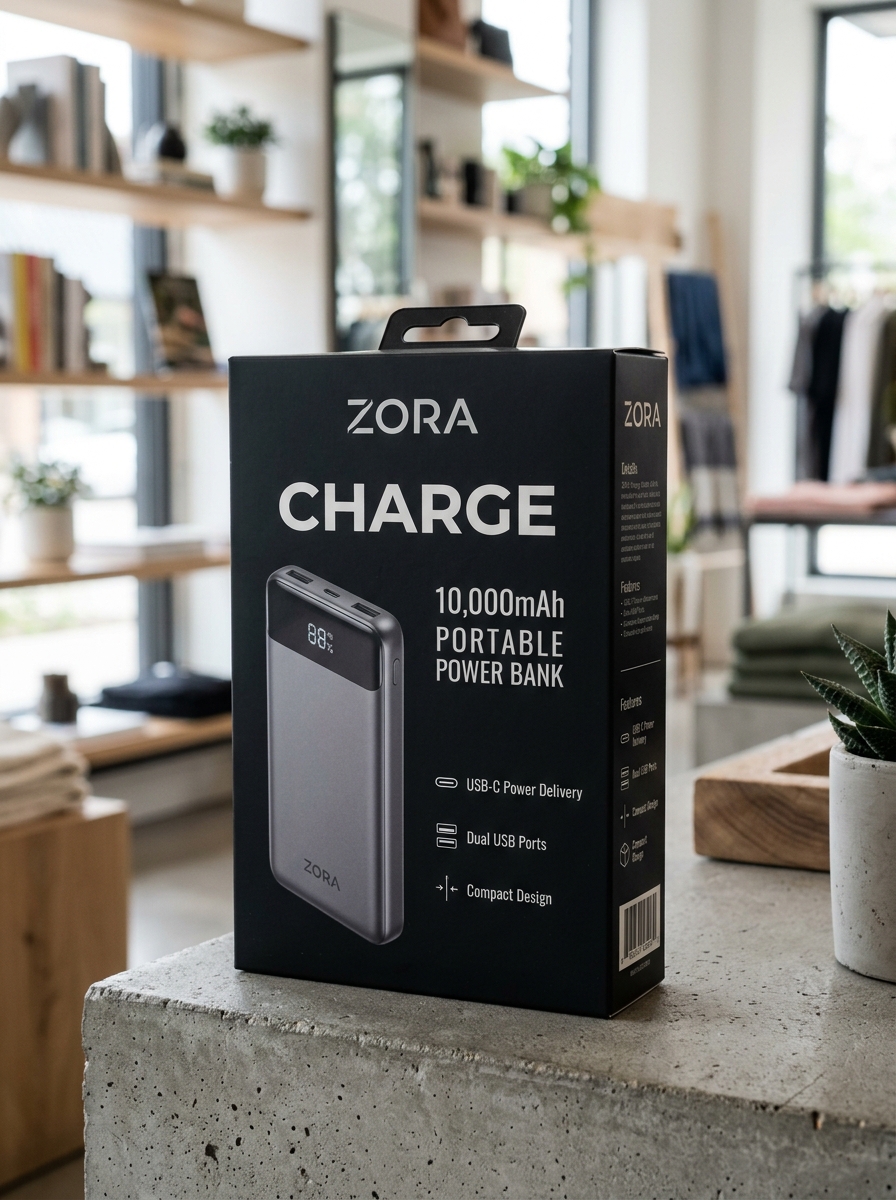
Modern portable power banks leverage minimalist design to bridge the gap between high-tech utility and sophisticated aesthetics. By adhering to the "less is more" philosophy, manufacturers focus on ergonomic form factors and premium materials, such as anodized aluminum or soft-touch matte finishes, which offer a tactile and luxury feel.
Key elements that drive visual impact include:
- Sleek Profiles: Slim, pocket-friendly dimensions that emphasize portability.
- Hidden Interfaces: Integrated LED power indicators that remain invisible until activated, maintaining a seamless surface.
- Monochromatic Palettes: Neutral color schemes that complement contemporary smartphones and professional gear.
By stripping away unnecessary ornamentation, minimalist power banks highlight precision engineering. This clean approach ensures that the device remains a timeless accessory, proving that functional hardware can achieve a powerful visual presence through simplicity and refined craftsmanship.
The Art of the Unboxing Experience for Mobile Accessories
The unboxing experience for mobile accessories, particularly a high-quality portable power bank, serves as the critical first touchpoint for consumer satisfaction. In a competitive electronics market, premium packaging transcends simple aesthetics; it communicates brand reliability and product excellence.
A strategically designed unboxing journey includes:
- Intuitive Layouts: Organized compartments for the power bank, cables, and adapters.
- Protective Materials: Using sustainable, high-grade inserts to ensure device safety.
- Tactile Appeal: Premium finishes that reflect the durability of the internal battery.
For a portable charger, the initial physical interaction influences the perceived value of its capacity and technology. By prioritizing sensory details and ease of access, manufacturers foster brand loyalty and encourage positive social sharing, ensuring a seamless transition from opening the box to powering a mobile device.
Integrating Technical Specifications into Visual Storytelling
Effective marketing for a portable power bank transcends basic data by embedding technical specifications directly into visual narratives. Instead of static lists, brands use lifestyle imagery to contextualize high-performance metrics. For example, illustrating a 20,000mAh device powering a laptop via USB-C Power Delivery (PD) visually communicates both capacity and wattage efficiency in real-world applications.
Visual storytelling leverages 3D renders of lithium-polymer cells or GaN technology to signify compact energy density and superior heat management. By highlighting multi-port functionality through scenarios-such as charging a smartphone and earbuds simultaneously-manufacturers demonstrate versatility. This semantic approach ensures that complex specs like Fast Charge protocols and pass-through charging are intuitive, helping consumers understand how engineering excellence translates into reliable, on-the-go power solutions.
Functional Structural Design for Product Protection and Portability
The structural design of a portable power bank is engineered to balance rugged durability with a compact footprint. To ensure maximum portability, manufacturers utilize high-density lithium-polymer cells, allowing for a slimmer, lightweight profile that fits easily into pockets or travel gear.
For product protection, the internal components are housed within shock-resistant shells, typically made from fire-retardant ABS or polycarbonate plastics. Key design features include:
- Reinforced Frames: Internal cradles prevent battery shifting and absorb impact from accidental drops.
- Heat Dissipation: Strategic venting and thermally conductive materials prevent overheating during rapid charging cycles.
- Ergonomic Contours: Rounded edges reduce mechanical stress on the casing and improve grip comfort.
This intentional marriage of form and function ensures the power bank survives the rigors of daily use while remaining an unobtrusive essential for mobile power needs.
Leveraging Premium Finishes to Enhance Brand Perceived Value
In the competitive portable power bank market, technical specifications like mAh capacity and wattage often reach parity. To differentiate, manufacturers utilize premium finishes to shift consumer perception from a generic commodity to a high-end lifestyle accessory.
Materials such as anodized aluminum, carbon fiber, and high-grade matte textures provide a superior tactile experience that signals durability. These sophisticated surface treatments do more than enhance aesthetics; they create a psychological link between physical weight, texture, and internal component reliability.
By prioritizing sleek, fingerprint-resistant coatings and precision industrial design, brands can justify premium pricing and foster consumer trust. Ultimately, leveraging high-quality finishes ensures the device remains visually striking during long-term use, reinforcing a brand's reputation for excellence in the mobile charging sector.
Optimizing Shelf Presence through Smart Graphic Hierarchy
In the competitive portable power bank market, graphic hierarchy is essential for capturing consumer attention instantly. By strategically arranging visual elements, manufacturers can guide the eye toward critical selling points such as battery capacity (mAh), fast-charging protocols, and device compatibility.
Effective packaging design prioritizes information based on user intent. Typically, the total power output and portability are emphasized through bold typography and high-contrast colors, while technical specifications and safety certifications occupy secondary visual layers.
This logical flow reduces cognitive load, allowing shoppers to differentiate between high-performance units and budget-friendly options at a glance. Ultimately, a well-defined visual structure enhances shelf presence, reinforces brand authority, and accelerates the decision-making process in high-traffic retail environments.
Future Directions in Smart and Interactive Packaging Solutions
The evolution of portable power bank packaging is shifting toward intelligent, data-driven ecosystems. Future designs prioritize user engagement and product security through integrated technology.
- NFC and QR Connectivity: Smart labels provide instant access to digital manuals, real-time battery health tutorials, and seamless warranty registration.
- Augmented Reality (AR): Interactive packaging allows consumers to visualize charging speeds and device compatibility via smartphone interfaces before unboxing.
- Anti-Counterfeiting Measures: Blockchain-enabled tags ensure product authenticity, protecting users from substandard lithium-ion cells.
- Environmental Transparency: Digital "passports" embedded in the packaging track the lifecycle of the power bank, offering specific recycling instructions to promote sustainability.
By merging physical protection with digital interactivity, future packaging solutions transform the unboxing experience into a functional extension of the power bank itself.
Leave a comment