
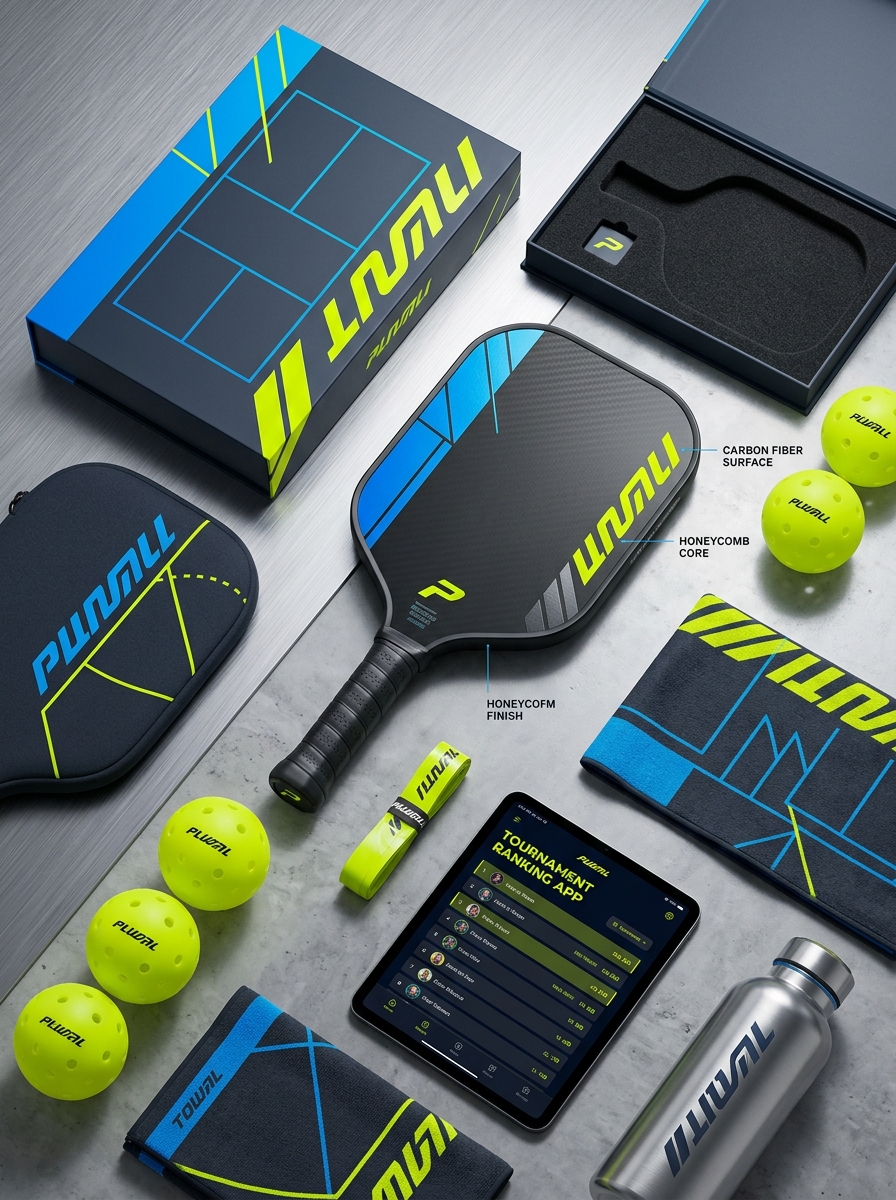
As pickleball continues its rapid ascent as a global sporting phenomenon, the market for premium equipment has become increasingly crowded. To differentiate a brand, manufacturers must prioritize innovative pickleball paddle packaging design that balances high-end visual appeal with structural integrity. Effective packaging serves as more than just a protective shell; it acts as a vital touchpoint for brand storytelling and immediate consumer engagement.
From selecting sustainable materials to mastering minimalist aesthetics, developing a cohesive design concept is essential for driving retail success and enhancing the unboxing experience. This guide explores the core principles of concept development and the strategic steps required to transform a standard container into a premium marketing tool. By focusing on ergonomic layouts and striking graphic elements, brands can effectively capture attention and build lasting loyalty among players of all skill levels.
Defining Brand Identity in the Modern Pickleball Market
In the rapidly expanding pickleball paddle industry, establishing a distinct brand identity is essential for market differentiation. As the sport transitions from recreational play to professional competition, successful manufacturers must balance technical innovation with lifestyle branding to capture consumer loyalty.
Modern brands define themselves through three key pillars:
- Engineering Excellence: Showcasing proprietary technologies like T700 carbon fiber surfaces and advanced honeycomb cores.
- Player Alignment: Tailoring product lines to specific playstyles, such as power, control, or hybrid performance.
- Visual Authority: Utilizing contemporary aesthetics that resonate with a diverse, multi-generational demographic.
By securing USA Pickleball (USAPA) certification and fostering community engagement, brands build the necessary trust to stand out in a crowded, competitive marketplace.
Analyzing Player Demographics for Targeted Visual Appeal
To capture market share in the competitive pickleball paddle industry, manufacturers must align aesthetic choices with specific player demographics. Understanding who is on the court allows for data-driven design strategies that resonate with diverse audiences.
- Active Seniors: Often the sport's foundation, this group gravitates toward classic, sophisticated palettes and high-contrast designs that emphasize visibility and premium craftsmanship.
- Youth and Millennials: As the fastest-growing segment, these players prefer bold, vibrant colors, "street-art" graphics, and trendy patterns that reflect personal identity and lifestyle.
- Competitive Pros: Advanced players prioritize sleek, technical aesthetics that highlight the paddle's performance features, such as carbon fiber textures and aerodynamic shapes.
By tailoring visual elements to these distinct segments, brands can enhance emotional engagement and ensure their gear stands out both on the shelf and the court.
Selecting High Impact Color Palettes and Finishes
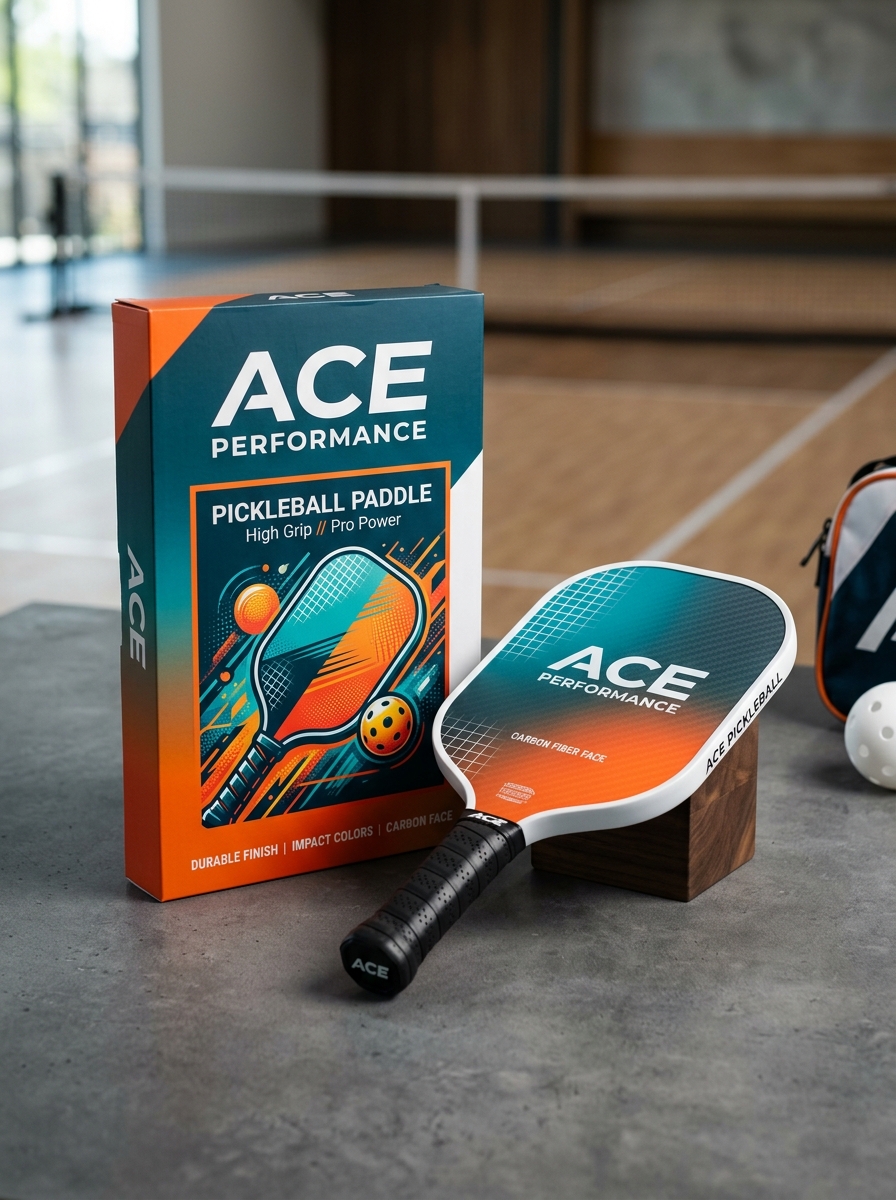
Choosing the right color palette for a pickleball paddle is essential for both brand identity and on-court performance. High-contrast schemes, such as vibrant neons paired with deep charcoals, improve ball tracking and visual focus during high-speed play. Bold colors allow players to express personal style, while monochromatic palettes provide a sophisticated, professional aesthetic.
Beyond color, surface finishes significantly impact gameplay. Matte finishes are highly sought after for outdoor play because they minimize sun glare, protecting the player's vision. Glossy finishes offer a premium, sleek appearance but may reflect light. Furthermore, incorporating specialized textures, such as grit-infused finishes, enhances friction for superior spin control. Selecting the ideal combination of palette and finish ensures the paddle is both visually striking and functionally superior under various lighting conditions.
Engineering Structural Designs for Maximum Product Protection
Modern pickleball paddle engineering focuses on structural integrity to ensure long-term durability and consistent performance. To achieve maximum product protection, manufacturers utilize advanced composite materials, such as polypropylene honeycomb cores and high-modulus carbon fiber faces. These structural designs are engineered to absorb high-velocity impacts while distributing kinetic energy evenly across the paddle surface.
Key protective features include:
- Reinforced Edge Guards: Protects the perimeter from ground scrapes and prevents delamination.
- Thermoformed Construction: Enhances the bond between layers for superior rigidity and impact resistance.
- Foam-Injected Perimeters: Increases stability and dampens vibrations to prevent structural fatigue.
By prioritizing these engineering innovations, pickleball paddles can withstand the rigors of competitive play, safeguarding the core and surface from premature wear and structural failure.
Curating a Premium Unboxing Experience for Enthusiasts
A premium unboxing experience for a high-performance pickleball paddle is a vital touchpoint that builds immediate brand loyalty. For the dedicated enthusiast, the journey begins with sophisticated packaging that mirrors the professional quality of the gear inside. Utilizing tactile finishes, magnetic enclosures, and sustainable materials signals elite craftsmanship.
Inside, precision-cut foam inserts should secure the paddle, protecting its carbon fiber surface and edge guard. Including value-added accessories like a premium neoprene headcover, branded overgrips, or a microfiber cleaning cloth enhances the perceived value.
By integrating scannable QR codes for warranty registration and professional maintenance tips, brands bridge the gap between physical product and digital community. This curated sensory experience transforms a simple purchase into an immersive event, validating the enthusiast's investment in their sport.
Balancing Minimalist Aesthetics with Performance Focused Graphics
Modern pickleball paddle design prioritizes a sophisticated fusion of visual simplicity and functional technology. Achieving a balance between minimalist aesthetics and performance-driven graphics ensures a paddle remains visually clean while maximizing competitive utility on the court.
Minimalism leverages matte finishes and muted color palettes to reduce visual distractions for the player. However, "graphics" in high-end paddles are often functional; raw carbon fiber weaves and textured grit surfaces are strategically applied to enhance friction, ball dwell time, and spin potential.
Strategic design elements include:
- Sweet Spot Alignment: Subtle geometric markers that aid in shot centering.
- Aerodynamic Accents: Sleek graphics that highlight specialized edge guard construction.
- High-Contrast Borders: Minimalist lines that improve peripheral awareness of the paddle face.
This intentional design approach provides athletes with a professional-grade tool that delivers both "quiet luxury" style and elite technical performance.
Choosing Sustainable Materials for Eco Conscious Packaging
As the sport grows, selecting eco-friendly packaging for pickleball paddles is essential for reducing environmental impact. Manufacturers are shifting away from single-use plastics, opting instead for biodegradable and recycled materials. Corrugated cardboard boxes made from post-consumer waste offer excellent protection during shipping while remaining fully recyclable.
Furthermore, incorporating molded pulp inserts instead of plastic foam ensures the paddle stays secure without contributing to landfill waste. Using soy-based inks for branding and water-activated tape further enhances the sustainability of the unboxing experience. By choosing responsibly sourced materials, brands appeal to the eco-conscious pickleball community, ensuring that the love for the game translates into environmental stewardship. Sustainable packaging reflects the quality of the paddle inside, providing a premium feel that aligns with modern conservation standards.
Optimizing Information Hierarchy for Technical Specifications
Effective technical documentation for pickleball paddles requires a logical structure that prioritizes performance-critical data. A semantic hierarchy ensures both search engines and players can quickly evaluate equipment compatibility.
- Primary Metrics: Define core material (e.g., Polypropylene Honeycomb) and surface texture (e.g., T700 Carbon Fiber) first, as these dictate the fundamental balance of power and control.
- Physical Dimensions: Group average weight, grip circumference, and handle length to address player ergonomics and maneuverability.
- Advanced Performance Data: Conclude with specialized metrics like swing weight and twist weight to provide insights into stability and reset capabilities.
Organizing specifications from broad construction attributes to granular performance ratings improves user experience and enhances SEO relevance for high-intent search queries.
Using Typography to Communicate Power and Precision
In high-performance pickleball paddle design, typography serves as a visual shorthand for technical capabilities. Manufacturers use specific font weights and styles to psychologically align a paddle's aesthetic with a player's on-court needs. Bold, heavy-set sans-serif typefaces are frequently employed to project "Power," suggesting a dense core, high-velocity output, and physical stability.
Conversely, lean, sharp, and widely spaced characters communicate "Precision." These minimalist typographic choices evoke a sense of surgical accuracy, aerodynamic finesse, and superior touch. By integrating these styles into the paddle's face graphics, designers create a visual narrative that mirrors the engineering under the hood. This strategic use of typography ensures that players can instinctively identify gear that matches their playstyle, whether they rely on aggressive overhead slams or delicate dinks at the kitchen.
Finalizing Concepts for Scalable Brand Growth and Recognition
To achieve long-term success in the competitive pickleball paddle industry, brands must harmonize high-performance engineering with a distinct visual identity. Finalizing these concepts ensures that every paddle-whether designed for power, control, or spin-remains consistent with the core brand values.
Key strategies for scalable growth include:
- Technological Standardization: Utilizing premium materials like T700 carbon fiber and honeycomb cores across all product tiers.
- Visual Branding: Implementing unique colorways and ergonomic grip signatures that enhance on-court recognition.
- USAPA Certification: Ensuring all designs meet official standards to establish professional credibility.
By focusing on proprietary grit textures and aerodynamic head shapes, a brand can build a recognizable silhouette that resonates with both recreational players and pro-circuit athletes, driving global scalability.
Leave a comment