
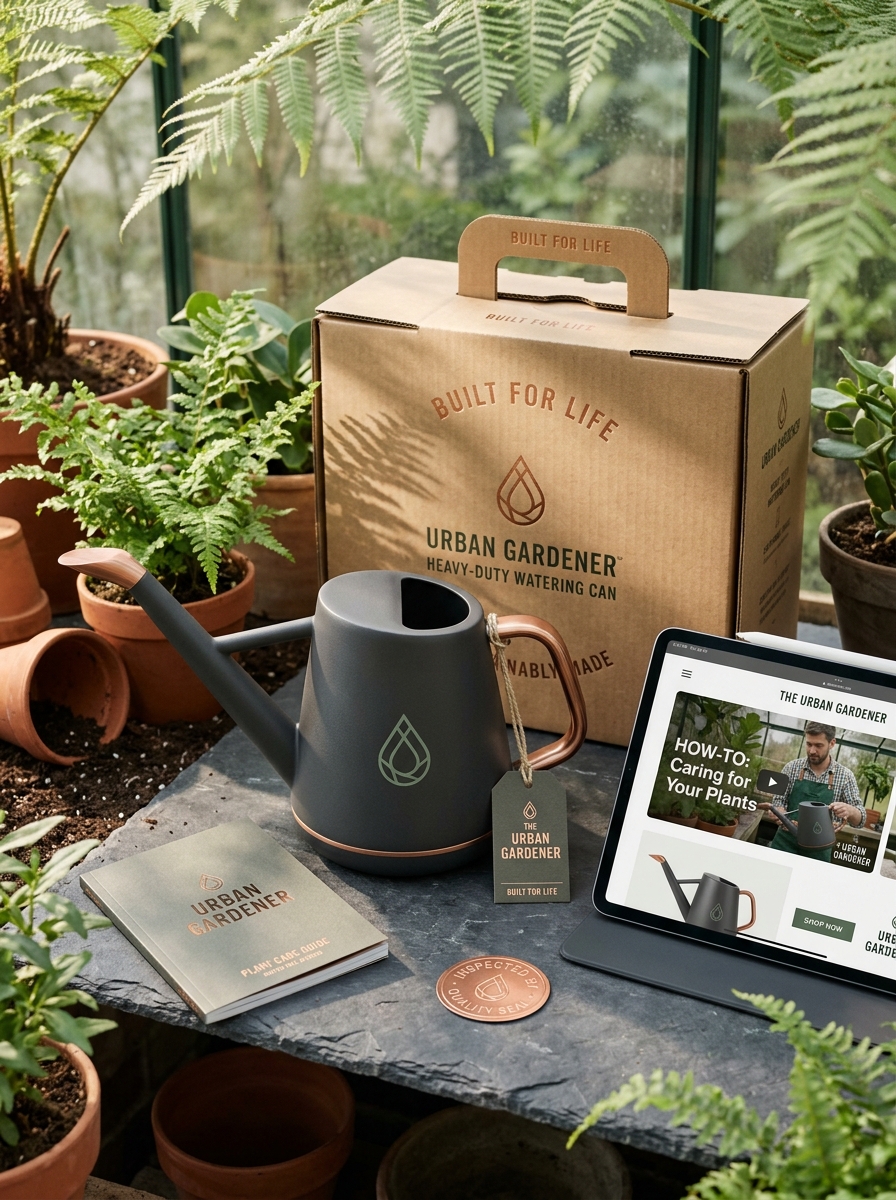
Effective packaging for gardening tools transcends mere protection, serving as a vital bridge between functional utility and consumer desire. For brands aiming to distinguish their watering cans, mastering the balance of ergonomic design concepts and compelling visual aesthetics is paramount. This exploration delves into how thoughtful material selection and sophisticated graphic elements can transform a standard garden accessory into a premium lifestyle product.
By prioritizing sustainable packaging solutions and cohesive branding, manufacturers can resonate more deeply with modern, eco-conscious hobbyists. We examine the critical design pillars that elevate shelf presence, ensuring that every watering can makes an immediate emotional connection with the gardener before it even reaches the soil. Through strategic structural engineering and vibrant storytelling, packaging becomes a powerful tool for brand loyalty and market differentiation.
The Evolution of Garden Tool Packaging Strategy
The packaging strategy for watering cans has shifted from basic industrial containment to sophisticated, retail-ready branding. Historically, these tools were shipped in bulk with minimal protection. Modern strategies now prioritize sustainability and consumer experience.
- Eco-Conscious Materials: Brands are replacing single-use plastics with recyclable, biodegradable corrugated cardboard to align with the values of environmentally aware gardeners.
- E-commerce Durability: With the rise of online shopping, packaging is engineered to protect extended spouts and delicate rose attachments without excessive bulk.
- Informative Design: Current packaging serves as a silent salesperson, using high-fidelity graphics to highlight ergonomic grips and flow precision.
This evolution reflects a broader market trend where the packaging is as meticulously designed as the watering can itself, balancing aesthetic appeal with a reduced environmental footprint.
Analyzing Consumer Psychology in Watering Can Design
Understanding consumer psychology in watering can design involves balancing functional utility with emotional appeal. For many gardeners, a watering can is more than a tool; it is an extension of their personal lifestyle. Key design elements, such as ergonomic handles and balanced weight distribution, address the consumer's subconscious need for comfort and physical ease during use.
Aesthetic choices also drive purchasing behavior. Sleek, stainless steel models appeal to modern minimalists, while vibrant colors or classic galvanized steel evoke nostalgia and a "back-to-nature" sentiment. Furthermore, the perceived durability of materials influences the sense of value. By aligning spout precision with visual harmony, manufacturers transform a mundane gardening chore into a rewarding sensory experience, satisfying the user's desire for both control and beauty.
Structural Integrity and Protective Engineering for Spouts
In watering can architecture, the spout serves as the primary lever, requiring advanced structural integrity to withstand the weight of full liquid loads. Protective engineering focuses on the critical junction where the spout meets the reservoir. This area is often fortified with reinforced weld points, flared collars, or internal gaskets to prevent stress fractures and leaks.
To ensure long-term durability, high-quality spouts utilize tapered geometry and support braces that distribute mechanical pressure evenly. Whether using powder-coated galvanized steel or high-density UV-stabilized polymers, these components are designed to resist impact damage and bending. By integrating precision-engineered attachments, manufacturers guarantee that the spout maintains its alignment and flow consistency, protecting the tool from the degradative effects of frequent horticultural use and environmental exposure.
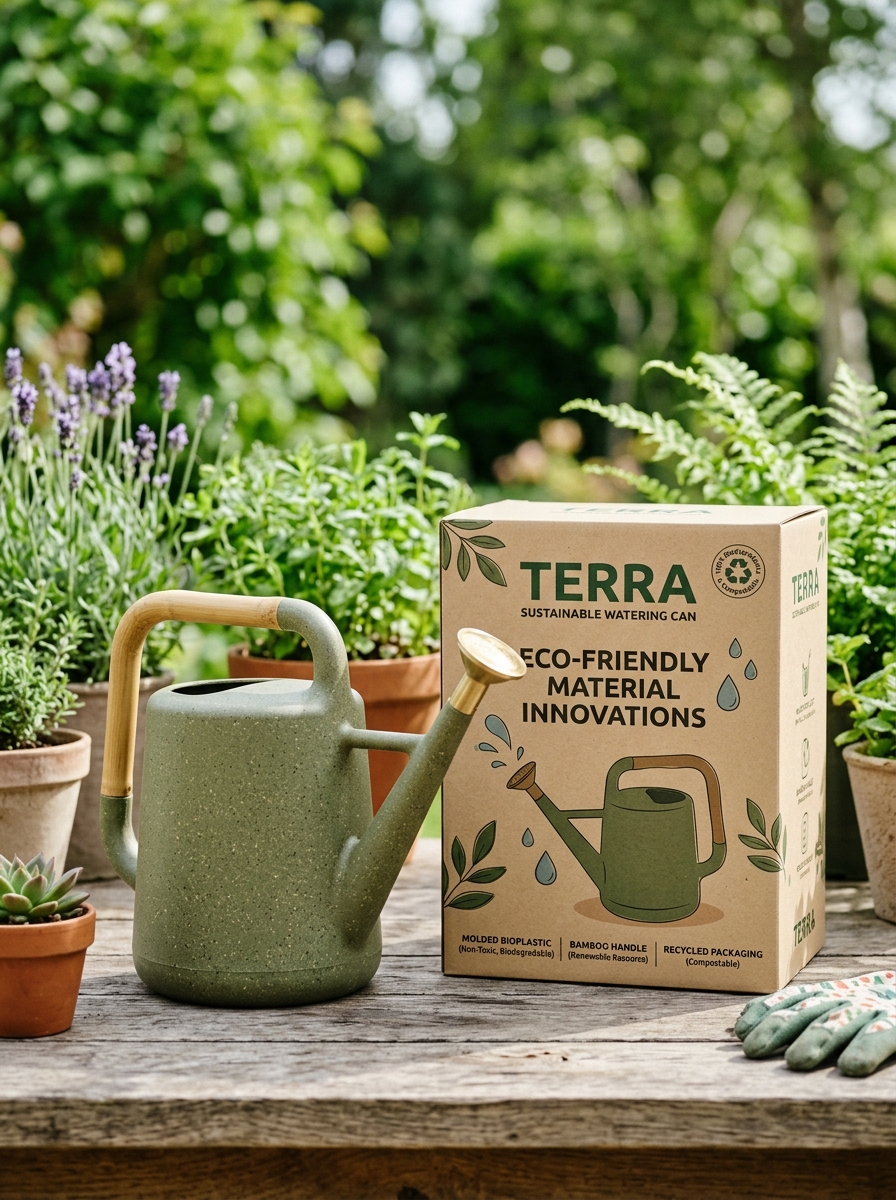
Eco Friendly Material Innovations for Sustainable Branding
Modern watering can manufacturing is evolving through innovative, eco-friendly materials that align with sustainable branding goals. Companies are increasingly moving away from virgin plastics, opting instead for recycled post-consumer resins and biodegradable bamboo fibers. These materials significantly reduce the carbon footprint of garden tools while maintaining durability and functionality.
Beyond plant-based composites, galvanized steel remains a premium choice for eco-conscious brands due to its longevity and 100% recyclability. By utilizing bio-based plastics derived from renewable resources like cornstarch or sugarcane, manufacturers can offer lightweight, stylish watering cans that appeal to the environmentally aware consumer. Transitioning to these sustainable materials not only protects the planet but also strengthens brand loyalty within the growing green gardening market.
Color Palettes and Botanical Visual Aesthetics
The visual appeal of a watering can transcends utility, serving as a decorative bridge between functionality and botanical interior design. Modern color palettes are curated to complement specific plant varieties; for instance, muted sage and deep forest greens provide a seamless blend with lush foliage, while terracotta and ochre tones evoke a rustic, Mediterranean atmosphere.
For minimalist spaces, matte black or polished stainless steel finishes offer a high-contrast, contemporary aesthetic. Conversely, vibrant primary colors or soft pastels can transform these tools into focal points within a garden or windowsill. By selecting a watering can that aligns with specific color theory principles, enthusiasts can enhance the overall visual harmony of their indoor and outdoor plant collections, turning a simple maintenance tool into a sophisticated piece of home decor.
Typography and Information Hierarchy for Product Clarity
Effective typography and a structured information hierarchy are essential for communicating the specific utility of a watering can. By utilizing distinct font weights and sizes, manufacturers can guide the consumer's eye toward critical product data.
- Primary Information: Large, bold headings should identify the product name and primary use, such as "Indoor Precision" or "Heavy-Duty Garden Can."
- Technical Specifications: Medium-weight fonts clarify essential metrics like capacity (liters/gallons) and material durability (HDPE plastic vs. galvanized steel).
- Secondary Features: Smaller, clean sans-serif typefaces are ideal for detailing nozzle types, ergonomic handle designs, and flow rates.
This logical arrangement ensures that gardeners can quickly assess compatibility with their needs, reducing cognitive load and improving the overall user experience during the selection process.
Optimizing Shelf Presence and Retail Stackability
In competitive retail environments, watering cans must balance visual appeal with logistical efficiency. Shelf presence is enhanced through ergonomic silhouettes and vibrant color palettes that differentiate the brand. Strategic placement of logos and functional labels ensures that key features, such as volume capacity and nozzle versatility, are immediately visible to consumers.
To maximize retail stackability, manufacturers prioritize space-saving engineering. Effective design strategies include:
- Nesting Capabilities: Tapered bodies allow units to fit inside one another, significantly reducing the shipping footprint.
- Modular Dimensions: Standardized heights and widths ensure compatibility with universal retail shelving.
- Integrated Handles: Low-profile or ergonomic handle configurations prevent protrusion, allowing for stable vertical stacking.
By combining striking aesthetics with structural modularity, brands reduce overhead costs and maximize inventory density while capturing customer interest at the point of sale.
The Art of the Premium Unboxing Experience
A premium watering can is more than a garden tool; it is a statement piece. The journey begins with a curated unboxing experience that reflects the quality of the craftsmanship within. High-end brands utilize sustainable packaging, such as reinforced recycled cardboard and biodegradable inserts, to protect the vessel's ergonomic handle and delicate long spout.
Key components of a luxury presentation include:
- Custom Fit: Precision-cut molds that prevent scratches on powder-coated or copper finishes.
- Branding: Minimalist aesthetics and tactile materials, like heavy-stock care guides and branded tissue paper.
- Educational Value: Included inserts offering tips on hydration techniques for indoor and outdoor plants.
By focusing on these sensory details, manufacturers transform a simple delivery into a sophisticated lifestyle event, building immediate brand trust and excitement for the gardening season ahead.
Showcasing Ergonomics Through Innovative Die Cut Windows
Modern watering can design prioritizes user comfort through ergonomic innovation, specifically through the integration of die cut windows. These strategic cutouts serve a dual purpose: they significantly reduce the tool's weight while providing immediate visual feedback on water levels.
By positioning these windows along the body or handle, manufacturers enhance the balance and grip of the watering can, ensuring a more natural wrist position. This structural refinement minimizes physical strain during prolonged gardening tasks. Furthermore, these precision-cut openings improve grip stability and airflow. Through this blend of aesthetic transparency and functional engineering, die cut windows transform a traditional garden implement into an advanced ergonomic tool, proving that high-performance gardening relies on both visibility and optimized weight distribution for a seamless user experience.
Future Trends in Interactive and Smart Garden Packaging
The evolution of gardening tools is moving toward a digital-first experience. Future packaging for the modern watering can is set to leverage Augmented Reality (AR), allowing consumers to visualize water flow patterns and ergonomic handling via their smartphones before unboxing.
Smart packaging innovations now include NFC-enabled labels and QR codes that provide instant access to personalized plant hydration schedules and interactive care tutorials. These advancements promote sustainability by replacing bulky paper manuals with dynamic digital content.
Looking ahead, "connected" packaging may integrate with IoT moisture sensors, offering real-time data synchronization. By blending physical utility with digital intelligence, smart packaging transforms a simple watering tool into a high-tech partner for precision gardening and efficient water management.
Leave a comment