
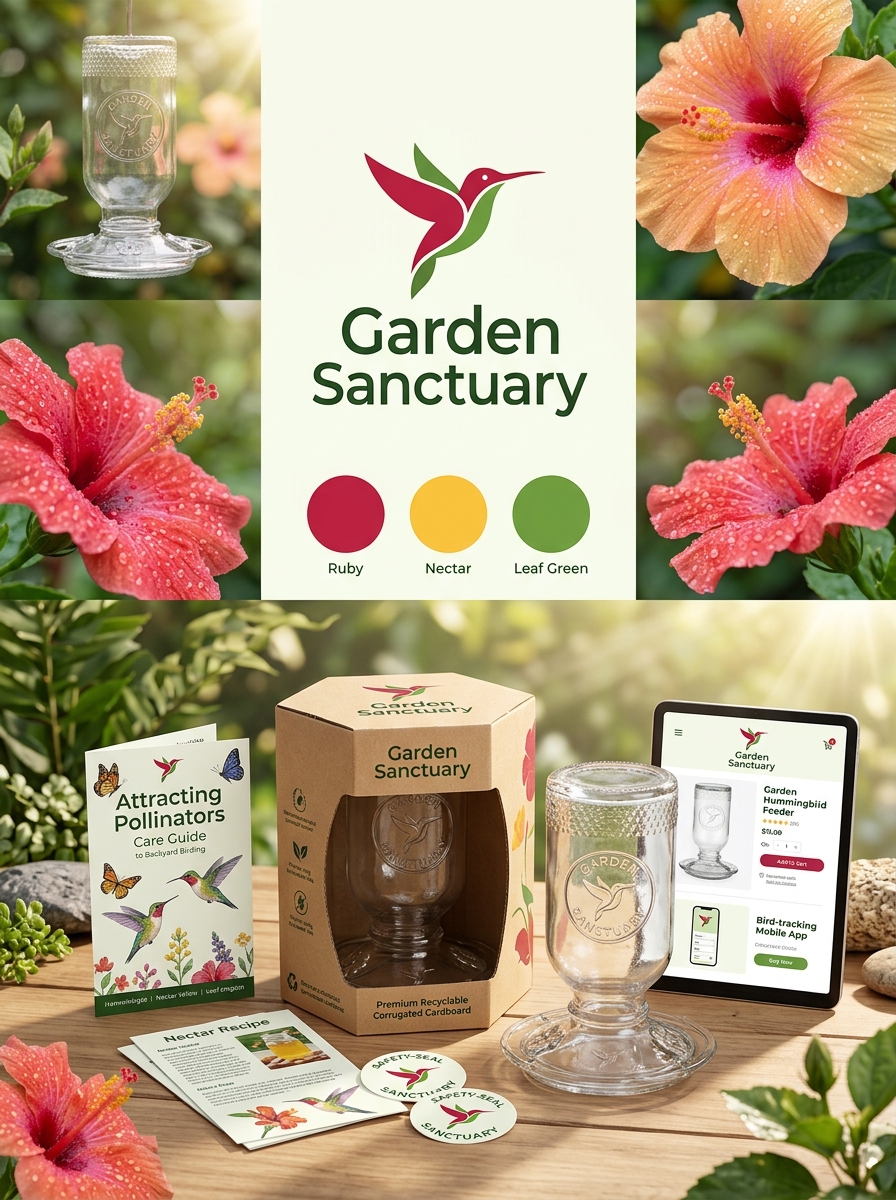
Capturing the ethereal beauty of hummingbirds requires packaging that bridges the gap between functional protection and high-end visual storytelling. For brands in the wild birding niche, hummingbird feeder packaging design is a critical touchpoint that communicates product quality and brand reliability long before the box is opened.
Effective visual aesthetics in this category leverage vibrant color palettes and strategic transparency to showcase intricate feeder details. By integrating structural durability with eco-friendly materials, manufacturers can resonate with environmentally conscious hobbyists. Mastering these essential principles ensures a product maintains its integrity while achieving superior shelf presence through a harmonious balance of form and function.
Strategic Branding for the Avian Product Market
Establishing a dominant presence in the hummingbird feeder niche requires strategic brand positioning that aligns with conservationist values and aesthetic functionality. To capture the avian product market, brands must emphasize durable, BPA-free materials and leak-proof designs that prioritize bird safety and user convenience.
Effective branding leverages high-visibility color palettes-specifically target-rich reds-to attract both migratory hummingbirds and prospective hobbyists. By integrating specialized features like built-in ant moats and bee guards, companies differentiate their nectar delivery systems as premium, high-performance solutions.
Success in this competitive vertical hinges on building trust through educational marketing. Highlighting how specific feeder designs support avian metabolic health fosters long-term consumer loyalty among passionate birding enthusiasts, positioning the product as an essential tool for backyard biodiversity and ecological stewardship.
Engineering Structural Protection for Delicate Glass and Components
Modern hummingbird feeders prioritize structural integrity to safeguard fragile components from environmental stressors and mechanical failure. Engineering robust protection for glass reservoirs involves utilizing high-density, tempered glass or impact-resistant materials that withstand thermal expansion and contraction. Manufacturers often incorporate protective metal frames or reinforced silicone wraps to cushion glass elements against accidental drops and high winds.
The feeder's base and ports are typically engineered with UV-stabilized polymers and rust-resistant alloys to prevent degradation from solar exposure and moisture. Precision-molded gaskets and vibration-dampening seals are strategically placed to reduce stress at connection points. These engineering advancements ensure that delicate parts remain functional and leak-proof, significantly extending the product's lifespan while maintaining a safe, reliable feeding station for visiting hummingbirds.
Leveraging High-Contrast Nature Imagery for Visual Appeal
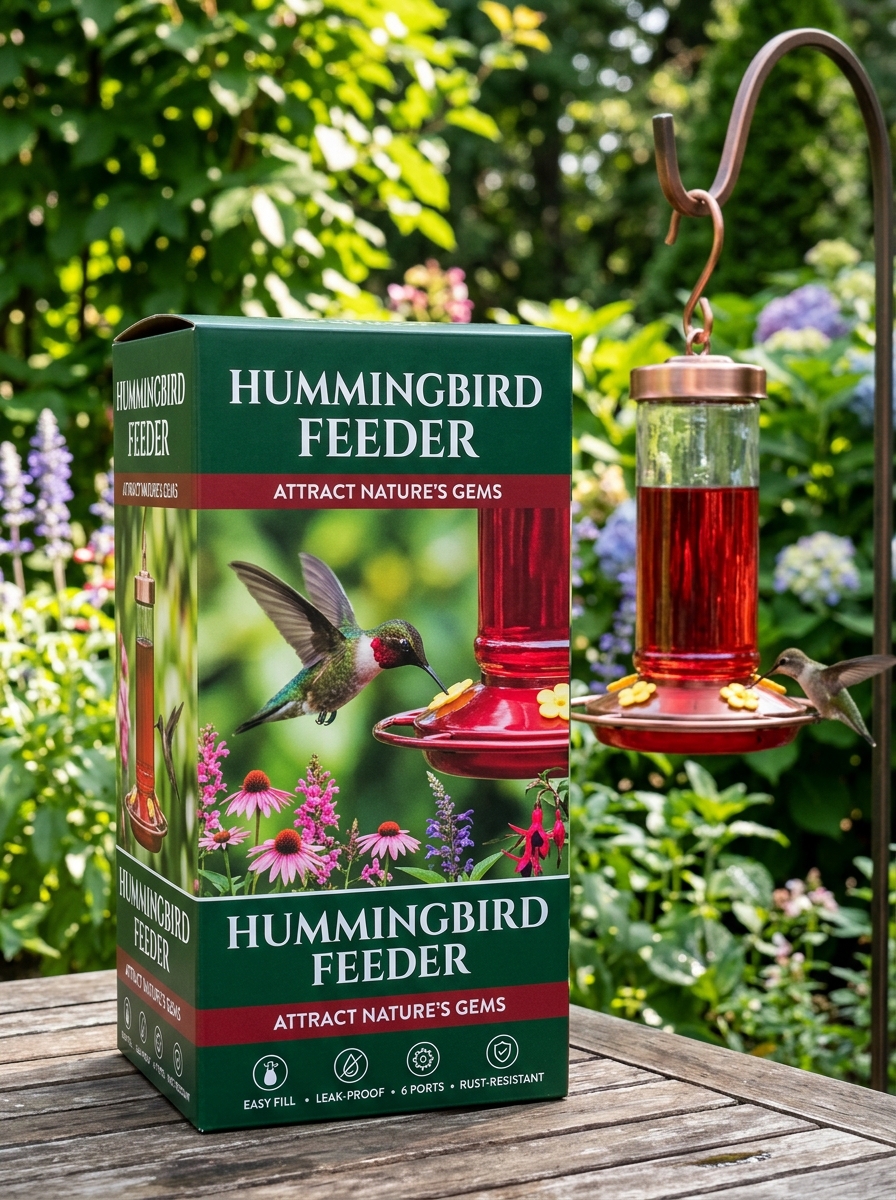
Utilizing high-contrast nature imagery is essential for showcasing the beauty and functionality of a hummingbird feeder. By capturing vibrant red or orange feeders against deep green foliage or soft-focus woodland backgrounds, you create a visual hierarchy that immediately draws the eye.
Hummingbirds are naturally attracted to bright, saturated colors. High-contrast photography mimics this biological preference, signaling effectiveness to birding enthusiasts. Crisp images highlighting the iridescent shimmer of feathers against a sleek feeder design evoke an emotional connection to the outdoors.
From a marketing perspective, these visually striking graphics improve user engagement and dwell time. Leveraging professional nature photography ensures that the hummingbird feeder is perceived as a premium, high-quality tool for backyard conservation, blending aesthetic elegance with practical avian attraction.
Color Theory and the Vital Role of Nectar-Mimicking Hues
Hummingbirds possess an extraordinary visual sensitivity to the long-wave end of the color spectrum. Unlike most mammals, these avian pollinators are instinctively drawn to vibrant, nectar-mimicking hues such as bold red, bright orange, and deep pink. This biological attraction is an evolutionary adaptation; in the wild, these high-contrast colors signal the presence of sugar-rich floral resources.
Applying color theory to hummingbird feeder design is essential for successful birding. By utilizing bright red reservoirs or perches, feeders leverage a bird's innate foraging instincts. These specific wavelengths are highly visible against natural green foliage, serving as a visual beacon for scouting hummers. Prioritizing these hues in hardware design ensures high discovery rates while eliminating the need for harmful artificial dyes in the nectar itself.
Sustainable Packaging Solutions for Eco-Conscious Gardeners
For the eco-conscious gardener, protecting the environment starts long before the first bird arrives. Selecting a hummingbird feeder with sustainable packaging is a vital step in reducing your ecological footprint. Modern manufacturers are increasingly moving away from single-use plastics, opting instead for recyclable cardboard, molded pulp inserts, and biodegradable materials to protect fragile nectar reservoirs during transit.
These plastic-free packaging alternatives ensure that your hobby supports wildlife without contributing to landfill waste. By prioritizing products shipped in compostable or FSC-certified materials, bird enthusiasts can ensure their backyard sanctuary remains truly green. Choosing earth-friendly shipping solutions reflects a holistic commitment to nature conservation, ensuring a cleaner habitat for the hummingbirds you love to attract.
Optimizing Information Hierarchy for Ease of Use
Effective hummingbird feeder management relies on a clear information hierarchy. By prioritizing essential data, users ensure bird safety and device longevity. A semantic structure should follow this logical flow for maximum usability:
- Placement Guidelines: Focus on visibility and shade to prevent rapid nectar fermentation.
- Maintenance Schedules: Highlight the critical need for cleaning every 3 to 5 days.
- Nectar Recipes: Provide the standard 4:1 water-to-sugar ratio as a primary instructional component.
- Troubleshooting: Categorize solutions for common deterrents like ants, bees, or mold.
Organizing information through logical nesting and bulleted lists reduces cognitive load. This structured approach allows hobbyists to navigate maintenance tasks efficiently, fostering a healthier environment for hummingbirds while enhancing the overall user experience.
Transparency and Die-Cut Windows for Product Assurance
When selecting a hummingbird feeder, visual clarity is essential for both functionality and quality assurance. Our packaging incorporates strategic die-cut windows and transparent materials to provide an unobstructed view of the product. This allows customers to inspect the craftsmanship, material durability, and the vibrant colors known to attract hummingbirds before purchase.
Transparency ensures you can easily monitor nectar levels and maintain hygiene standards. A clear view confirms the integrity of the leak-proof seals and the smoothness of the feeding ports, which are vital for avian safety. By prioritizing visibility, we offer a guarantee of excellence, ensuring that the feeder you receive meets the highest standards for durability and backyard birdwatching enjoyment.
Typography and Font Selection for Brand Legibility
Establishing a strong visual identity for hummingbird feeder brands requires careful typographic choices to ensure maximum legibility. Since these products often feature safety instructions and nectar recipes on curved glass or plastic surfaces, selecting clean, sans-serif fonts is essential. Typefaces like Helvetica or Open Sans offer high readability in various lighting conditions, particularly in bright outdoor settings where bird enthusiasts interact with the product.
A well-defined typographic hierarchy distinguishes the brand name from technical specifications, such as "Easy-Clean" features or "BPA-Free" certifications. Designers should prioritize high-contrast colors and avoid overly decorative scripts that may become illegible when scaled down on small labels. By focusing on font weight and generous letter spacing, brands can communicate reliability and ease of use, ensuring customers can effortlessly follow maintenance steps to keep their hummingbirds healthy.
Creating a Premium Sensory Unboxing Experience
Elevating a hummingbird feeder from a standard garden accessory to a luxury gift begins with a curated sensory unboxing experience. To resonate with bird enthusiasts, packaging should prioritize tactile quality and visual storytelling. Utilizing sustainable, high-density cardstock with a soft-touch matte finish provides an immediate sense of premium craftsmanship.
Inside, protective custom-molded inserts should showcase the vibrant colors and hand-blown glass textures of the feeder. Incorporating elements like crisp tissue paper or a signature botanical scent creates an emotional connection before the product is even assembled. By focusing on the visual, auditory, and tactile details, brands can reinforce the quality of their hummingbird feeders, ensuring a memorable first impression that encourages customer loyalty and reflects the beauty of nature.
Maximizing Retail Shelf Impact and Consumer Conversion
To drive high-velocity sales of hummingbird feeders, brands must prioritize visual hierarchy and functional storytelling. Retail shelf impact is achieved through vibrant, color-accurate packaging that mirrors the product's aesthetic-specifically targeting the "ruby-red" trigger known to attract both birds and buyers.
Effective consumer conversion relies on clear communication of unique selling points (USPs). Key features to highlight include:
- Maintenance: Wide-mouth reservoirs for easy cleaning and refilling.
- Pest Control: Integrated ant moats and bee-resistant port designs.
- Durability: UV-stabilized materials and leak-proof gaskets.
Utilizing transparent window packaging allows shoppers to verify material quality, such as thick-walled glass or high-grade polymers. By addressing common pain points through intuitive iconography and strategic eye-level placement, brands significantly reduce purchase hesitation.
Leave a comment