
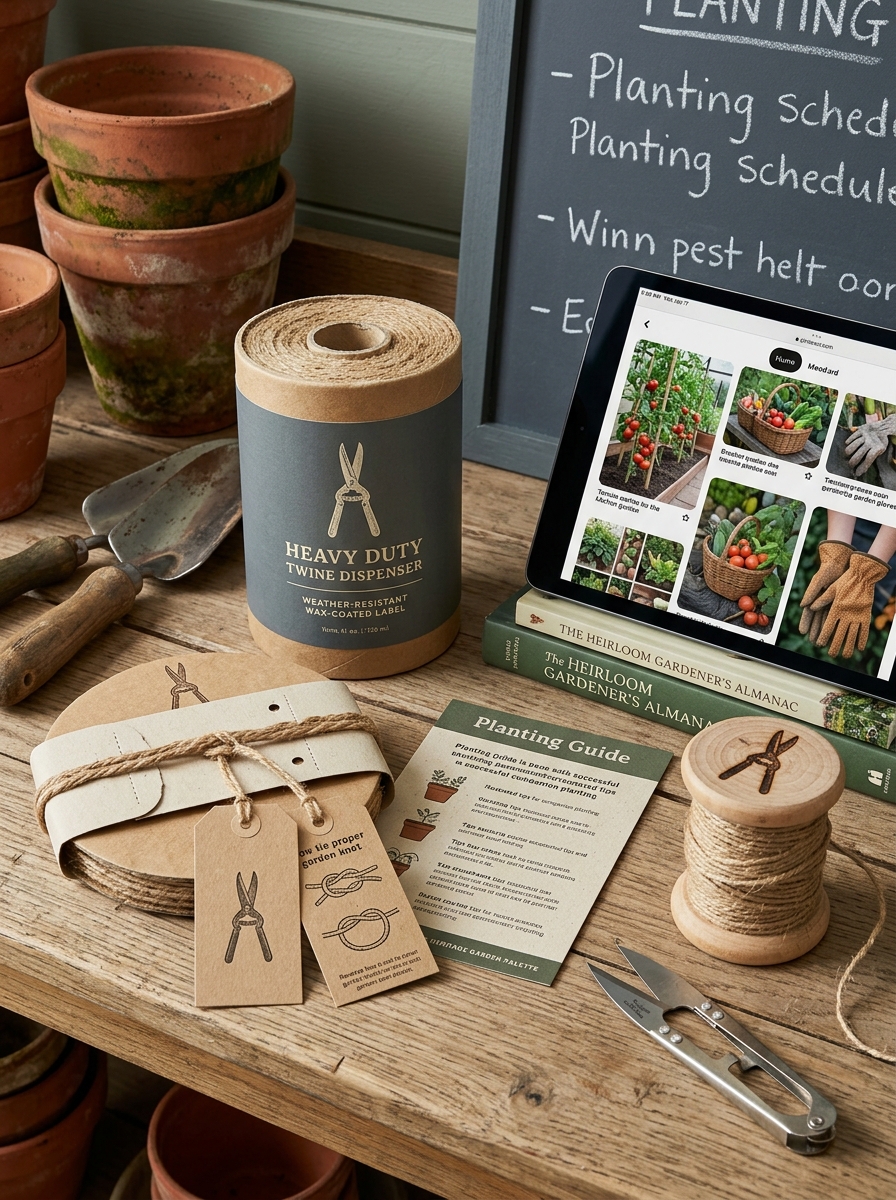
Mastering garden twine packaging design requires a sophisticated balance between functional durability and refined brand aesthetics. For the modern, eco-conscious consumer, the tactile quality of natural fibers-such as jute, sisal, or organic cotton-must be reflected in the exterior presentation to build immediate trust and perceived value.
Effective packaging transcends mere utility; it serves as a silent ambassador for environmental stewardship and artisanal craftsmanship. By integrating minimalist typography with organic, earth-toned color palettes, brands can establish a distinctive visual identity that resonates with both urban hobbyists and professional landscapers. Focusing on the synergy between structural integrity and artistic flair allows a product to command attention on the shelf while reinforcing brand loyalty through a premium unboxing experience. Understanding these core design principles is essential for elevating humble utility items into high-end lifestyle accessories.
The Evolution of Garden Twine Branding and Market Positioning
Garden twine has transitioned from a basic hardware commodity into a specialized lifestyle product. Historically, branding focused purely on functional strength and utility, utilizing raw materials like jute, sisal, and hemp. Today, market positioning emphasizes sustainability and aesthetic appeal.
Modern brands leverage eco-friendly narratives, highlighting biodegradable fibers and plastic-free packaging to appeal to the environmentally conscious gardener. Strategic positioning now differentiates between heavy-duty agricultural cordage and decorative floristry twine. Packaging has evolved from bulk spools to artisanal, gift-ready formats, reflecting garden twine's role in the "slow living" movement.
By integrating technical specifications like tensile strength and UV resistance with premium lifestyle branding, manufacturers now target diverse segments-from commercial growers to hobbyist landscapers-ensuring garden twine remains a versatile essential in a competitive horticultural market.
Defining Brand Identity Through Natural Material Selection
For garden twine manufacturers, the strategic selection of natural materials is a foundational element of brand identity. Utilizing biodegradable fibers such as jute, hemp, and sisal signals a profound commitment to environmental stewardship and sustainable gardening practices. These organic materials resonate with eco-conscious consumers who prioritize soil health and plastic-free alternatives in their landscapes.
By opting for high-quality natural textures over synthetic poly-twine, a brand distinguishes itself through a narrative of authenticity and rustic aesthetics. Whether used for supporting climbing plants or decorative bundling, natural garden twine serves as a tactile representation of a company's core values. This emphasis on eco-friendly material sourcing ensures that every product reinforces a brand image of quality, durability, and ecological responsibility within the competitive horticultural market.
Eco Friendly Packaging Solutions for Sustainable Gardeners
For the environmentally conscious grower, the choice of garden twine extends beyond the fiber itself to its packaging. Sustainable gardeners prioritize biodegradable and plastic-free solutions that minimize environmental impact. High-quality natural twines, such as jute, hemp, and cotton, are increasingly presented in recyclable cardboard sleeves or compostable paper wraps rather than traditional plastic films.
By selecting products with minimalist packaging, you reduce landfill waste and support circular economy practices. These eco-friendly options ensure that every component-from the spool to the outer label-can be returned to the earth or recycled. Choosing sustainable packaging for your gardening supplies is a vital step in maintaining an organic, zero-waste outdoor space while providing essential plant support.
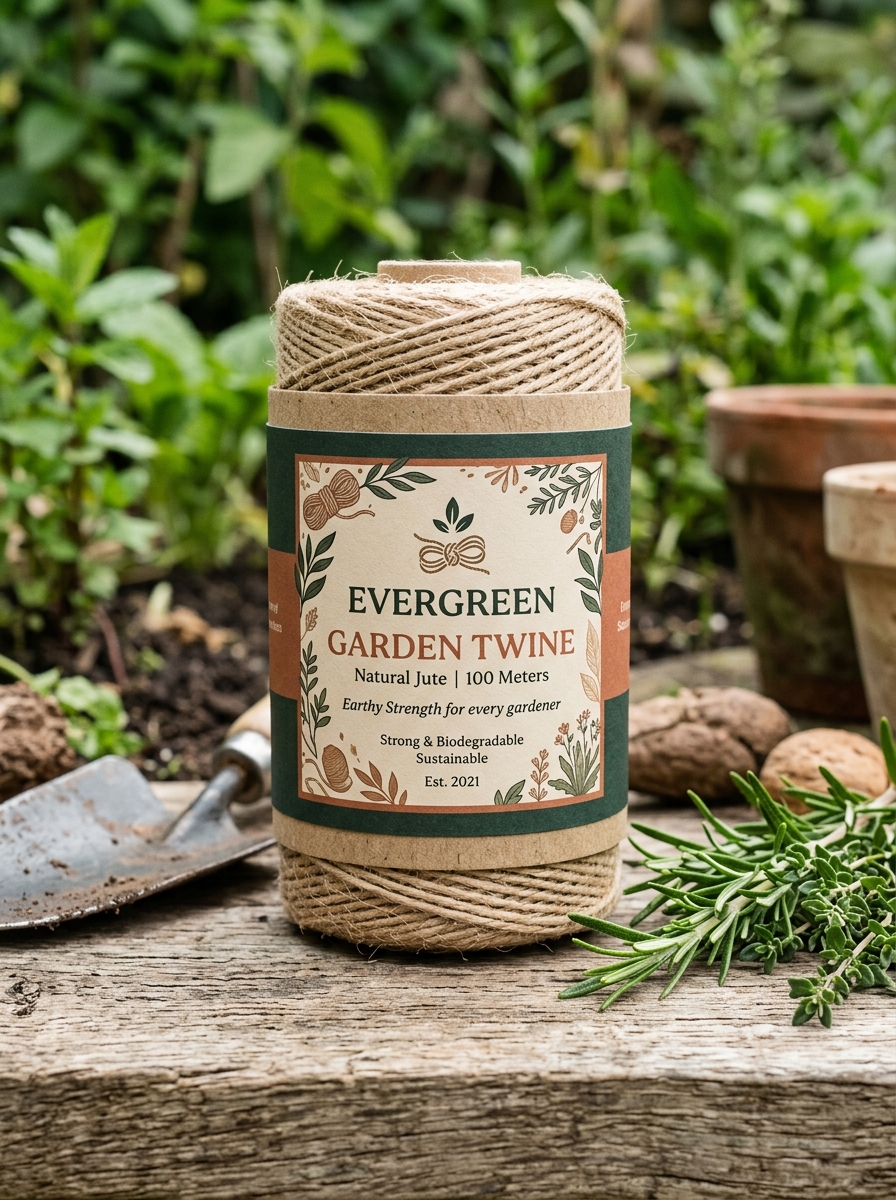
Visual Design Elements and Earthy Color Palettes
Beyond its structural utility, garden twine plays a pivotal role in the aesthetic harmony of outdoor spaces. Modern garden design utilizes twine to complement natural surroundings, opting for earthy color palettes that mimic organic environments. Hues such as forest green, moss, terracotta, and soft jute brown allow the twine to blend seamlessly with foliage and soil.
The visual appeal of garden twine is further enhanced by its textural elements. Natural fibers like hemp, sisal, and jute provide a rustic, tactile quality that reinforces a vintage or "cottagecore" garden style. By selecting a specific diameter and fiber twist, gardeners can create subtle visual lines that support climbing plants without distracting from the blooms. Choosing the right muted tones ensures that structural supports remain functional yet visually unobtrusive within the landscape.
The Importance of Functional Dispenser Box Engineering
In the realm of garden twine management, the engineering of a dispenser box is critical for both efficiency and durability. A professionally designed dispenser acts as a functional tool that prevents internal tangling, ensuring a smooth, snag-free pull every time. This precision engineering allows gardeners to maintain tension while securing climbing plants or heavy-duty trellises.
Functional boxes often feature integrated cutting mechanisms and protective housings that shield natural jute or synthetic fibers from moisture and UV degradation. By maintaining the twine's structural integrity and preventing messy unraveling, a well-engineered dispenser reduces waste and optimizes workflow. Whether you are a professional landscaper or a home gardener, choosing twine with superior box mechanics ensures that your gardening cordage remains organized and ready for immediate use.
Tactile Branding and Premium Texture Selections
In the competitive garden supply market, tactile branding transforms ordinary garden twine into a premium sensory experience. By curating specific texture selections-ranging from the rustic, earthy grit of raw jute to the refined, silky smoothness of polished cotton-brands can communicate quality through touch.
Premium textures do more than look appealing; they serve functional roles. Soft-touch hemp protects delicate plant stems from abrasion, while high-grip sisal ensures knots remain secure under tension. For luxury retailers, offering a variety of finishes, such as waxed cords or multi-ply twists, elevates the unboxing experience. Integrating these tactile elements into your product line allows gardeners to feel the craftsmanship, reinforcing brand loyalty through high-performance materials that provide both aesthetic elegance and superior handling in the field.
Strategic Use of Window Cutouts for Product Visibility
Integrating window cutouts into garden twine packaging is a sophisticated design strategy that bridges the gap between consumer expectation and product reality. By providing a direct view of the twine, brands establish immediate transparency and trust. Gardeners can instantly evaluate essential attributes such as material texture, color vibrancy, and ply thickness-factors that are difficult to convey through imagery alone.
Whether showcasing natural jute, rugged sisal, or decorative cotton, these die-cut openings allow shoppers to verify the tensile strength and quality required for specific tasks like trellising or floral arrangement. Furthermore, these windows often function as a "pull-hole" for tangle-free dispensing. This strategic visibility minimizes purchase hesitation, highlights eco-friendly materials, and ensures the product stands out on retail shelves by prioritizing the physical integrity of the garden twine.
Typography and Graphic Layouts for Garden Retail Legibility
Optimizing garden twine packaging requires a strategic approach to typography and layout to ensure rapid product identification in high-traffic retail settings. Because garden centers often feature variable lighting, high-contrast color palettes and bold, sans-serif typefaces are essential for maintaining legibility from a distance.
Effective graphic layouts prioritize a clear information hierarchy, focusing on three core specifications:
- Material Composition: Distinguishing between natural jute, sisal, or synthetic polymers.
- Durability Metrics: Highlighting tensile strength and UV resistance through bold weights.
- Product Dimensions: Ensuring total length and ply thickness are immediately visible.
Incorporating generous whitespace and intuitive iconography helps prevent visual clutter, allowing customers to quickly assess the twine's suitability for specific horticultural tasks. Streamlined layouts ultimately reduce consumer friction and enhance the overall shopping experience.
Balancing Aesthetic Appeal with Durability and Weather Resistance
Selecting the right garden twine involves a strategic balance between visual harmony and functional longevity. Natural fibers like jute, cotton, and sisal provide a rustic, organic aesthetic that blends seamlessly into foliage, making them ideal for decorative bundling and eco-friendly gardening. However, these biodegradable materials can weaken when exposed to persistent moisture.
Conversely, synthetic options such as nylon or polypropylene offer unmatched weather resistance and UV protection, ensuring structural integrity for heavy-duty trellising over multiple seasons. To optimize your garden's performance, use high-tensile natural twines for seasonal soft-stemmed plants and switch to durable synthetics for permanent supports. By matching material properties to environmental exposure, gardeners can maintain a beautiful landscape without compromising on reliable plant security.
Future Trends in Garden Accessory Packaging Design
The future of garden twine packaging is shifting toward environmental responsibility and functional minimalism. As eco-conscious gardening grows, brands are moving away from single-use plastics in favor of biodegradable materials such as FSC-certified cardboard, molded pulp, and compostable plant-based films.
Key emerging trends include:
- Zero-Waste Architecture: Coreless twine rolls that eliminate internal plastic spools.
- Smart Integration: QR codes printed with soy-based inks that link to digital tutorials on plant support and knot-tying.
- Circular Refill Systems: Durable, decorative dispensers designed for lifelong use with bulk-buy twine refills.
These innovations prioritize a circular economy, ensuring that garden accessory packaging is as sustainable as the natural jute, hemp, or cotton fibers it protects.
Leave a comment