
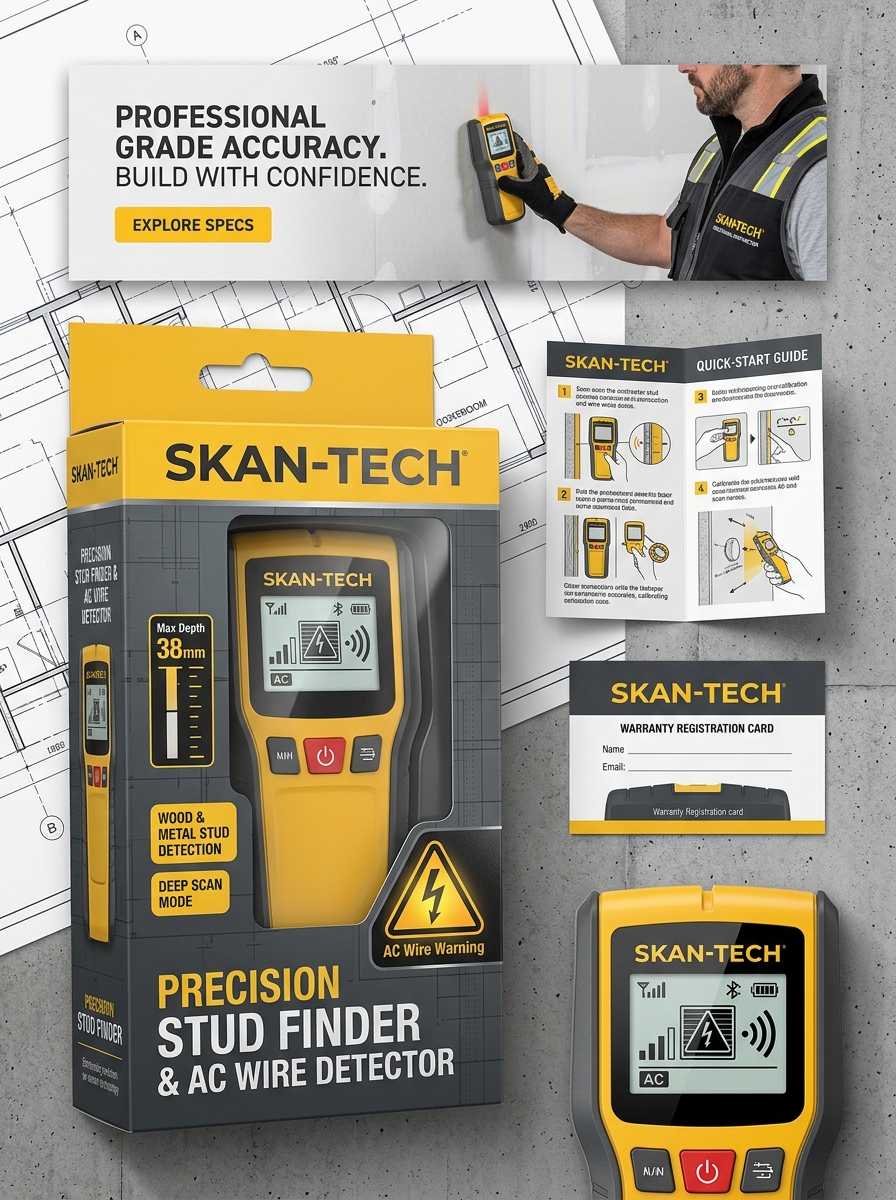
For manufacturers of electronic stud finders, the intersection of functional engineering and visual allure has become a critical driver of market success. Beyond technical accuracy, product aesthetic appeal and strategic packaging design play pivotal roles in influencing consumer purchasing decisions. As home improvement tools transition from purely utilitarian objects to sophisticated high-tech gadgets, the external presentation must reflect precision, reliability, and modern innovation.
Optimizing the shelf presence of these devices requires a cohesive strategy that balances ergonomic industrial design with informative, eye-catching packaging. By utilizing tactile finishes, clear visual hierarchies, and contemporary color palettes, brands can effectively communicate value to both DIY enthusiasts and professional contractors. Enhancing the physical and visual touchpoints of a stud finder not only differentiates the product in a crowded retail environment but also fosters immediate consumer trust and long-term brand recognition.
The Evolution of Modern Electronic Stud Finder Aesthetics
The visual design of the electronic stud finder has transitioned from bulky, industrial utility to sleek, ergonomic sophistication. Early models were characterized by boxy frames and rudimentary analog needles, prioritizing basic function over user comfort. Today's aesthetics emphasize a user-centric approach, featuring contoured grips and slim profiles that facilitate easy one-handed operation.
Modern devices integrate high-contrast LCD displays and intuitive LED light bars, replacing dated indicators with clear, digital interfaces. Manufacturers now utilize high-visibility colors and rugged, over-molded rubber textures to balance professional durability with a high-tech "gadget" appeal. This aesthetic evolution reflects the integration of advanced capacitive sensors into streamlined housing, transforming the stud finder into a sophisticated instrument that meets the visual and functional demands of both professional contractors and DIY enthusiasts.
Defining Visual Language for High Precision Hardware
Modern electronic stud finders utilize a sophisticated visual language to translate complex sensor data into actionable insights. High-precision hardware demands an interface that communicates accuracy through intuitive LCD displays, high-contrast graphics, and multi-segment LED indicators.
This visual framework incorporates real-time signal strength bars, edge-detection markers, and dedicated icons for AC live wire detection. By standardizing these symbols, the device allows professionals to identify the exact center of wood or metal studs with millimetric precision.
Effective visual language minimizes user error by providing clear feedback on calibration status and material density. Whether through color-coded alerts or digital target crosshairs, the synthesis of hardware capability and interface design ensures maximum reliability for critical structural mapping and site safety.
Strategic Color Palettes and Material Finishes for Tool Design
Optimizing the design of an electronic stud finder involves selecting color palettes that balance brand identity with job-site visibility. High-contrast colors like safety yellow or signal orange ensure the device is easily located in cluttered or dim environments. Incorporating dark accents helps users quickly identify functional zones, such as the interface buttons and the scanning sensor.
Material finishes are equally critical for durability and precision. Manufacturers typically utilize high-impact ABS plastic for the chassis to withstand drops. Strategic integration of rubberized over-molds (TPE) provides ergonomic, non-slip grips, which are essential for maintaining steady contact during wall calibration. Furthermore, matte finishes are preferred to reduce glare from construction lighting, while textured surfaces improve tactile feedback and hide cosmetic wear from repetitive use on abrasive drywall surfaces.
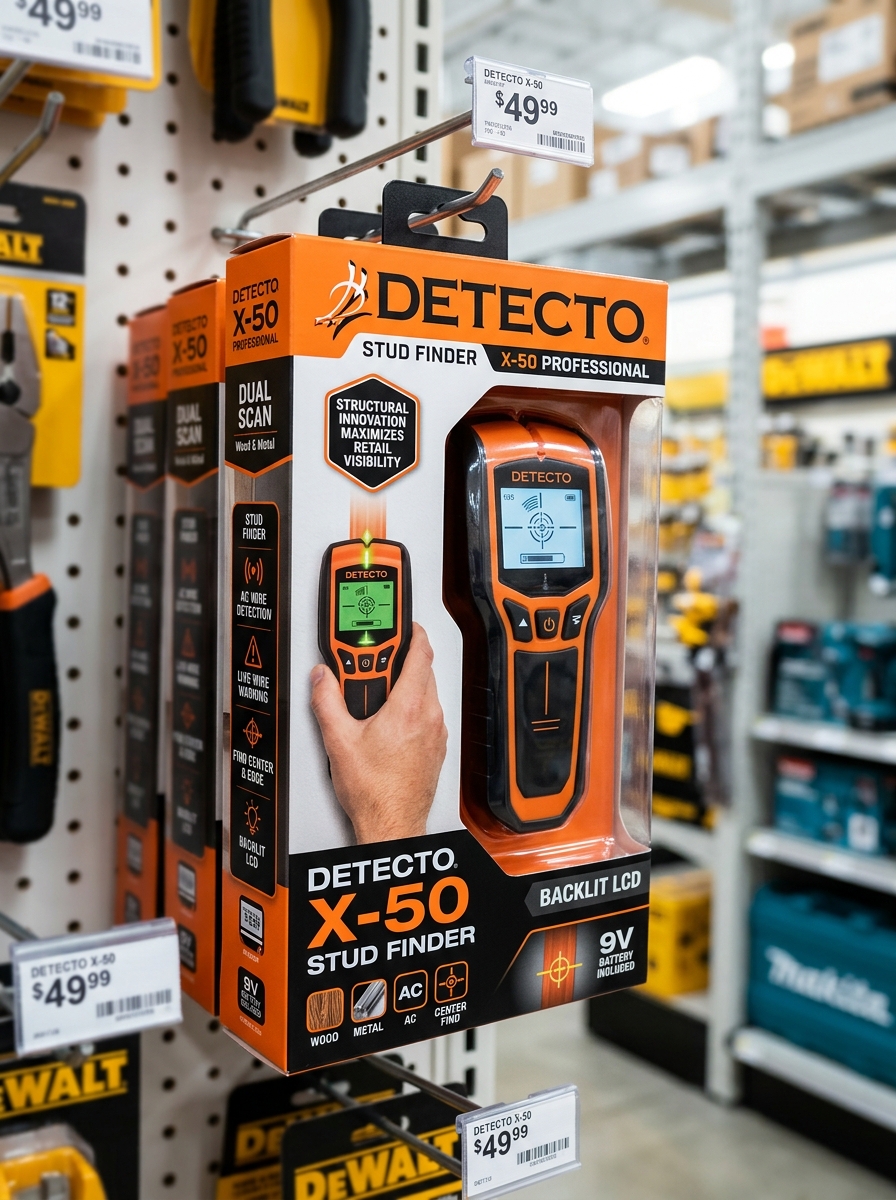
Maximizing Retail Visibility through Structural Packaging Innovation
In the competitive hardware market, an electronic stud finder requires more than technical precision; it demands superior shelf presence. Structural packaging innovation serves as a silent salesperson, utilizing custom die-cut windows and ergonomic silhouettes to highlight the tool's form and sensor capabilities. By implementing high-clarity thermoformed blisters or sustainable corrugated inserts, manufacturers can showcase key features like deep-sensing technology and live AC wire detection directly to the consumer.
Strategic design elements, such as integrated hang tabs and angled display bases, optimize "on-shelf" visibility, ensuring the product catches the eye of DIY enthusiasts and professionals alike. This semantic approach to packaging design bridges the gap between functional utility and consumer purchase intent through enhanced tactile and visual interaction, ultimately driving higher conversion rates in high-traffic retail environments.
Information Hierarchy and Technical Clarity on Outer Boxes
Effective packaging for an electronic stud finder relies on a strategic information hierarchy that balances immediate impact with technical precision. The front panel must prioritize "hero" features: maximum detection depth, material versatility (wood, metal, or live AC), and sensor type (edge vs. center finding). This allows users to verify tool compatibility at a glance.
Technical clarity is maintained by segregating detailed specifications onto side or rear panels. Key elements include:
- Visual Indicators: Icons representing LCD displays, signal strength bars, and audio alerts.
- Operational Constraints: Clear notations on scanning tolerances and calibration requirements.
By using high-contrast typography and intuitive diagrams, manufacturers bridge the gap between complex sensor technology and user application. This structured approach reduces consumer friction, minimizes returns, and ensures the professional or DIYer understands the device's capabilities before the box is opened.
The Role of Ergonomics in Shaping Consumer Purchase Intent
For professional contractors and DIY enthusiasts, the ergonomics of an electronic stud finder are critical factors influencing purchase decisions. Beyond basic scanning accuracy, the physical design-including contoured grips, lightweight housing, and intuitive button placement-directly impacts user comfort and tool control.
A well-balanced device reduces hand fatigue during prolonged wall mapping and ensures steady contact against various surfaces, which is vital for precise sensor readings. Consumers prioritize models with non-slip textures and clear visual displays that are easy to read at different angles.
When a tool feels natural in the hand, it enhances perceived reliability and efficiency, driving higher purchase intent. Manufacturers who prioritize human-centric design cater to the demand for seamless operation, making ergonomic superiority a primary differentiator in the competitive handheld sensor market.
Sustainable Packaging Solutions for Electronic Detection Tools
As demand for precision hardware rises, the industry is shifting toward sustainable packaging solutions for electronic stud finders. Manufacturers are replacing traditional single-use plastics with eco-friendly alternatives such as recycled cardboard, molded pulp, and biodegradable inserts. These materials provide the necessary shock absorption to protect sensitive internal sensors and calibrated wall scanners while significantly reducing the environmental footprint.
By utilizing soy-based inks and FSC-certified paper, brands ensure that the packaging for detection tools is fully recyclable. This transition supports a circular economy and appeals to environmentally conscious DIY enthusiasts. Adopting minimalist, plastic-free designs not only lowers carbon emissions during transport but also maintains the professional integrity and safety of high-performance joist finders throughout the global supply chain.
Enhancing the Unboxing Experience for Professional and DIY Users
The initial interaction with an electronic stud finder sets the tone for project success. For professionals, premium packaging should emphasize technical reliability, featuring a rugged carrying case and pre-installed batteries for immediate job-site utility. Highlighting key features like multi-mode detection and AC wire warning on the inner lid ensures the tool's capabilities are understood instantly.
For DIYers, the unboxing experience focuses on accessibility. Including an illustrated quick-start guide and a calibration checklist helps novices master edge-to-edge detection quickly. Incorporating QR codes that link to instructional videos provides a seamless transition from box to wall. By prioritizing clear labeling and protective inserts, manufacturers ensure that both experts and hobbyists feel confident in the accuracy and durability of their wall scanner from the moment they open the package.
Balancing Industrial Durability with Premium Consumer Appeal
Modern electronic stud finders bridge the gap between rugged construction tools and sophisticated home technology. To achieve industrial durability, these devices feature high-impact ABS housing and shock-resistant sensors capable of withstanding demanding job site conditions and frequent drops.
Simultaneously, premium consumer appeal is integrated through ergonomic designs, intuitive backlit LCD displays, and streamlined interfaces. By merging high-precision deep-scanning technology with a sleek, user-friendly aesthetic, manufacturers cater to both professional contractors and DIY enthusiasts.
This balance ensures the tool provides the reliability of a heavy-duty instrument while maintaining the polished look expected in high-end electronics. Key features like multi-mode detection and visual signal strength indicators offer a seamless scanning experience without compromising on long-term structural integrity.
Future Trends in Interactive and Minimalist Hardware Packaging
As DIY tools like the electronic stud finder evolve, packaging is shifting toward functional minimalism and digital interactivity. Modern hardware brands are moving away from bulky plastic clamshells in favor of eco-friendly, biodegradable corrugated cardboard that emphasizes a premium, tactile experience.
Key trends shaping the future of tool packaging include:
- QR Code Integration: Instant access to AR tutorials and digital calibration guides, replacing thick paper manuals.
- Sustainable Inserts: Precision-cut pulp molds that protect sensitive internal sensors without using non-recyclable foams.
- Visual Transparency: Minimalist graphic design using high-contrast icons to communicate wood, metal, and AC wire detection capabilities instantly.
By blending smart technology with reduced physical footprints, packaging now serves as an educational extension of the tool itself, ensuring a seamless transition from unboxing to home improvement projects.
Leave a comment