
Modern pet owners prioritize both safety and style, making the optimization of portable pet carrier packaging a critical factor for brand success. Effective packaging design must transcend basic containment, evolving into a sophisticated blend of structural integrity and visual communication.
To achieve market excellence, designers must focus on high-impact visuals that resonate with the emotional bond between owners and their animals. This involves utilizing sustainable materials, ergonomic layouts for space efficiency, and transparent elements that highlight product quality.
By harmonizing essential design concepts with contemporary aesthetics, manufacturers can enhance the unboxing experience while ensuring maximum protection during transit. Mastering these elements is vital for creating a memorable brand identity that stands out on the shelf and meets the functional demands of modern travelers and their companions.
The Evolution of Portable Pet Carrier Packaging Trends
The landscape of portable pet carrier packaging has shifted from basic utilitarian boxes to sophisticated, brand-focused solutions. Historically, carriers were shipped in bulky, oversized containers; however, modern trends prioritize sustainability and logistical efficiency. Manufacturers are now utilizing eco-friendly, recyclable materials and innovative flat-pack designs to significantly reduce carbon footprints and shipping costs.
As the premium pet industry grows, packaging has also become central to the consumer unboxing experience. Contemporary designs often feature reinforced structural protection and clear, multi-lingual labeling that highlights airline travel compliance. This evolution reflects a dual focus on environmental responsibility and the high-end aesthetics modern pet owners demand, ensuring that products arrive safely while reflecting the quality of the brand.
Structural Integrity and Material Selection for Maximum Protection
Ensuring pet safety during travel begins with superior structural integrity and premium material selection. High-quality portable pet carriers utilize heavy-duty fabrics, such as 1680D Oxford cloth, or impact-resistant polycarbonate shells to withstand external pressure. A reinforced internal frame is essential to prevent collapsing, maintaining a secure, upright cabin space for your animal.
Maximum protection is further enhanced by claw-resistant rubberized mesh, which facilitates optimal ventilation while preventing accidental escapes. Strategic integration of self-locking zippers and double-stitched seams ensures the carrier remains intact under stress. By prioritizing high-tensile, non-toxic materials, these carriers provide a protective buffer against bumps and jostling. This rigorous engineering approach guarantees a durable, safe environment, making it a reliable sanctuary for cats and dogs during any journey.
Eco-Friendly Solutions and Sustainable Packaging Practices
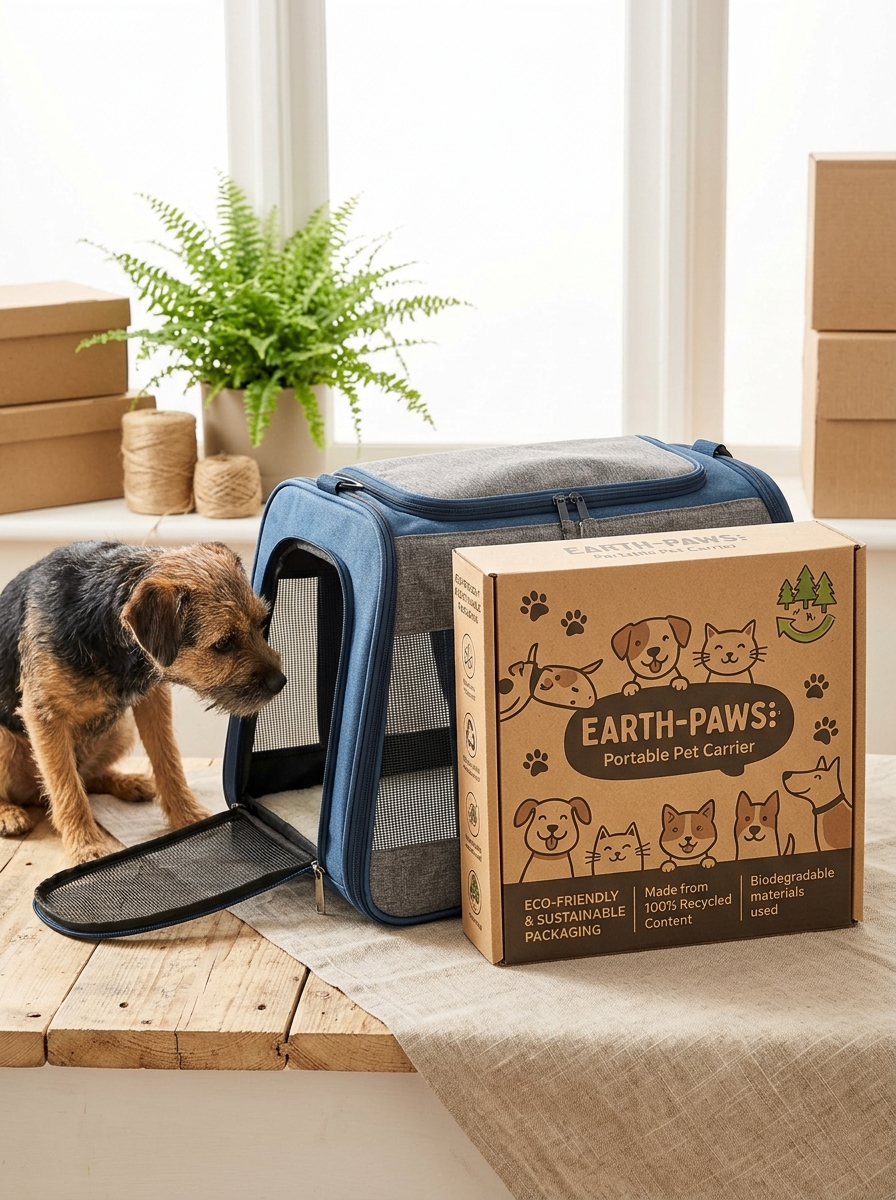
Modern portable pet carriers are evolving to prioritize environmental responsibility. Many manufacturers now utilize recycled materials, such as rPET fabric made from post-consumer plastic bottles, to reduce carbon footprints without sacrificing durability. These eco-friendly solutions ensure your pet travels in a safe, non-toxic environment while supporting global conservation efforts.
Beyond the product, sustainable packaging is essential for a greener supply chain. Leading brands are replacing single-use plastics with biodegradable mailers, FSC-certified cardboard, and soy-based inks. By choosing carriers shipped in 100% recyclable or compostable materials, pet owners help minimize landfill waste. Investing in high-quality, long-lasting gear further promotes a circular economy, ensuring that your travel essentials are as kind to the planet as they are comfortable for your companion.
Ergonomic Design for Consumer Convenience and Handling
A high-quality portable pet carrier prioritizes ergonomic engineering to ensure maximum comfort for the owner. Modern designs feature padded shoulder straps and non-slip, contoured handles that effectively distribute weight, significantly reducing physical strain on the back and shoulders during transport.
Key functional elements that enhance handling include:
- Adjustable Straps: Allows for a customized fit regardless of the user's height.
- Lightweight Materials: Reduces the overall load without compromising structural integrity.
- Balanced Weight Distribution: Prevents the carrier from tilting, ensuring a steady gait.
- Quick-Access Openings: Facilitates easy interaction with your pet while on the move.
By integrating these human-centric features, portable carriers transform the logistics of pet travel into a seamless, stress-free experience for both the caregiver and the companion.
Visual Branding and High-Impact Graphic Aesthetics
In the competitive portable pet carrier market, visual branding is essential for establishing market authority and consumer trust. High-impact graphic aesthetics go beyond simple decoration; they integrate bold color palettes, minimalist patterns, and premium textures that align with modern lifestyle trends.
A strategically designed carrier utilizes brand-consistent elements, such as sleek logos and signature silhouettes, to create a sophisticated travel experience. These aesthetic choices serve several key functions:
- Market Differentiation: Unique graphic treatments help products stand out in a crowded digital marketplace.
- Emotional Connection: Vibrant or sleek designs reflect the owner's personal style, transforming a utility item into a fashion accessory.
- Visual Hierarchy: High-contrast accents highlight functional features like ventilation mesh and safety enclosures.
By prioritizing visual storytelling, manufacturers ensure that their pet travel solutions are both functionally superior and aesthetically irresistible to the modern traveler.
The Psychology of Color and Imagery in Pet Care Marketing
Visual storytelling is vital when marketing a portable pet carrier. Brands strategically use color psychology to influence consumer emotions and build immediate trust. For instance, blue is frequently employed to convey safety and reliability, while green represents health and comfort. These tones reassure pet parents that the product is a secure environment for their companions.
Imagery further enhances this connection by focusing on the "safe haven" concept. High-quality photos of calm pets and adventurous owners shift the perception of a carrier from a confinement tool to a gateway for shared experiences. By utilizing lifestyle shots that highlight breathable mesh and soft interiors, marketers tap into the emotional bond between humans and animals, positioning the carrier as an essential investment for stress-free travel and pet well-being.
Integrating Product Transparency with Die-Cut Window Features
A premium portable pet carrier leverages strategic die-cut window features to prioritize product transparency and animal well-being. These precision-engineered openings provide a dual advantage: they allow consumers to inspect the quality of internal materials-such as reinforced stitching and soft-sided lining-while ensuring maximum ventilation for the pet.
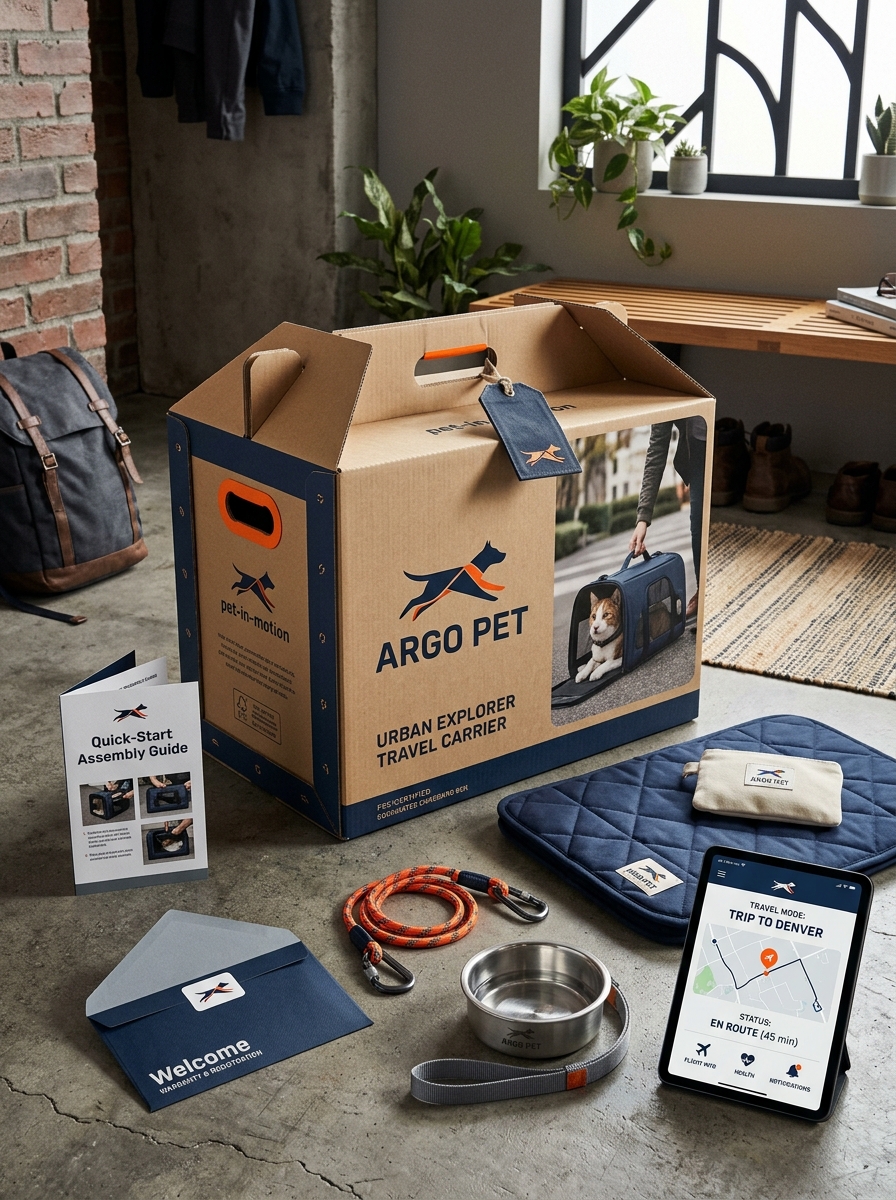
By incorporating die-cut designs, manufacturers highlight the carrier's structural integrity and breathability directly through the packaging. This transparency builds consumer trust, showcasing the product's durability before purchase. Furthermore, these windows serve as vital sightlines for pets, reducing travel anxiety by maintaining a visual connection to their environment. Integrating these functional cut-outs ensures that your pet transport solution balances aesthetic appeal with essential pet safety, making it a reliable choice for modern, mobile pet owners who value visibility and air circulation.
Standardizing Safety Information and Regulatory Compliance
Establishing uniform safety standards for the portable pet carrier industry is essential for ensuring animal welfare during transit. Standardizing information allows consumers to verify that products meet rigorous regulatory compliance, such as IATA requirements for air travel or crash-test certifications for vehicular safety.
Key compliance factors include structural integrity, ventilation ratios, and the use of non-toxic, pet-safe materials. Manufacturers must provide clear labeling regarding maximum weight capacities and secure latching mechanisms to prevent accidental escape. By adhering to international safety protocols and ISO standards, brands can guarantee a higher level of protection. This systematic approach to safety documentation helps pet owners make informed decisions, reducing risks and ensuring a secure environment for pets on the move.
Enhancing the Unboxing Experience for Premium Market Positioning
For a portable pet carrier to command a premium price, the customer's journey must begin long before the first trip. A curated unboxing experience serves as a powerful touchpoint for brand storytelling and perceived value. By utilizing high-quality, sustainable materials and rigid structural packaging, manufacturers signal durability and luxury.
To optimize for the premium market, consider the following elements:
- Tactile Quality: Use soft-touch finishes and embossed logos on the exterior box.
- Protective Layering: Replace plastic polybags with branded dust bags or pH-neutral tissue paper.
- Value-Added Inserts: Include high-density printed assembly guides, a personalized welcome note, and a small premium pet treat.
Focusing on these sensory details transforms a simple purchase into an exclusive event, fostering immediate brand loyalty and justifying a high-end market position through superior first impressions.
Future Innovations in Smart and Interactive Pet Product Packaging
The evolution of the portable pet carrier now extends to its packaging, where smart technology meets logistics. Innovative packaging solutions are integrating IoT sensors and interactive elements to enhance the consumer experience and ensure animal safety during transit. For example, many brands are adopting QR codes that provide instant access to digital assembly videos, airline regulation checklists, and pet travel safety guides.
Future trends include AR-enabled packaging, allowing owners to visualize the carrier's scale relative to their pet via smartphone before unboxing. Additionally, thermal indicators on shipping containers monitor temperature fluctuations, ensuring the environment remains safe for live transport. These semantic-focused advancements prioritize sustainability and transparency, bridging the gap between physical pet gear and digital convenience for modern pet parents.
Leave a comment