
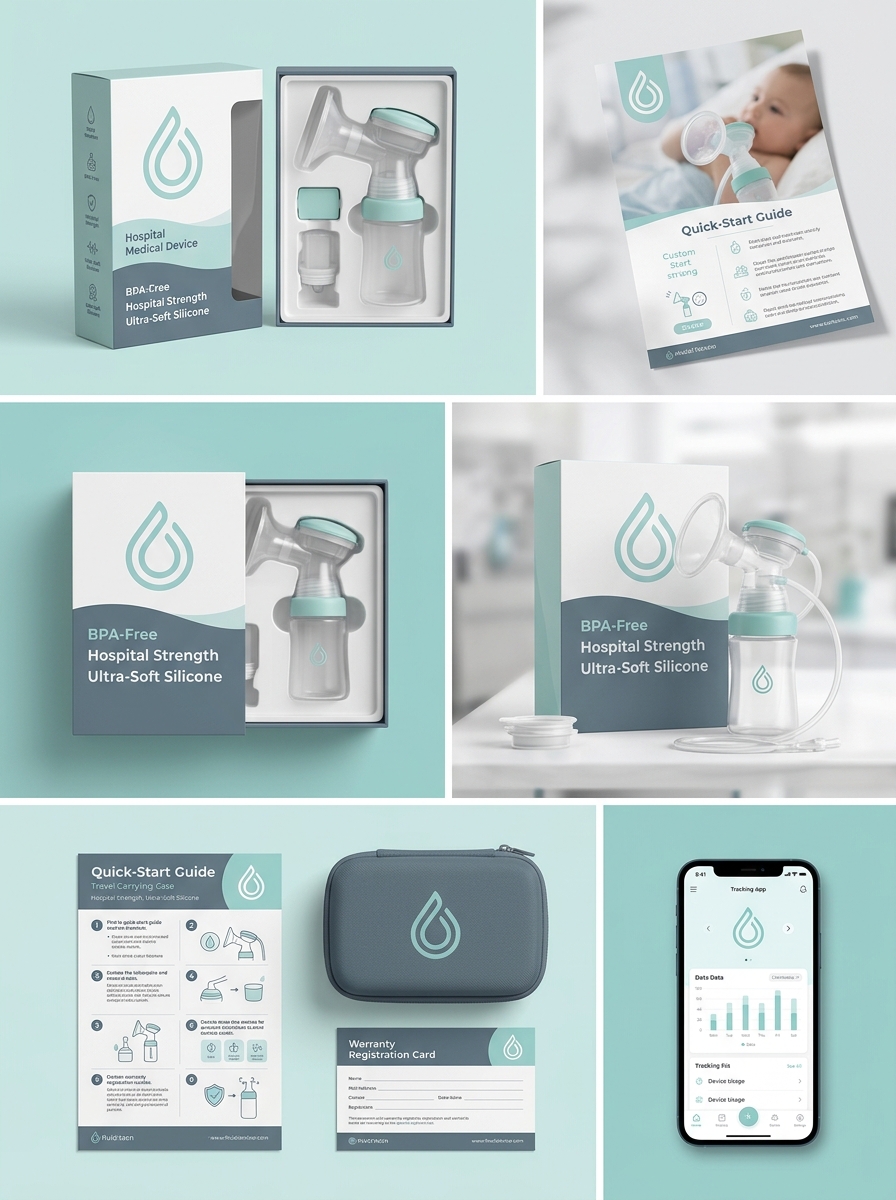
Effective nasal aspirator packaging design bridges the gap between medical necessity and consumer accessibility. As a vital tool for pediatric respiratory health, the outer casing must communicate hygiene, safety, and intuitive use at a glance. Manufacturers must prioritize a balance of aesthetic appeal and rigorous functional requirements, ensuring that materials protect delicate components while providing clear, legible instructions for caregivers.
From transparent windows that showcase product quality to sustainable substrates that resonate with eco-conscious parents, every design element serves a dual purpose: building brand trust and ensuring product integrity. This analysis explores the strategic intersection of visual storytelling and structural engineering within the specialized market of pediatric medical devices, focusing on how thoughtful packaging enhances the user experience and ensures shelf-side impact.
The Evolution of Nasal Aspirator Packaging Aesthetics
The nasal aspirator market has undergone a significant transformation in packaging design, moving from purely clinical presentations to consumer-centric aesthetics. Early iterations focused on sterile, utilitarian boxes that mirrored hospital environments, often appearing intimidating to new parents.
Modern packaging now prioritizes emotional resonance and user trust. Designers utilize soft color palettes, clean typography, and ergonomic visual cues to bridge the gap between medical necessity and nursery comfort. Current trends showcase a shift toward minimalist graphics and sustainable materials, appealing to eco-conscious caregivers.
By integrating transparent windows and high-quality imagery, brands effectively communicate functionality while reducing "medical anxiety." This evolution reflects a broader trend in pediatric care where nasal aspirator packaging serves as both a protective vessel and a vital tool for brand storytelling and consumer reassurance.
Defining Visual Trust Through Color Theory in Medical Devices
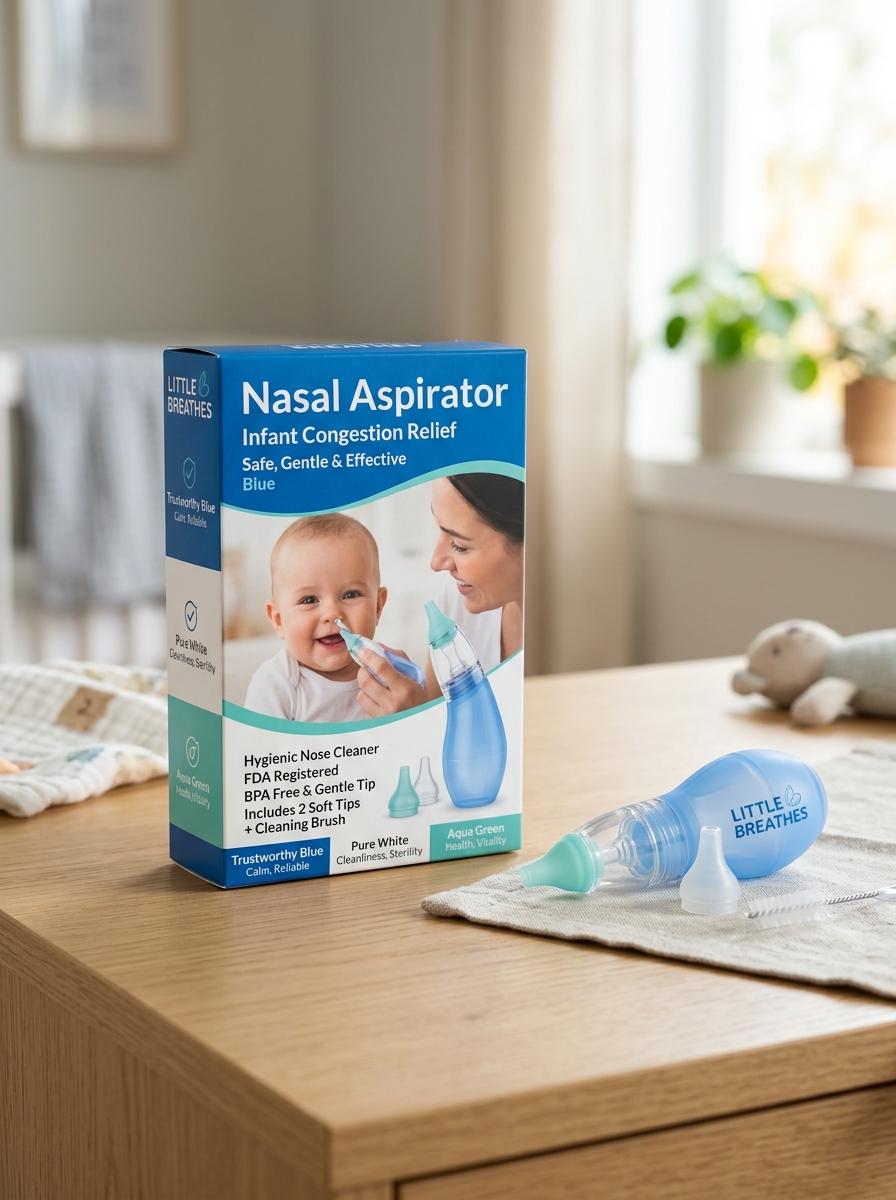
In the design of a nasal aspirator, color theory is essential for establishing immediate clinical credibility and user confidence. Manufacturers strategically select palettes that communicate safety and hygiene. Clinical white is used to signal sterility, while soft blues and teals are incorporated to evoke feelings of calm and professional trust, effectively reducing parental anxiety during use.
Beyond aesthetics, these psychological triggers distinguish professional medical equipment from consumer toys. Transparent components are often paired with these colors to provide visual confirmation of efficacy, reinforcing "functional transparency." By leveraging these color principles, medical device designers ensure that the aspirator is perceived as a reliable, high-quality health tool, fostering a sense of security for caregivers performing essential infant respiratory care.
Balancing Pediatric Appeal with Clinical Professionalism
Designing an effective nasal aspirator requires a strategic harmony between pediatric appeal and clinical professionalism. To alleviate caregiver anxiety and minimize infant distress, the device must feature approachable aesthetics, such as ergonomic shapes and soothing colors. These child-friendly elements ensure the tool feels like a natural part of a nursery routine rather than a daunting medical instrument.
Simultaneously, the product must uphold medical-grade integrity. Clinical professionalism is established through high-performance suction technology, BPA-free materials, and transparent components that allow for visual monitoring of mucus clearance. By blending a non-threatening design with evidence-based functionality, manufacturers create a trusted healthcare solution. This balance ensures the nasal aspirator is recognized as both a gentle comfort for babies and a sophisticated, reliable tool for effective respiratory hygiene.
Ergonomic Packaging Structures for Retail and Storage
Optimized packaging for a nasal aspirator serves a dual purpose: maximizing retail shelf efficiency and providing sustainable home storage solutions. Ergonomically designed containers utilize space-saving dimensions and durable materials that protect sensitive medical components from environmental contaminants. For retailers, features like integrated hang-tabs and high-visibility windows ensure the product is accessible and informative.
In a home setting, the packaging often functions as a hygiene-focused storage case. Custom-molded internal trays securely organize the aspirator body, silicone tips, and filters, preventing component loss. These structures are engineered for quick access during infant congestion emergencies, featuring intuitive opening mechanisms. By prioritizing a compact footprint and a sanitary seal, ergonomic packaging ensures the nasal aspirator remains clean, portable, and ready for immediate use in any nursery or travel bag.
The Role of Material Selection in Sustainable Health Packaging
Selecting the right materials for nasal aspirator packaging is essential for balancing medical safety with environmental responsibility. Sustainable health packaging focuses on utilizing recyclable polymers and biodegradable substrates that maintain sterile integrity while reducing long-term plastic waste.
By prioritizing BPA-free, medical-grade plastics and FSC-certified paperboard, manufacturers ensure that pediatric devices remain hygienic and protected from external contaminants. Furthermore, eco-conscious material selection reduces the carbon footprint of the supply chain. Lightweight yet durable packaging minimizes shipping energy and waste volume. For the end-user, sustainable material choices reflect a commitment to both infant health and ecological preservation, ensuring that essential respiratory care tools do not contribute to environmental degradation.
Information Hierarchy and Clear Usage Instructions
Effective use of a nasal aspirator relies on a logical information hierarchy that prioritizes infant safety and hygiene. To ensure optimal results and clear airways, follow these structured instructions:
- Preparation: Administer 1–2 saline drops into each nostril to loosen thick mucus.
- Positioning: Hold the child in an upright or slightly reclined position, ensuring their head is supported.
- Suctioning: Place the silicone tip at the nostril entrance-never insert deeply-and apply gentle suction via the bulb, mouthpiece, or electric motor.
- Sanitization: Immediately disassemble the components and wash them with warm, soapy water to prevent bacterial growth.
By following this sequence, caregivers can safely alleviate congestion. Clear, step-by-step guidance reduces user error and ensures the device remains a hygienic solution for infant respiratory comfort.
Highlighting Product Safety and Regulatory Compliance
When selecting a nasal aspirator, safety is the primary concern for infant care. Premium devices are manufactured using medical-grade, BPA-free silicone and phthalate-free materials to ensure non-toxic, gentle contact with sensitive nasal tissues. We prioritize regulatory compliance, adhering to international standards such as FDA clearance, CE certification, and ISO 13485 quality management.
These certifications verify that the product has undergone rigorous testing for biocompatibility and mechanical safety. Key features like anti-backflow technology prevent cross-contamination, while calibrated suction limits protect delicate eardrums from excessive pressure. By choosing a compliant nasal aspirator, parents and healthcare providers ensure effective mucus removal that meets the highest pediatric safety benchmarks. Trusting in certified medical devices guarantees both hygiene efficiency and peace of mind during respiratory congestion relief.
Visualizing Suction Power and Technical Features
Understanding the suction power of a modern nasal aspirator is essential for effective mucus clearance. High-quality devices typically feature adjustable pressure settings, often measured between 50 to 65 kPa. This range provides the ideal balance: strong enough to remove stubborn blockages while remaining gentle on a child's sensitive nasal tissues.
Key technical features that enhance performance include:
- Multi-Level Suction: Tailored intensity for varying degrees of congestion.
- Medical-Grade Silicone Tips: Ergonomically shaped nozzles ensuring a safe, airtight seal.
- Silent Motor Technology: Low-decibel operation to prevent startling infants during use.
- Waterproof Components: Easy-to-clean collection cups that maintain hygiene and prevent mold.
By integrating powerful motors with rechargeable lithium batteries and LED displays, these aspirators offer a portable and precise solution for pediatric respiratory health.
The Impact of Unboxing Experiences on Parental Confidence
For parents managing a baby's congestion, the unboxing experience of a nasal aspirator serves as the first step toward effective healthcare. High-quality packaging that emphasizes hygiene and safety immediately builds brand trust. When a device arrives with an intuitive layout, clearly labeled components, and accessible quick-start guides, it significantly reduces the anxiety often associated with using infant medical tools for the first time.
A premium unboxing reinforces the perception of a medical-grade solution. Seeing sterilized silicone tips and transparent collection chambers allows parents to visualize the process, ensuring they feel equipped to clear their child's airways safely. By transforming a clinical necessity into a user-friendly experience, manufacturers empower parents with the confidence needed to provide immediate respiratory relief, turning a stressful health moment into a manageable routine task.
Future Trends in Smart and Interactive Packaging Design
The future of nasal aspirator packaging is moving toward interactive, tech-driven solutions that prioritize infant safety and user convenience. Smart packaging now integrates QR codes that provide instant access to video tutorials, ensuring parents master proper suction techniques and assembly instructions.
Emerging trends include NFC-enabled labels for automated filter reordering and temperature-sensitive indicators to ensure the device is stored in a sterile environment. Additionally, augmented reality (AR) features on outer boxes help caregivers visualize cleaning protocols to maintain hygiene. These innovations transform standard boxes into digital health tools, enhancing user confidence and ensuring better respiratory care for infants through real-time guidance and connectivity. By bridging the gap between physical products and digital support, manufacturers are creating a more intuitive, health-conscious experience for modern parents.
Leave a comment