
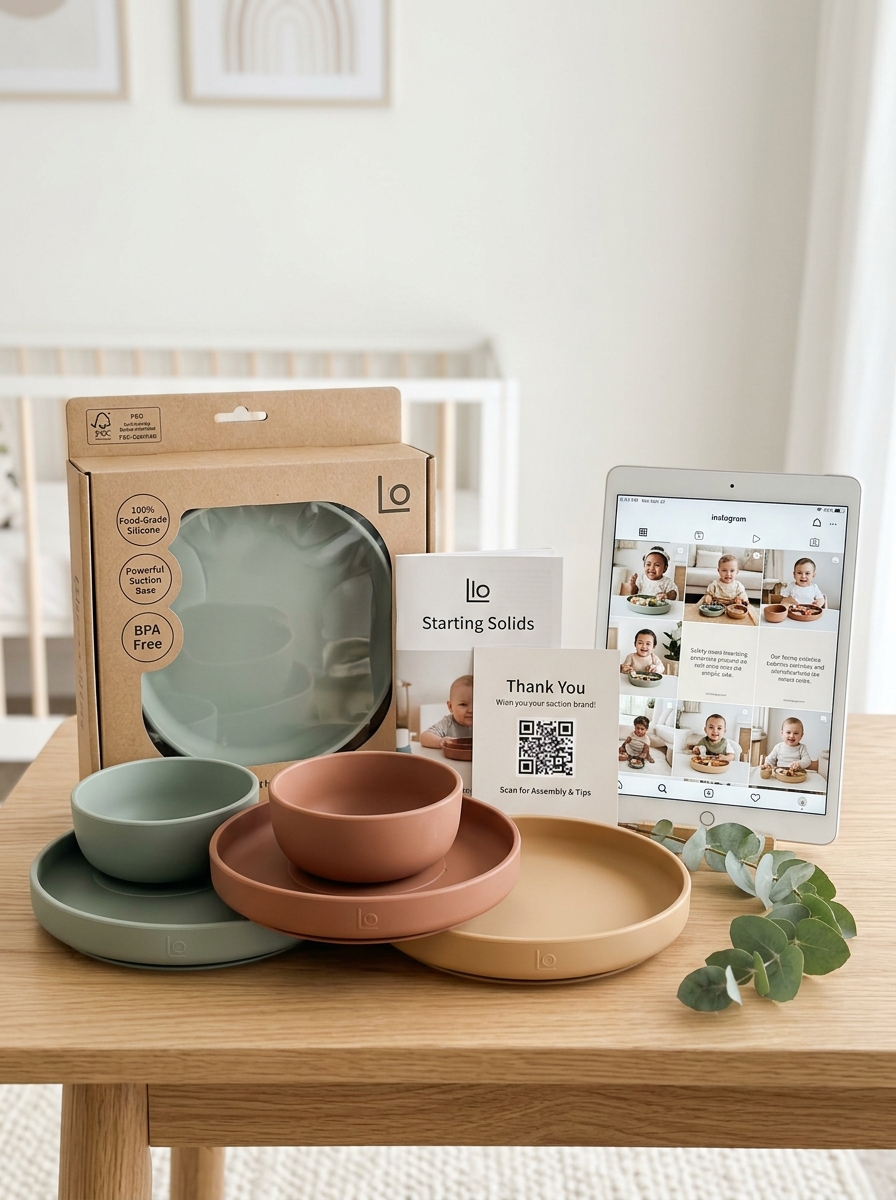
Mastering suction plate packaging design-frequently categorized under blister packaging-requires a sophisticated balance between structural protection and high-impact visual communication. For brands aiming to enhance product security while maximizing retail visibility, understanding the synergy between transparent thermoformed plastics and printed backer cards is essential.
Effective packaging goes beyond mere containment; it serves as a silent salesman on the shelf. By focusing on ergonomic forms and vibrant aesthetics, designers can create a tactile experience that resonates with consumers. This exploration delves into the core principles of material selection, seal integrity, and graphic hierarchy necessary to transform standard enclosures into premium brand assets. Whether optimizing for industrial hardware or delicate consumer electronics, prioritizing design precision ensures both functional durability and long-term market success.
The Evolution of Suction Plate Product Packaging
The packaging for suction plates has undergone a significant transformation, moving from basic plastic coverings to sophisticated, eco-friendly designs. Initially, functional protection during transit was the primary goal. However, as consumer demand for sustainability grew, manufacturers shifted toward recyclable cardboard and plastic-free alternatives to align with the non-toxic nature of the plates themselves.
Modern suction plate packaging now emphasizes transparency and branding. High-quality visual displays and clear labeling of safety certifications, such as BPA-free or food-grade silicone status, are standard. These advancements not only enhance shelf appeal but also provide essential information regarding suction strength and care instructions, reflecting a broader commitment to both environmental responsibility and consumer education in the juvenile products industry.
Defining the Target Audience and Brand Persona
Identifying the ideal customer for a suction plate involves focusing on parents and caregivers navigating the baby-led weaning (BLW) phase. This demographic seeks functional, BPA-free solutions to minimize mealtime messes and promote infant independence.
The brand persona should resonate as a supportive partner in child development-reliable, safety-conscious, and modern. By positioning the brand as an empathetic expert in stress-free dining, you connect with families prioritizing durability and ease of use. Whether targeting eco-conscious households or busy professionals, the messaging must emphasize how the strong suction base provides stability, fostering a positive sensory experience for toddlers. Defining these elements ensures that every marketing touchpoint aligns with the practical needs and emotional desires of modern guardians seeking high-quality feeding essentials.
Balancing Structural Integrity with Sustainable Materials
Modern suction plate manufacturing is undergoing a pivotal shift toward environmental responsibility without compromising operational performance. Achieving high structural integrity is essential, as these components must withstand intense vacuum pressure and heavy load capacities during automated material handling.
Engineers are now integrating sustainable materials, such as bio-based polymers, recycled high-grade aluminum, and eco-friendly elastomers, into their designs. By utilizing advanced composite reinforcement, these plates maintain the necessary rigidity and airtight sealing properties required for industrial safety. This evolution reduces the carbon footprint of production while ensuring long-term durability and wear resistance. Effectively balancing these factors allows industries to meet rigorous sustainability goals while maintaining the mechanical reliability essential for high-precision vacuum technology.
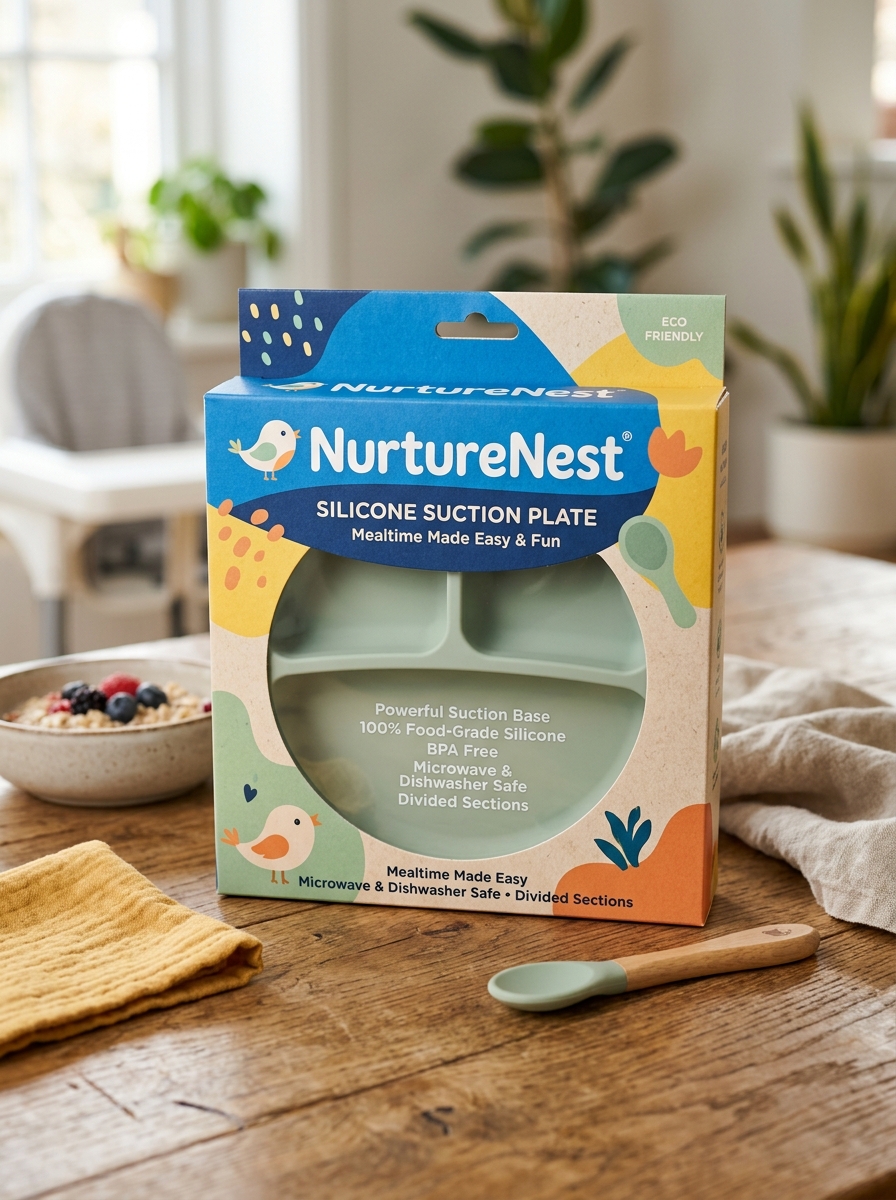
The Psychology of Color in Baby Product Design
The visual appeal of a suction plate is more than an aesthetic choice; it is a functional tool in infant development. Color psychology plays a significant role in sensory engagement and appetite stimulation. For example, vibrant hues like red and yellow are known to pique curiosity and encourage hunger, making them effective for picky eaters.
Conversely, many modern silicone suction plates utilize soft pastels or earthy tones to create a calming mealtime environment, reducing overstimulation. High-contrast colors help infants with developing eyesight distinguish their food from the dish, supporting fine motor skills and independent feeding. By choosing a thoughtfully colored suction plate, parents can influence a child's emotional response to new textures, turning daily nutrition into a positive, developmentally supportive experience.
Hierarchy of Information for Informed Purchasing
When selecting a suction plate, a structured hierarchy of information ensures a safe and functional purchase. The primary tier is material safety; buyers must prioritize food-grade, BPA-free silicone that is non-toxic and hypoallergenic.
The second tier focuses on suction performance. Information regarding the base diameter and surface compatibility (such as wood versus plastic) is critical to ensuring the plate remains securely anchored during toddler self-feeding.
Lastly, consider functional utility and maintenance. This includes features like divided compartments for portion control, contoured edges for easier scooping, and certifications for microwave or dishwasher safety. By following this hierarchy-safety, stability, and then convenience-consumers can make an informed decision that promotes a mess-free and developmental mealtime environment.
Designing for Tactile Interaction and Product Visibility
Optimizing a suction plate for tactile interaction involves utilizing premium, food-grade silicone to create a soft, non-slip surface. This material choice provides essential sensory feedback for toddlers, promoting fine motor skill development and safe self-feeding. The tactile engagement is reinforced by a robust suction base that ensures stability on various surfaces, preventing spills and reducing mealtime frustration.
Furthermore, product visibility is enhanced through ergonomic shapes and high-contrast color palettes. These design elements ensure the plate is visually stimulating for the child while maintaining a clean aesthetic for modern kitchens. By balancing physical grip with visual clarity, manufacturers create a functional feeding tool that stands out on retail shelves and supports developmental milestones through intuitive design.
Safety Certifications and Essential Regulatory Labeling
When selecting a suction plate for infant feeding, verifying safety certifications is paramount. High-quality plates are typically manufactured from 100% food-grade silicone, which must meet FDA (U.S.) or LFGB (European) standards. These benchmarks ensure the product is non-toxic and free from BPA, lead, and phthalates.
Essential regulatory labels to look for include the Children's Product Certificate (CPC) and compliance with EN 14372, the European standard for cutlery and feeding utensils. Additionally, the CE mark indicates adherence to health and safety requirements within the European Economic Area. Prioritizing these certifications guarantees that the material is chemically stable and mechanically durable, protecting your child from potential leaching and choking hazards during mealtime.
Enhancing User Experience with Functional Packaging Shapes
Functional packaging shapes for a suction plate prioritize both safety and intuitive usability. By integrating ergonomic contours, these plates simplify baby-led weaning and self-feeding milestones. The structural design often includes a reinforced silicone base that adheres firmly to flat surfaces, effectively preventing spills and messes during mealtime.
Optimized shapes also focus on portability and stackability, ensuring that parents can store or transport feeding essentials efficiently. These functional designs are typically crafted from food-grade, BPA-free materials, offering long-term durability alongside a sleek aesthetic. By blending form and utility, manufacturers enhance the overall user experience, making transitions to solid foods stress-free for both infants and caregivers. Selecting an anatomically correct shape ensures maximum suction efficiency and supports the development of fine motor skills.
Maximizing Visual Impact for Modern Retail Shelves
Suction plates are essential components for creating high-end, minimalist retail displays. By utilizing powerful vacuum technology, these fixtures secure glass or acrylic shelving to smooth surfaces without the need for unsightly hardware or permanent drilling. This creates a "floating" effect that maximizes product visibility and enhances the overall shopping experience.
Retailers leverage suction plates to optimize vertical space on windows and mirrors, drawing customer attention directly to featured merchandise. These versatile tools are perfect for seasonal promotions, allowing for rapid layout changes without damaging surfaces.
- Enhances product visibility through transparent mounting.
- Supports versatile, damage-free retail configurations.
- Maintains a sleek, modern aesthetic for luxury environments.
Investing in high-quality suction plates ensures stability for premium goods while maintaining the clean lines necessary for modern visual merchandising.
Future Innovations in Eco Friendly Feeding Gear Containers
The evolution of the suction plate is shifting toward a circular economy, prioritizing materials that are both highly durable and naturally biodegradable. Future innovations in eco-friendly feeding gear containers focus on plant-based polymers and algae-derived silicones that offer superior suction strength without the environmental impact of traditional petroleum-based plastics.
Upcoming advancements in sustainable baby dinnerware include:
- Bio-composite materials: Utilizing bamboo fibers and cornstarch for reinforced, toxin-free durability.
- Smart-sensing bases: Integration of natural temperature indicators within the suction seal to ensure food safety.
- Closed-loop manufacturing: Designing gear that is 100% compostable at the end of its lifecycle.
These innovations ensure that modern feeding solutions remain functional and safe while drastically reducing the carbon footprint of early childhood essentials.
Leave a comment