
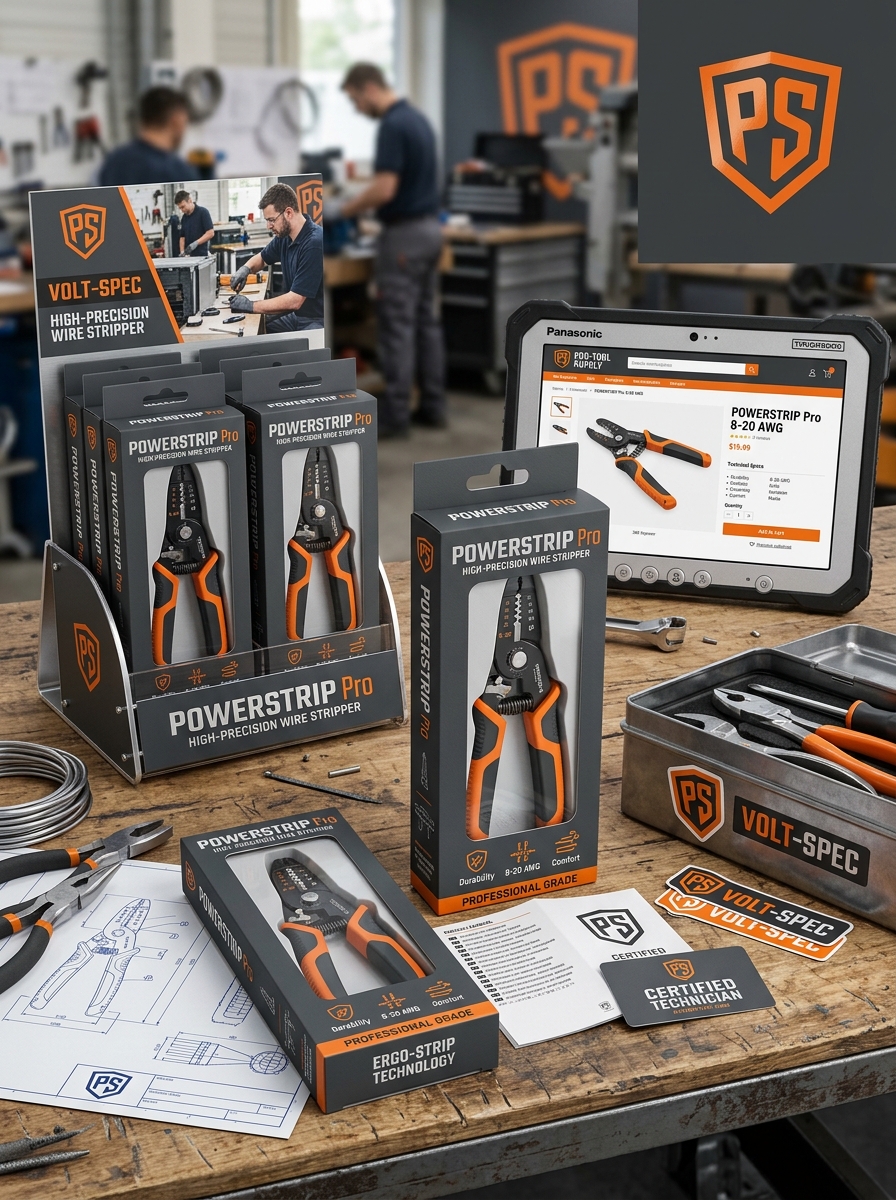
Effective wire stripper tool packaging design bridges the gap between rugged functionality and sophisticated industrial aesthetic principles. For modern manufacturers, packaging serves as a critical touchpoint, communicating structural integrity and precision engineering before the tool is even held. By integrating high-impact visual concepts with ergonomic structural layouts, brands can elevate a standard hardware utility into a premium professional instrument.
This exploration delves into the essential elements of hardware packaging, from durable material selection to the strategic use of high-contrast color palettes and transparency. Understanding the synergy between product protection and retail appeal is paramount for designers aiming to capture the attention of professional electricians and DIY enthusiasts alike. Leveraging contemporary industrial design trends ensures that tool packaging not only secures the product but also reinforces brand authority in the hardware marketplace.
The Evolution of Industrial Tool Packaging Aesthetics
Historically, wire stripper tool packaging prioritized raw utility over visual appeal, often utilizing plain cardboard or bulk industrial crates. However, as the market expanded toward DIY enthusiasts and professional contractors, packaging aesthetics underwent a significant transformation.
Modern packaging now integrates the following elements to balance form and function:
- High-Visibility Graphics: Bold typography and color-coding help users quickly identify wire gauge capacities and tool types.
- Transparent Blister Packs: These allow consumers to inspect the precision-ground blades and ergonomic handles before purchase.
- Sustainable Materials: A shift toward eco-friendly molded pulp and recyclable polymers reflects contemporary brand values.
Today, the aesthetic evolution of wire stripper packaging serves a dual purpose: reinforcing brand authority on retail shelves while providing essential technical specifications through intuitive, sophisticated design.
Defining the Visual Language of Professional Wire Strippers
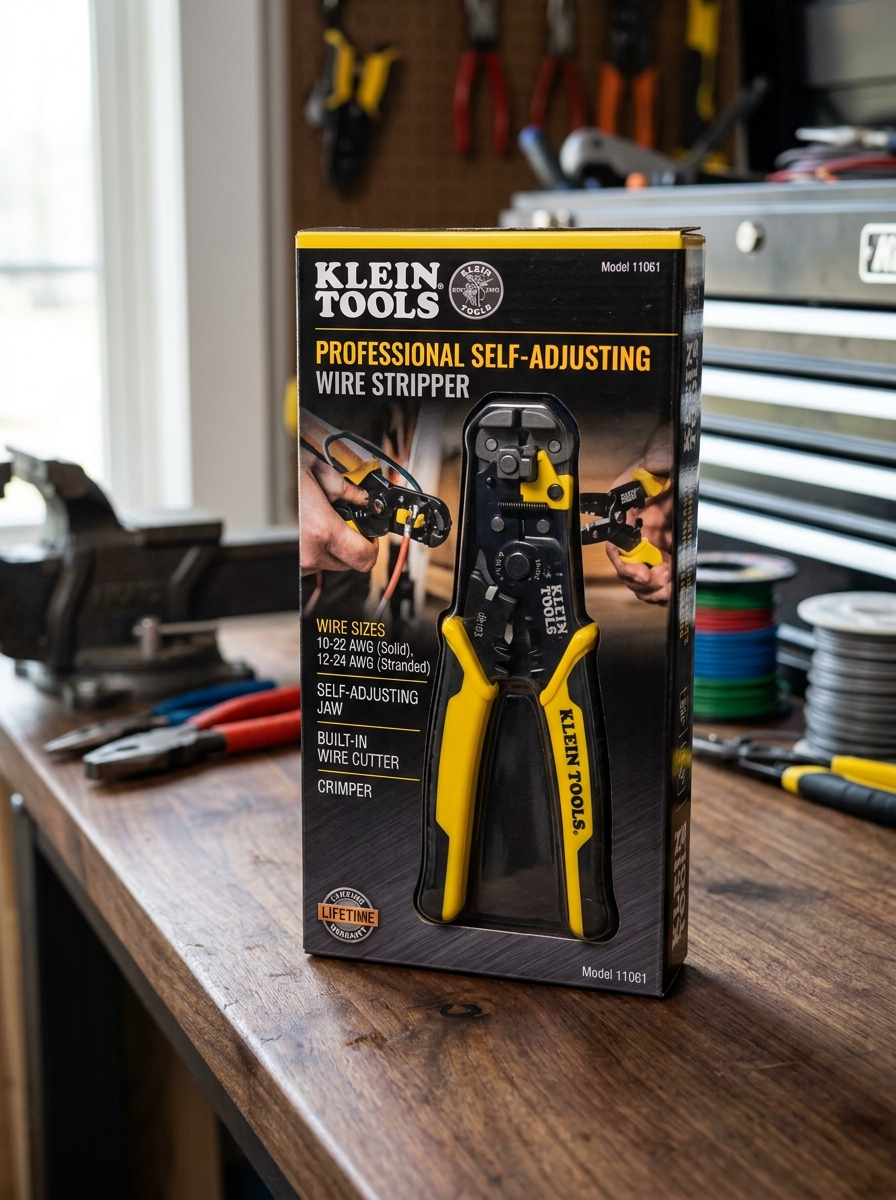
The visual language of a professional wire stripper balances industrial durability with ergonomic precision. High-quality tools are instantly recognizable by their forged steel construction and protective black oxide finishes, which signal longevity and corrosion resistance. A primary visual indicator of quality is the presence of laser-etched sizing guides, allowing technicians to identify AWG and metric measurements accurately.
Handle design further defines the professional aesthetic. Dual-material, contoured grips in high-visibility colors-such as industrial yellow, red, or blue-communicate safety and provide a non-slip texture. Additionally, integrated features like spring-loaded hinges and thumb-operated locking mechanisms contribute to a profile engineered for efficiency. This cohesive design ensures every visual element, from the precision-ground stripping holes to the ergonomic curvature, serves a specific functional purpose for electrical professionals.
Color Psychology and Brand Recognition in Hardware Design
In the tool industry, color psychology is a strategic bridge between user safety and brand identity. For wire stripper tools, high-visibility colors like vibrant yellow, neon green, and safety orange are essential for locating equipment quickly in low-light environments or cluttered workspaces.
Beyond visibility, iconic color schemes serve as a powerful medium for brand recognition. Leading manufacturers utilize signature palettes-such as specific shades of red, blue, or yellow-to signal professional-grade durability and technical precision. These visual cues allow tradespeople to instinctively associate a tool's color with its manufacturer's reputation for quality. Additionally, color-coded handles often differentiate between wire gauges or tool functions, streamlining workflows and reducing errors. This synergy of aesthetics and utility ensures that hardware design remains both functional and commercially distinct.
Typography Strategies for Technical Specification Clarity
Precision is paramount when detailing wire stripper tool capabilities. Implementing strategic typography ensures that technical specifications-such as AWG (American Wire Gauge) ranges and insulation ratings-are legible and actionable for electricians.
- Font Weight: Use bold headers for attributes like Stripping Capacity or Sheath Material to facilitate rapid visual scanning.
- Monospaced Numerals: Utilize monospaced fonts for numerical measurements (e.g., 0.5mm² to 6.0mm²) to maintain vertical alignment in technical tables.
- Hierarchical Scale: Distinguish between primary tool functions and secondary safety warnings using varied font sizes.
By optimizing line height and character spacing, manufacturers reduce "visual noise," allowing users to identify the correct stripping notch quickly, thereby preventing conductor damage and ensuring electrical safety.
Materiality and Structural Integrity for Heavy Duty Tools
Heavy-duty wire strippers rely on premium materials like high-carbon alloy steel or chrome vanadium to withstand repetitive mechanical stress. Structural integrity is achieved through precision forging and induction-hardened cutting edges, ensuring the tool maintains its sharpness and alignment over time.
Unlike standard models, industrial-grade strippers feature heat-treated steel bodies that prevent bending or warping under high pressure. Furthermore, the integration of corrosion-resistant coatings, such as black oxide, protects the internal grain structure from environmental degradation.
For professionals, the synergy between metallurgical density and reinforced pivot points translates to clean, nick-free insulation removal. Choosing a tool with robust materiality ensures that the stripping holes remain accurate, protecting copper conductors from accidental scoring during intensive electrical installations.
Ergonomic Representation Through Graphic Layouts
Ergonomic representation in wire stripper tools utilizes strategic graphic layouts to enhance user interface and safety. Graphic indicators, such as laser-etched AWG (American Wire Gauge) markings and color-coded handle zones, provide immediate visual feedback for precise operation. These layouts guide the user toward optimal hand positioning, effectively distributing gripping force to minimize repetitive strain injuries.
By integrating clear iconography on the tool's surface, manufacturers communicate functional pivot points and blade alignment. This visual mapping reduces cognitive load during high-volume electrical tasks. Well-designed graphic layouts transform the physical tool into an intuitive system, ensuring that users achieve consistent, damage-free insulation stripping. Ultimately, these visual elements are critical for marrying mechanical leverage with human physiology for superior tool performance and comfort.
Balancing Rugged Functionality with Modern Minimalism
A professional wire stripper tool must bridge the gap between heavy-duty performance and streamlined design. Rugged functionality is achieved through high-carbon steel blades and heat-treated components that ensure long-term durability for demanding electrical tasks. These tools handle various wire gauges with precision, often incorporating integrated cutters and looping holes for maximum utility.
Simultaneously, modern minimalism focuses on ergonomic efficiency. Contemporary designs eliminate unnecessary bulk, utilizing lightweight composite handles and intuitive spring-loaded mechanisms. This minimalist approach reduces hand fatigue during repetitive stripping and fits seamlessly into compact toolkits. By prioritizing clean lines and focused mechanics, the latest wire strippers provide a sophisticated user experience without compromising the raw strength required for industrial environments. This balance ensures both high-tier performance and effortless portability for electricians and DIY enthusiasts alike.
Visual Hierarchy and Feature Prioritization for Retail Impact
To maximize retail conversion for a wire stripper tool, packaging design must employ a strategic visual hierarchy. The most critical information-specifically the AWG size range and material compatibility-should occupy the primary focal point. High-contrast typography ensures professional electricians can verify tool specifications at a glance.
Feature prioritization should highlight the following key selling points to drive consumer interest:
- Precision Stripping: Sharp, laser-etched markings for accurate wire gauging.
- Ergonomics: Non-slip, cushioned handles designed for repetitive use and fatigue reduction.
- Multi-functionality: Integrated capabilities such as wire looping, shearing, and crimping.
By organizing these elements logically, manufacturers reduce cognitive load for the buyer. Emphasizing high-carbon steel durability and spring-loaded mechanisms through iconography further establishes perceived value, distinguishing professional-grade equipment from entry-level alternatives on the shelf.
Sustainable Packaging Materials in the Industrial Sector
The industrial sector is rapidly transitioning toward eco-friendly logistics to reduce its environmental footprint. For precision equipment like the wire stripper tool, manufacturers are replacing traditional plastic blister packs with sustainable packaging materials such as recycled cardboard and biodegradable molded pulp.
These robust alternatives provide necessary impact resistance for heavy-duty hand tools while ensuring 100% recyclability. By incorporating soy-based inks and plastic-free inserts, the electrical tool industry meets the growing demand for corporate social responsibility.
Adopting these green solutions allows companies to protect high-quality professional tools during transit while aligning with global carbon reduction goals. This shift not only supports a circular economy but also appeals to eco-conscious contractors looking for high-performance tools delivered in environmentally responsible packaging.
Future Trends in Interactive and Smart Tool Packaging
The landscape of wire stripper packaging is evolving through digital integration to improve user precision and safety. Manufacturers are shifting toward smart packaging solutions that transform traditional boxes into interactive learning hubs.
- Augmented Reality (AR): Users can scan the box to view 3D tutorials on adjusting blade tension for different wire gauges.
- NFC and QR Integration: These provide instant access to digital manuals and safety protocols, eliminating the need for bulky paper inserts.
- Blockchain for Authenticity: Embedded tags allow professionals to verify the metallurgical quality and origin of their wire stripping tools.
- Eco-Friendly Connectivity: Sustainable materials are being paired with minimalist designs that use smartphone interfaces for product registration and warranty tracking.
These innovations ensure that electricians and DIYers achieve optimal results while promoting long-term tool maintenance and brand engagement.
Leave a comment