
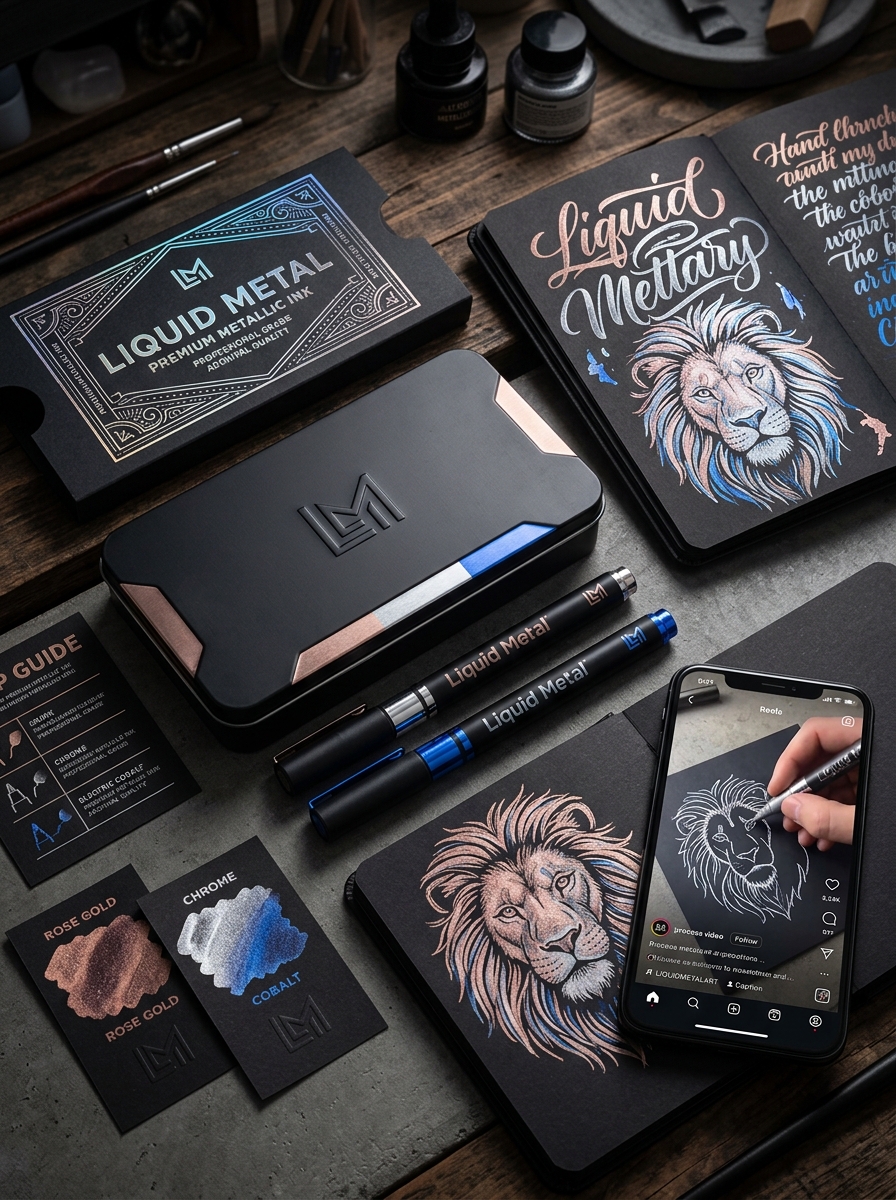
Metallic marker packaging design serves as the primary touchpoint between a brand and a creator, bridging the gap between functional protection and visual allure. Modern aesthetic trends favor a sophisticated fusion of minimalist layouts and high-end finishes, such as foil stamping or matte textures, which mirror the lustrous quality of the pigments within. This visual synergy is vital for capturing attention where tactile experiences and premium presentation drive consumer choice.
Beyond the surface, the conceptual essentials of effective packaging focus on structural integrity and ink preservation. High-performance markers require light-shielding materials and airtight closures to prevent drying and pigment settling. By integrating ergonomic storage solutions with cohesive brand storytelling, manufacturers can satisfy the dual demand for professional-grade utility and luxury shelf appeal. Understanding these design pillars is crucial for defining the next generation of premium artistic supplies.
Evolution of Metallic Marker Aesthetics
The aesthetic journey of metallic markers has transitioned from dull, industrial labeling tools to high-performance artistic instruments. Early iterations relied on coarse, solvent-based pigments that often lacked true reflectivity and were prone to fading. However, advancements in chemical engineering introduced ultra-fine aluminum and mica particles, enabling the brilliant luster and fluid flow seen in modern ink.
Innovation has now shifted toward liquid chrome effects and high-pigment opacity, allowing for a mirrored finish even on dark, non-porous surfaces. While traditional silver and gold remain staples, the contemporary palette has expanded to include sophisticated iridescent hues like rose gold, copper, and bronze. This evolution reflects a growing demand for professional-grade sheen and archival permanence in calligraphy, bullet journaling, and mixed-media art, ensuring vibrant results across diverse textures.
The Psychology of Reflective Packaging Surfaces
The psychology of reflective packaging surfaces explains why metallic markers are vital for effective branding and design. Human biology is evolutionarily programmed to notice shimmering objects, a trait rooted in the ancestral search for water. When consumers encounter the high-shine finish produced by metallic ink, it triggers an immediate orienting response, significantly increasing shelf visibility.
Beyond capturing attention, reflective surfaces are psychologically associated with luxury and prestige. Utilizing metallic markers to accent logos or borders creates a "premium" perception, suggesting higher value and craftsmanship. This visual brilliance stimulates dopamine release, encouraging longer consumer engagement. By mimicking precious metals like gold and silver, these markers leverage cognitive associations with wealth and durability. Incorporating reflective elements is a strategic psychological tool used to command focus and evoke a positive emotional connection in a competitive marketplace.
Balancing Minimalism and High-Shine Visuals
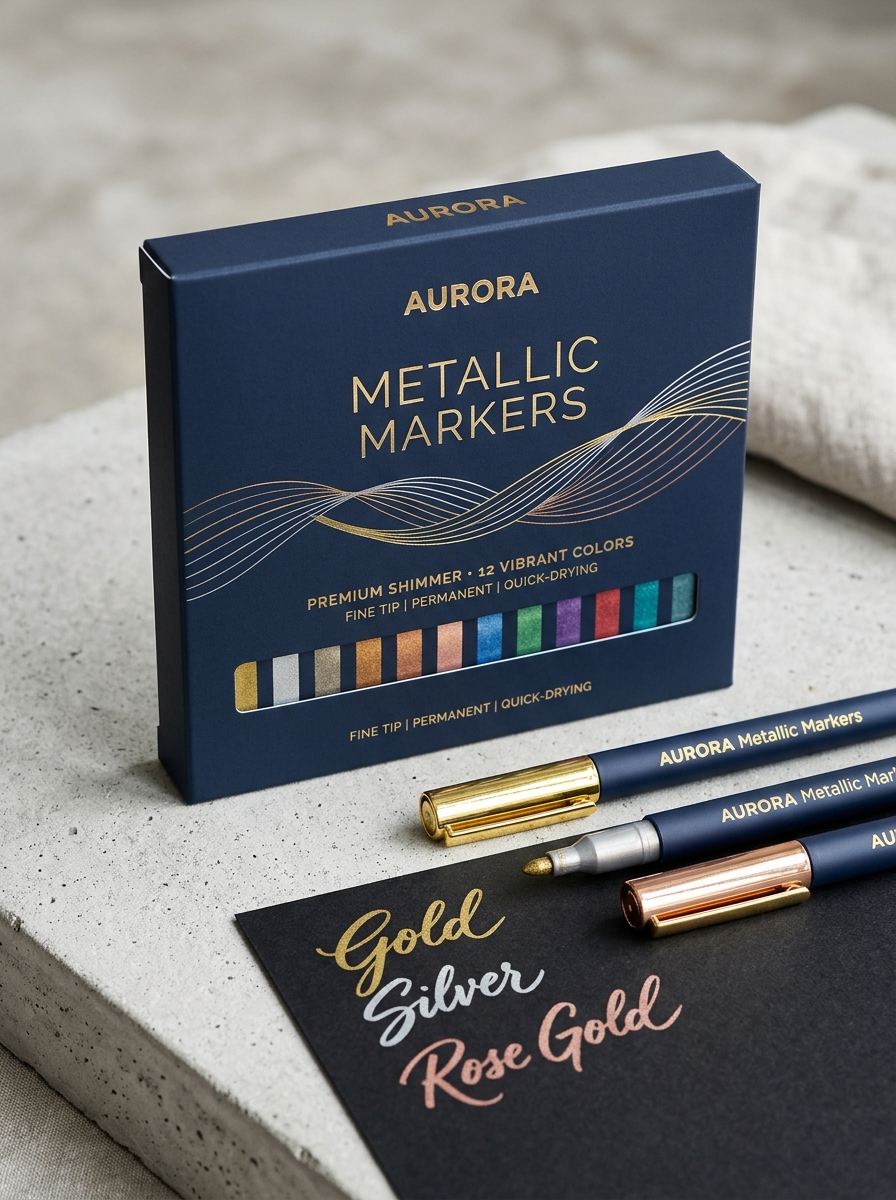
Achieving a sophisticated aesthetic with metallic markers requires a delicate balance between understated minimalism and bold, reflective impact. In modern design, the "less is more" philosophy thrives when paired with high-shine accents. Using metallic ink-such as gold, silver, or copper-allows artists to create focal points that catch the light without cluttering the visual field.
To master this equilibrium, focus on intentionality. Use fine-point metallic markers for delicate line work, borders, or hand-lettering against neutral, matte backgrounds. This contrast emphasizes the shimmer of the pigment while maintaining clean, negative space. Whether you are enhancing professional stationery or minimalist illustrations, the key is restraint. By integrating subtle metallic highlights, you elevate simple compositions into premium, luminous works of art that bridge the gap between subtle elegance and high-impact brilliance.
Strategic Use of Foil Stamping and Tactile Finishes
Incorporating metallic markers into design projects allows creators to simulate the high-end appearance of foil stamping and tactile finishes. This strategic application enhances visual hierarchy by creating light-reflecting focal points that command immediate attention. While foil stamping provides a brilliant, mirror-like sheen associated with luxury branding, tactile elements introduce a three-dimensional physical texture that engages the viewer's sense of touch.
By utilizing metallic ink to mimic these professional printing techniques, you can elevate the perceived value of packaging, invitations, or fine art. These finishes are not merely decorative; they serve a functional purpose by guiding the eye and creating a multisensory experience. Implementing these reflective and textured layers ensures a sophisticated, premium aesthetic that distinguishes your work in a competitive marketplace.
Color Theory for Shimmering Ink Palettes
Mastering metallic markers requires understanding how light interacts with suspended reflective pigments. Unlike standard matte inks, metallic palettes rely on specular reflection to define depth and dimension. To create professional-grade art, apply these fundamental color theory principles:
- Complementary Contrast: Use high-contrast pairings, such as warm gold against deep navy or cool silver against rich burgundy, to make highlights pop.
- Analogous Blending: Layering bronze, copper, and rose gold creates sophisticated, monochromatic gradients that mimic natural metallic luster.
- Substrate Dynamics: Metallic inks are typically opaque. On dark surfaces, they achieve maximum luminosity; on light surfaces, they provide a delicate, pearlescent finish.
By balancing color temperature and reflective brilliance, you can control the visual weight and focal points of your shimmering designs, ensuring a balanced and luxurious aesthetic.
Sustainable Materials in Stationery Packaging
As the demand for premium metallic markers grows, manufacturers are prioritizing eco-friendly packaging to reduce their environmental footprint. Transitioning away from single-use plastics, many brands now utilize recycled cardboard and FSC-certified paper to house their art supplies.
Key innovations in sustainable stationery include:
- Biodegradable Inserts: Replacing plastic trays with molded pulp to secure markers safely.
- Soy-Based Inks: Using non-toxic, vegetable-based inks for vibrant packaging prints.
- Minimalist Design: Reducing material volume to decrease shipping weight and carbon emissions.
By choosing metallic markers in plastic-free packaging, artists can enjoy high-shimmer pigments while supporting a circular economy. These sustainable practices ensure that high-quality creative tools align with modern environmental standards and responsible sourcing.
Functional Design and User-Centric Unboxing
Premium metallic markers are engineered with a focus on both ergonomics and immediate usability. The functional design typically features hexagonal or rubberized barrels to prevent hand fatigue and anti-roll caps that keep tools secure on tilted work surfaces. Whether utilizing a precision bullet tip or a flexible brush nib, the internal valve systems ensure a consistent, clog-free flow of shimmering, high-opacity pigment.
A user-centric unboxing experience elevates the product from a simple tool to a professional asset. High-quality sets arrive in organized, reusable cases that protect the archival ink from dehydration while facilitating easy color identification. By prioritizing intuitive priming sequences and clear instructional labeling, manufacturers ensure that artists can transition from opening the package to creating vibrant, lightfast designs on dark paper, glass, or metal without delay.
Tailoring Visual Identity to Artistic Demographics
Establishing a compelling visual identity for metallic markers requires a strategic understanding of diverse artistic demographics. Professional illustrators, calligraphers, and DIY hobbyists each seek specific attributes, ranging from pigment archival quality to ease of use on non-porous surfaces.
To resonate with these segments, brands must align their aesthetic presentation with consumer expectations. For example, professional-grade markers benefit from sleek, minimalist packaging that highlights technical precision and lightfastness. In contrast, products aimed at the crafting community often feature vibrant, energetic designs that emphasize creativity and shimmer.
By tailoring visual storytelling-including typography and color palettes-to match the aspirations of each demographic, manufacturers can bridge the gap between functional utility and emotional appeal. This targeted approach ensures that the metallic ink's unique reflective properties are marketed effectively to the right creative audience.
Modern Typography Trends for Premium Markers
Modern typography has evolved into a tactile experience, with metallic markers at the forefront of this luxury shift. Current trends emphasize hand-lettering and faux calligraphy, where the reflective properties of gold, silver, and bronze inks add sophisticated dimension to brand identities and artisanal stationery.
Designers are increasingly leveraging these premium tools for specific aesthetic movements, including:
- Industrial Minimalism: Using fine-point metallic pens for clean, architectural lines on dark cardstock.
- Maximalist Shimmer: Layering high-pigment ink to create embossed, 3D effects.
- Organic Script: Utilizing brush-tip markers for fluid, shimmering strokes that mimic traditional ink and quill work.
These trends highlight the demand for high-opacity, quick-drying formulas that ensure a streak-free, professional finish, allowing contemporary artists to blend traditional craftsmanship with modern, radiant flair.
The Future of Interactive Metallic Branding
Metallic markers are revolutionizing the landscape of interactive metallic branding by offering unparalleled versatility in product design and consumer engagement. These high-performance tools utilize advanced, pigment-rich metallic inks to create reflective, high-contrast finishes that demand immediate attention.
In the realm of premium packaging, these markers enable brands to implement real-time customization and tactile engagement. This approach transforms static logos into dynamic elements of a unique brand identity. By leveraging the brilliant shimmer of gold, silver, and liquid chrome, businesses can significantly enhance the perceived value of limited edition releases. As modern marketing shifts toward sensory-driven experiences, the precision and durability of industrial-grade metallic markers ensure they remain a cornerstone of bespoke creative marketing strategies and innovative industrial design.
Leave a comment