
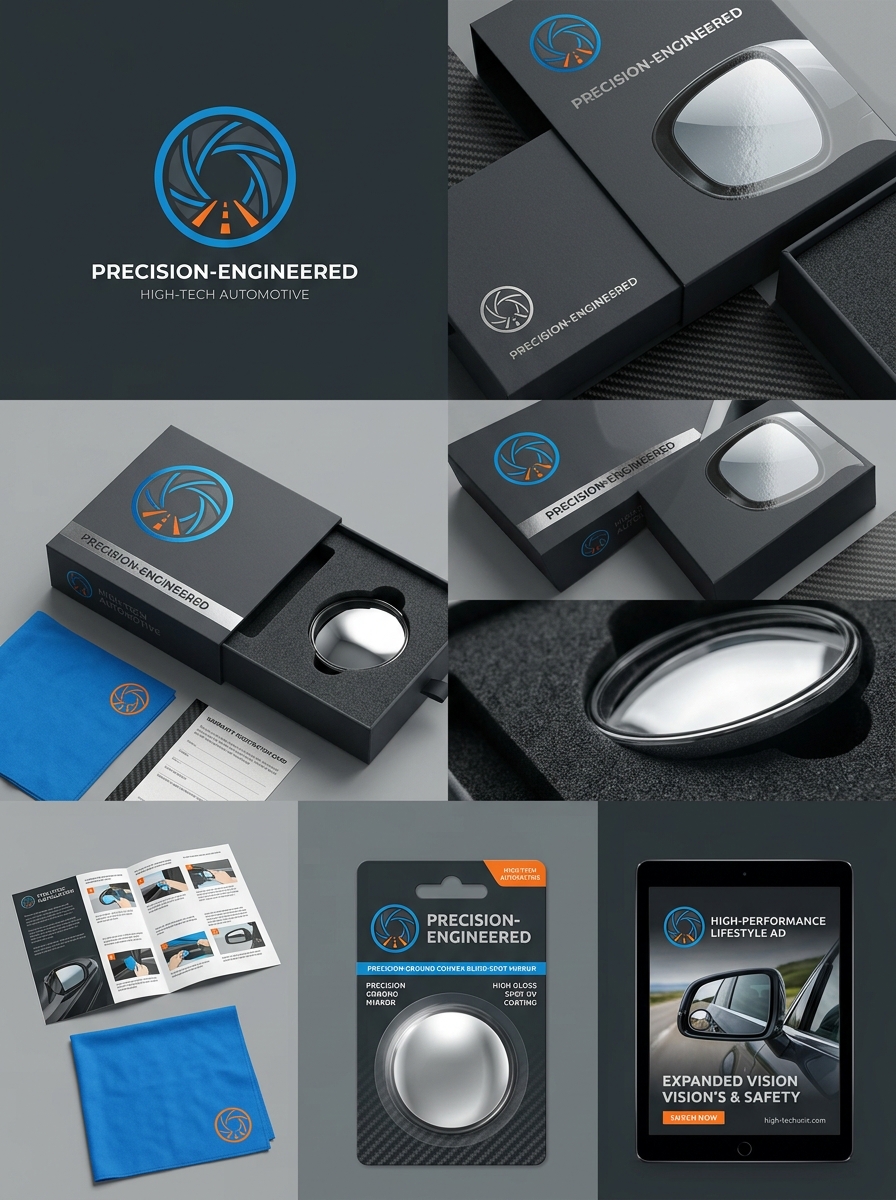
Effective blind spot mirror packaging design serves as a critical touchpoint between functional automotive safety and retail shelf appeal. Because these mirrors are essential for driver awareness, their packaging must communicate clarity, ease of installation, and reliability at a glance. Balancing minimalist aesthetics with structural integrity ensures the product is protected while its visual identity resonates with safety-conscious consumers.
By integrating high-contrast typography, intuitive instructional diagrams, and premium material finishes, designers can elevate the perceived value of these safety components. This guide explores the essential conceptual guidelines and aesthetic standards required to create impactful packaging that reinforces brand authority and enhances the user experience within the automotive aftermarket.
Defining the Visual Identity of Blind Spot Mirror Packaging
The visual identity of blind spot mirror packaging must prioritize safety and functional clarity. As essential automotive safety upgrades, the packaging design utilizes high-contrast color schemes-typically incorporating bold yellows, oranges, or blues-to evoke a sense of professional reliability and caution. Key visual elements include high-resolution graphics that demonstrate the wide-angle field of view provided by the convex lens.
To optimize for consumer trust, the identity often features instructional diagrams and icons highlighting attributes like 360-degree rotation and waterproof adhesive backing. Transparent window cutouts are frequently used, allowing customers to inspect the mirror's glass quality and curvature. By balancing sleek branding with technical information, the packaging effectively communicates how these mirrors minimize driving risks, ensuring the product stands out as a premium safety solution in the automotive market.
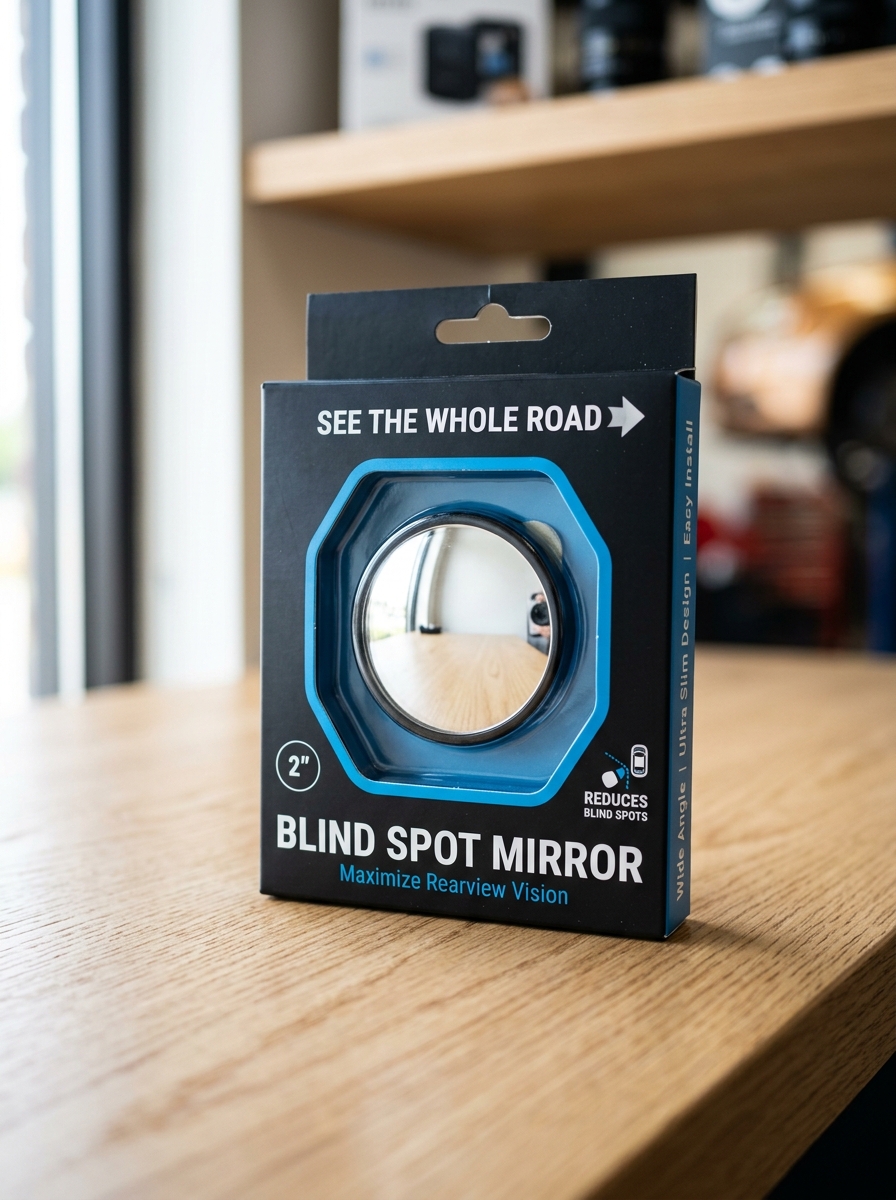
Prioritizing Product Visibility Through Die-Cut Windows
In the automotive safety market, blind spot mirrors rely on physical clarity and curvature to prove their value. Packaging featuring die-cut windows offers a strategic advantage by providing direct product visibility. This allows consumers to inspect the convex glass quality and mirror dimensions before purchasing, ensuring perfect compatibility with their vehicle's side-view mirrors.
By integrating these transparent openings, brands foster consumer trust and significantly reduce return rates. Shoppers can verify the build quality and adhesive mounting hardware, which are critical for long-term road safety. This tactile and visual interaction bridges the gap between the packaging and the product, making the functional benefits of the wide-angle mirror immediately apparent. Ultimately, die-cut windows enhance the retail experience, positioning the product as a premium, reliable solution for eliminating driving blind spots.
Leveraging High-Contrast Typography for Quick Recognition
In automotive safety design, high-contrast typography is essential for the effectiveness of blind spot mirror systems. By utilizing bold fonts and distinct color pairings-such as amber or white text against dark backgrounds-manufacturers ensure that visual warnings are instantly legible. This clarity facilitates quick recognition, allowing drivers to process critical information in a fraction of a second without losing focus on the road ahead.
Optimizing the legibility of etched warnings or integrated LED indicators reduces cognitive load during high-stress maneuvers. High-contrast elements minimize the impact of glare and low-light conditions, ensuring that "Objects in mirror are closer than they appear" or proximity alerts remain visible. Implementing these semantic design principles in blind spot mirrors significantly improves driver reaction times, effectively reducing the risk of side-swipe accidents and enhancing overall vehicle safety.
Integrating Minimalist Graphics and Safety Iconography
Modern blind spot mirrors leverage minimalist graphics and intuitive safety iconography to drastically enhance driver reaction times. By stripping away visual clutter, these mirrors focus on high-contrast symbols-such as lane departure indicators or proximity alerts-that are instantly recognizable at a glance.
This design philosophy prioritizes cognitive clarity, ensuring drivers interpret potential hazards in their peripheral vision without distraction. Incorporating universal icons, such as a vehicle silhouette in a danger zone, bridges the gap between hardware and human psychology. These semantic visual cues reinforce situational awareness, transforming a standard convex lens into a proactive safety tool.
Ultimately, integrating these clean graphics minimizes "eye-to-brain" processing lag, making lane changes significantly safer through clear, symbolic communication of real-time road conditions.
Material Selection for Durability and Structural Integrity
The longevity of a blind spot mirror depends significantly on its construction materials. To ensure maximum structural integrity, high-quality housings are often crafted from reinforced ABS plastic or corrosion-resistant aluminum. These materials offer essential protection against UV radiation, thermal expansion, and physical impacts from road debris.
For the reflective surface, high-definition (HD) glass is the preferred choice, providing superior scratch resistance and optical clarity compared to acrylic alternatives. Premium models often feature vacuum-plated coatings to prevent oxidation and fogging. Furthermore, the integration of automotive-grade 3M adhesive or robust mechanical brackets ensures the mirror remains securely attached despite constant engine vibrations and extreme weather. Prioritizing these durable materials guarantees that the mirror maintains its positioning and reflective quality, enhancing long-term driver safety.
Color Psychology in Automotive Aftermarket Design
In automotive aftermarket design, color psychology plays a vital role in driver perception and safety. For blind spot mirrors, the color of the housing and trim is not merely aesthetic; it influences how quickly a driver identifies a visual aid during high-speed maneuvers.
Most blind spot mirrors utilize chrome or black finishes. Chrome offers a seamless OEM (Original Equipment Manufacturer) look, integrating with the side mirror to reduce visual clutter and cognitive load. Conversely, black housings provide a sleek, non-reflective border that helps the human eye focus strictly on the reflected image, minimizing peripheral distractions.
By applying psychological principles to vehicle safety accessories, manufacturers enhance situational awareness. Choosing the right color ensures that these tools remain intuitive, helping drivers monitor their blind zones effectively while maintaining the vehicle's design harmony.
Strategic Information Hierarchy for Consumer Decision Making
Optimizing the consumer journey for blind spot mirrors requires a structured information hierarchy that prioritizes safety and compatibility. Decision-making typically follows this semantic flow:
- Core Functionality: High-definition convex lenses and 360-degree adjustability for maximum visibility.
- Technical Specifications: Material quality (real glass vs. plastic), waterproof ratings, and adhesive durability (e.g., 3M backing).
- Vehicle Compatibility: Universal fitment versus specialized designs for trucks, SUVs, or motorcycles.
- Installation & Aesthetics: Frameless designs for a seamless look and simple stick-on application processes.
By organizing data from critical safety benefits to secondary design features, brands align with the consumer's cognitive path, reducing friction and increasing conversion for automotive safety accessories.
Sustainable Packaging Solutions for Modern Auto Accessories
As the automotive industry evolves, manufacturers are redesigning how safety essentials like blind spot mirrors are delivered. Modern packaging solutions now prioritize sustainability, replacing traditional single-use plastics with eco-friendly alternatives to significantly reduce environmental footprints.
Current sustainable packaging trends for automotive accessories include:
- Recycled Materials: Utilizing post-consumer cardboard and biodegradable molded pulp.
- Protective Engineering: Ensuring convex glass mirrors remain scratch-free during transit without the need for excessive plastic foam.
- Minimalist Design: Reducing shipping volume to lower carbon emissions during distribution.
By selecting blind spot mirrors housed in recyclable materials, drivers support responsible manufacturing while enhancing their road visibility. This shift toward green packaging reflects a dual commitment to driver safety and global environmental stewardship.
Enhancing the Unboxing Experience for Precision Mirrors
The unboxing journey for premium blind spot mirrors is a critical touchpoint that reflects the quality of the optics within. To ensure driver safety, precision-engineered convex lenses must arrive in pristine condition, free from micro-scratches or structural defects. A superior packaging design utilizes custom-fit foam inserts and protective films to safeguard the high-definition glass during transit.
Beyond protection, an optimized unboxing experience includes essential installation components such as industrial-grade 3M adhesive, surface preparation wipes, and intuitive placement guides. Providing a comprehensive kit ensures a secure, vibration-resistant fit on side-view mirrors. By focusing on these tactile details, manufacturers reinforce the reliability of their safety equipment, giving drivers immediate confidence in their new automotive upgrade for enhanced road visibility.
Harmonizing Brand Consistency Across Retail Environments
Maintaining a unified brand identity for blind spot mirrors across diverse retail channels is essential for building consumer trust and recognition. Whether positioned in physical automotive aisles or featured on digital marketplaces, the visual presentation must remain seamless to ensure a professional brand image.
Key strategies for achieving this synergy include:
- Standardized Packaging: Utilizing consistent logos, color schemes, and safety certifications across all product variations.
- Uniform Messaging: Highlighting core features such as wide-angle convex glass and 360-degree adjustability consistently across all platforms.
- Cohesive Merchandising: Implementing synchronized point-of-purchase displays that reinforce the brand's commitment to vehicle safety.
By aligning brand assets, manufacturers ensure that drivers can easily identify their high-quality convex mirrors, regardless of the retail environment, ultimately driving brand loyalty and conversion rates in the competitive automotive accessory market.
Leave a comment