
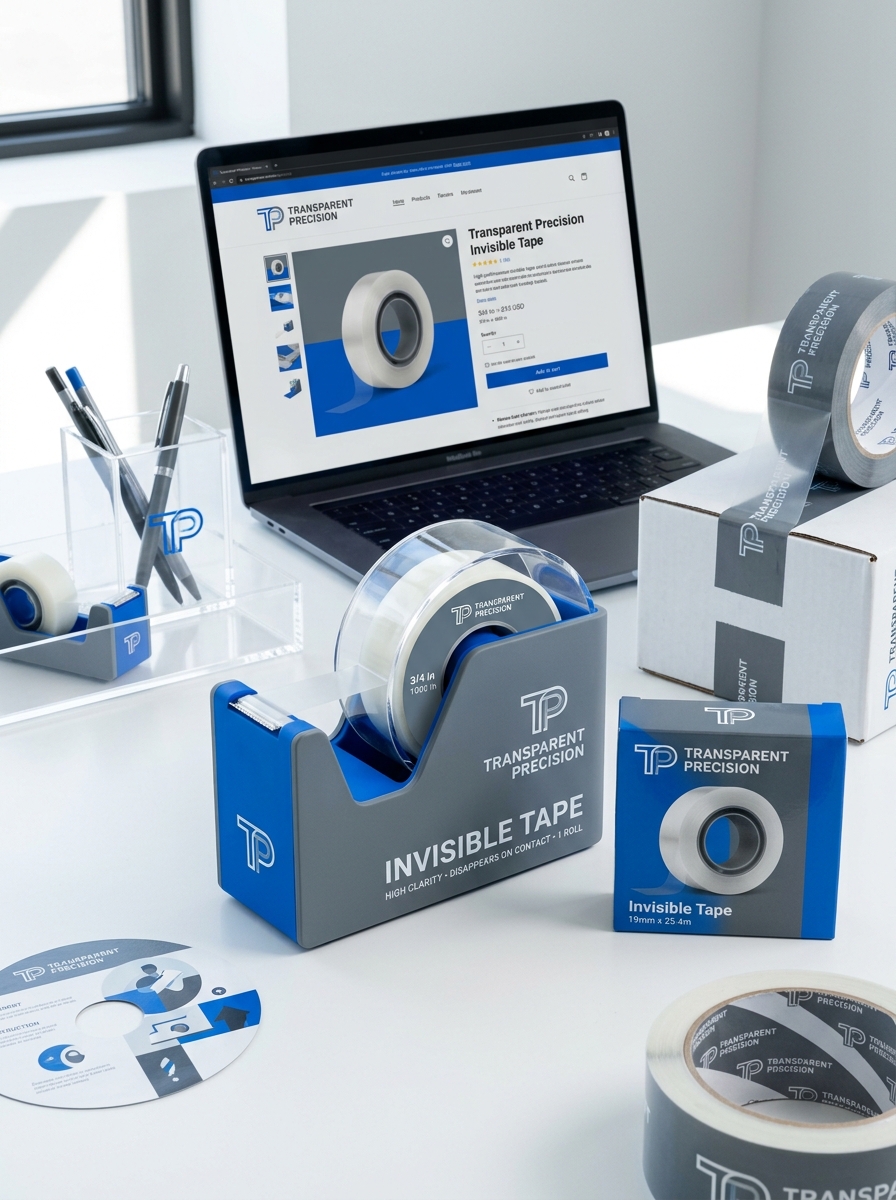
Mastering clear tape packaging design requires a sophisticated blend of functional utility and visual aesthetics. As a versatile medium, transparent adhesive tape offers a unique opportunity for brands to communicate their identity while maintaining product visibility. Effective design hinges on understanding how transparency, ink opacity, and repeat patterns interact to create a cohesive brand experience.
By prioritizing clarity and typographic precision, designers can transform a standard shipping necessity into a powerful marketing asset. This exploration covers essential concepts, from managing core dimensions to optimizing graphic placement for the unboxing process. Focusing on these fundamental principles ensures that your custom tape designs not only secure packages but also elevate the overall perception of the product within the modern logistics landscape.
The Evolution of Clear Tape Packaging Aesthetics
The visual identity of clear tape has transitioned from utilitarian industrial roots to sophisticated consumer branding. Early adhesive products were often housed in metal tins or bulky cast-iron dispensers, prioritizing durability over shelf appeal. As the retail market expanded, iconic brands introduced recognizable motifs, such as the famous red plaid pattern, cementing the handheld plastic dispenser as a household staple.
Today, clear tape packaging focuses on minimalist design and sustainability. Manufacturers utilize transparent casing to showcase product clarity, while outer sleeves feature high-contrast typography and eco-friendly cardboard. This aesthetic shift reflects a move toward ergonomic shapes and premium finishes, ensuring that stationery tools serve both functional needs and modern office decor trends. Enhanced visibility and recycled materials now dominate the competitive landscape of modern adhesive solutions.
Understanding Material Transparency and Optical Clarity
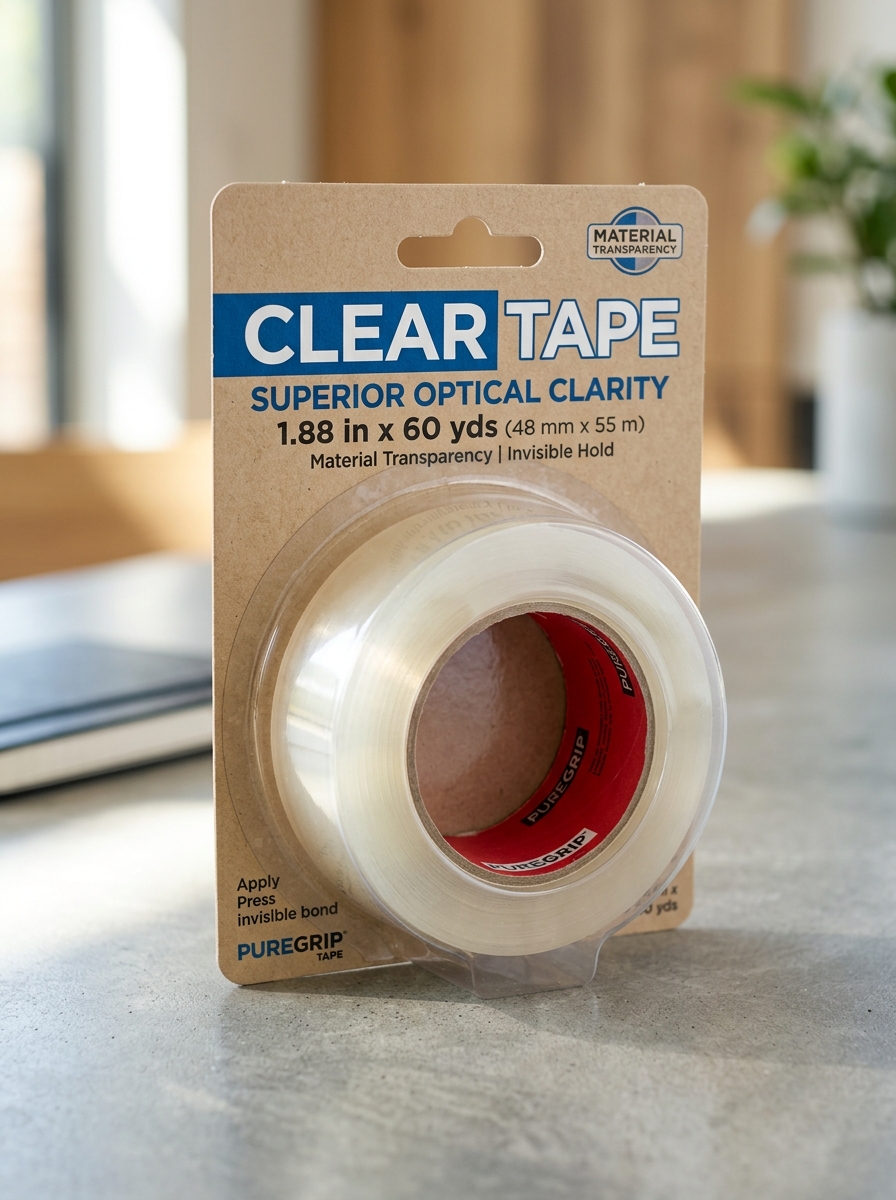
The effectiveness of clear tape depends on two critical factors: transparency and optical clarity. Transparency refers to the material's ability to allow light transmission without significant absorption. Most high-quality pressure-sensitive tapes utilize BOPP (Biaxially Oriented Polypropylene) or cellulose films, which are engineered for maximum light passage.
Optical clarity defines the sharpness of the image viewed through the tape. To achieve a "disappearing" effect on surfaces, manufacturers apply specialized acrylic or synthetic rubber adhesives that match the refractive index of the film. This reduces light scattering at the interface, ensuring the tape remains virtually invisible. Whether for retail packaging or document repair, superior clarity ensures that text and graphics beneath the adhesive remain perfectly legible and undistorted, providing a professional, seamless finish.
Branding Strategies for Transparent Adhesive Surfaces
Leveraging clear tape as a branding medium transforms functional packaging into a high-visibility marketing tool. Effective strategies focus on custom printed tape solutions where logos, slogans, and corporate colors are applied directly to the transparent film. This approach ensures brand recognition without obscuring the product or primary packaging design.
- Surface Printing: Utilizing flexographic techniques for vibrant imagery on BOPP or acrylic substrates.
- Core Branding: Printing identity markers on the internal cardboard roll for consistent professional aesthetics.
- Tamper Evidence: Integrating security features with brand elements to build consumer trust.
By optimizing the clarity and adhesive quality of transparent surfaces, businesses enhance the unboxing experience. These semantic branding tactics reinforce brand recall and perceived value throughout the global supply chain, ensuring a professional finish on every shipment.
Typography and Color Contrast on Clear Films
Achieving optimal legibility on clear tape requires strategic design choices. Because the substrate is transparent, typography must maintain high color contrast against both the film and the underlying packaging. Designers should prioritize opaque inks-such as bold blacks, crisp whites, or vibrant primary colors-to prevent the text from "disappearing" when applied to various surfaces.
When selecting fonts, sans-serif typefaces with medium to heavy weights are preferred. These styles offer cleaner lines that remain sharp during the flexographic or digital printing process on polypropylene or polyester films. To ensure maximum brand visibility, consider the destination surface: white ink provides superior visibility on standard kraft corrugated cardboard, while dark text excels on white poly mailers or light-colored boxes.
The Core Design Maximizing Internal Branding Real Estate
The central core of clear tape serves as more than just a structural support; it represents premium marketing real estate. By utilizing the inner ring for custom branding, businesses can maintain brand visibility throughout the entire lifecycle of the product. This design strategy allows logos and corporate colors to remain prominent even as the adhesive material is depleted.
Maximizing this internal space ensures that every roll acts as a silent brand ambassador. Whether through printed paper cores or branding visible through the transparent adhesive layers, this approach enhances professional presentation. Utilizing this often-overlooked area transforms a functional shipping tool into a strategic packaging solution that reinforces brand recall and differentiates products in a competitive marketplace without compromising the tape's clarity or performance.
Integrating Graphic Patterns and Repeating Motifs
Integrating graphic patterns and repeating motifs into clear tape transforms a standard utility into a versatile branding and security tool. Using advanced printing technologies like flexography, manufacturers apply high-definition logos, geometric designs, or instructional text directly onto transparent polypropylene or polyester substrates.
These repeating motifs are precisely engineered to maintain visual consistency across the entire roll. By utilizing specialized UV-cured or solvent-based inks, the patterns remain crisp and vibrant without obscuring the underlying product or compromising the adhesive's integrity. This integration is essential for businesses seeking a professional aesthetic while maintaining the functional benefits of transparency.
Beyond aesthetics, patterned clear tape serves practical purposes, such as tamper-evidence and inventory categorization. Whether for luxury retail packaging or industrial logistics, these integrated designs provide a seamless blend of decorative appeal and operational efficiency, ensuring brand recognition with every seal.
Sustainable Innovations in Clear Adhesive Packaging
The packaging industry is undergoing a green transformation, with clear tape evolving through eco-friendly materials. Modern sustainable innovations focus on replacing traditional petroleum-based plastics with bio-based alternatives such as cellulose and polylactic acid (PLA). These plant-derived films maintain the high transparency and tensile strength expected of industrial-grade clear adhesive tape while offering biodegradability and compostability.
Furthermore, advancements in water-based acrylic adhesives have improved recyclability. Unlike traditional solvents, these eco-conscious adhesives do not interfere with the repulping process during cardboard recycling. By integrating these innovative clear adhesive solutions, businesses can reduce their carbon footprint and microplastic waste. Choosing sustainable clear tape ensures that high-performance sealing meets rigorous environmental standards for modern logistics and shipping.
User Experience Designing for Ease of Application
Designing clear tape for an optimal user experience focuses on seamless application and functional efficiency. Modern adhesive engineering prioritizes smooth unwind capabilities, ensuring the film releases from the roll consistently without splitting or tangling. High-quality clear tapes utilize pressure-sensitive adhesives that provide immediate tack, creating a secure bond on diverse surfaces with minimal effort.
Key UX features include hand-tearable properties for tool-free use and compatibility with ergonomic dispensers to streamline repetitive tasks. Advanced anti-static treatments are often integrated to prevent the tape from curling back onto the roll, addressing a primary user pain point. By balancing high transparency with reliable shear strength, manufacturers ensure that clear tape remains an intuitive, frustration-free tool for office organization, gift wrapping, and professional packaging applications.
Outer Packaging and Retail Shelf Presence
Effective outer packaging for clear tape serves a dual purpose: ensuring product integrity and maximizing retail shelf presence. Manufacturers utilize durable shrink-wraps, blister packs, or reinforced cardboard dispensers to protect the adhesive rolls from environmental contaminants like dust, moisture, and UV light during transit.
To enhance marketability, retail-ready packaging often incorporates:
- High-Visibility Windows: Transparent sections allow consumers to inspect tape clarity, core size, and roll thickness.
- Ergonomic Merchandising: Integration of hang-holes and stackable designs optimizes vertical space on stationery aisles.
- Strategic Branding: Bold graphics and technical specifications-such as tensile strength and width-help differentiate premium adhesive brands.
A professional shelf presentation ensures that transparent tape stands out in high-traffic retail environments, emphasizing quality and reliability to attract both home and office consumers.
Future Trends in Minimalist Tape Design Projects
The evolution of clear tape is moving toward a seamless blend of high-performance functionality and "invisible" aesthetics. Future trends in minimalist design focus on ultra-clarity films that eliminate yellowing, ensuring the adhesive remains virtually undetectable on premium packaging.
Key innovations shaping the industry include:
- Sustainable Materials: A shift toward biodegradable cellulose and plant-based adhesives to reduce plastic waste.
- Matte vs. Gloss Optimization: Advanced finishes that mimic the texture of the substrate for a true "no-tape" look.
- Coreless Technology: Reducing bulk and packaging waste by eliminating traditional plastic inner rolls.
- Precision Engineering: Micro-perforated edges for clean, tool-free tearing that preserves sharp minimalist lines.
These advancements allow designers to maintain structural integrity without compromising the visual purity of modern, minimalist branding projects.
Leave a comment