
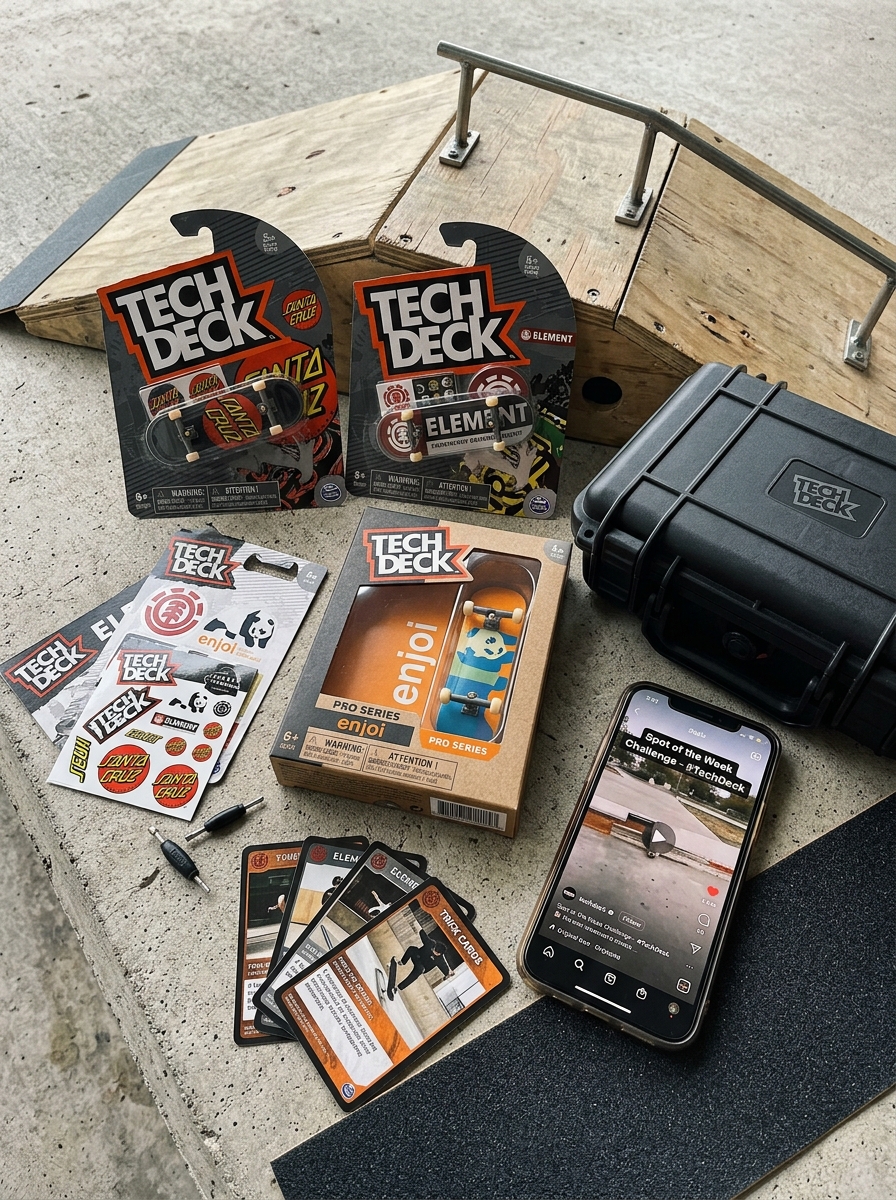
Mastering Tech Deck fingerboard packaging design requires a nuanced understanding of how to translate large-scale skate culture into a handheld format. The visual identity of these collectibles relies on a strategic blend of street-inspired aesthetics and functional retail engineering. To capture the attention of enthusiasts, designers must prioritize high-contrast graphics, authentic urban textures, and clear blister-pack windows that showcase the board's intricate details.
By integrating bold typography with the raw energy of professional skateboarding, effective packaging serves as both a protective vessel and a powerful marketing tool. Key visual concepts focus on shelf appeal and brand storytelling, ensuring that the miniature hardware resonates with the target audience. Exploring these design pillars allows creators to elevate simple products into highly sought-after collectible experiences through superior graphic execution and material choice.
The Evolution of Tech Deck Packaging Aesthetics
Since its debut in the late 1990s, Tech Deck packaging has transformed from simple blister packs into sophisticated, collector-oriented displays. Initially, the aesthetics mirrored the raw, industrial grit of underground skate culture, utilizing bold primary colors and high-contrast typography to emphasize brand partnerships with icons like Blind and Santa Cruz.
As fingerboarding evolved into a global hobby, the visual language shifted. Modern packaging now features minimalist window-box designs and premium finishes for the Performance Series, highlighting the authentic wooden decks and high-quality components. Recent iterations prioritize sustainability through eco-friendly cardboard while incorporating digital integration via QR codes. By blending nostalgia with contemporary design, Tech Deck's evolving aesthetic reinforces its identity as a bridge between miniature toy collectibles and professional-grade skateboarding hardware.
The Psychology of the Blister Pack Window
The clear blister pack window is a strategic design element in Tech Deck fingerboard packaging that leverages consumer psychology through immediate visual gratification. By providing a transparent view of the authentic licensed skate graphics and realistic textures, the packaging reduces buyer uncertainty and builds instant trust.
For collectors, this visual accessibility is vital for inspecting the deck's concave and graphic precision before purchase. The window transforms the product into a miniature display case, fueling the "thrill of the hunt" for rare or limited-edition designs. This psychological "what you see is what you get" approach heightens the perceived value of these miniature collectibles, making the physical connection between the skater and the brand start right at the retail shelf.
Urban Street Art and Graffiti Visual Identity
Tech Deck fingerboards capture the raw essence of skate culture through a distinct urban street art aesthetic. By collaborating with iconic skateboarding brands, Tech Deck replicates authentic deck graphics featuring intricate graffiti tags, bold stencil work, and vibrant sticker-bomb designs.
This visual identity reflects the rebellious spirit of metropolitan landscapes, bridging the gap between miniature toys and legitimate collectibles. The integration of high-contrast colors and gritty, street-inspired typography ensures each board resonates with the visual language of professional skateboarding.
From underground mural styles to pop-art motifs, these designs celebrate the artistic heritage of the streets. This commitment to visual authenticity provides an immersive experience, allowing enthusiasts to own a piece of the authentic skate scene in a compact, 1:1 scale replica format.
Signature Branding and Licensed Pro Skater Graphics
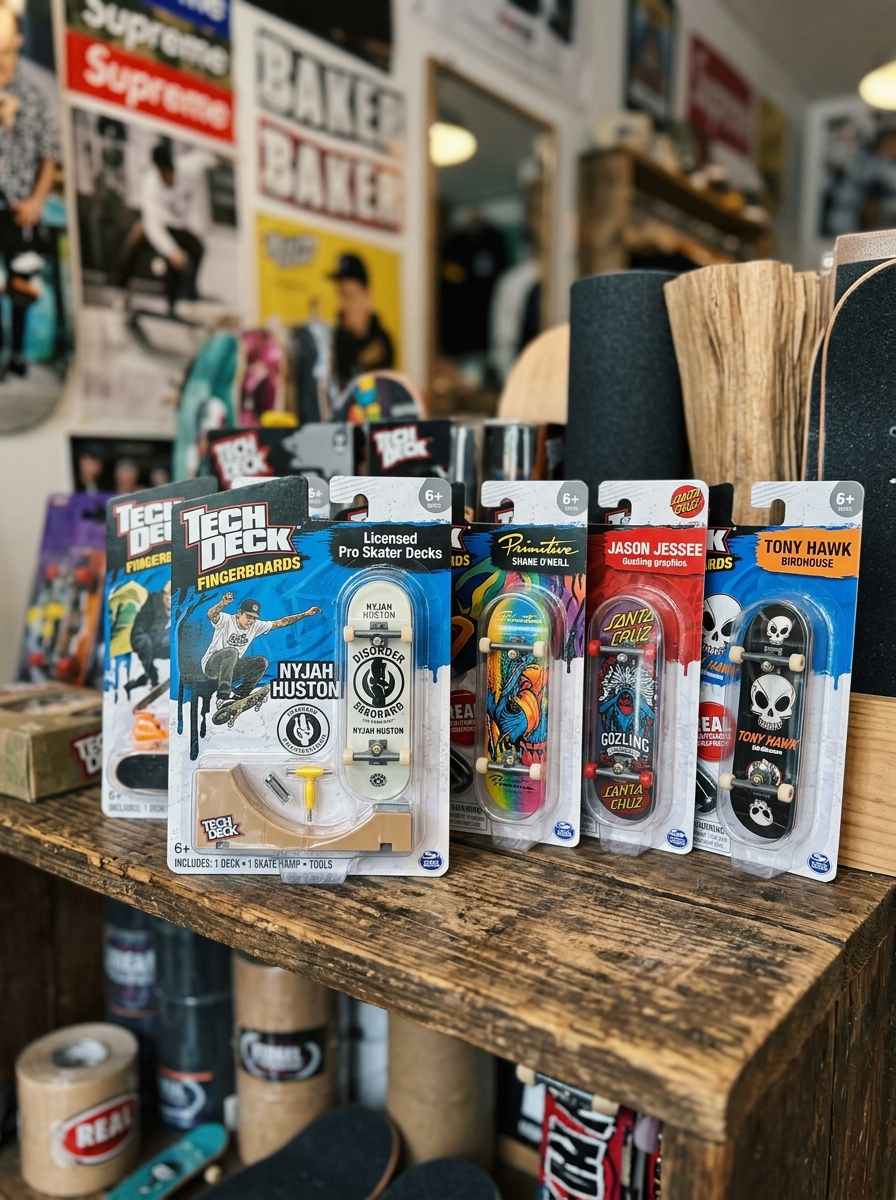
Tech Deck distinguishes itself in the fingerboard market through exclusive licensing agreements with the world's most iconic skateboarding brands. Each deck serves as a miniature canvas, featuring high-fidelity replicas of actual board graphics from industry leaders like Element, Baker, Santa Cruz, and Primitive.
These designs are not merely decorative; they represent the official signature gear of legendary pro skaters such as Tony Hawk and Nyjah Huston. By reproducing real-world deck art at a 1:8 scale, Tech Deck offers hobbyists and collectors an authentic connection to professional skate culture. This commitment to legitimate branding ensures every fingerboard maintains technical accuracy, making them highly prized collectibles that mirror the evolving aesthetics of the global skateboarding scene.
Dynamic Typography and Action Oriented Layouts
Tech Deck's visual identity leverages dynamic typography and action-oriented layouts to mirror the high-energy world of professional skateboarding. By utilizing bold, slanted, and distressed typefaces, the brand creates a sense of kinetic movement on its packaging and promotional media. These typographic choices often incorporate street-art influences and graffiti aesthetics, grounding the fingerboarding subculture in its authentic urban roots.
The layouts prioritize visual impact through diagonal compositions and overlapping graphics that simulate the speed of real-life skate parks. This design strategy ensures that every product feels "active" rather than stationary. By aligning its graphic design with extreme sports aesthetics, Tech Deck effectively communicates excitement and authenticity to its core audience of enthusiasts and collectors.
High Contrast Color Palettes and Visual Impact
Tech Deck fingerboards utilize high contrast color palettes to mirror the vibrant energy of professional skateboarding culture. By pairing bold neon tones with deep blacks or stark whites, these miniature decks achieve a significant visual impact that is both aesthetic and functional.
The application of high-contrast graphics serves several key purposes for enthusiasts:
- Enhanced Visibility: Sharp color transitions make it easier for users to track board rotations and flip positions during fast-paced technical tricks.
- Authentic Replication: Using striking palettes allows Tech Deck to accurately recreate iconic deck art from brands like Santa Cruz, Toy Machine, and Element.
- Digital Appeal: High-contrast designs stand out in "fingerboarding edits," ensuring tricks are clearly defined on camera.
Ultimately, these dynamic color schemes transform a small-scale toy into a visually commanding collectible that captures the rebellious spirit of the skate park.
Tactile Textures and Premium Material Selection
Tech Deck fingerboards are meticulously engineered to replicate the authentic feel of professional skateboarding through precise material selection. Each board features high-traction grip tape, providing the essential tactile feedback required for technical flip tricks and precise board control.
The construction utilizes a blend of high-impact polymers and die-cast metal trucks, ensuring a realistic weight-to-strength ratio. Premium iterations, such as the Performance Series, incorporate real wood plys to mimic the "pop" and flexibility of a full-scale deck. These textured surfaces and weighted components are functional elements that enhance finger placement and maneuverability. By prioritizing material integrity, Tech Deck delivers a tactile experience that satisfies both casual collectors and competitive fingerboarders seeking professional-grade response in a miniature format.
Series Collectibility and Serialized Numbering Systems
Tech Deck fingerboards are curated through structured release cycles, making them highly prized among enthusiasts. Each board belongs to a specific Series, which categorizes decks by brand, era, and graphic design. To enhance collectibility, Tech Deck utilizes a numbering system that allows fans to track their progress and identify specific models within a collection.
Collectibility is further driven by rarity tiers, which often include:
- Common: Standard production graphics.
- Rare: Limited editions with distinct accents.
- Ultra Rare: Highly sought-after "Chase" boards, often featuring chrome finishes or gold-plated trucks.
These serialized systems transform fingerboards into verifiable assets. By mirroring real-world skate brands like Santa Cruz, Blind, and Element, the numbering ensures authenticity and encourages fans to complete full sets of their favorite professional deck replicas.
The Anatomy of Modern Fingerboard Unboxing Experiences
The modern Tech Deck unboxing experience is a curated sensory journey designed for enthusiasts and collectors. It begins with vibrant, transparent packaging that highlights authentic skate graphics licensed from iconic brands like Santa Cruz or Element. This initial visual contact emphasizes the "Real Boards, Real Graphics" promise.
Beyond the deck, the anatomy of a premium unboxing includes:
- Precision Tools: Miniature screwdrivers for adjusting trucks and swapping wheels.
- Customization Elements: Extra grip tape, riser pads, and collectible stickers.
- Rarity Indicators: Collector cards that categorize the board's scarcity, from common to "Ultra Rare."
This tactile process-from the snap of the plastic to the first flick of the board-transforms a simple product reveal into an immersive entry into the fingerboarding subculture.
Future Trends in Sustainable Miniature Sports Packaging
As the fingerboarding community grows, Tech Deck and other miniature sports brands are pivoting toward eco-friendly solutions. Future packaging trends prioritize reducing single-use plastics, replacing traditional blister packs with molded pulp or FSC-certified recycled cardboard.
Key innovations include the use of soy-based inks for vibrant graphics and biodegradable windows made from plant-based polymers. Furthermore, functional packaging is emerging, where the box transforms into a reusable storage case or a small skate obstacle, minimizing waste while adding consumer value. By adopting circular economy principles, the miniature sports industry aims to lower its carbon footprint, ensuring that the passion for technical tricks aligns with global environmental stewardship. This shift reflects a broader commitment to sustainability within the modern toy sector.
Leave a comment