
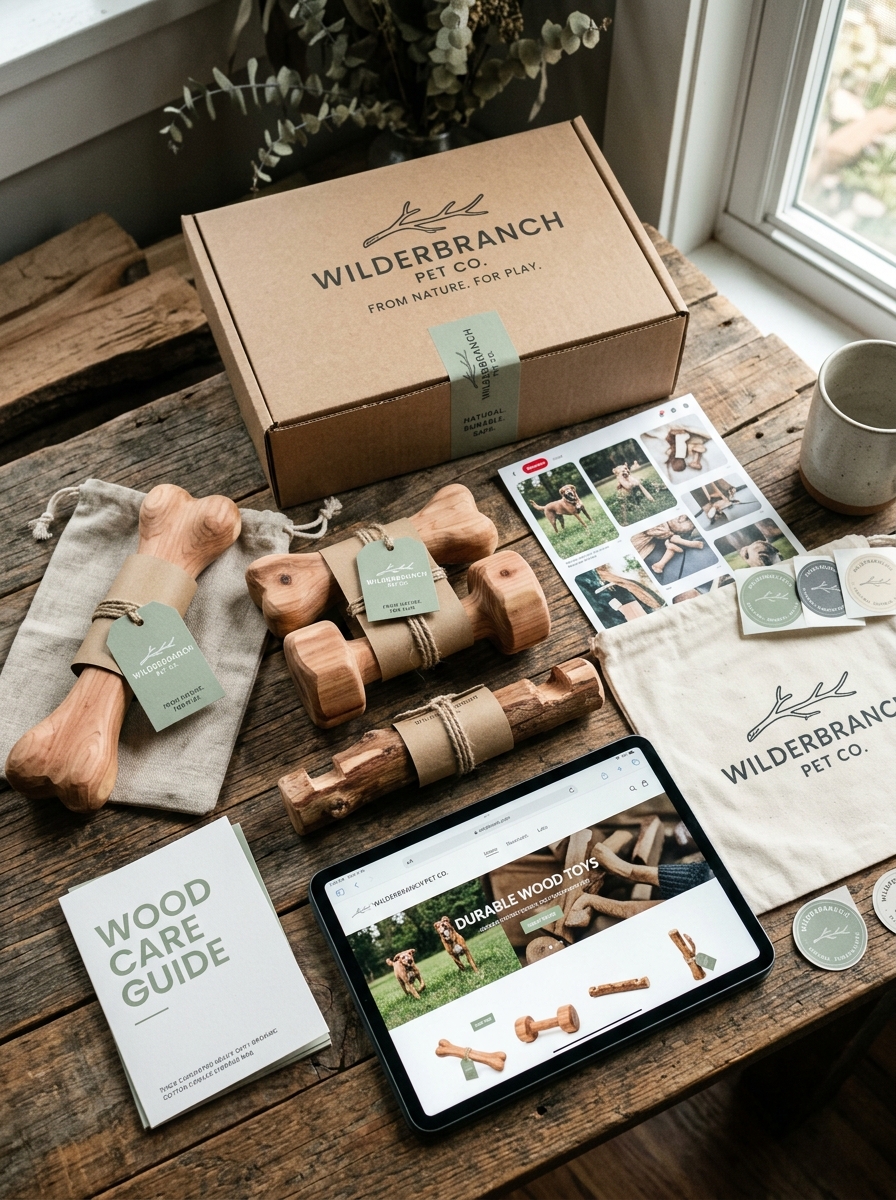
Elevating pet product branding requires a thoughtful blend of sustainability and visual appeal. Natural wood chew toys demand packaging that reflects their organic origins while ensuring durability and safety. To capture the attention of eco-conscious pet owners, designers must prioritize tactile textures, earthy color palettes, and transparent windows that showcase the raw wood grain.
This guide explores the essential aesthetic concepts and practical design strategies needed to create packaging that resonates with modern consumers. By focusing on minimalist elements and recyclable materials, brands can establish a premium identity that mirrors the purity of the product inside. Discover how to balance functional protection with high-end shelf presence to successfully position wooden pet accessories in a crowded marketplace.
The Growing Demand for Sustainable Pet Product Packaging
As pet owners increasingly prioritize environmental health, the demand for sustainable pet product packaging has skyrocketed, particularly within the niche of natural wood chew toys. Consumers who invest in eco-friendly alternatives like coffee wood or olive wood chews expect the entire brand experience to reflect these green values.
Transitioning to plastic-free, recyclable, or biodegradable materials offers several strategic benefits:
- Reduces Waste: Minimizes the environmental impact of pet care routines.
- Brand Alignment: Complements the chemical-free, organic nature of wooden toys.
- Customer Loyalty: Meets the high expectations of eco-conscious "pet parents."
By utilizing FSC-certified cardboard or compostable mailers, manufacturers ensure that their natural products remain truly sustainable from production to delivery, securing a competitive edge in an environmentally aware market.
Embracing Earthy Color Palettes and Organic Textures
Natural wood chew toys provide a sensory-rich experience by prioritizing raw, earthy color palettes and diverse organic textures. Unlike synthetic alternatives, these wooden toys feature the authentic hues of sustainable timber like beech, birch, and balsa, ensuring a non-toxic environment free from artificial dyes. These soft, neutral tones create a calming aesthetic that complements a modern, eco-conscious home.
The organic textures-ranging from smooth, polished grains to rugged, fibrous barks-offer essential tactile stimulation for pets. These varied surfaces encourage instinctual gnawing behaviors, which naturally support dental hygiene by reducing plaque buildup. By integrating these unrefined elements, pet owners provide a safe, durable, and eco-friendly outlet for play. Embracing the natural imperfections of wood promotes a holistic connection to the outdoors, ensuring both physical health and mental enrichment through nature-inspired design.
Prioritizing Eco-Friendly and Biodegradable Materials
Choosing natural wood chew toys is a vital step toward environmental sustainability and pet safety. Unlike synthetic plastic alternatives, wood is a renewable resource that naturally decomposes, ensuring your pet's play habits do not contribute to long-term landfill waste or microplastic pollution.
By prioritizing biodegradable materials, manufacturers provide a non-toxic chewing experience free from harmful chemical additives and artificial dyes. Sustainable harvesting practices further protect forest ecosystems while offering a durable, satisfying texture for pets. These organic toys are 100% compostable, eventually returning nutrients to the earth. Opting for eco-friendly wood ensures a smaller carbon footprint and a safer, more holistic environment for your furry companions.
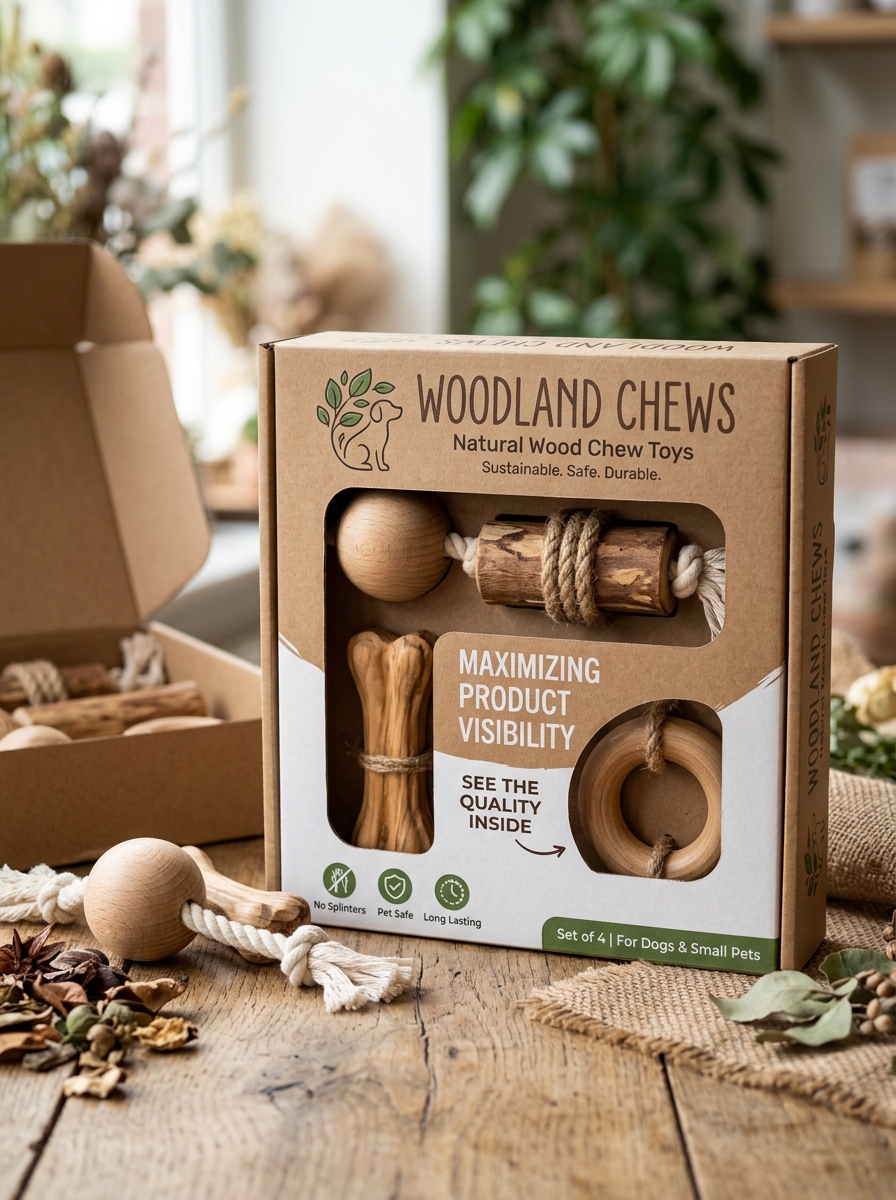
Maximizing Product Visibility with Die-Cut Windows
In the competitive pet supply market, natural wood chew toys benefit immensely from packaging featuring die-cut windows. This strategic design choice provides immediate transparency, allowing pet owners to inspect the authentic wood grain and organic textures prior to purchase. Since these toys emphasize safety and sustainability, a window reinforces brand trust by showcasing the raw, chemical-free materials.
Integrating custom window cutouts enhances the sensory experience at the point of sale. Customers gravitate toward products that reveal high-quality craftsmanship and eco-friendly appeal. By utilizing die-cut windows, you improve retail shelf presence and highlight the unique, natural variations of each toy, effectively driving higher conversion rates through visual validation and consumer quality assurance.
Communicating Safety Standards and Non-Toxic Wood Types
Ensuring the safety of natural wood chew toys is paramount for pet health. Manufacturers must adhere to rigorous safety standards to guarantee all products are chemical-free and devoid of pesticides or heavy metals. Transparency regarding wood sourcing helps pet owners make informed, safe decisions.
Prioritize non-toxic wood types that are safe for dental enrichment, such as:
- Apple and Pear Wood: Naturally sweet and 100% organic.
- Kiln-dried Pine: Heat-treated to remove harmful resins and phenols.
- Bamboo: A sustainable, splinter-resistant option.
- Birch and Hazelwood: Durable choices for aggressive chewers.
Always avoid toxic varieties like cherry, yew, or oleander. By verifying these safety protocols, you ensure a secure gnawing experience that supports natural instincts without health risks.
Minimalist Typography for a Premium Brand Identity
For a brand specializing in natural wood chew toys, minimalist typography is a powerful tool to communicate quality and sustainability. By utilizing clean, sans-serif fonts and generous letter spacing, the visual identity mirrors the organic simplicity of the wood itself. This "less is more" approach removes visual clutter, allowing the premium nature of the eco-friendly materials to take center stage.
Strategic use of bold headings and lightweight body text creates a clear visual hierarchy, making product information accessible and trustworthy for pet owners. In a market often saturated with bright, plastic aesthetics, minimalist design signals luxury and durability. By choosing elegant, understated typefaces, your brand reinforces its commitment to craftsmanship and environmental responsibility, effectively positioning your products as high-end essentials for modern, conscious consumers.
Highlighting the Source and Species of Natural Wood
Our natural wood chew toys are meticulously sourced from sustainable, pesticide-free orchards and responsibly managed forests to ensure peak pet safety. We prioritize premium wood species such as applewood, willow, birch, and hazelnut, each selected for its non-toxic properties and beneficial fiber density.
Sourcing from chemical-free environments is critical for preventing the ingestion of harmful toxins. Specific species like kiln-dried coffee wood or fruitwoods offer varying levels of hardness to satisfy different chewing intensities. These materials promote essential dental health by naturally wearing down teeth and providing vital enrichment for small animals and dogs. By prioritizing high-quality wood species, we provide a safe, durable, and biologically appropriate outlet for your pet's instinctive gnawing behaviors.
Designing for Reusability and Minimal Waste
Sustainable natural wood chew toys are engineered with a circular lifecycle in mind. By selecting high-density hardwoods such as olive wood, coffee wood, or bamboo, designers prioritize durability to minimize frequent replacements and environmental impact.
Our commitment to minimal waste is reflected through several key design principles:
- Modular Components: Many toys feature replaceable parts, allowing pet owners to refresh the toy without discarding the entire unit.
- Biodegradability: Being 100% plastic-free, these toys are fully compostable, safely returning to the earth at the end of their lifespan.
- Zero-Waste Production: Manufacturers often repurpose wood offcuts into smaller chews or mulch, ensuring no raw material is wasted.
By choosing responsibly designed wooden chews, you support a plastic-free future while providing your pet with a long-lasting, non-toxic, and eco-friendly outlet for their natural chewing instincts.
The Role of Authentic Storytelling in Pet Branding
For brands specializing in natural wood chew toys, authentic storytelling is the bridge between raw materials and consumer trust. Modern pet parents prioritize transparency, seeking products like coffee wood or olive wood chews that are sustainably sourced and chemical-free.
By narrating the journey from sustainable forests to a dog's dental health routine, brands establish an emotional connection. Highlighting ethical harvesting and the organic durability of wood over synthetic plastics differentiates a product in a crowded market. Effective storytelling emphasizes safety and pet wellness, proving that a simple wooden stick is actually a crafted tool for plaque removal and anxiety relief. This narrative-driven approach transforms a basic chew toy into a premium lifestyle choice for eco-conscious households.
Essential Regulatory Labeling for Wood Chew Toys
Accurate labeling is vital for natural wood chew toys to ensure safety and regulatory compliance. Labels must clearly identify the wood species to confirm it is non-toxic and free from chemical treatments, resins, or pesticides. Essential information includes age-appropriateness warnings and choking hazard alerts regarding potential splintering or small parts.
Compliance with international safety standards, such as ASTM F963 or EN71, should be prominently displayed to verify rigorous testing for mechanical and chemical safety. Furthermore, labels should disclose any finishes used-ensuring they are food-grade and lead-free-while providing traceability data like batch numbers and manufacturer contact details. Proper labeling builds consumer trust and guarantees a safe chewing experience.
Leave a comment