
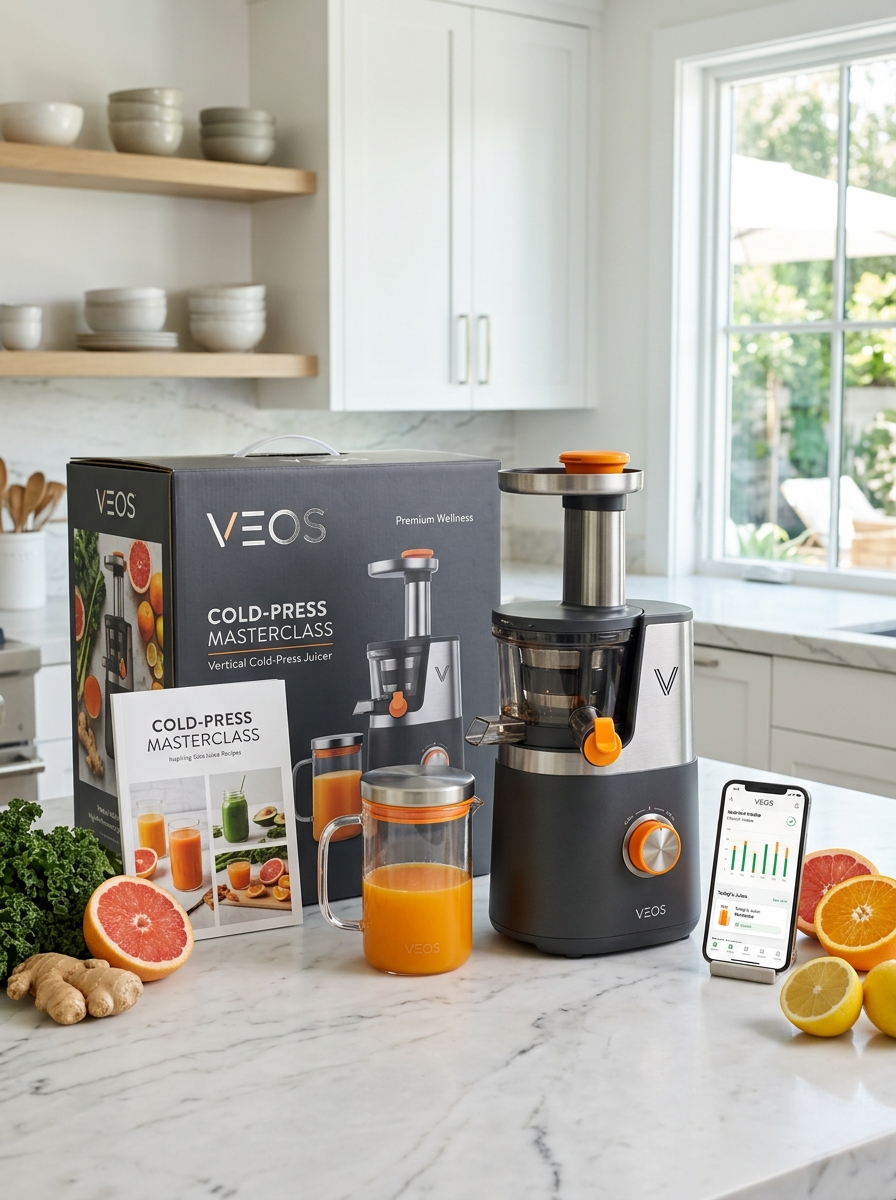
Effective juicer packaging design serves as the primary touchpoint between a health-conscious consumer and a premium kitchen appliance. To master visual identity in this specialized niche, brands must balance sleek, modern aesthetics with functional clarity. High-quality product photography, vibrant color palettes reflecting fresh produce, and minimalist typography are essential elements that communicate both power and nutritional freshness simultaneously.
Beyond mere protection, contemporary packaging acts as a silent salesperson, utilizing tactile finishes and strategic structural engineering to enhance the unboxing experience. By integrating sustainable materials and clear brand storytelling, manufacturers can transform a standard container into a compelling narrative of wellness and innovation. Understanding the intersection of graphic design and consumer psychology is vital for capturing market share and establishing a lasting presence on high-end retail shelves.
The Strategic Importance of Juicer Packaging Design
In the competitive kitchen appliance market, juicer packaging design serves as a vital touchpoint for brand identity and consumer trust. Beyond mere protection during transit, strategic packaging communicates a product's core value proposition-whether emphasizing cold-press efficiency, centrifugal speed, or maximum nutrient retention.
High-quality visuals on the box allow customers to visualize wellness benefits, while structural integrity ensures heavy motors and delicate filters remain secure. Semantic elements, such as clear typography for technical specifications (RPM, wattage, and pulp control), facilitate informed purchasing decisions. Furthermore, utilizing sustainable materials resonates with the eco-conscious demographic typical of the juicing community. By blending premium aesthetics with functional durability, brands enhance the unboxing experience and effectively differentiate their appliances in a crowded retail environment.
Defining Brand Personality through Modern Visual Elements
Establishing a compelling Juicer brand personality requires a strategic blend of modern visual elements that resonate with health-conscious consumers. A cohesive visual identity communicates core values such as vitality, purity, and innovation. Key design components include a minimalist aesthetic and clean lines, which reflect the efficiency of the product.
Utilizing a vibrant color palette-incorporating organic greens, bright citrus tones, and sleek metallics-evokes freshness and high performance. Furthermore, high-quality lifestyle photography and contemporary sans-serif typography project a sophisticated yet accessible image. By integrating these modern design trends, a juicer brand can distinguish itself in a crowded market, fostering an emotional connection with users seeking a premium, wellness-oriented lifestyle. Consistency across digital interfaces and packaging ensures a reliable and professional brand presence.
Color Theory and Its Impact on Health Perception
Color theory plays a pivotal role in how we perceive the nutritional efficacy of fresh juice. Visual cues serve as a psychological shorthand for specific health benefits: vibrant greens are instantly associated with detoxification and alkalinity, while bright oranges and yellows signal high concentrations of Vitamin C and immune-boosting properties.
This perception extends to the juicer itself. Manufacturers often utilize white or stainless steel finishes to convey clinical cleanliness and professional-grade hygiene. Conversely, bold-colored machines can stimulate appetite and daily motivation. Understanding these subconscious triggers helps consumers align their aesthetic choices with their wellness goals. Ultimately, the rich pigments in your glass-from deep red betalains to purple anthocyanins-act as a visual testament to the potent antioxidants and live enzymes essential for a revitalized lifestyle.
Typography Trends for Clear and Compelling Communication
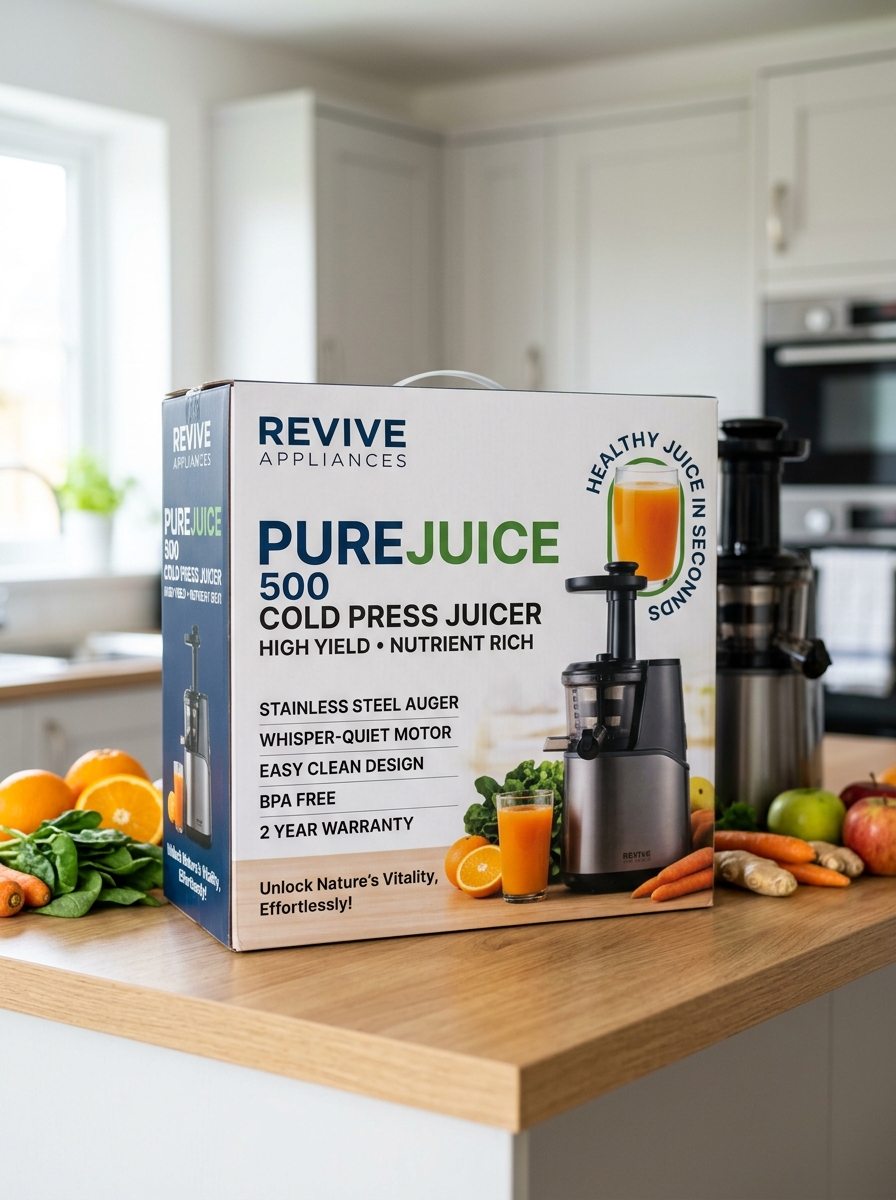
In the fast-paced world of social media aggregation, typography serves as the backbone of effective storytelling. For Juicer users, selecting the right fonts is essential to ensure that curated content remains legible and engaging across diverse devices.
Current trends favor bold, expressive headings paired with clean, minimalist sans-serif body text to improve scanning speeds. Additionally, the rise of variable fonts allows for seamless scaling, ensuring your social feed maintains brand consistency regardless of screen size.
By prioritizing high-contrast pairings and accessible line spacing, brands can transform a standard social wall into a compelling visual narrative. Modern typography doesn't just display information; it enhances the user experience, making aggregated posts more digestible and professional for every visitor.
Balancing Minimalist Aesthetics with Functional Information
Modern juicer design increasingly focuses on the intersection of sleek, minimalist aesthetics and vital functional information. To achieve a premium look, manufacturers utilize clean lines and high-quality finishes that blend seamlessly into contemporary kitchens. However, visual simplicity must never compromise the user experience.
Effective balance is achieved through intuitive interfaces, such as "hidden-until-lit" LED displays and tactile, ergonomic dials. These elements provide essential data-including extraction speeds, motor load, and safety alerts-only when needed. By reducing visual clutter, these appliances minimize cognitive load while maximizing juicing efficiency. The result is a sophisticated appliance that provides professional-grade performance without overwhelming the senses, proving that high-end utility and minimalist beauty can coexist perfectly in modern healthy living.
Sustainable Material Choices for Modern Eco-Conscious Brands
Modern juicer brands are increasingly prioritizing sustainability by selecting high-performance, eco-friendly materials. Leading manufacturers now favor food-grade stainless steel and tempered glass over traditional plastics. These materials offer exceptional durability and are 100% recyclable, significantly reducing long-term environmental impact and electronic waste.
To ensure consumer safety, eco-conscious brands utilize BPA-free Tritan or plant-based composites for internal components, preventing chemical leaching into fresh juices. Additionally, incorporating recycled post-consumer plastics and biodegradable packaging reflects a commitment to a circular economy. These sustainable choices satisfy the demand for toxic-free appliances while extending the product's lifecycle. By choosing a juicer engineered with responsibly sourced materials, consumers support both their personal health and the planet's preservation.
Leveraging Imagery and Graphics for Instant Shelf Appeal
In the competitive small appliance market, juicer packaging must communicate health and efficiency instantly. High-resolution imagery of vibrant, succulent fruits and leafy greens triggers a sensory response, signaling freshness. Lifestyle graphics depicting a revitalized user help consumers visualize the wellness benefits of daily juicing.
Beyond aesthetics, technical infographics are crucial for conversion. Clear icons highlighting features like cold-press technology, extra-wide feed chutes, and BPA-free components provide immediate value propositions. By combining appetizing visuals with functional diagrams, brands reduce cognitive load, allowing shoppers to understand the juicer's performance and ease of use within seconds. Effective graphic hierarchies guide the eye from the delicious end result to the powerful engineering inside, securing a decisive first impression on the retail shelf.
The Role of Tactile Experience and Premium Finishes
In the premium juicer market, the tactile experience is a hallmark of superior engineering. Beyond raw motor power, physical interaction-such as the satisfying click of a toggle or the weighted resistance of a control dial-enhances user confidence and perceived quality. High-end models utilize premium finishes like brushed stainless steel, die-cast aluminum, and heavy-duty polymers to ensure both durability and aesthetic sophistication.
These materials do more than elevate kitchen aesthetics; they provide practical benefits, including vibration dampening and fingerprint resistance. Ergonomic touchpoints ensure the juicing process feels intuitive and effortless. By integrating high-quality textures and robust components, manufacturers transform a functional appliance into a luxury centerpiece. Ultimately, the fusion of tactile feedback and refined finishes creates a sensory-driven experience that validates the investment in a high-performance juicing system.
Adapting Packaging Design for E-commerce and Retail
Juicer packaging must perform dual roles to succeed in modern markets. For e-commerce, the design prioritizes structural integrity and logistical efficiency. High-density corrugated materials protect delicate motor components during transit, while compact dimensions reduce shipping costs. The focus here is on the "unboxing experience," using interior graphics to reinforce brand value upon arrival.
Conversely, retail packaging acts as a silent salesperson. It utilizes vibrant, high-resolution imagery of fresh produce and cold-pressed juice to grab attention on crowded shelves. Key selling points-such as extraction yield, easy-clean features, and motor wattage-are displayed prominently for quick scanning. By balancing durable transit-ready engineering with persuasive visual storytelling, manufacturers ensure their juicers are protected for delivery and optimized for point-of-sale impact.
Future Trends in Innovative Juice Appliance Packaging
The landscape of juicer appliance packaging is shifting toward eco-conscious and tech-driven solutions. As sustainability becomes a global priority, manufacturers are replacing traditional plastics and polystyrene with biodegradable molded pulp and 100% recycled cardboard. These materials offer robust protection for heavy motors and glass carafes while significantly reducing environmental impact.
Another emerging trend is Smart Packaging. By integrating QR codes directly onto the box, brands provide users with instant access to digital manuals, assembly videos, and seasonal juice recipes, eliminating the need for bulky paper inserts. Additionally, minimalist, "frustration-free" designs are gaining traction, optimized for e-commerce to ensure safe transit with minimal waste. These innovations reflect a commitment to environmental responsibility and an enhanced unboxing experience for modern, health-conscious consumers.
Leave a comment