
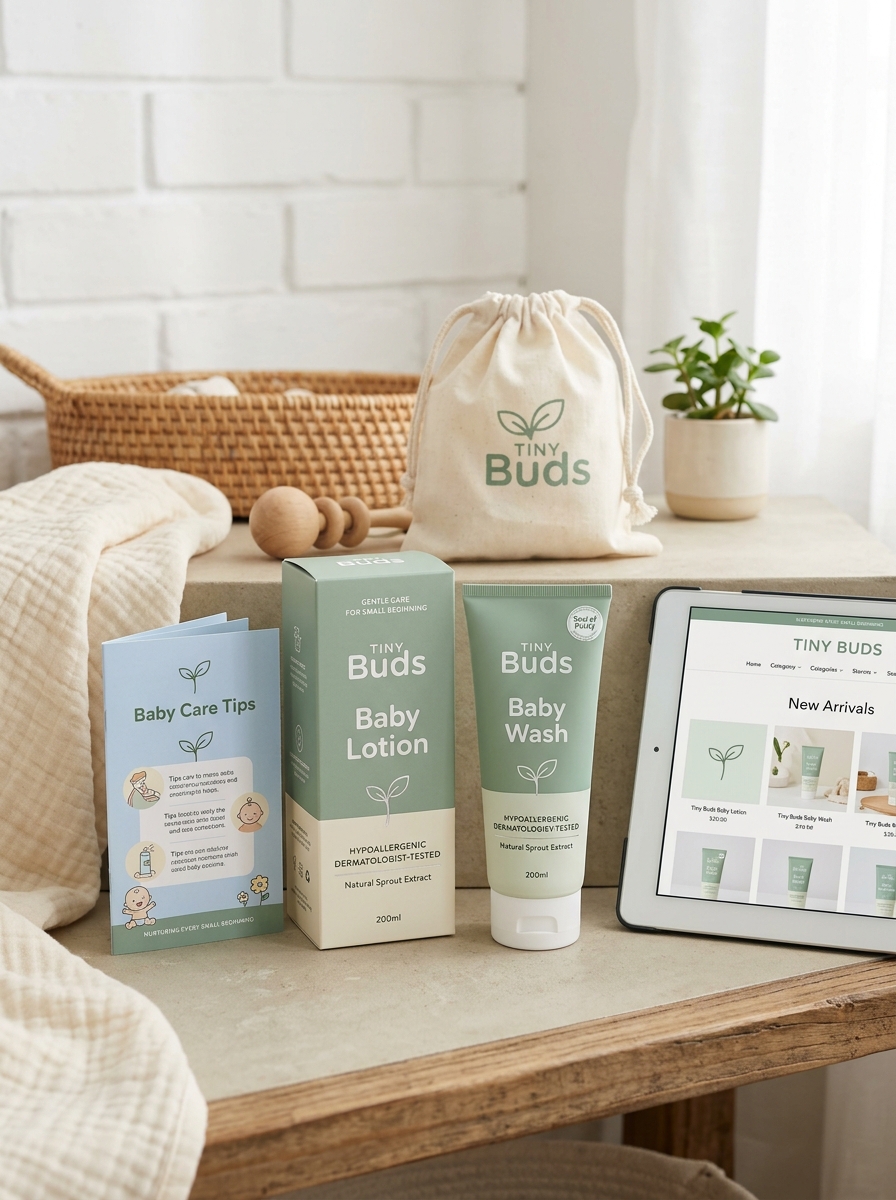
Modern diaper cream packaging design must navigate the delicate balance between high-end aesthetics and rigorous functional utility. As parents increasingly seek products that reflect their lifestyle values, brands are pivoting toward minimalist visual identities and sustainable material choices. These aesthetic shifts, while vital for shelf appeal, must never compromise the user experience.
Effective packaging prioritizes one-handed operation and hygienic dispensing through innovations like airless pumps and ergonomic flip-top tubes. By merging sophisticated graphic trends with intuitive structural engineering, manufacturers can address the dual needs of safety and convenience. This guide examines the essential design principles and emerging trends currently reshaping the baby skincare landscape, ensuring products are both beautiful and indispensable for daily care.
The Evolution of Modern Diaper Cream Packaging
The evolution of diaper cream packaging has transitioned from rudimentary metal tins and glass jars to highly sophisticated, user-centric designs. Originally, bulky containers required manual application, which was often messy and unhygienic. Today, modern packaging prioritizes convenience, hygiene, and infant skin health.
Innovations like squeeze tubes with flip-top caps allow caregivers to apply barrier creams using one hand, ensuring a safe grip on the baby during changes. Furthermore, airless pump technology has emerged to prevent the oxidation of active ingredients, such as zinc oxide, while ensuring precise dosing and minimal waste.
Sustainability is also a major driver, with brands shifting toward PCR (post-consumer recycled) plastics and bio-based materials. These advancements reflect an industry-wide commitment to enhancing the user experience while maintaining the therapeutic integrity of diaper rash formulations.
Minimalist Aesthetics and Gentle Color Palettes
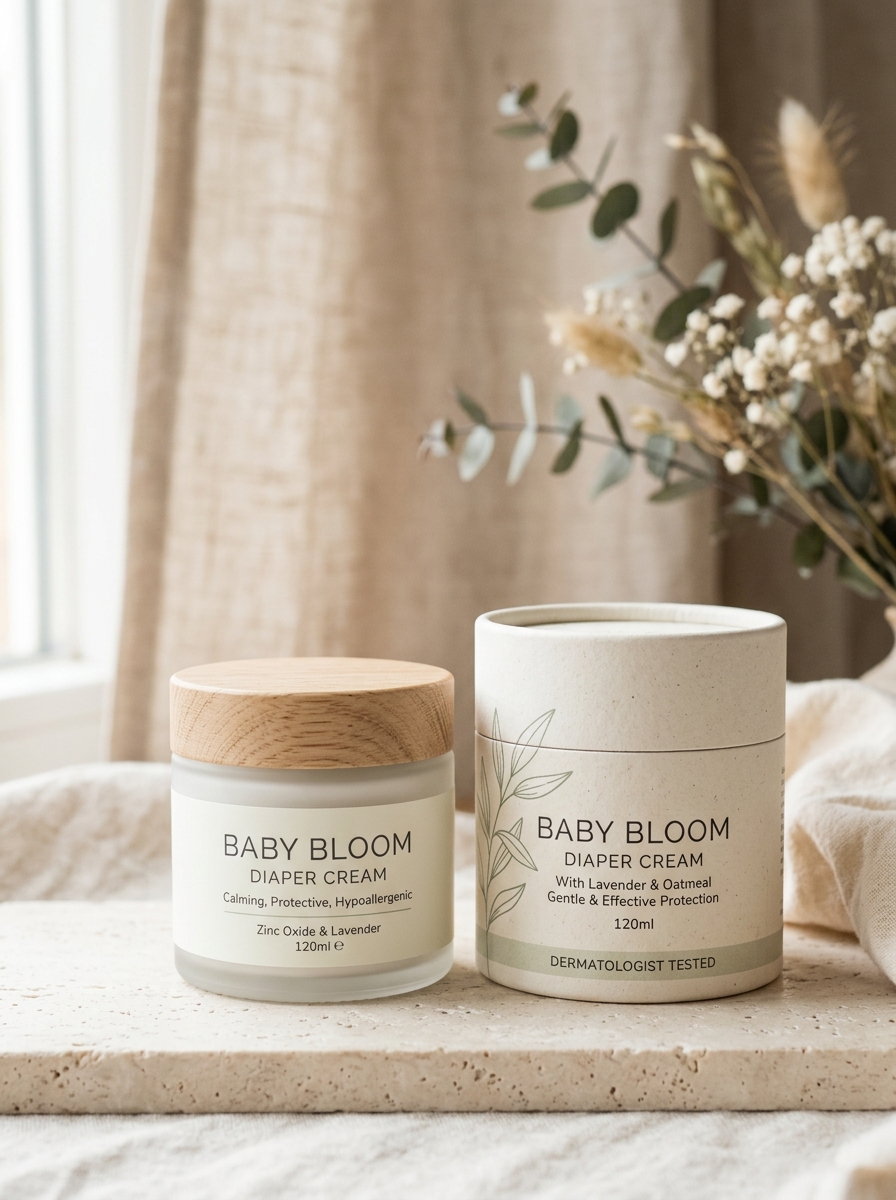
Modern diaper cream packaging increasingly embraces minimalist aesthetics and gentle color palettes to reflect product purity and safety. Soft pastels, such as muted blues, sage greens, and creamy whites, communicate a sense of calm, signaling that the formula is designed for sensitive infant skin. This visual approach aligns with a "less is more" philosophy, highlighting high-quality, non-toxic ingredients over complex chemical additives.
Clean typography and uncluttered labels ensure functional clarity, allowing parents to quickly identify key benefits like zinc oxide content or fragrance-free certifications. Furthermore, these sophisticated designs allow diapering essentials to blend seamlessly into contemporary nursery decor. By prioritizing a soothing visual identity, brands reinforce consumer trust and emphasize the gentle, therapeutic nature of the cream, reassuring caregivers that the product is as mild as its presentation suggests.
Ergonomic Functionality for One-Handed Application
During a diaper change, infant safety is the highest priority, often requiring a caregiver to keep one hand securely on the baby at all times. Ergonomic packaging for diaper cream is specifically engineered to facilitate seamless, one-handed application, ensuring the process remains safe and efficient.
Key design features that enhance this functionality include:
- Flip-Top Caps: Allow for instant access and closure without fumbling with screw-on lids.
- Pump Dispensers: Deliver a precise amount of barrier cream with a single downward press.
- Squeeze Tubes: Designed with specialized valves to prevent leaks and enable controlled dispensing.
By prioritizing user-centric design, these ergonomic solutions reduce the risk of cross-contamination and allow parents to apply protective treatments swiftly, providing immediate relief for diaper rash while maintaining total control over the changing environment.
Material Innovation and Sustainable Packaging Solutions
The diaper cream industry is evolving through material innovation and sustainable packaging solutions designed for eco-conscious parents. Manufacturers are shifting away from petroleum-based ingredients, opting for plant-derived, biodegradable formulas containing non-nano zinc oxide and organic botanicals.
To reduce environmental impact, brands are implementing circular economy strategies, including:
- PCR (Post-Consumer Recycled) Plastics: Repurposing waste to create durable, reusable containers.
- Sugarcane-Based Resins: Utilizing bio-plastics that are carbon-neutral and renewable.
- Aluminum Tubes: Providing infinitely recyclable packaging that maintains product integrity without plastic liners.
- Refillable Systems: Minimizing single-use waste through concentrated cream pods.
These advancements ensure that protective skin barriers for infants do not come at the cost of the planet, combining dermatological safety with high-performance, eco-friendly packaging standards.
Typography and Visual Hierarchy for Ingredient Transparency
Effective typography and visual hierarchy are essential for communicating safety and building trust in diaper cream products. By utilizing bold weights and varied font sizes, brands can highlight critical active ingredients like Zinc Oxide while ensuring inactive components remain legible.
A structured layout improves transparency through several key design choices:
- Font Clarity: Using clean sans-serif typefaces to ensure chemical names are readable under low-light conditions.
- Information Grouping: Separating "fragrance-free" or "hypoallergenic" claims from the full ingredient list using white space.
- Visual Anchors: Using bulleted lists to help caregivers quickly identify potential allergens or botanical additives.
Prioritizing scannable text through professional typesetting transforms dense labeling into clear, accessible information, allowing parents to make informed decisions for their infant's sensitive skin.
Portable Design Trends for On-the-Go Parenting
Modern parenting demands mobility, driving significant innovation in travel-friendly diaper cream packaging. To accommodate active lifestyles, brands are moving away from heavy jars toward compact, ergonomic designs that fit seamlessly into diaper bags.
- Mess-Free Applicators: Diaper cream sticks and spray-on formulas allow for one-handed, hygienic application without the mess.
- Travel-Sized Tubes: Lightweight, TSA-friendly squeeze tubes with secure flip-top caps prevent accidental leaks during transit.
- Multi-Use Balms: Concentrated barrier formulas in slim tins provide versatile skin protection while occupying minimal space.
These portable solutions prioritize convenience and spill-prevention, ensuring that effective skin protection is always within reach for quick changes at the park or while traveling. Modern designs focus on durability and ease of use to support seamless, on-the-go infant care.
Tactile Finishes and Sensory Brand Experience
In the competitive diaper cream market, the sensory brand experience begins the moment a parent touches the packaging. Utilizing premium tactile finishes, such as soft-touch lamination or matte coatings, communicates a sense of gentleness and safety-qualities essential for infant skincare.
Strategic packaging design, including embossed textures or non-slip surfaces, provides practical functionality during messy diaper changes while reinforcing brand quality. These tactile cues create a subconscious link between the physical container and the soothing, protective efficacy of the barrier cream inside.
By prioritizing the "hand-feel" of a product, brands foster deeper emotional connections and consumer trust. High-quality finishes transform a routine hygiene task into a premium caregiving experience, effectively differentiating the product on crowded retail shelves.
Safety Seals and Tamper-Evident Engineering
Ensuring the purity of diaper cream is paramount for protecting sensitive infant skin. Manufacturers implement tamper-evident engineering to guarantee product integrity from the production line to the nursery. These safety features typically include heat-induction foil seals, breakable plastic rings, or perforated shrink bands that provide a visible indication of an unopened container.
An airtight safety seal acts as a vital barrier against environmental contaminants, oxidation, and microbial growth. By preventing exposure to moisture and air, these engineering solutions preserve the efficacy of active ingredients like zinc oxide and soothing botanicals. For caregivers, inspecting the safety seal is a critical step in verifying that the ointment remains sterile, hypoallergenic, and free from external pollutants, ensuring the highest standards of neonatal skincare safety.
The Psychology of Trust in Baby Care Visuals
When selecting a diaper cream, parents rely heavily on visual cues to assess safety and efficacy. The psychology of trust in baby care visuals is rooted in transparency and gentleness. High-quality imagery featuring soft pastel palettes and clean, clinical packaging signals professional-grade protection and soothing relief.
Macro photography showcasing smooth, non-greasy textures helps caregivers visualize the product's application on sensitive skin, reducing anxiety over potential irritation. Furthermore, the inclusion of dermatological seals and botanical illustrations of ingredients-such as zinc oxide or calendula-reinforces a commitment to natural health. These visual elements act as mental shorthand for reliability, allowing brands to establish an emotional connection with parents who prioritize their infant's comfort and long-term skin barrier integrity.
Future-Proofing Designs with Smart Labeling Technology
The diaper cream industry is evolving by integrating smart labeling technology to meet the demands of modern parenting. By incorporating QR codes and NFC tags into packaging, brands can offer instantaneous access to vital information that physical labels cannot accommodate. Parents can quickly scan a bottle to view detailed ingredient sourcing, clinical trial results, and interactive application guides for treating diaper rash.
These digital solutions future-proof product designs by allowing manufacturers to update safety warnings and usage instructions in real-time without redesigning physical stock. Furthermore, smart labels enable track-and-trace capabilities to monitor shelf life and storage conditions, ensuring the cream's integrity remains uncompromised. Embracing this technology enhances consumer trust, streamlines the reordering process, and ensures diaper cream brands remain competitive in a digital-first marketplace.
Leave a comment