
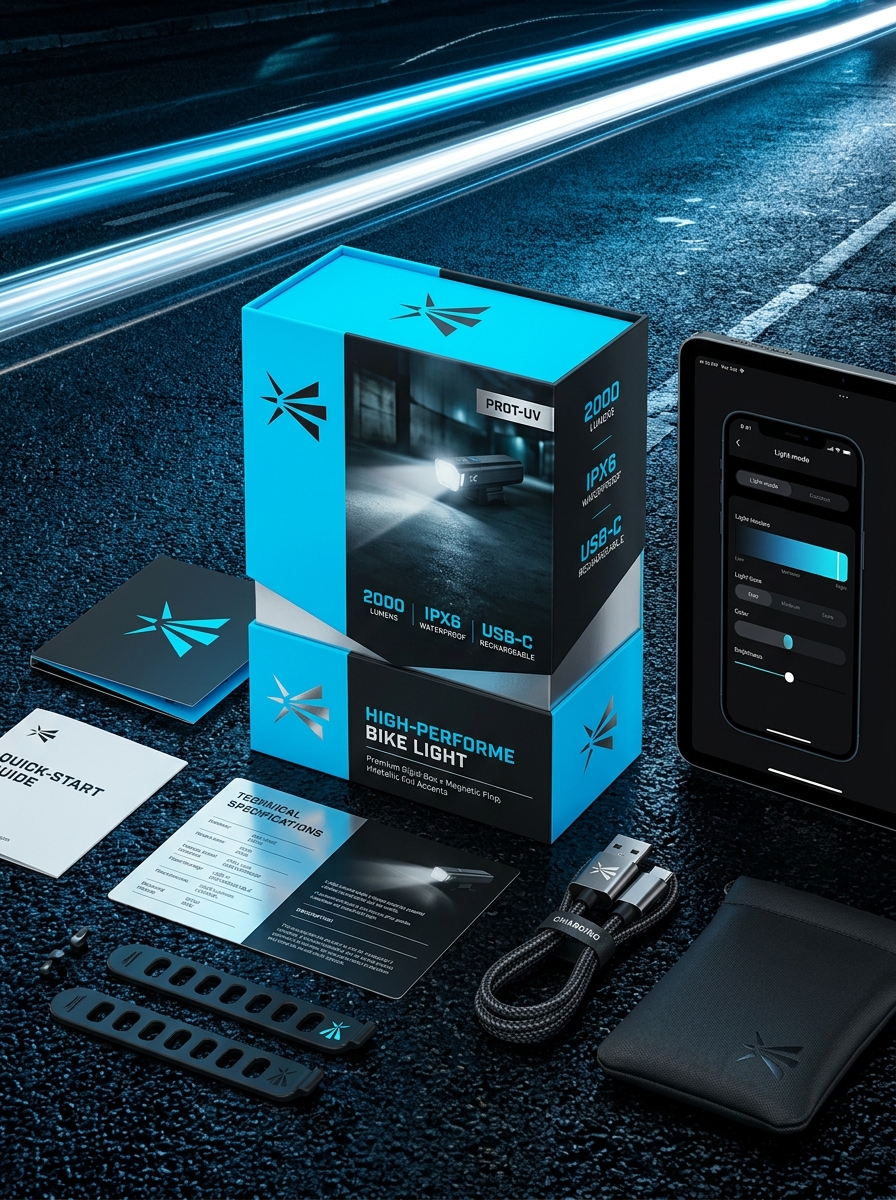
Mastering bike light set packaging design requires a strategic fusion of visual storytelling and technical precision. As the cycling market evolves, consumers increasingly gravitate toward aesthetic trends that emphasize minimalist layouts, bold typography, and eco-friendly materials. These design choices do more than just attract the eye; they communicate a brand's commitment to innovation and sustainability.
Beyond surface-level appeal, fulfilling functional requirements is critical for product safety and consumer trust. High-performance packaging must provide robust protection against transit damage while clearly displaying essential specifications such as lumen intensity, battery life, and mounting compatibility. By balancing sleek, modern aesthetics with durable structural integrity, manufacturers can create a retail experience that resonates with enthusiasts and daily commuters alike, ensuring the product stands out through both its form and its utility.
The Role of Strategic Packaging in the Cycling Market
In the competitive cycling industry, the presentation of a bike light set is as crucial as its technical performance. Strategic packaging serves as a vital touchpoint, balancing aesthetic appeal with functional protection. For manufacturers, premium packaging communicates brand reliability and adheres to safety standards, distinguishing high-quality LEDs from inferior alternatives.
Effective retail designs prioritize clarity, highlighting essential specifications like lumen output, battery life, and waterproof ratings. This allows cyclists to make informed purchasing decisions at a glance. Additionally, using sustainable, shock-absorbent materials protects delicate internal electronics during shipping while appealing to the eco-conscious values of the cycling community. Ultimately, professional packaging enhances the perceived value of a bike light set, fostering consumer trust and driving long-term brand loyalty in a crowded marketplace.
Minimalist Aesthetics for Premium Product Positioning
Elevate your cycling experience with a bike light set that prioritizes minimalist design to achieve a sophisticated, premium feel. By stripping away unnecessary bulk, these lights offer a sleek, aerodynamic profile that seamlessly integrates with modern bicycle frames. This clean aesthetic is a key indicator of high-end quality, signaling both durability and advanced engineering.
Our commitment to understated elegance ensures that your gear complements your bike's silhouette rather than distracting from it. Utilizing premium materials like aircraft-grade aluminum and intuitive single-button interfaces, the minimalist approach enhances user experience while maintaining a professional look. For the discerning cyclist, these lights represent more than just safety; they are a design-forward accessory that reinforces a high-performance lifestyle through superior craftsmanship and visual clarity.
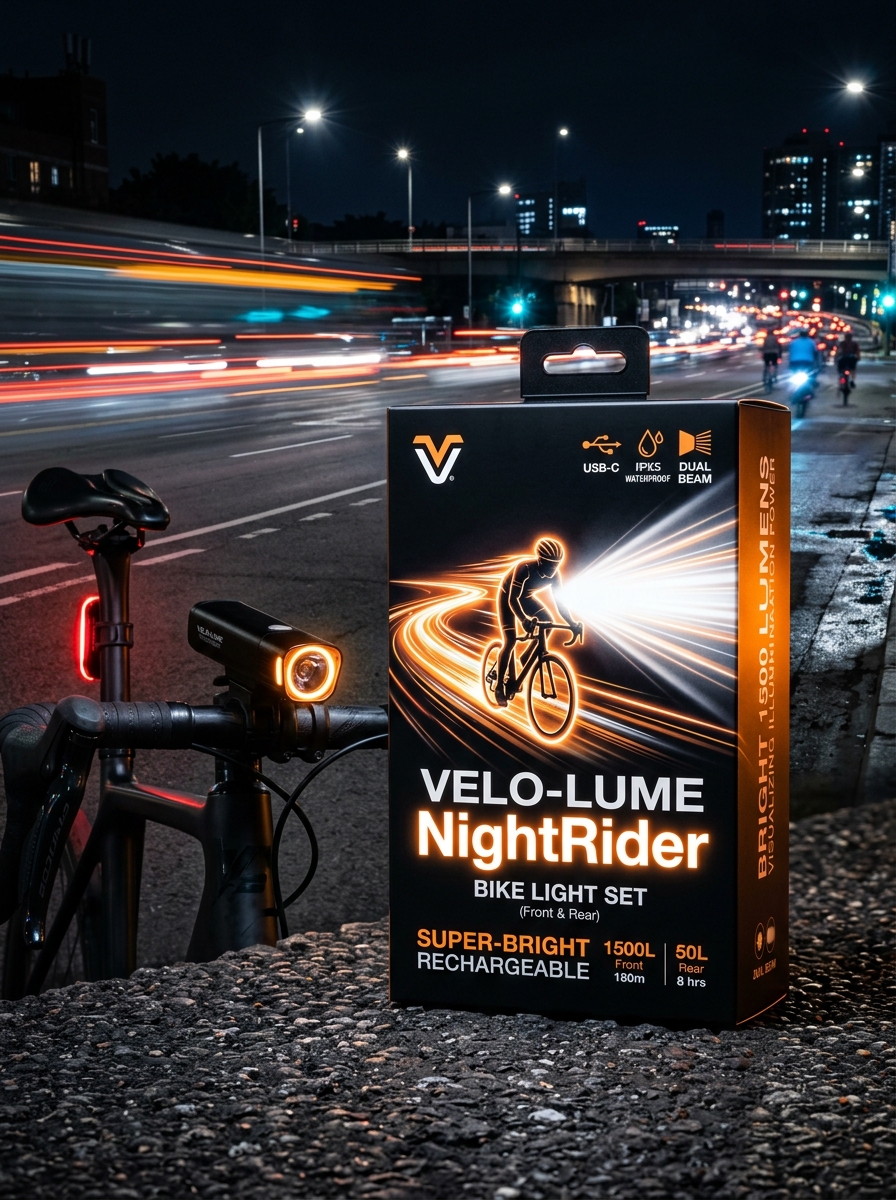
Visualizing Illumination Power through Dynamic Graphics
Selecting the ideal bike light set requires understanding how brightness translates to the road. Our dynamic graphics provide a clear visualization of illumination power, moving beyond simple lumen counts to show real-world performance. These high-fidelity charts illustrate the precision of our beam patterns, highlighting both long-range focus and peripheral floodlight capabilities.
By utilizing these visual data tools, cyclists can analyze:
- Beam Throw: The maximum distance of effective visibility for high-speed descents.
- Light Spread: The horizontal width of the beam to identify hazards on trail edges.
- Intensity Zones: Heat maps showing peak brightness versus ambient light distribution.
These graphics empower riders to choose the right settings for urban commuting or mountain biking, ensuring maximum safety through optimized visual clarity and battery efficiency.
Sustainable Material Choices for Eco-Conscious Consumers
For environmentally aware cyclists, selecting a high-performance bike light set involves evaluating the ecological footprint of the product. Sustainable manufacturing focuses on durable, low-impact materials that promote longevity and recyclability.
Key material choices for the eco-conscious rider include:
- Recycled Aluminum: Provides a lightweight, heat-dissipating housing that is infinitely recyclable.
- Post-Consumer Plastics: Reduces waste by repurposing high-impact resins for lens covers and mounts.
- Rechargeable Lithium-Ion Cells: Eliminates the environmental hazard of single-use alkaline batteries.
By prioritizing energy-efficient LED technology and modular designs that allow for easy repairs, cyclists can significantly reduce electronic waste. Choosing a bike light set crafted from responsibly sourced components ensures a safer commute while supporting a healthier, greener planet.
Structural Engineering for Maximum Component Protection
Our bike light sets are built with advanced structural engineering to ensure the longevity of critical internal electronics. Utilizing high-impact, aircraft-grade aluminum or reinforced polycarbonate housings, each unit provides a rugged shield against mechanical shocks and intense road vibrations.
The internal architecture features precision-engineered cradles that secure the LED modules and lithium-ion batteries, preventing displacement during off-road cycling. Key protective elements include:
- Shock Absorption: Impact-resistant casings neutralize physical stress.
- Thermal Regulation: Integrated heat sinks dissipate heat to prevent circuitry degradation.
- Environmental Sealing: Precision gaskets provide high IP-rated protection against water and dust ingress.
By prioritizing durability-driven design, these lights maintain peak performance in extreme weather conditions, ensuring your safety through superior component reliability and structural integrity.
Integrating Transparent Windows for Product Visibility
In the competitive market for bike light sets, packaging design is a critical factor in consumer decision-making. Integrating transparent windows into the product packaging allows cyclists to immediately verify the build quality, lens clarity, and compact design of both front and rear LED units. This direct visual access eliminates guesswork, building consumer trust by showcasing the actual materials and finishes without opening the box.
Strategic window placement highlights essential features like mounting brackets and side-visibility ports, ensuring the product's safety advantages are front-and-center. By enhancing product visibility, brands can significantly improve retail shelf appeal and reduce purchase hesitation. Ultimately, high-clarity windows serve as a powerful marketing tool, emphasizing the premium engineering and durability of a high-performance bike light set.
Essential Information Hierarchy and Technical Specifications
Selecting a high-performance bike light set requires a clear understanding of technical specifications to ensure maximum rider safety and visibility. The information hierarchy prioritizes lumen output, which dictates brightness levels for both high-intensity front headlights and high-visibility rear tail lights.
- Luminous Flux: Measured in lumens, ranging from 300 for commuting to 1200+ for off-road trails.
- Battery Architecture: High-capacity lithium-ion batteries (mAh) featuring USB-C fast-charging capabilities.
- Durability Ratings: Essential IPX5 or IPX6 water resistance ensures functionality during heavy rain and harsh weather.
- Operating Modes: Versatile settings including steady, pulse, and daytime flash to optimize battery runtime.
- Mounting Hardware: Tool-free, universal silicone straps or quick-release brackets for secure attachment to handlebars and seatposts.
Evaluating these core specifications ensures a reliable illumination system tailored for urban commuting or rugged mountain biking.
Optimizing the Unboxing Experience for High User Engagement
The unboxing experience is the critical first touchpoint for a new bike light set. To drive high user engagement, packaging must transition from simple protection to an intuitive brand introduction. Utilizing premium, eco-friendly materials with dedicated compartments for the headlight, taillight, and mounting hardware ensures a professional presentation.
To further enhance the experience, include scannable QR codes that lead directly to video installation guides or safety certifications. This minimizes friction and gets cyclists on the road faster. Clear labeling of accessories, such as USB-C charging cables and rubber shims, prevents confusion and reduces product returns. By focusing on a "ready-to-ride" aesthetic, brands can foster immediate customer satisfaction, encouraging positive reviews and long-term loyalty in the competitive cycling gear market.
Designing for Retail Shelf Impact and Branding Consistency
To maximize retail shelf impact for a bike light set, packaging design must balance high-visibility aesthetics with informative clarity. Utilizing high-contrast graphics and transparent display windows allows potential buyers to immediately inspect the build quality and LED components.
Branding consistency is maintained by applying a unified color palette, logo positioning, and typography across the entire product line. This ensures that whether a cyclist is looking at a single headlight or a comprehensive light set, the brand identity remains cohesive and recognizable.
Effective packaging also leverages semantic signaling by highlighting key performance metrics-such as lumen brightness, battery runtimes, and waterproof ratings-through intuitive iconography. This strategic design approach not only differentiates the product in a crowded marketplace but also reinforces consumer trust through professional, uniform visual storytelling.
Future Trends in Interactive and Smart Packaging Solutions
The evolution of bike light set packaging is moving toward digital integration and enhanced consumer engagement. Smart packaging solutions now utilize NFC technology and QR codes to provide cyclists with instant access to installation tutorials, battery maintenance tips, and safety certifications directly via smartphone.
Emerging trends include augmented reality (AR) interfaces, allowing users to visualize beam patterns and lumen intensity before unboxing. Additionally, IoT-enabled packaging can track supply chain integrity and verify product authenticity, ensuring riders receive genuine high-performance gear. Future-proof designs also focus on sustainable smart materials, incorporating biodegradable sensors that monitor environmental conditions without increasing electronic waste. These innovations transform traditional boxes into interactive tools that provide long-term value and improved road safety information for the cycling community.
Leave a comment