
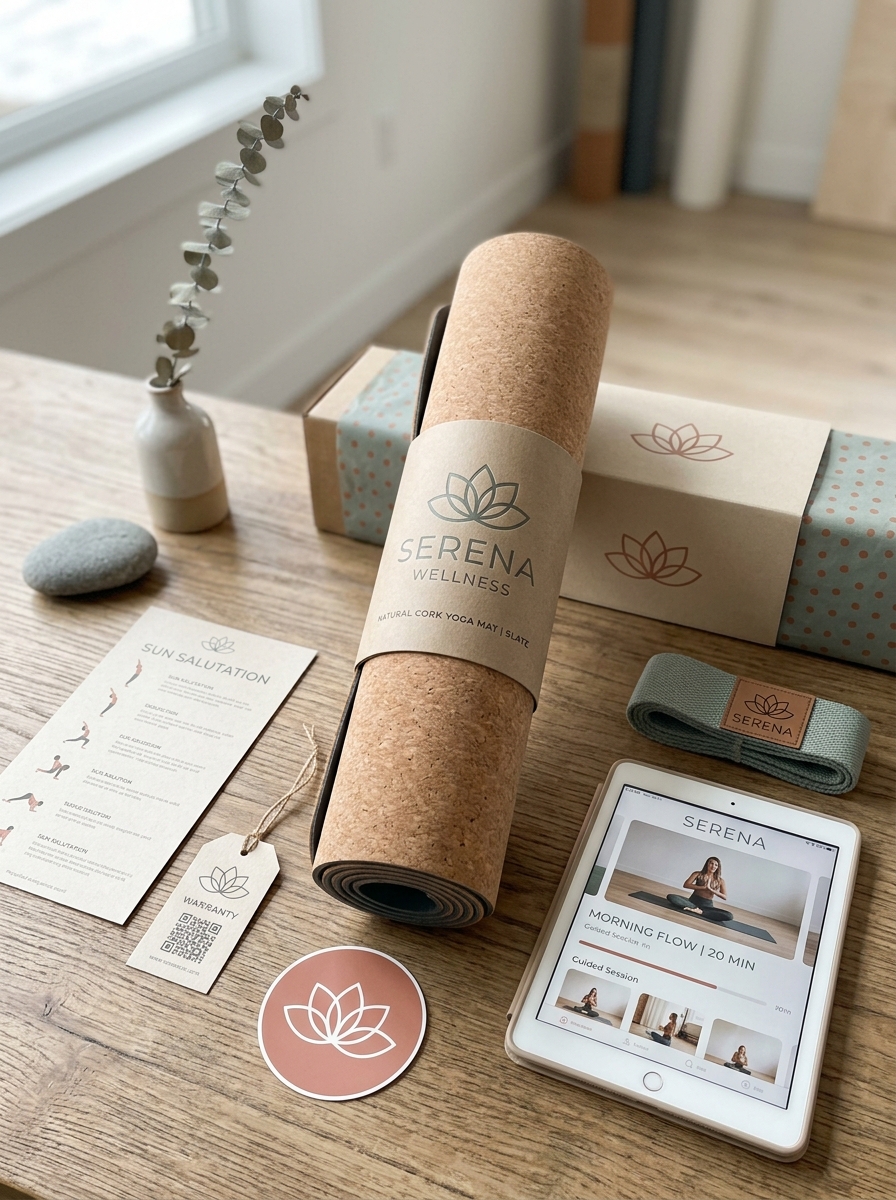
Yoga block packaging serves as the critical bridge between product functionality and brand identity. As practitioners increasingly seek holistic experiences, the exterior housing of these essential props must reflect the serenity and balance inherent in the practice itself. Effective design integrates sustainable materials with structural integrity to ensure product protection while minimizing environmental impact.
By prioritizing minimalist aesthetics and tactile finishes, manufacturers can evoke a sense of mindfulness before the product is even unboxed. This exploration delves into the fundamental design principles that harmonize visual appeal with practical utility, focusing on how typography, color psychology, and eco-friendly innovations redefine the retail presence of yoga equipment. Understanding these aesthetic foundations is key to capturing the modern yogi's attention through thoughtful, purposeful presentation.
The Role of Packaging in the Yoga Industry
In the competitive yoga accessories market, packaging for a yoga block serves as a vital bridge between product protection and brand identity. Beyond safeguarding foam or cork materials from transit damage and compression, effective packaging communicates quality and sustainability.
Modern practitioners prioritize eco-conscious brands; therefore, using plastic-free, recyclable, or biodegradable materials reflects the core values of the yoga community. Strategic packaging design also provides essential information regarding block density, grip, and usage instructions, helping consumers make informed decisions. By balancing durability with eco-friendly design, packaging enhances the unboxing experience and reinforces a brand's commitment to both the practitioner and the environment, ensuring the product arrives in pristine condition for optimal support during practice.
Translating Brand Values into Visual Design
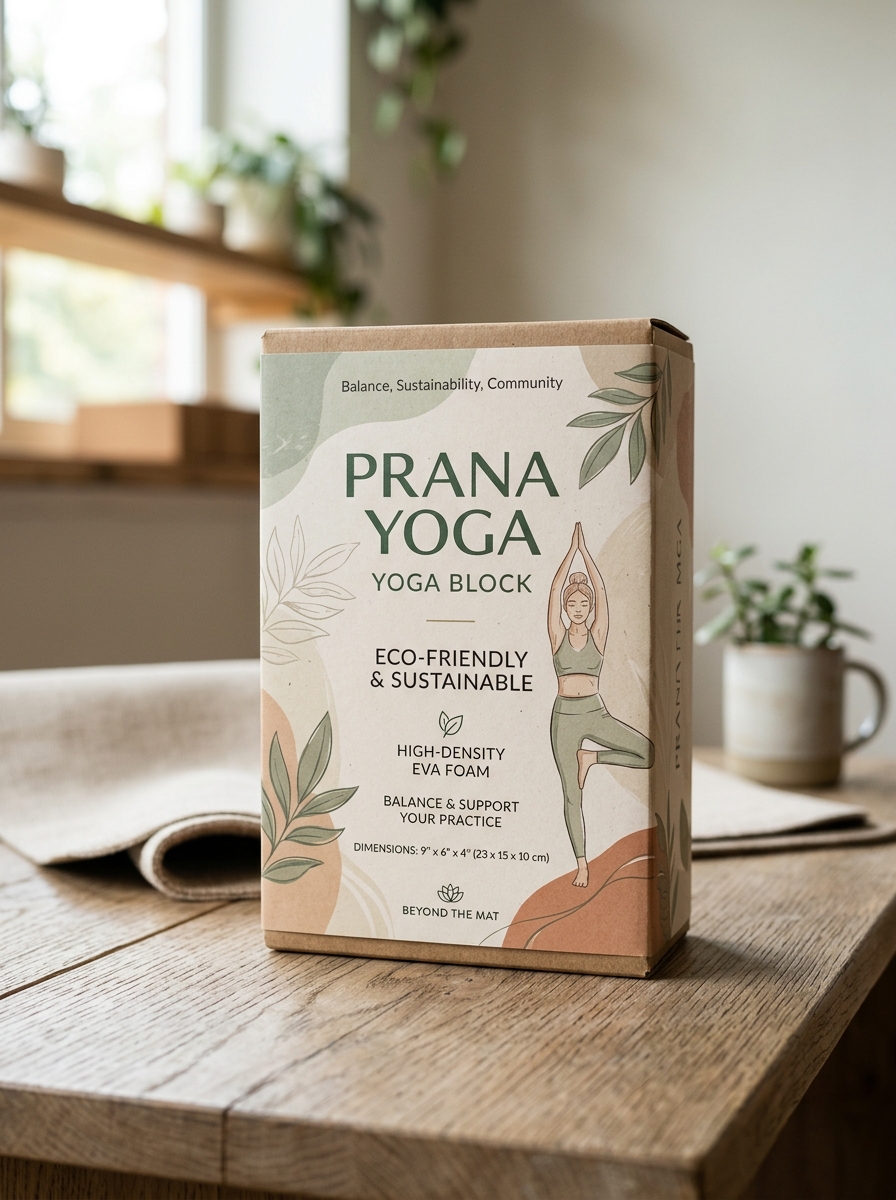
For a yoga block, visual design serves as the tangible expression of a brand's core philosophy. When a company prioritizes sustainability, the design translates this through natural textures, such as harvested cork, and earthy color palettes that signify an eco-conscious identity.
Minimalist brands may utilize clean lines and subtle, debossed logos to convey a sense of calm and focus. In contrast, brands centered on high-energy performance often adopt bold, vibrant hues and modern, recycled foam materials. Every aesthetic choice-from the radius of the contoured edges to the surface grip-communicates a commitment to quality and user experience. By aligning these visual elements with brand values, the yoga block becomes more than a prop; it becomes a reflection of the practitioner's lifestyle and ethical choices.
Material Innovation and Sustainable Packaging Solutions
The evolution of the yoga block is currently driven by material innovation and eco-conscious engineering. Manufacturers are transitioning from traditional plastics to renewable resources like natural cork, harvested bamboo, and recycled EVA foam. These materials provide superior grip, density, and antimicrobial properties while significantly reducing the environmental impact of production.
To complement these advancements, sustainable packaging solutions have become an industry priority. Leading brands are replacing single-use plastics with FSC-certified cardboard, compostable wraps, and soy-based inks. This holistic approach ensures that the entire lifecycle of an eco-friendly yoga block-from manufacturing to delivery-aligns with the core yogic principle of mindfulness. By prioritizing biodegradable materials and plastic-free shipping, the fitness industry meets the growing consumer demand for high-performance, planet-positive equipment.
Color Theory and Typography for Holistic Branding
Effective yoga block branding utilizes visual cues to communicate mindfulness and stability. Color theory plays a pivotal role; earthy tones like sage green or terracotta foster a sense of grounding, while muted blues and lavenders promote tranquility during restorative practice. These palettes should complement the physical material, whether it is natural cork or high-density foam.
Typography further refines the brand voice. Minimalist sans-serif fonts suggest modern clarity and accessibility, whereas elegant serifs can evoke a sense of tradition and wisdom.
A holistic approach ensures that font weight and color contrast prioritize legibility and emotional resonance. By aligning these design elements, a brand creates a cohesive identity that supports the practitioner's journey toward balance, alignment, and spiritual well-being.
Balancing Durability with Lightweight Shipping Requirements
In the fitness equipment industry, engineering a high-quality yoga block requires a strategic balance between structural longevity and logistics efficiency. Manufacturers prioritize materials like high-density EVA foam or sustainable cork to provide the necessary compression resistance for challenging poses without adding excessive weight.
From a logistics perspective, lightweight blocks are essential for reducing dimensional weight shipping costs and minimizing the carbon footprint during distribution. However, the material must remain dense enough to prevent crumbling or warping under pressure. By optimizing cellular density, brands can offer a portable, durable prop that satisfies the rigorous demands of both daily practitioners and e-commerce supply chains, ensuring a cost-effective yet premium user experience.
Tactile Elements and the Importance of Hand Feel
The tactile quality of a yoga block significantly influences practice stability, safety, and comfort. Hand feel-comprising the surface texture, grip, and density-determines how securely a practitioner can ground themselves during weight-bearing poses. A block's material dictates this sensory experience: high-density foam offers a soft, cushioned feel that is gentle on the wrists, while natural cork provides a firm, earthy texture with inherent non-slip properties that improve with moisture.
Superior tactile elements ensure that hands and feet do not slide during transitions, such as arm balances or deep restorative stretches. Whether the finish is matte, contoured, or smooth, the right hand feel provides essential sensory feedback, building confidence and deepening the mind-body connection through reliable physical support and ergonomic traction.
Optimizing Product Information and Functional Messaging
To maximize the impact of yoga block listings, product information must bridge the gap between technical specs and functional utility. Semantic optimization involves highlighting key attributes such as material density-whether using eco-friendly natural cork for firmness or high-density EVA foam for lightweight cushioning.
Effective messaging should focus on how the block serves as an extension of the body to improve alignment, enhance stability, and prevent injury. Key functional details to include are:
- Dimensions: Standard sizing for versatile support across various poses.
- Grip and Texture: Moisture-resistant surfaces and beveled edges for ergonomic comfort.
- Durability: Long-term structural integrity under heavy weight.
By articulating these specific benefits, brands provide the clarity needed for practitioners to choose the right tool for deepening their stretches and mastering challenging transitions.
Die-Cut Innovations for Enhanced Product Visibility
In the competitive fitness market, die-cut innovations are transforming how yoga blocks are showcased to consumers. By utilizing precision cutting technology, manufacturers create strategic windows in packaging that highlight the unique texture, density, and color of the prop.
Whether a yoga block is crafted from high-density EVA foam or sustainable cork, these die-cut features allow for tactile engagement and immediate visual verification of quality. This transparency ensures that practitioners can assess the grip and structural integrity of the block before purchase, building consumer trust.
Furthermore, custom die-cut designs can incorporate ergonomic handholds or branding elements directly into the product shape. This modern approach not only maximizes product visibility on retail shelves but also reinforces the premium nature of the equipment through clear, functional, and aesthetically pleasing presentation.
Designing the Emotional Unboxing Experience
Creating an emotional unboxing experience for a yoga block transforms a routine delivery into a mindful ritual. For practitioners, the journey begins the moment they touch the packaging. Utilizing sustainable, plastic-free materials reflects the core yogic principle of Ahimsa (non-harm), establishing immediate brand trust and environmental alignment.
The sensory details-such as the earthy scent of natural cork or the premium matte finish of recycled foam-heighten the tactile connection. Incorporating thoughtful extras, like a beginner's pose guide or a personalized thank-you note, adds functional value while fostering a sense of belonging. This strategic design ensures the yoga block is perceived not just as equipment, but as a supportive partner in a user's wellness journey, creating a lasting psychological bond between the practitioner and the brand.
Current Trends in Eco-Friendly and Minimalist Packaging
As sustainability becomes a core value in the fitness industry, yoga block packaging is evolving toward a "less is more" philosophy. Brands are increasingly abandoning single-use plastic shrink-wrap in favor of biodegradable materials and low-impact designs.
- Recycled Cardboard Sleeves: Replacing full-box enclosures with slim, FSC-certified paper bands significantly reduces material waste.
- Plastic-Free Shipping: Using compostable mailers and paper-based adhesive tapes ensures a carbon-neutral unboxing experience.
- Soy-Based Inks: These eco-conscious printing methods eliminate petroleum-based chemicals, making the packaging 100% recyclable.
- Zero-Waste Tags: Incorporating seed paper or reusable cotton cord instead of plastic fasteners appeals to environmentally conscious practitioners.
This shift toward circular packaging aligns with the yogic principle of Ahimsa (non-harming), meeting the demand for ethically produced and minimally packaged equipment.
Leave a comment